Stretching Exercises to Improve Flexibility

Introduction: Why Flexibility Matters More Than You Think
Flexibility often takes a back seat in the world of fitness. When most people think about health, they immediately picture strength training, running, or high-intensity workouts. Yet, flexibility is just as vital—if not more—because it underpins almost every movement you make. Whether you’re reaching to grab something from a shelf, bending down to tie your shoes, or maintaining upright posture during long desk hours, flexibility determines how freely and comfortably your body moves.
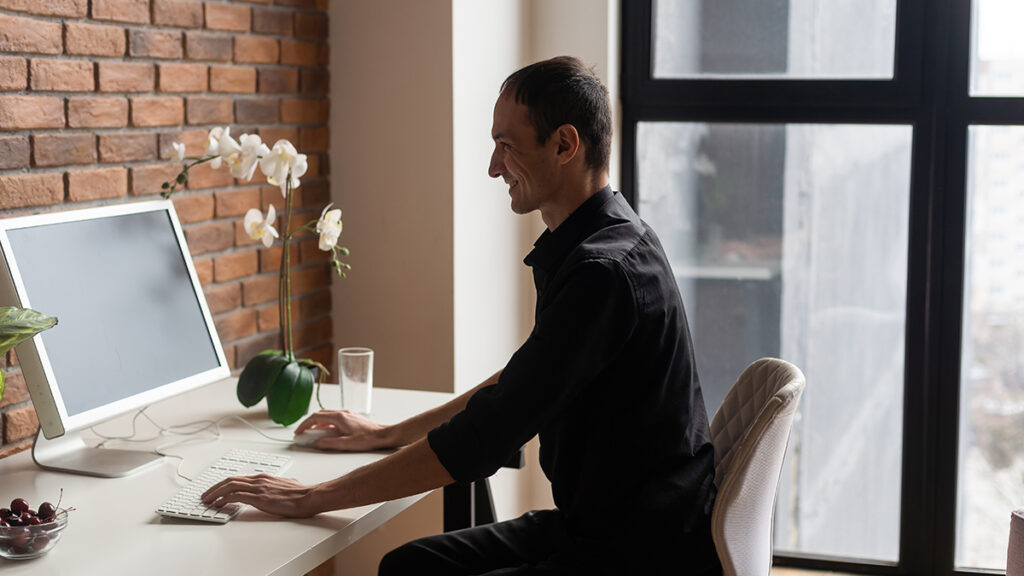
Improving flexibility isn’t just about athletic performance or touching your toes—it’s about everyday ease and injury prevention. A flexible body supports better balance, coordination, and joint health while reducing stiffness that can creep in from hours of sitting. Athletes stretch to improve performance, older adults stretch to maintain independence, and office workers stretch to ease the burden of back or neck pain.
In today’s sedentary culture, stretching is no longer just a post-exercise cool-down—it’s a daily necessity. This article explores flexibility in depth: what it is, how stretching affects the body, different stretching methods, and how to create a safe, sustainable routine that improves movement and quality of life.
Understanding Flexibility and Stretching
What Flexibility Really Means
Flexibility is the ability of a joint—or a series of joints—to move smoothly through its full range of motion. This depends on the elasticity of muscles, tendons, and ligaments, as well as the health and shape of the joints themselves. Genetics may influence your baseline flexibility, but lifestyle, posture, and consistent training play much bigger roles over time.
Being flexible is not just about being able to perform advanced yoga poses or splits. It’s about having fluidity in your movements and freedom from tightness that can restrict mobility. Good flexibility allows your body to move efficiently, prevents strain during daily activities, and reduces the risk of injury from repetitive stress or sudden movements.
How Stretching Affects the Body
When you stretch, your muscles and connective tissues lengthen, which gradually improves elasticity and reduces stiffness. Deep inside your muscles are sensory receptors called muscle spindles that detect stretching and send signals to your nervous system to resist overextension. With regular practice, your body adapts, learning to tolerate deeper stretches without activating this reflex as quickly. This neuromuscular adaptation is the foundation of long-term flexibility gains.
Stretching also stimulates circulation, increasing blood flow to muscles, delivering oxygen and nutrients, and helping remove waste products. This supports recovery, reduces soreness, and promotes overall tissue health. Beyond the physical, stretching also activates the parasympathetic nervous system—the “rest and digest” mode—creating a calming effect that helps relieve stress and tension.
Types of Stretching for Flexibility
Static Stretching: The Classic Approach
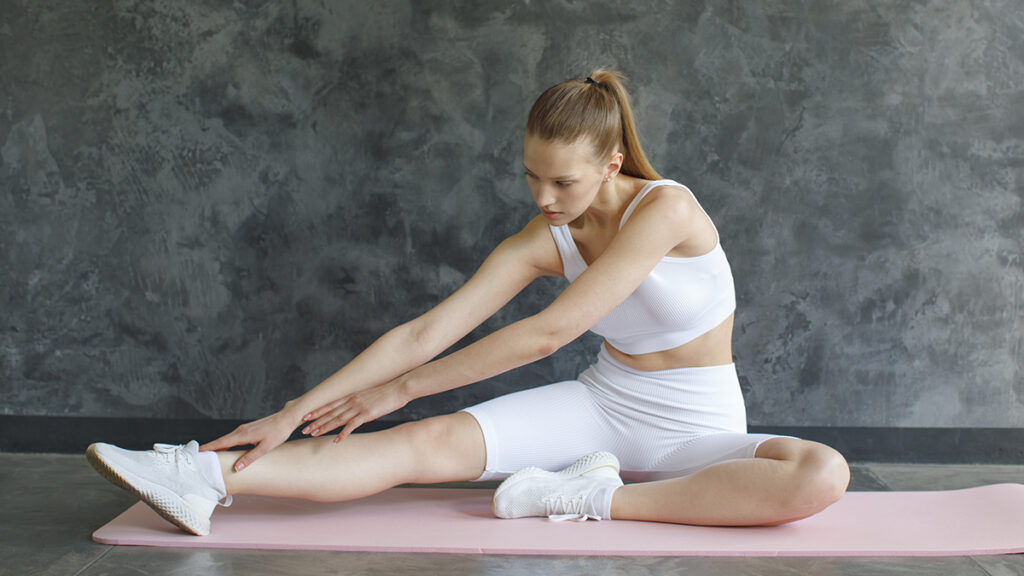
Static stretching is the most traditional method. It involves holding a muscle in a lengthened position—often for 15 to 60 seconds—allowing it to gradually release and adapt. For instance, a seated hamstring stretch after a run can help restore length to muscles that were repeatedly contracting.
This type of stretching is most effective after workouts, when muscles are warm and pliable. If you’re doing static stretches on their own, a light warm-up first—like walking or gentle mobility work—prepares the body and reduces the risk of overstretching cold muscles.
Dynamic Stretching: Movement-Based Mobility
Dynamic stretching uses controlled, active movements to take joints through their full range of motion. Examples include leg swings, arm circles, and walking lunges. Unlike static stretches, dynamic stretches don’t hold positions; instead, they mimic real-life or sport-specific motions.
Dynamic stretching is especially useful as part of a warm-up. It boosts circulation, raises body temperature, primes the nervous system, and prepares muscles for activity. This type of stretching not only increases flexibility but also enhances coordination and readiness for movement.
PNF Stretching: Accelerating Flexibility Gains
Proprioceptive Neuromuscular Facilitation (PNF) is a more advanced method that combines stretching with muscle contractions. The most common technique, “contract-relax,” involves stretching a muscle, contracting it against resistance for several seconds, and then deepening the stretch.
PNF works by overriding the body’s natural stretch reflex, allowing muscles to extend further. Because it’s highly effective but also intense, PNF is often practiced under the guidance of a coach, partner, or therapist to avoid injury. Athletes frequently use this method to make faster progress in flexibility training.
Active and Passive Stretching
Active stretching uses your own strength to hold a stretch. For example, lifting one leg in front of you and holding it without support engages opposing muscles to maintain position. Passive stretching, on the other hand, relies on external support—gravity, a partner, or props like straps—to achieve deeper lengthening.
Both techniques are valuable: active stretches build strength alongside mobility, while passive stretches allow for deeper relaxation and release. Together, they provide a well-rounded approach to flexibility.
Key Muscle Groups to Target for Flexibility
Hamstrings and Hip Flexors
Hamstrings, located at the back of the thighs, are often tight due to prolonged sitting or repetitive exercise. Tight hamstrings can limit hip movement and contribute to lower back discomfort. Stretches like forward folds or lying hamstring stretches help maintain mobility.
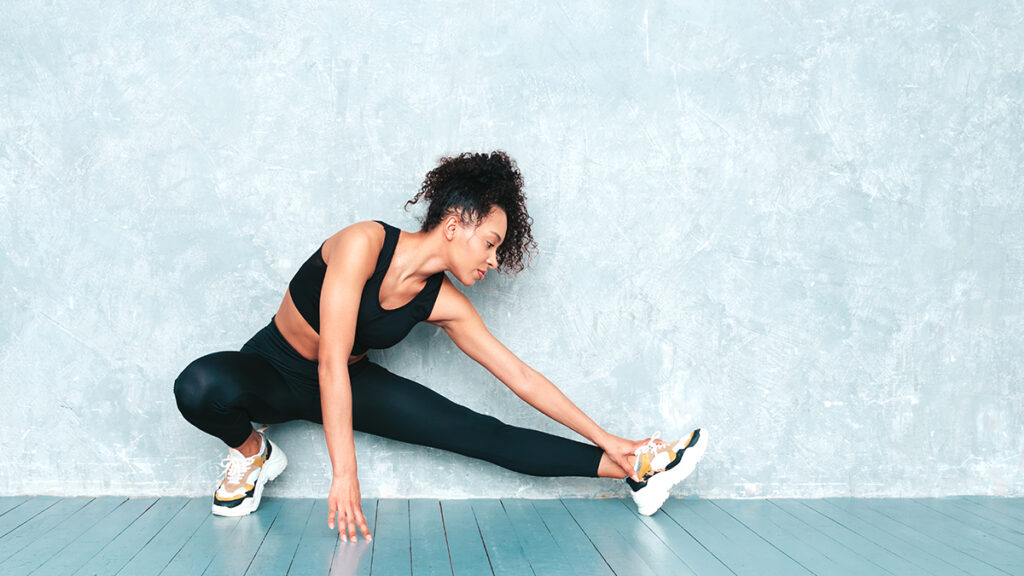
Hip flexors—found at the front of the hips—also shorten from sitting too much, pulling the pelvis forward and straining posture. Lunging hip flexor stretches counteract this imbalance, restoring alignment between the front and back hip muscles.
Quadriceps and Calves
Flexible quadriceps support knee health and prevent strain during running or cycling. A simple standing quad stretch, where you pull your heel toward your glutes, effectively lengthens these muscles.
Calves are equally important. Tight calves limit ankle mobility and contribute to issues like plantar fasciitis. Wall calf stretches or stretches on a step help maintain supple, strong lower legs that support proper walking and running mechanics.
Shoulders, Chest, and Upper Back
Modern life often leaves the upper body hunched from desk work and phone use. Tight chest muscles and rounded shoulders not only affect posture but also breathing and comfort. Doorway chest stretches and cross-body arm stretches help open the front body.
For the upper back, movements like seated twists or cat-cow stretches gently mobilize the spine, relieving tension and enhancing overall posture.
Neck and Lower Back
The neck and lower back are sensitive areas where tightness easily accumulates. Gentle neck stretches ease stiffness from screen time and can help reduce tension headaches. For the lower back, poses like child’s pose or supine spinal twists lengthen muscles while soothing the spine. These stretches should be performed mindfully, without forcing range of motion, to protect vulnerable tissues.
Incorporating Stretching into Your Routine
Timing and Frequency
Flexibility gains come from consistency. Aim to stretch three to five times per week for at least 10 to 15 minutes, with daily stretching yielding the best results. Dynamic stretches are ideal before workouts to activate the body, while static stretches work best afterward to promote recovery and elongation.
Combining Stretching with Other Practices
Yoga and Pilates naturally combine stretching with strength, balance, and mindfulness. Foam rolling before stretching can release muscle knots, making stretches more effective. Even resistance training performed with a full range of motion contributes to flexibility. By blending stretching with other fitness practices, you build a balanced routine that supports mobility and strength simultaneously.
Safety and Progression
Stretching should feel like a gentle release, not sharp pain. Warm up lightly before deep stretches, breathe steadily, and increase intensity gradually. As your flexibility improves, you can hold stretches longer or explore deeper positions, but always listen to your body’s cues.
The Benefits of Improved Flexibility
Enhanced Athletic Performance
For athletes, flexibility translates into efficiency. Looser muscles allow for greater stride length in runners, smoother strokes in swimmers, and more fluid movement in dancers. Better mobility supports technique, reducing the strain that leads to injury.
Injury Prevention and Recovery
Muscle tightness limits range of motion and places strain on joints and surrounding tissues. Stretching improves muscle balance and joint stability, reducing the likelihood of strains or overuse injuries. After workouts, stretching aids recovery by enhancing circulation and easing soreness.
Better Posture and Reduced Pain
Stiff hips, tight hamstrings, and rounded shoulders are the enemies of good posture. Stretching restores balance across these muscle groups, helping to keep the spine aligned and reducing the aches that come from long hours of sitting.
Mental and Emotional Benefits
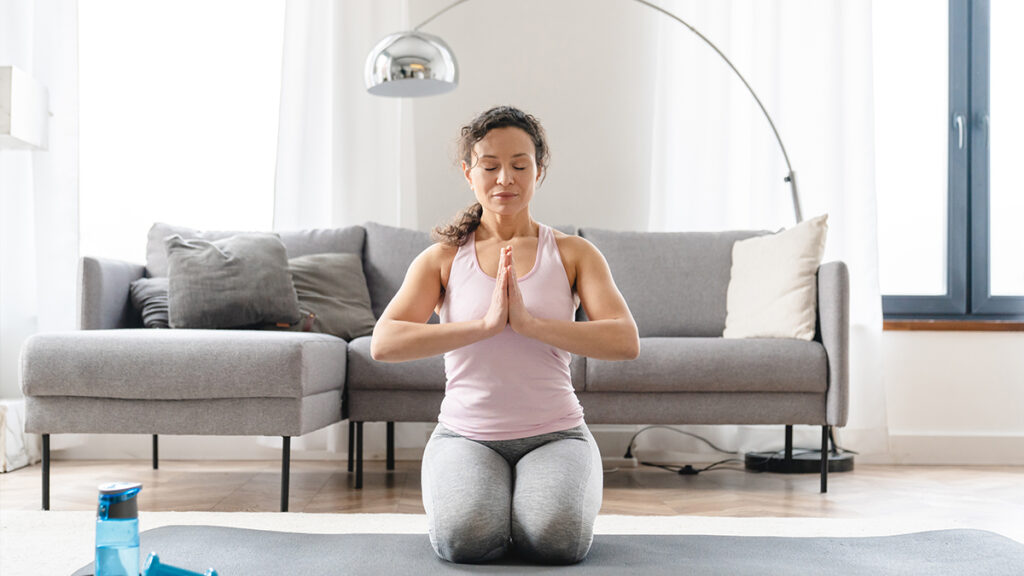
Stretching is also a form of mindfulness. Slow, intentional movements combined with deep breathing help release not just muscular tension but also mental stress. Many find that stretching creates a meditative state, enhancing clarity, calmness, and overall well-being.
Conclusion: Building a Sustainable Flexibility Practice
Flexibility is not a quick fix but a lifelong practice. Stretching regularly and mindfully unlocks greater freedom of movement, reduces discomfort, and improves physical performance. Whether you’re an athlete striving for peak performance, an office worker countering long hours of sitting, or someone simply wanting to move with more ease, flexibility training is an essential investment in your health.
The key is consistency. By weaving static, dynamic, active, and passive stretching into your weekly routine—and targeting all major muscle groups—you’ll experience not only physical improvements but also mental and emotional release. Over time, stretching becomes more than exercise; it becomes a ritual of care, balance, and vitality that supports you for life.