Understanding the Importance of Posture


Introduction: Why Posture Matters More Than You Think
Posture is one of those things most people don’t think about until it starts causing problems. It often comes into focus only when back or neck pain surfaces, when we notice slouched shoulders in a photo, or when fatigue sets in after a long day at the desk. Yet posture is far more than just a matter of appearance or comfort—it’s a foundation of physical health and overall well-being.
Good posture is not about forcing yourself to “stand up straight” for a few seconds. It’s about holding your body in positions that keep the skeleton aligned, the muscles balanced, and the joints supported with minimal strain. Posture impacts everything from the way we breathe to the way we digest food, from our ability to move with ease to how others perceive us.
Unfortunately, the modern lifestyle—with its endless hours at computers, craned necks over smartphones, and slouching in cars—has turned poor posture into a widespread issue. Left unchecked, it doesn’t just cause occasional aches; it can lead to chronic pain, nerve compression, reduced mobility, and even lowered confidence.
On the other hand, developing and maintaining good posture has wide-ranging benefits: improved circulation, better performance in physical activities, healthier organ function, and even a boost to your self-esteem. Understanding posture—what it is, why it matters, and how to improve it—is key to protecting your body and maintaining vitality across your lifetime.
What Posture Really Means
Static vs. Dynamic Posture
Posture can be understood in two forms: static posture and dynamic posture. Static posture refers to how your body is aligned when you are at rest—sitting, standing, or lying down. Dynamic posture, on the other hand, involves how you hold and move your body while in motion, such as when you walk, run, lift, or bend.
Both matter equally. You could maintain perfect sitting posture at your desk, but if your movement patterns during exercise are poor, you’ll still put stress on certain joints and muscles. Conversely, you might move efficiently during workouts but develop issues if you spend eight hours a day slouched in a chair.
Good posture in both static and dynamic states means balance. The body’s weight is evenly distributed, muscles work harmoniously, and the skeletal system is aligned so no area takes excessive strain.
The Role of the Spine
At the center of posture is the spine—a complex structure designed to balance strength with flexibility. The natural S-shaped curves of the cervical, thoracic, and lumbar regions act like shock absorbers, allowing the body to withstand movement and load without damage.
Good posture supports these natural curves rather than flattening or exaggerating them. When the spine is aligned, it carries the body’s weight efficiently, and surrounding muscles can work as they’re intended—supporting, stabilizing, and enabling smooth motion.
The Health Impact of Poor Posture
Musculoskeletal Strain and Pain
Perhaps the most immediate consequence of poor posture is musculoskeletal pain. Forward head posture and rounded shoulders put constant tension on the muscles of the neck and upper back. Over time, this leads to stiffness, fatigue, and even structural changes like kyphosis, or exaggerated rounding of the upper back.
Lower back pain, one of the most common global health complaints, is also strongly linked to posture. When the lumbar curve is compromised, pressure on the discs and joints increases dramatically, raising the risk of injuries and degenerative conditions.
Nerve Compression and Reduced Mobility
Chronic poor alignment doesn’t just strain muscles—it can also compress nerves. Misalignment in the cervical spine, for example, may pinch nerves that radiate into the arms, causing tingling, numbness, or weakness. Similarly, lumbar misalignment can trigger sciatic pain down the legs.
Over time, this strain limits flexibility and mobility, making once-simple movements—bending, twisting, lifting—more difficult and uncomfortable.
Internal Organ Function
Posture affects much more than muscles and bones—it also impacts internal organs. Slouching compresses the chest cavity, reducing lung expansion and lowering oxygen intake. Poor posture in the abdominal region can restrict the stomach and intestines, slowing digestion and contributing to bloating or discomfort after meals.
In short, posture is not just about how we look from the outside—it affects how efficiently our body systems work on the inside.
The Psychological Connection
Posture and Mood
Posture has a powerful connection to mental and emotional health. Research shows that sitting or standing upright is associated with higher energy, greater confidence, and a more positive outlook. In contrast, slouched or collapsed posture can reinforce feelings of fatigue, stress, or sadness.
The link works in both directions: our mood influences how we carry ourselves, and how we carry ourselves influences our mood. Choosing to stand tall with an open chest not only signals confidence to others but also reinforces that feeling within ourselves.
Social and Professional Perceptions
Posture also shapes how others perceive us. In professional settings, upright posture conveys attentiveness, competence, and confidence. In social situations, it can communicate energy and self-assurance. A habitual slouch, on the other hand, may be read as disinterest, insecurity, or lack of vitality—even if that’s not how you feel.
Common Causes of Poor Posture
Sedentary Lifestyle and Technology Use
One of the biggest culprits behind today’s posture problems is sedentary living. Desk jobs, long commutes, and hours on smartphones encourage forward head posture, rounded shoulders, and weak cores. Over time, these become the body’s “default” positions, leading to chronic misalignment.
Muscle Imbalances
Poor posture often stems from imbalances in strength and flexibility. Weak abdominal and spinal stabilizers fail to support the torso, while tight hip flexors and chest muscles pull the body forward. Overstretched upper back muscles are unable to counteract this pull, resulting in the slouched, hunched posture so common today.
Injuries and Structural Conditions
Injuries, scoliosis, or structural variations in the spine can also influence posture. In these cases, improving posture may require professional assessment and a tailored rehabilitation plan from a physical therapist, chiropractor, or orthopedic specialist.
How to Improve and Maintain Good Posture
Awareness as the First Step
The first step toward better posture is awareness. Many people go through the day without realizing they’re slouching, craning forward, or sitting with uneven weight. By regularly checking in with your body—while sitting at your desk, standing in line, or walking—you can begin to identify and correct poor patterns before they become ingrained.
Strengthening Core and Back Muscles
A strong core is the foundation of good posture. The deep abdominal muscles, obliques, and spinal stabilizers support the torso and reduce strain on the spine. Similarly, strengthening the upper back and shoulder muscles helps balance the pull of tight chest muscles and forward head posture.
Exercises such as planks, bridges, rows, and back extensions are excellent for building this strength. Over time, a stronger support system makes good posture feel more natural and sustainable.
Flexibility and Mobility Work
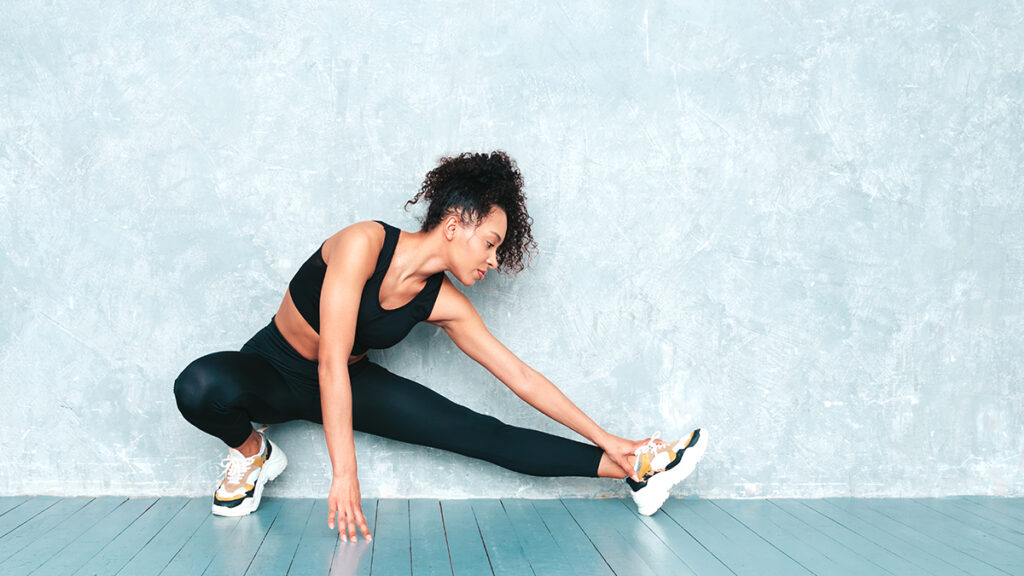
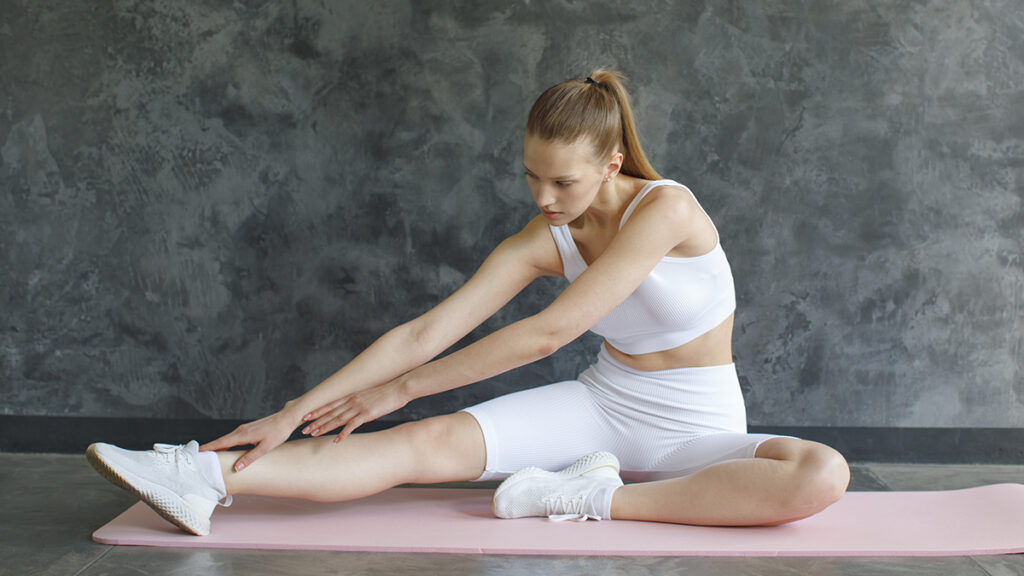
Flexibility is equally important. Tight chest muscles, shortened hip flexors, and stiff shoulders all contribute to poor posture. Regular stretching, yoga, or mobility routines can counteract this tightness, allowing the body to settle into alignment more easily.
Practices like yoga and Pilates are especially beneficial because they combine strength, flexibility, and mindfulness—all of which reinforce healthy posture.
Ergonomic Adjustments
Your environment matters just as much as your body. An ergonomic workstation can dramatically reduce strain. This may involve adjusting chair height so feet rest flat, raising your monitor to eye level, or using a standing desk.
Simple changes—like placing your phone at eye level rather than looking down—can also reduce daily stress on your spine and neck.
Posture Throughout the Day
Sitting with Support
When sitting, aim for a position where your feet are flat on the floor, knees at hip level, and lower back supported. Shoulders should rest comfortably, not hunched forward, and your head should align with your shoulders rather than jutting toward the screen.
Standing Tall
When standing, distribute weight evenly between both feet. Keep knees slightly bent, pelvis in a neutral position, and shoulders back but relaxed. The chin should stay parallel to the ground, avoiding a forward head tilt.
Movement Breaks
Even perfect posture becomes problematic if held too long. The human body is designed to move. Taking breaks every 30–60 minutes to stand, stretch, or walk prevents stiffness and helps maintain balance. Micro-breaks throughout the day are often just as important as long exercise sessions.
The Long-Term Benefits of Good Posture
Reduced Pain and Injury Risk
Good posture minimizes unnecessary strain on muscles and joints, reducing the risk of chronic pain and injuries. Over time, this protection becomes increasingly important as the body’s natural resilience declines with age.
Improved Energy and Focus
When the body is aligned efficiently, it requires less effort to function. Energy isn’t wasted on compensating for misalignment, leaving you feeling more alert and focused throughout the day.
Enhanced Quality of Life
Ultimately, posture influences your ability to live fully. From enjoying sports to playing with children, from working productively to simply walking without discomfort, posture underpins your quality of life. Maintaining it is an investment in your long-term vitality.
Conclusion: Posture as a Daily Practice
Posture is not something fixed at birth—it’s a habit shaped by the choices you make every day. While it’s easy to overlook, it has far-reaching effects on physical health, emotional well-being, and even how others perceive you.
Improving posture takes awareness, consistency, and sometimes professional guidance. But the rewards are profound: less pain, more energy, and greater confidence. By practicing small, daily adjustments—strengthening your core, setting up ergonomic workspaces, and taking breaks to move—you create a foundation for lasting health.
In a world that encourages slouching over screens and collapsing into chairs, choosing to stand tall is more than just a physical act. It’s a statement of strength, self-care, and intention. By honoring your posture, you not only support your body—you uplift your entire presence in the world.