Benefits of Regular Stretching

Introduction: Why Stretching Deserves More Attention in Your Wellness Routine
In the fitness world, the spotlight often shines on high-intensity training, strength workouts, and cardio sessions. Stretching, on the other hand, is often treated as an afterthought—a quick pre-workout ritual or a hurried post-exercise cooldown, if it’s done at all. Yet, stretching is far more than a warm-up or cool-down technique. It is a deeply powerful, often overlooked practice that nurtures not only your body but also your mind.
When done consistently, stretching helps lengthen muscles, ease tightness, improve posture, and enhance mobility. It boosts circulation, protects joints, and reduces the risk of injuries. At the same time, stretching has a calming, almost meditative quality that reduces stress, quiets the nervous system, and fosters mindfulness. It is a practice that bridges physical health with emotional well-being.
In this article, we’ll explore the science of stretching, uncover its physical and mental benefits, examine the different types of stretching, and learn how to make it a natural part of your daily routine. By the end, you’ll see why stretching deserves a permanent spot in your wellness plan.
The Science Behind Stretching and Flexibility
How Stretching Works in the Body
Stretching is essentially the gentle elongation of muscles and connective tissue. When you stretch, muscle fibers lengthen, and proprioceptors—sensory receptors in muscles and tendons—signal how much tension your body can handle. Over time, with consistent practice, these proprioceptors adapt, allowing your muscles to tolerate greater extension, which translates into increased flexibility.
Stretching also promotes the production of synovial fluid, the natural lubricant in joints. This fluid reduces stiffness, nourishes cartilage, and makes movement smoother. As we age, natural declines in flexibility and joint function can limit mobility, but regular stretching helps counteract these changes, preserving the freedom of movement we often take for granted in daily life.
The Neurological Connection
Stretching influences the nervous system just as much as the muscles. Before activity, dynamic stretching stimulates the central nervous system, priming the body for movement, improving coordination, and increasing reaction time. After exercise, static stretching activates the parasympathetic nervous system—the body’s “rest and digest” mode—helping to reduce stress hormones and induce relaxation.
This dual effect makes stretching unique. It can energize and prepare you for action, or it can soothe and calm you after exertion, depending on the type and timing of the stretches.
Physical Benefits of Regular Stretching
Improved Flexibility and Range of Motion
Flexibility is often the forgotten pillar of fitness. Without it, muscles tighten, joints stiffen, and everyday movements—from reaching overhead to tying your shoes—become more difficult. Regular stretching expands your range of motion, enabling you to move with greater ease and fluidity.
For athletes, flexibility can improve performance and reduce the likelihood of strains. For desk workers, it counteracts hours of static posture. For older adults, it helps maintain independence by preserving mobility. No matter your lifestyle, flexibility supports comfort and function in daily living.
Enhanced Posture and Alignment
Modern life encourages poor posture. Hours spent hunched over computers, smartphones, or steering wheels cause muscles in the chest, hips, and shoulders to tighten, while opposing muscles weaken. This imbalance creates slouched posture, back pain, and tension in the neck.
Stretching addresses these imbalances by lengthening shortened muscles and restoring equilibrium between muscle groups. Over time, this improves alignment, supports the spine, and helps you stand taller and move more efficiently.
Injury Prevention and Recovery
Tight, rigid muscles are more vulnerable to injury during sudden or forceful movements. Stretching improves muscle elasticity, allowing muscles to absorb stress and recover from strain more effectively. After workouts, stretching enhances blood circulation, reduces lactic acid buildup, and promotes faster recovery, reducing delayed onset muscle soreness (DOMS).
Increased Blood Flow and Circulation
Every stretch stimulates circulation, delivering oxygen-rich blood and nutrients to the muscles while flushing out metabolic waste. This improved blood flow not only accelerates recovery but also supports cardiovascular health and overall vitality.
Mental and Emotional Benefits of Stretching
Stress Reduction and Relaxation
Stretching offers one of the simplest, most accessible ways to relax both body and mind. As you stretch, your breathing naturally slows, and your attention shifts inward. This activates the parasympathetic nervous system, lowering cortisol levels and reducing feelings of anxiety.
Stretching can feel like a moving meditation. Each pose invites you to be present, notice sensations in the body, and release built-up tension. Over time, these small moments of calm accumulate into greater resilience against stress.
Enhanced Mind-Body Connection
Stretching fosters awareness of how your body feels. You learn to notice areas of tightness or imbalance and to respond before they escalate into pain or injury. This mindfulness of movement sharpens coordination, enhances balance, and makes physical activity safer and more enjoyable.
Better Sleep Quality
Many people carry the tension of the day into the night. Gentle evening stretches—especially static holds and yoga-inspired poses—help release tightness in the hips, back, and shoulders, while deep breathing signals to the nervous system that it’s time to rest. This combination of physical release and mental relaxation can make it easier to fall asleep and improve overall sleep quality.
Different Types of Stretching and When to Use Them
Static Stretching
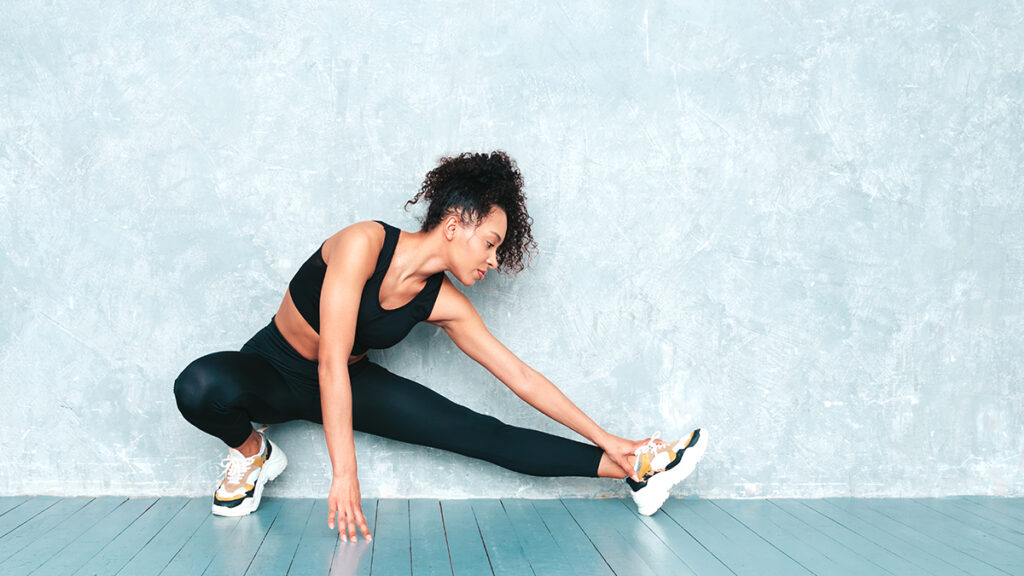
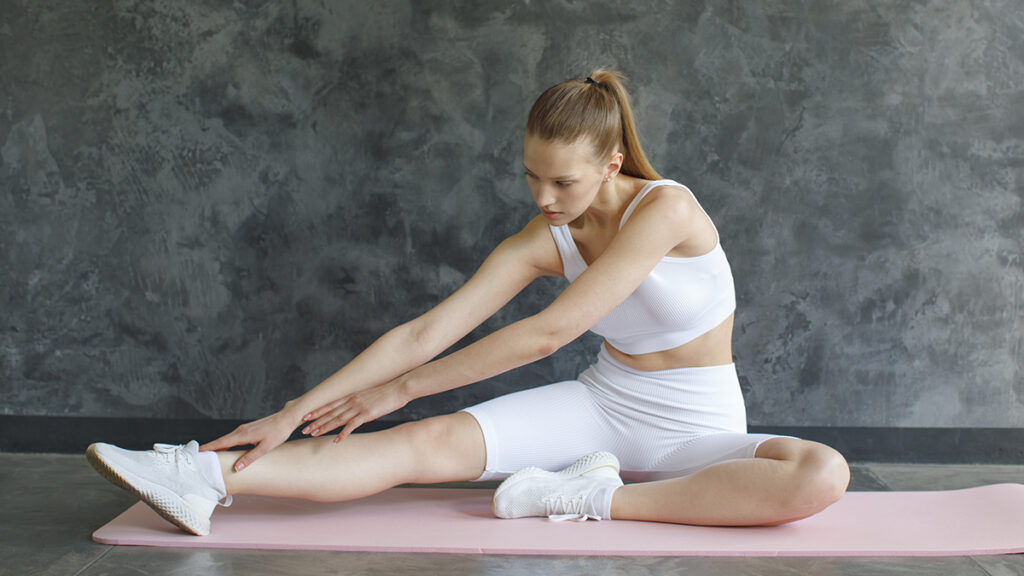
Static stretching involves holding a stretch for 20–60 seconds without movement. Best done after exercise or during relaxation routines, it lengthens muscles, increases flexibility, and encourages calm.
Dynamic Stretching
Dynamic stretching uses active, controlled movements that take joints through their full range of motion. It’s ideal before workouts as it boosts circulation, warms the muscles, and prepares the body for activity. Arm circles, leg swings, and torso rotations are examples.
Proprioceptive Neuromuscular Facilitation (PNF) Stretching
PNF stretching combines stretching and muscle contraction to improve flexibility rapidly. Often used in physical therapy and athletic training, it involves contracting a muscle isometrically before stretching it further. While effective, it’s best practiced with guidance.
Ballistic Stretching
Ballistic stretching uses bouncing or rapid movements to push muscles beyond their usual range. While risky for beginners due to the potential for injury, it can be beneficial for advanced athletes who require explosive movements in their sports.
Integrating Stretching into Your Daily Routine
Morning Stretches to Wake Up the Body
After hours of sleep, the body often feels stiff. A few minutes of dynamic stretches in the morning—gentle spinal twists, side bends, or hip openers—boost circulation, release stiffness, and help transition from rest to activity with greater energy.
Midday Breaks for Desk Workers
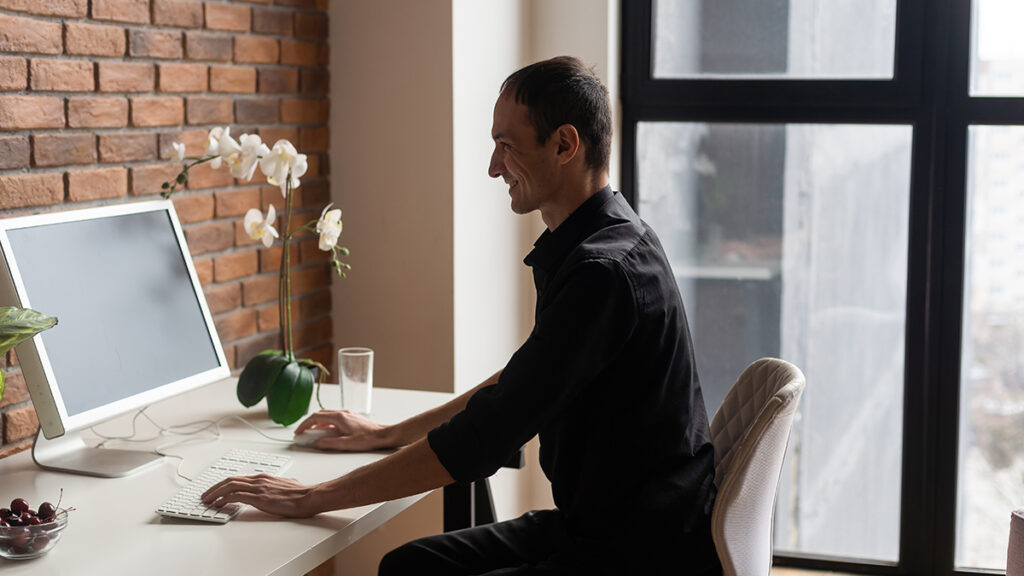
Sitting for extended periods tightens the hip flexors, strains the lower back, and stiffens the shoulders and neck. Short stretching breaks during work—such as chest openers, neck rolls, or seated forward folds—restore mobility, improve focus, and reduce discomfort.
Evening Stretches for Relaxation
Stretching at the end of the day provides closure for the body and mind. Static stretches for the hamstrings, hips, and spine, combined with deep breathing, help release tension and prepare you for restful sleep.
Stretching as Part of a Holistic Wellness Plan
Stretching becomes even more powerful when integrated with other wellness practices. Pair it with regular exercise for balanced strength and mobility. Combine it with proper nutrition and hydration to optimize recovery. Add mindfulness techniques, like yoga or tai chi, to merge flexibility training with emotional grounding.
Over time, these combined practices build resilience, enhance mood, improve energy, and support long-term health. Stretching is not just a tool for flexibility—it is a cornerstone of holistic well-being.
Conclusion: Stretching for a Healthier, Happier You
Stretching is one of the simplest, most accessible practices for improving health. It requires no special equipment, takes only a few minutes a day, and delivers benefits that extend well beyond flexibility. From improved posture and injury prevention to stress relief and better sleep, stretching is a small investment with lifelong returns.
The key is consistency. Just 5–10 minutes woven into your morning, midday, or evening routine can transform how you feel and move. Over time, the results accumulate: greater ease in your body, sharper awareness of your mind, and a deeper sense of presence in daily life.
Your body was designed to move, and stretching keeps that movement fluid, comfortable, and pain-free. Whether you’re an athlete, a desk worker, or simply someone striving for better health, prioritizing stretching can be a transformative step toward a more balanced, vibrant, and fulfilling life.