How to improve posture and body awareness


Introduction
Posture is more than just the way we sit or stand—it reflects how our body functions and how we feel about ourselves. Good posture supports physical health, allows for efficient movement, and even boosts confidence and mood. Yet in today’s world of long work hours, endless screen time, and sedentary routines, poor posture has become more common than ever. Rounded shoulders, forward head tilt, and slouching are not only concerns about appearance but also risk factors for chronic pain, fatigue, and decreased body awareness.
Improving posture and building body awareness go hand in hand. Body awareness, also called proprioception, is the ability to sense where your body is in space and how it moves. Developing this awareness helps people correct misalignments, avoid injury, and maintain balance in everyday life. This article highlights the importance of posture, explains the science of body awareness, and provides practical strategies to improve both for long-term health and well-being.
Understanding Posture and Its Impact
What Is Good Posture?
Good posture is the alignment of the body so that muscles, joints, and bones work together with minimal strain. When standing, this means keeping the head aligned with the shoulders, the shoulders with the hips, and the hips stacked above the knees and ankles. While sitting, good posture maintains the spine’s natural curves without collapsing or arching too much. This alignment helps distribute body weight evenly, lowering the risk of musculoskeletal issues.
Consequences of Poor Posture
Poor posture usually develops over time, often due to sedentary habits, repetitive movements, or lack of awareness. Slouching at a desk, leaning into a smartphone, or sitting for hours can weaken muscles and cause them to shorten. Over time, this misalignment leads to back pain, stiffness, tension headaches, and limited flexibility. Poor posture also affects breathing and digestion since slumping compresses the chest and abdominal areas. Beyond physical effects, posture has a psychological influence—studies show that upright posture improves mood, reduces stress, and increases self-confidence.
The Role of Body Awareness in Posture
Defining Body Awareness
Body awareness is the ability to recognize and adjust your body’s position in space. It involves sensing alignment, balance, and movement through proprioceptors—specialized sensors in muscles and joints that send signals to the brain. Without body awareness, posture corrections are hard to maintain, as the body reverts to habitual patterns. Building awareness allows individuals to notice slouching or leaning and consciously return to healthier alignment.
Mind-Body Connection
Body awareness connects both the physical and mental aspects of posture. When people practice awareness, they become more skilled at spotting tension and releasing it, lowering the chances of discomfort and stiffness. Mindfulness-based activities such as yoga, tai chi, or mindful walking highlight this connection by encouraging people to observe how their body feels and responds to movement. This stronger mind-body connection lays the groundwork for improved posture, as recognizing imbalance naturally leads to correction.
Lifestyle Factors That Influence Posture
The Sedentary Lifestyle Challenge
Modern life often involves long periods of sitting—at desks, in cars, or on couches. Prolonged sitting weakens postural muscles and encourages slouching. While standing desks and ergonomic chairs may help, the real solution lies in moving regularly and engaging the muscles that stabilize posture. Breaking free from a sedentary cycle is essential for keeping the body properly aligned.
The Role of Technology
Smartphones, laptops, and tablets have introduced new postural issues, often referred to as “tech neck” or “text neck.” Looking down at screens pulls the head forward, straining the neck and upper back. Over time, this leads to chronic discomfort and less mobility. Becoming aware of screen habits and adjusting devices to eye level are critical steps to protect posture in today’s digital age.
Emotional Influence on Posture
Posture is influenced by more than just the physical body—it’s also shaped by emotions. Stress, anxiety, or low self-esteem often show up as rounded shoulders or a collapsed chest, physically expressing inner tension. On the other hand, standing tall with an open chest can lift mood and increase confidence. Recognizing this mind-body link allows individuals to use posture as a tool for emotional well-being.
Strategies to Improve Posture and Awareness
Building Core Strength
A strong core is crucial for upright posture. The core includes not just abdominal muscles but also the back, pelvis, and diaphragm. Together, these muscles stabilize and support the spine. Activities such as Pilates, yoga, or functional strength training strengthen this foundation. As core strength develops, maintaining alignment throughout everyday activities becomes easier and more natural.
Stretching and Flexibility
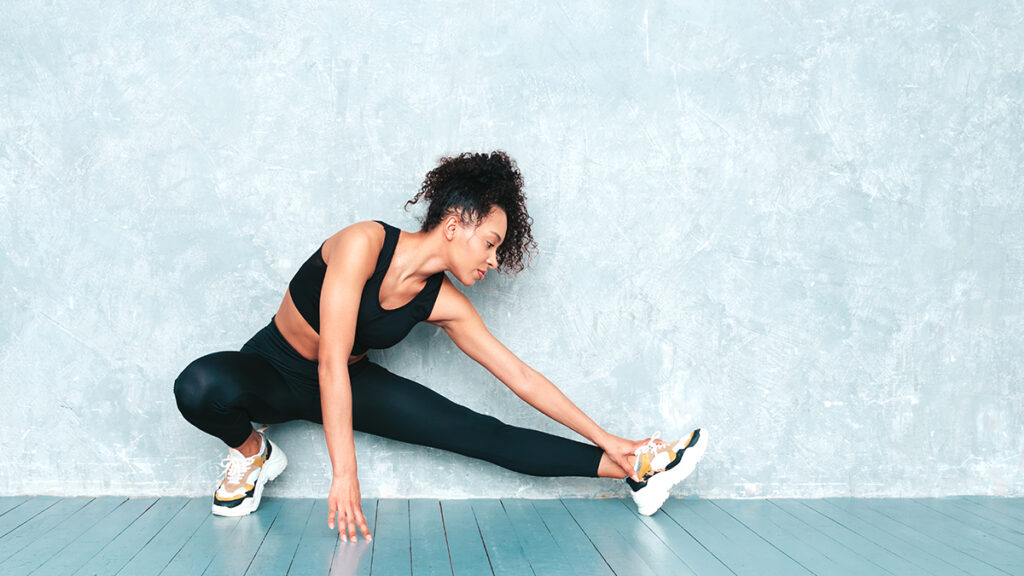
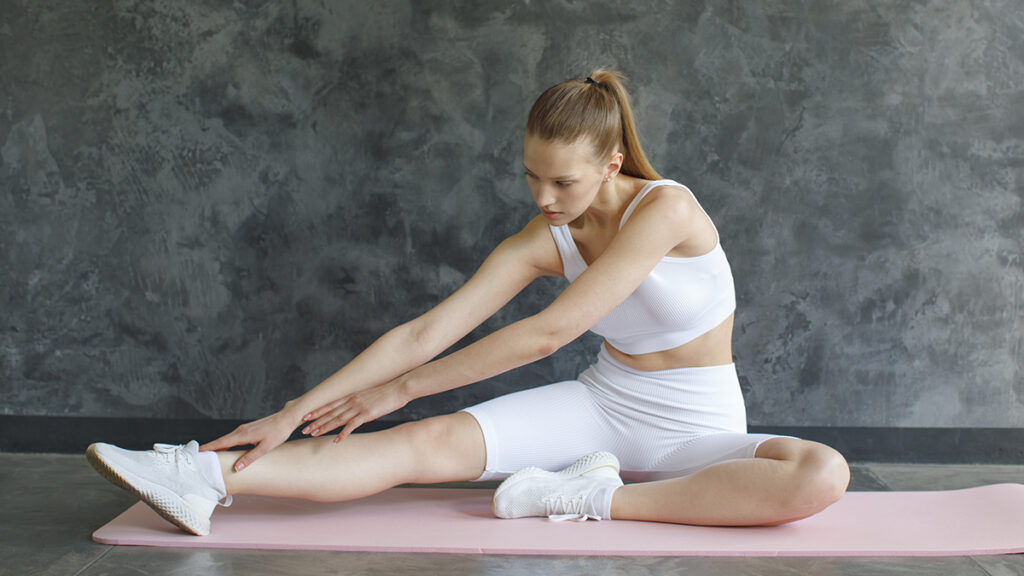
Tight muscles often lead to poor posture. For example, sitting for long hours tightens hip flexors, which can tilt the pelvis forward, while tight chest muscles pull the shoulders inward. Stretching these areas regularly restores balance. Flexibility-focused practices like yoga or dynamic stretching improve mobility and reduce strain from postural imbalances. Stretching also helps release tension, particularly in the neck and shoulders.
Ergonomic Adjustments
Although strength and flexibility are long-term goals, posture can often be improved immediately through environmental changes. Ergonomic workspaces are designed to support alignment by ensuring that chairs, desks, and screens fit the body properly. Simple adjustments—like keeping feet flat on the floor, adjusting chair height, or positioning screens at eye level—reduce unnecessary strain. Over time, these small changes encourage awareness and help prevent falling back into bad habits.
Mindfulness Practices for Body Awareness
Yoga and Postural Alignment
Yoga is one of the most effective practices for improving posture and awareness. Its focus on alignment, breath, and mindful movement trains individuals to engage muscles properly and identify imbalances. Poses such as Mountain Pose, Downward Dog, or Cat-Cow strengthen and stretch postural muscles while sharpening proprioception. The meditative side of yoga deepens the mind-body connection, making posture awareness more natural and intuitive.
Meditation and Mindful Breathing
Meditation paired with mindful breathing increases body awareness by drawing attention to sensations while sitting, standing, or breathing. Deep breathing expands the chest and lengthens the spine, naturally improving posture while calming the nervous system. With regular practice, meditation trains people to notice tension and gently correct alignment, leading to gradual improvements in posture in everyday life.
Somatic Practices
Somatic methods such as Feldenkrais or Alexander Technique aim to retrain the body to move efficiently and with awareness. These practices rely on slow, deliberate movements that reprogram postural habits, reduce tension, and improve coordination. By paying close attention to subtle movements, participants develop greater awareness of how their body responds, making posture correction more intuitive than forced.
The Psychological Benefits of Good Posture
Confidence and Presence
Posture communicates silently but powerfully. Standing tall with shoulders back and chest open conveys confidence and presence. Research indicates that upright posture boosts self-assurance and lowers stress hormones. This body-language effect influences not only how others see us but also how we feel about ourselves. Improved posture fosters genuine confidence, while awareness makes this presence sustainable.
Stress Reduction
Slouched and tense postures are often linked with stress. By consciously improving posture, people activate relaxation responses, reducing muscle tension and calming the mind. Good posture also encourages deeper breathing, which lessens anxiety and sharpens focus. Over time, maintaining alignment becomes a practical stress management tool that strengthens both physical and emotional resilience.
Enhanced Focus and Productivity
A well-aligned body supports a focused mind. Poor posture often causes fatigue and discomfort that distract from tasks. In contrast, sitting or standing with good posture improves circulation and energy levels, fostering better concentration. Body awareness enhances productivity by helping individuals recognize when they need to move, stretch, or reset alignment to stay focused.
Long-Term Impact of Improved Posture and Awareness
Preventing Chronic Pain
Many chronic pain conditions, such as back pain, stiff necks, and headaches, are linked to poor posture. By improving alignment and awareness, individuals ease strain on muscles and joints, reducing the chances of developing these conditions. Long-term posture care helps prevent degenerative issues and supports musculoskeletal health well into old age.
Aging Gracefully
As people grow older, posture often declines due to muscle loss and reduced flexibility. However, consistent attention to posture and awareness can slow this process significantly. Individuals who maintain alignment preserve mobility, balance, and independence for longer. Good posture also enhances appearance, radiating vitality and confidence regardless of age.
Enhancing Quality of Life
The benefits of posture and body awareness extend far beyond physical health. Together, they create a sense of harmony between body and mind. Moving with ease, breathing fully, and carrying oneself with confidence enrich daily experiences and relationships. Whether at work, in social settings, or during personal growth, posture and awareness serve as the foundation for a more balanced and fulfilling life.
Conclusion
Improving posture and body awareness is not about rigidly holding the body still but about developing alignment, strength, and mindfulness so the body functions at its best. Posture reflects both physical health and self-confidence, while awareness offers the tools to spot and fix imbalances. With consistent practices like strengthening, stretching, mindfulness, and ergonomic adjustments, people can transform not only how they move but also how they feel and how others perceive them.
The journey toward better posture and awareness is gradual yet rewarding. Each mindful breath, strengthening exercise, or conscious adjustment contributes to lasting well-being. In a world where daily life often encourages slouching and distraction, reclaiming posture and awareness is an empowering act. By committing to these practices, individuals not only prevent pain and support health but also project confidence, clarity, and presence in every aspect of life.