Benefits of Practicing Tai Chi

Introduction: The Gentle Art of Powerful Change
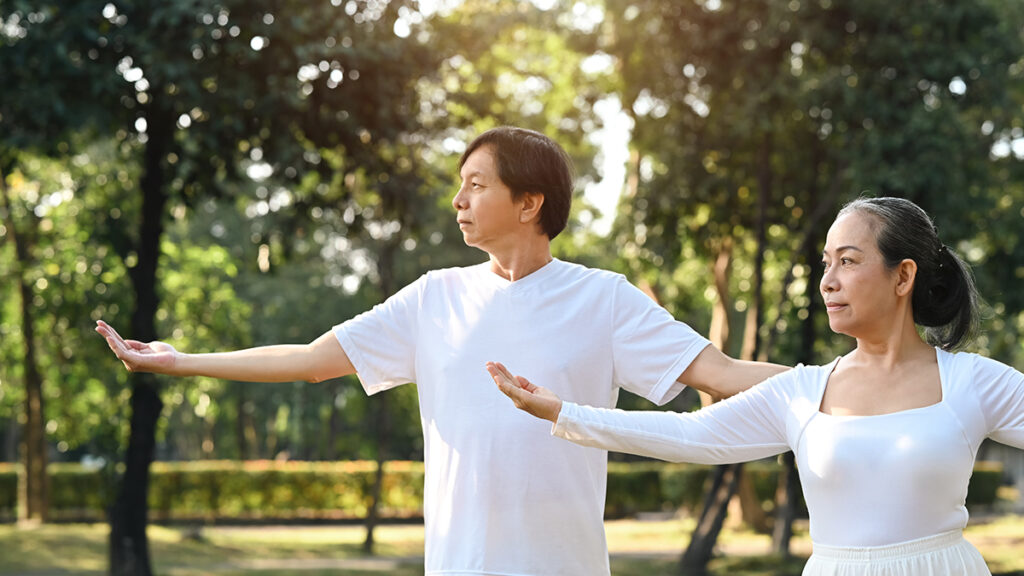
In an age defined by high-intensity workouts, fast-paced routines, and digital overload, Tai Chi offers a welcome alternative—an ancient practice rooted in mindfulness, grace, and balance. Originating in China centuries ago as a martial art, Tai Chi (or Tai Chi Chuan) has evolved into a globally embraced wellness practice, often described as “meditation in motion.” With its flowing movements, deep breathing, and meditative focus, Tai Chi supports the body, calms the mind, and strengthens the spirit in a way that is both gentle and profound.
Unlike fitness regimens that push the body toward exertion, Tai Chi works with the body, encouraging ease and fluidity. The slow, intentional movements enhance balance, increase flexibility, and improve coordination while also reducing stress and promoting emotional peace. As scientific research continues to explore its benefits, Tai Chi is increasingly recognized not just within wellness circles but also by medical professionals who see it as a supportive tool in rehabilitation, stress management, and preventive health.
Its greatest strength? Accessibility. Whether you’re young or older, athletic or healing, Tai Chi meets you exactly where you are—offering a path to wellness that’s inclusive, adaptable, and transformative.
The Physical Benefits of Tai Chi
Enhancing Balance and Preventing Falls
One of Tai Chi’s most celebrated physical benefits is its ability to dramatically improve balance and prevent falls, particularly in older adults. Through slow, deliberate shifts in weight and mindful foot placement, Tai Chi engages the legs, ankles, and core muscles essential for maintaining equilibrium. Equally important is its effect on proprioception—our sense of body position in space—which becomes less acute as we age.
By retraining the neuromuscular system to react more precisely, Tai Chi helps prevent stumbles and missteps. Its effects are so well-documented that it is frequently incorporated into fall-prevention programs in hospitals and senior centers. The result isn’t just physical safety, but increased confidence in everyday movements, from climbing stairs to walking on uneven surfaces.
Increasing Flexibility and Joint Mobility
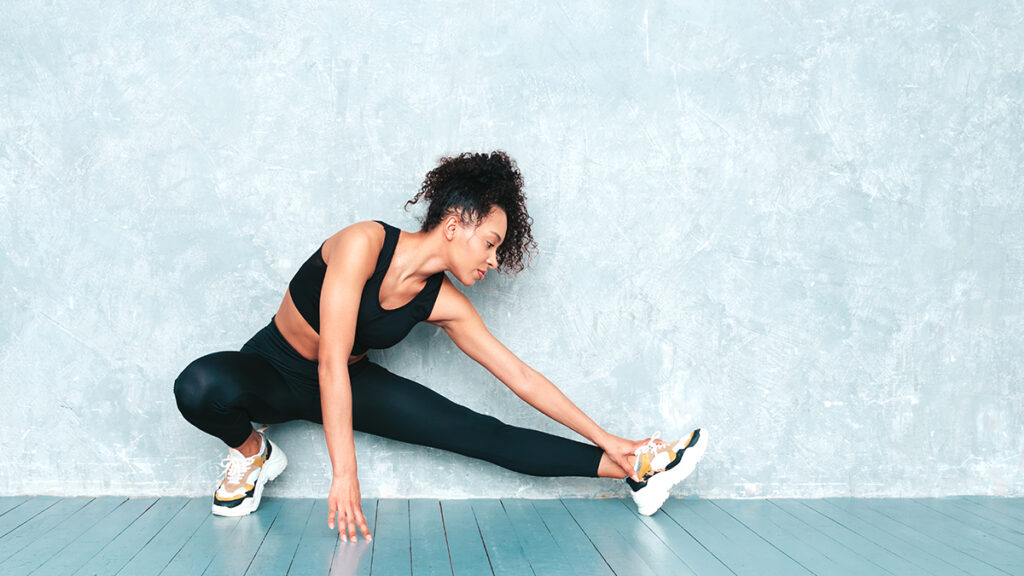
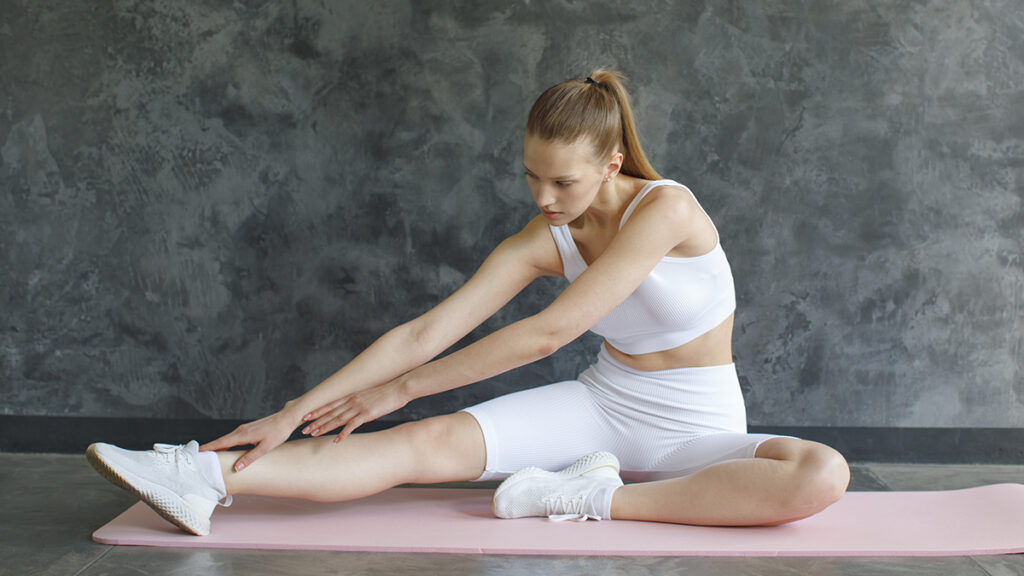
Tai Chi is uniquely suited for improving flexibility and joint health without putting stress on the body. The practice’s continuous, circular motions gently engage joints through their natural range of motion, helping to lubricate them and reduce stiffness. This is particularly valuable for people managing arthritis, recovering from injury, or dealing with restricted mobility.
Unlike static stretching, which holds the body in place, Tai Chi allows the joints and muscles to move in sync, gradually enhancing suppleness and comfort. Practitioners often report less morning stiffness, improved ease of movement, and a newfound freedom in their physical abilities.
Strengthening Muscles Without High Impact
While Tai Chi might look effortless from the outside, it provides an effective form of low-impact strength training. The practice involves subtle weight-bearing postures, particularly in the legs and core, as well as transitions that require control and coordination. These movements build muscle endurance, promote better posture, and enhance overall stability.
Because Tai Chi’s pace is slow and controlled, it avoids the jarring impact common in other strength-building routines. Over time, this consistent engagement builds a resilient muscular foundation, allowing you to perform other daily activities—and even more intense exercises—with greater ease and efficiency.
Supporting Cardiovascular and Respiratory Health
Though Tai Chi is not classified as a high-intensity aerobic activity, its rhythmic nature provides surprising cardiovascular benefits. The continuous movement, paired with deep, diaphragmatic breathing, helps regulate heart rate and enhance blood circulation. This makes it a safe and effective way to promote heart health—especially for individuals who cannot tolerate more vigorous forms of exercise.
The breathing techniques central to Tai Chi also offer respiratory benefits. Practicing slow, conscious breathing increases lung capacity and oxygen intake, which can be especially helpful for individuals with respiratory conditions such as asthma or COPD.
The Mental and Emotional Benefits of Tai Chi
Reducing Stress and Promoting Relaxation
Tai Chi offers a haven of calm in the midst of modern-day chaos. Each movement invites you to focus inward, tuning into your breath, your posture, and the present moment. This kind of focused attention activates the body’s relaxation response, lowering cortisol levels and easing the symptoms of chronic stress.
The stress-reducing effects of Tai Chi don’t end with the practice itself—they ripple outward into your daily life. With regular practice, many people report greater emotional control, deeper sleep, and a more balanced reaction to everyday stressors.
Enhancing Mental Clarity and Focus
Tai Chi is a practice of the mind as much as the body. Learning and remembering the movement sequences requires concentration, memory, and coordination. This mental engagement not only improves focus but also stimulates areas of the brain associated with learning and executive function.
In older adults, Tai Chi has been shown to help preserve cognitive function and slow the progression of age-related mental decline. For younger practitioners, it serves as a tool for sharpening attention, improving productivity, and maintaining mental clarity in a distraction-heavy world.
Supporting Emotional Well-being
Tai Chi nurtures emotional balance through the steady rhythm of breath and motion. As you move through the flowing sequences, the nervous system shifts into a calm, restorative state. This can help ease symptoms of anxiety and depression, promoting a greater sense of inner peace.
The emotional benefits are compounded by a growing sense of self-awareness and self-trust. As you learn to tune into your body and its signals, you become more attuned to your emotional landscape as well. This deepened connection fosters greater emotional resilience and overall well-being.
Tai Chi for Specific Health Conditions
Managing Chronic Pain
For those dealing with chronic pain conditions like fibromyalgia, osteoarthritis, or back pain, Tai Chi provides a gentle, non-invasive form of movement that helps reduce discomfort. The smooth, unhurried motions increase circulation and reduce muscle tension, while the focus on breathwork can ease the mental strain that often accompanies persistent pain.
Numerous studies support Tai Chi’s effectiveness in pain management. In fact, it’s frequently recommended as part of integrative treatment plans due to its ability to enhance physical function without side effects.
Supporting Rehabilitation and Recovery
Tai Chi’s slow, modifiable nature makes it an ideal practice for people recovering from injury, illness, or surgery. Unlike many traditional exercise programs, Tai Chi places minimal strain on the body while still promoting strength, mobility, and flexibility.
In rehabilitation settings, Tai Chi is often used to rebuild coordination, improve range of motion, and restore physical confidence. Whether recovering from joint surgery, a stroke, or a cardiovascular event, many people find Tai Chi to be both safe and deeply empowering.
The Spiritual and Cultural Dimensions of Tai Chi
A Connection to Ancient Wisdom
Tai Chi is deeply influenced by the philosophies of Taoism and Confucianism, particularly the principle of yin and yang—the balance of opposites. These ideas are reflected in every movement, which blends soft and firm, open and closed, still and flowing.
This spiritual foundation adds depth to the practice, inviting practitioners to reflect on balance, harmony, and the interconnectedness of all things. For many, Tai Chi becomes more than just exercise; it becomes a form of moving contemplation and a path to deeper self-understanding.
Cultivating Mindfulness and Inner Peace
Tai Chi is, at its core, a mindfulness practice. The focus on intentional movement and breath fosters present-moment awareness. Over time, this mindful approach extends into daily life, encouraging a more grounded, deliberate way of living.
Many practitioners find that Tai Chi becomes their anchor—a moving meditation that helps them navigate life’s changes with a calm heart and clear mind. It is this spiritual resonance that keeps many people returning to their practice year after year.
How to Begin a Tai Chi Practice
Starting Tai Chi requires no special equipment or prior experience—just a willingness to slow down and be present. Beginners are encouraged to start with simple forms, gradually learning to refine their movements over time. While videos and books can be helpful, learning from a qualified instructor—whether in a class or online—ensures safe alignment and proper technique.
Loose, comfortable clothing and a flat, stable surface are all you need to begin. Whether you practice in a studio, a park, or your own living room, Tai Chi’s flexibility makes it easy to incorporate into nearly any lifestyle.
Consistency is key. Like many mind-body practices, the benefits of Tai Chi deepen with time and repetition.
Conclusion: A Path to Lifelong Wellness
Tai Chi is more than just a form of exercise—it is a lifelong practice of balance, mindfulness, and inner strength. In a culture that often values speed and intensity, Tai Chi reminds us of the power of slowness, softness, and stillness. Its benefits touch every aspect of well-being—enhancing physical strength, sharpening mental focus, calming the emotions, and nurturing the spirit.
Whether you’re managing stress, recovering from illness, seeking a gentle movement practice, or simply looking for greater presence in your life, Tai Chi offers a path forward. A path that is as restorative as it is empowering.
Embracing Tai Chi is not about mastering a perfect form—it’s about forming a more compassionate, attuned relationship with your body and your life. And in that process, many discover not just better health, but a renewed sense of vitality, peace, and connection that lasts far beyond the practice itself.