How to Start Practicing Yoga at Home

Introduction
Yoga has long been celebrated as more than just exercise—it is a holistic discipline that nourishes the body, calms the mind, and uplifts the spirit. With its origins in ancient India, yoga has grown from a sacred spiritual practice into a worldwide movement, embraced by millions for its ability to improve physical health, emotional stability, and inner peace. Once reserved for ashrams and yoga studios, it has now become accessible to everyone thanks to online platforms, books, and virtual classes. Today, yoga is being practiced not only in wellness centers but also in countless living rooms across the globe.
Practicing yoga at home comes with unique advantages. It offers a sense of freedom and flexibility—you do not need to commute to a studio, fit yourself into a strict class schedule, or feel self-conscious when surrounded by others. Instead, your home can transform into a sanctuary for self-care and growth. Yet, for beginners, starting a yoga journey alone can feel overwhelming. Questions arise: How do I begin? What equipment do I need? How do I stay motivated? This article will guide you step by step on how to start practicing yoga at home, exploring its benefits, how to create the right environment, and the mindset needed to make it a sustainable part of your lifestyle.
Understanding the Essence of Yoga
Beyond Physical Postures
When most people hear the word “yoga,” they picture challenging postures, intricate stretches, and impressive flexibility. While physical poses, known as asanas, are an important part of yoga, they represent just one aspect of a much deeper practice. At its heart, yoga is about connection—between the body, mind, and spirit. The word “yoga” itself, derived from Sanskrit, translates to “union.”
Yoga combines breath, movement, and mindfulness. The physical postures strengthen the body and increase flexibility, but yoga also cultivates inner stillness, resilience, and awareness. By practicing yoga at home, you are not simply learning poses—you are embracing a philosophy of balance, presence, and growth. This holistic approach is what makes yoga not just a workout, but a transformative practice for life.
The Benefits of Practicing Yoga at Home
Bringing yoga into your home creates a unique opportunity for personal exploration. Without the structure of a studio, you have the freedom to practice on your own terms. You can choose the time of day that best suits you, whether it’s an energizing session in the morning or a calming flow before bed. You no longer compare yourself to others, but instead learn to listen to your own body and honor its needs.
Practicing at home also fosters independence. You begin to rely on your own awareness rather than constant guidance from an instructor. Over time, this self-reliance builds confidence and discipline. Whether you are practicing for stress relief, to improve posture, or to deepen spiritual awareness, a home practice can be tailored to your personal goals. It becomes a safe, calming space where you can recharge and reconnect with yourself amid the demands of everyday life.
Creating the Right Environment
Choosing a Dedicated Space
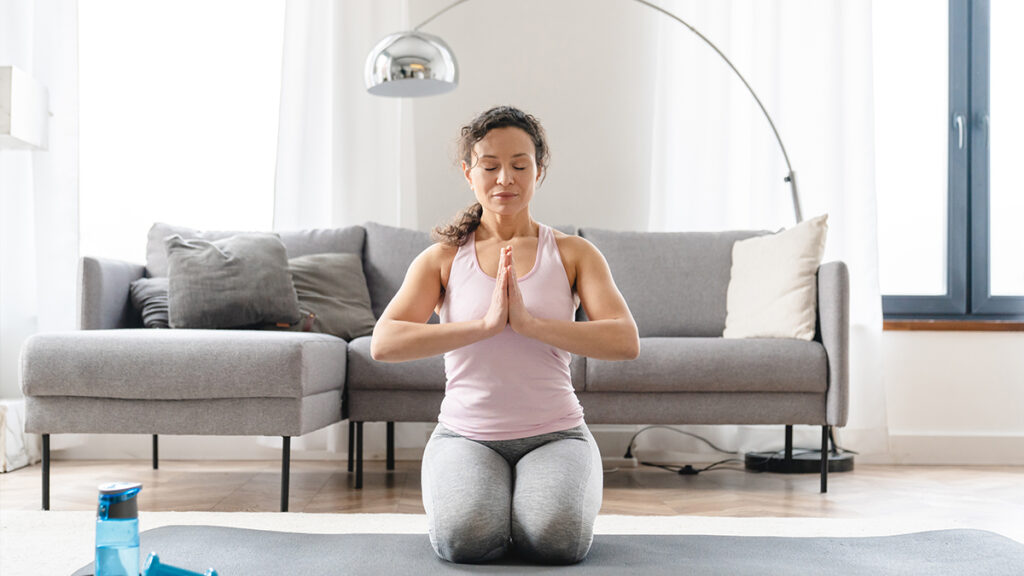
One of the simplest yet most powerful ways to establish a home yoga practice is by choosing a space dedicated to it. This doesn’t need to be a large or extravagant area—even a small corner of your room can serve as a sanctuary if it is quiet and uncluttered. The key is consistency. By designating a space for yoga, you train your mind to associate that environment with focus and peace.
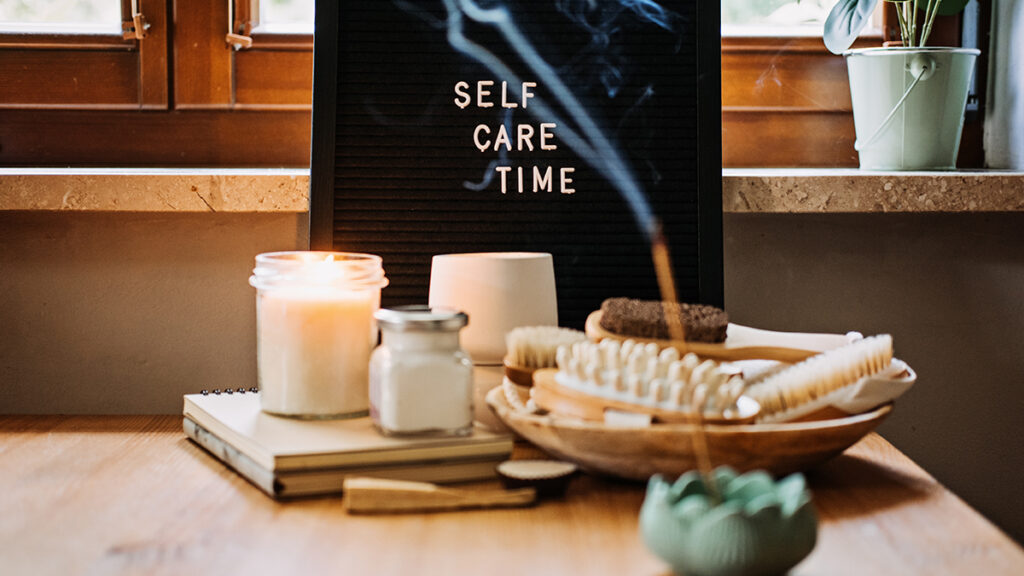
Enhancing your yoga space with small touches can also make a difference. Natural light, calming colors, indoor plants, incense, or a candle can help create a soothing atmosphere. The aim is not luxury but intentionality—crafting a space that immediately signals presence and mindfulness the moment you step into it.
Gathering Essential Equipment
One of the reasons yoga is so accessible is that it requires very little equipment. At its core, all you truly need is a reliable yoga mat. A good mat offers comfort and stability, ensuring your body feels supported. While yoga studios often use props such as blocks, straps, or bolsters, beginners at home can substitute these with everyday items like cushions, pillows, or belts. What matters most is that your equipment feels functional and comfortable.
Similarly, you don’t need to invest in expensive workout clothing. Loose, breathable, and comfortable attire is enough. By keeping your practice simple and approachable, you eliminate barriers and make it easier to build consistency.
Building a Home Yoga Routine
Beginning with Breath
The true foundation of yoga is the breath. Before mastering physical postures, it is helpful to focus on pranayama, or breath control. Simple breathing exercises such as deep belly breathing, alternate nostril breathing, or even mindful observation of the breath help calm the nervous system and ground the mind. Beginning each session with a few minutes of focused breathing helps create a bridge between daily life and your practice, allowing you to settle into stillness before moving into physical poses.
Learning Basic Postures
When starting at home, it is best to focus on foundational poses that are accessible and effective. Simple postures like Mountain Pose, Child’s Pose, Cat-Cow, and Downward-Facing Dog introduce you to alignment and balance while helping you connect movement with breath. These poses may look basic, but they form the building blocks of more advanced sequences.
Approach each posture gently, without the expectation of perfection. Yoga is not a competition—it is an act of self-care. Over time, as your awareness grows, you will notice subtle improvements in strength, flexibility, and balance.
Establishing Consistency
The biggest challenge in practicing yoga at home is not learning the poses—it is staying consistent. Unlike studio classes, there is no external structure holding you accountable. To build consistency, commit to a realistic schedule. This might be ten minutes each morning, fifteen minutes during lunch, or half an hour in the evening. The length matters less than the regularity. Even short, consistent practices can have profound effects on both body and mind.
Consistency transforms yoga from a task into a ritual. Over time, you will begin to look forward to this sacred pause in your day, where you step away from distractions and reconnect with yourself.
Using Resources to Support Your Practice
Online Classes and Apps
Thanks to the digital age, yoga has become more accessible than ever. Countless online classes, apps, and streaming platforms provide guided sessions for every level—from beginner to advanced. Following video instructions helps ensure proper alignment and safety, while also adding variety to your practice. Whether you prefer gentle restorative yoga, energetic vinyasa flows, or meditation-focused sessions, virtual resources allow you to experiment with different styles from the comfort of your home.
Books and Self-Guided Study
For those who prefer independent learning, books and written guides are invaluable. They provide detailed explanations of postures, breathing techniques, and the deeper philosophy behind yoga. Studying in this way encourages reflection and self-discovery, allowing you to understand yoga not just as movement but as a lifestyle. Pairing reading with practice also helps you deepen your knowledge while staying inspired.
Cultivating the Right Mindset
Letting Go of Perfectionism
One of the biggest obstacles beginners face is the belief that yoga requires perfection. In reality, yoga is about authenticity, not performance. Each time you step onto your mat, you are showing up for yourself, and that in itself is a victory. Progress comes gradually, and the beauty of yoga lies in the journey rather than the destination.
Letting go of perfectionism allows you to practice with curiosity and compassion. Rather than striving to achieve “the perfect pose,” you focus on how your body feels in the moment. This shift in mindset opens the door to deeper growth and enjoyment.
Practicing Self-Compassion
Yoga at home should be rooted in kindness toward yourself. Some days you may feel energized and flexible, while other days your body might feel heavy or distracted. Self-compassion means honoring these fluctuations without judgment. By listening to your body and respecting its limits, you transform yoga into a practice of healing instead of pressure. Small progress deserves to be celebrated, and every step on the mat contributes to long-term growth.
Integrating Yoga Into Daily Life
Beyond the Mat
The influence of yoga extends far beyond your practice sessions. Once you begin cultivating awareness on the mat, it naturally spills into daily life. Simple practices like pausing for mindful breathing during stressful moments, correcting your posture while working at a desk, or practicing gratitude before sleep are ways yoga integrates into everyday living. Over time, the calmness and clarity developed through yoga create ripples of balance in relationships, work, and personal well-being.
Yoga as a Lifestyle
Yoga is not only a form of physical exercise—it is a lifestyle guided by values such as mindfulness, compassion, and simplicity. For some practitioners, this expands into mindful eating, meditation, journaling, or even adopting ethical choices inspired by yoga’s philosophy. Practicing yoga at home therefore becomes more than a routine—it shapes how you live, make decisions, and connect with others.
Overcoming Common Challenges
Distractions at Home
One of the most common difficulties with home practice is dealing with distractions. Family responsibilities, household noise, or the lure of digital devices can all interfere with focus. To manage this, set clear boundaries. Choose a consistent time for practice, let others in your household know when you need quiet, and silence notifications. Over time, these habits will create a rhythm that makes your practice more resilient to interruptions.
Staying Motivated
Motivation is rarely constant, and there will be days when rolling out your mat feels challenging. On such days, remind yourself that yoga does not need to be elaborate. Even five minutes of gentle stretching or mindful breathing can be meaningful. By lowering expectations and focusing on enjoyment rather than performance, it becomes easier to sustain motivation. Remember: yoga is not about how much time you spend, but about showing up with presence.
The Long-Term Benefits of Practicing Yoga at Home
Physical Well-Being
Consistent yoga practice brings tangible benefits to the body. It improves flexibility, strengthens muscles, enhances posture, and increases balance. Over time, yoga can reduce aches, ease tension, and improve mobility. Practicing at home also gives you the freedom to customize sequences to target specific needs, such as relieving back pain, reducing fatigue, or boosting energy.
Mental and Emotional Balance
Yoga is widely recognized for its profound impact on mental health. Through its focus on breath and mindfulness, it reduces stress, lowers anxiety, and calms the mind. Practicing at home provides a safe and nurturing environment where you can release tension and restore inner peace. For many people, yoga becomes a daily anchor that fosters emotional stability and resilience in the face of life’s challenges.
Personal Growth and Self-Discovery
Perhaps the most transformative aspect of yoga at home is the opportunity for self-discovery. Without external distractions, you begin to turn inward and explore your thoughts, emotions, and patterns. This reflective quality makes yoga not just an exercise, but a journey into self-awareness. Over time, you may find yourself more grounded, more compassionate, and more connected to your true self.
Conclusion
Starting a yoga practice at home is both empowering and deeply rewarding. It requires very little—a mat, a quiet space, and the willingness to begin. By creating an environment that supports mindfulness, utilizing resources such as online classes or books, and approaching the practice with self-compassion, anyone can build a routine that feels both sustainable and fulfilling.
Yoga at home is not about achieving perfection or mastering advanced postures. Instead, it is about cultivating presence, balance, and authenticity. With consistency, the benefits extend far beyond the mat, influencing how you approach challenges, relationships, and daily life. Whether your goal is physical health, stress relief, or spiritual growth, yoga offers a personal and transformative path.
Ultimately, the beauty of practicing yoga at home lies in its simplicity. It teaches you that peace and strength are not found outside of you, but within. By beginning this journey in your own living space, you open the door to a lifelong practice of mindfulness, resilience, and self-discovery.