Creating a Home Sanctuary for Wellness

Introduction: Why Your Home Should Be Your Healing Space
In today’s hyper-connected world, where digital notifications compete for our attention and the pace of life rarely slows, the meaning of “home” is shifting. It is no longer just a place to eat and sleep; it is increasingly being recognized as a sanctuary—a space for restoration, balance, and inner peace. The idea of home as a wellness hub has taken root, blending the science of environmental psychology with traditions of mindfulness and self-care.
More than a design movement, this shift represents a lifestyle transformation. A wellness-centered home nurtures physical, mental, and emotional health by shaping the atmosphere we live in every day. The light that enters through your windows, the textures you touch, the colors that surround you, the air you breathe, and even the arrangement of your furniture all influence how you feel, think, and function. By making intentional choices about these elements, you can design a living space that actively supports your well-being.
This is not about expensive renovations or chasing perfection in décor. It is about creating an environment that aligns with your values and daily rhythms. Whether you reside in a cozy studio apartment or a spacious family home, thoughtful adjustments can transform your surroundings into a true sanctuary. In this guide, we will explore the foundations of a wellness-focused home, from light and air to color, nature integration, decluttering, and sensory enrichment, giving you practical tools to cultivate a living space that feels restorative, grounding, and deeply personal.
The Foundations of a Wellness-Centered Home
Understanding the Connection Between Space and Well-Being
The environments we inhabit influence our emotional states more than most people realize. Studies in environmental psychology confirm that clutter, harsh lighting, or poor air quality can heighten stress, fatigue, and irritability. Conversely, balanced spaces—those designed with harmony and intentional flow—can lower cortisol, improve focus, and even regulate blood pressure.
Your home should be a partner in your wellness journey, not a source of additional strain. A true sanctuary soothes the senses, allows the body to relax, and provides mental clarity. This requires attention to core elements like natural lighting, ventilation, acoustics, and organization. When these factors are thoughtfully curated, home becomes a place of replenishment rather than exhaustion.
Designing with Intentionality
At the heart of creating a wellness-oriented home lies intentionality. This means every object and design choice carries meaning, rather than simply filling space. Unlike minimalism, which emphasizes “less,” intentional design emphasizes alignment—choosing what supports your lifestyle and releasing what does not.
For someone who values relaxation, intentional design might involve calming color schemes, soft textures, and a designated reading nook. For another focused on physical vitality, intentional design could include an open area for yoga or a home gym corner. The process is personal, but the principle remains the same: a home designed with purpose reflects your values and supports your health.
Light and Air: The Essential Elements of Wellness
Maximizing Natural Light
Few design elements impact well-being as profoundly as natural light. Exposure to daylight regulates circadian rhythms, boosts serotonin levels, and enhances productivity. Position your desk or reading chair near a window where sunlight streams in, and use sheer curtains to diffuse light gently rather than block it. Mirrors can be strategically placed to reflect natural light deeper into the room, brightening dim spaces.
For those living in areas with limited sunlight, particularly during winter months, full-spectrum LED lights or daylight lamps are valuable tools. These simulate the spectrum of natural sunlight and can help ward off seasonal affective disorder while maintaining consistent energy and mood levels.
Prioritizing Fresh Air and Ventilation
Air quality inside the home often goes unnoticed, yet it has direct effects on respiratory health, sleep quality, and energy. Poor ventilation and pollutants from dust, mold, or chemical cleaning agents can compromise well-being. One simple yet effective solution is to open windows daily, even for just 10 minutes, to let fresh air circulate.
Incorporating air-purifying plants such as snake plants, spider plants, or peace lilies can naturally filter toxins. For urban dwellers where outdoor air quality may be poor, investing in a HEPA air purifier ensures clean, breathable air. Aromatherapy diffusers with essential oils like peppermint or eucalyptus can further freshen the atmosphere while supporting relaxation and clarity.
The Role of Color and Texture in Wellness
Calming Color Palettes
Color is a silent influencer of mood and energy. Subtle greens, muted blues, and soft earth tones are particularly effective in cultivating tranquility. These colors calm the nervous system, making them ideal for bedrooms, meditation corners, or reading areas.
Earthy shades like terracotta or sand can create a grounding effect, while pastels like lavender or blush bring lightness without overstimulation. In contrast, bold shades such as neon or bright red, while invigorating, can disrupt rest and are better suited to creative or activity-oriented spaces rather than areas of relaxation.
Inviting Textures
Texture adds depth to your home’s sensory experience. Cozy wool throws, linen cushions, and cotton bedding invite comfort, while wooden furniture or stone surfaces ground you in nature. Smooth ceramics or glass accents provide contrast, balancing softness with structure. A thoughtful layering of textures not only enhances aesthetics but also makes your space feel tactile, inviting, and alive.
Decluttering as a Wellness Ritual
The Mental Health Benefits of an Organized Space
Clutter drains energy. It overwhelms the senses, creates visual chaos, and even increases stress hormones. Decluttering is not about minimalism alone—it is about clarity. By releasing unnecessary items, you create mental and emotional space as much as physical room.
Focus first on high-use areas like the bedroom, kitchen, and living room. Ask yourself whether each object serves a purpose or brings joy. The act of letting go becomes therapeutic, instilling a sense of control and lightness. With fewer distractions, your mind feels calmer, and your daily routines become smoother.
Mindful Storage Solutions
Organization supports wellness by creating flow and reducing decision fatigue. Woven baskets, modular shelving, and neatly labeled containers provide structure while keeping aesthetics intact. Clear countertops, open pathways, and intentional display areas ensure that what remains in your home has meaning. Empty space, too, becomes powerful—a reminder that calmness often comes from simplicity.
Bringing Nature Indoors
The Power of Biophilic Design
Humans have an innate desire to connect with nature, a principle known as biophilia. Integrating natural elements into your home has been shown to reduce stress, improve creativity, and foster emotional balance. Indoor plants are a simple yet effective way to embrace biophilic design. Beyond their beauty, they enhance air quality and provide a sense of calm.
Start with easy-care plants like pothos, aloe vera, or succulents. For those seeking more involvement, create mini indoor gardens or experiment with vertical planters. Even a vase of fresh flowers can transform the energy of a space, reminding you of life’s cycles and beauty.
Natural Materials and Finishes
Incorporating materials like bamboo, cork, stone, or reclaimed wood deepens the natural feel of a home. These materials bring textures and patterns reminiscent of the outdoors, grounding the space with authenticity. Sustainable choices also align your home with eco-conscious living, further enhancing the sense of harmony.
Creating Spaces for Rest and Reflection
The Bedroom as a Sleep Sanctuary
Sleep is the foundation of health, and your bedroom should be designed to honor that. Blackout curtains, cool room temperatures, and high-quality mattresses and bedding create the optimal environment for restorative rest. Choose breathable fabrics like cotton or linen, and avoid clutter around the bed to promote serenity.
Equally important is minimizing technology in the bedroom. Blue light from devices suppresses melatonin production, delaying sleep cycles. A phone-free bedtime ritual with gentle lighting, soothing scents, or light reading supports deeper rest.
Meditation and Mindfulness Corners
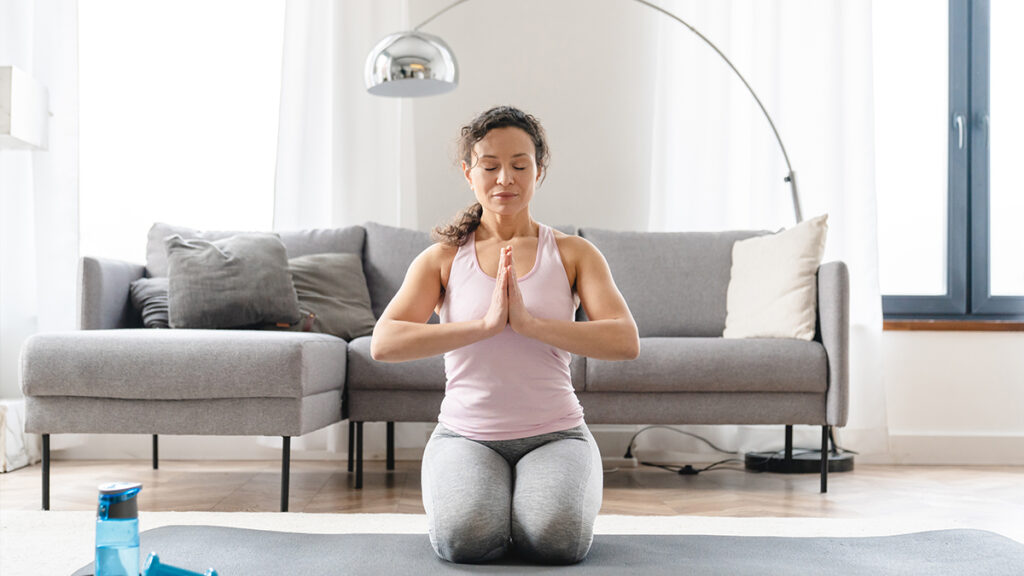
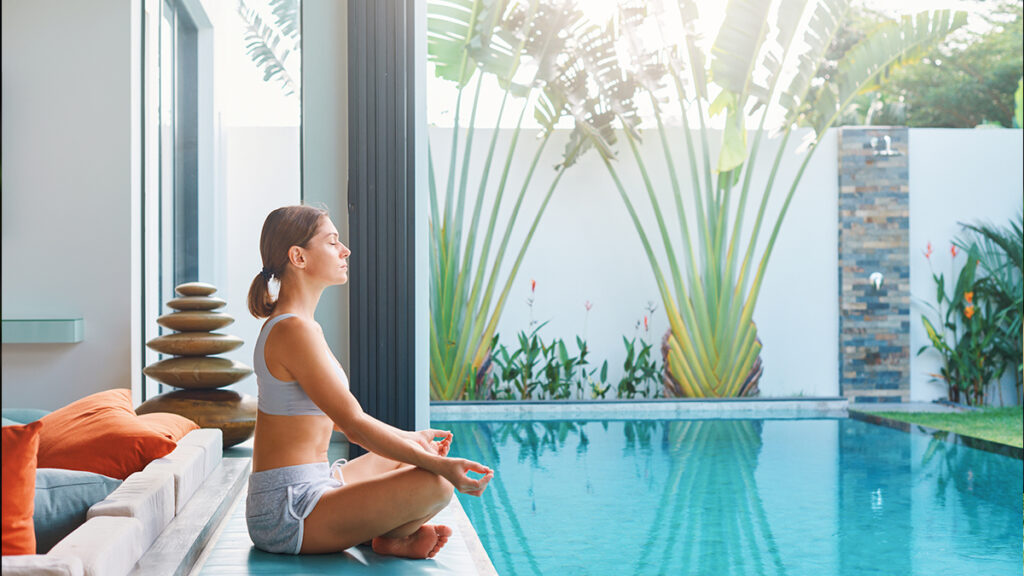
Even the smallest home can include a space for stillness. A meditation cushion by a window, a yoga mat tucked into a corner, or a cozy chair with a journal nearby can serve as your mindfulness spot. Surrounding this space with calming objects—perhaps candles, plants, or meaningful artwork—creates an atmosphere that encourages introspection and calm.
Nourishment and the Kitchen as a Wellness Hub
Designing for Healthy Eating
The kitchen is where physical wellness begins. By organizing it thoughtfully, you can encourage healthy eating habits. Keep fresh produce visible in fruit bowls, display jars of whole grains and legumes, and position healthier snacks at eye level.
Cooking in a clean, inspiring space with natural materials—wooden spoons, ceramic dishes, or herb planters by the window—makes meal preparation a joyful ritual rather than a chore. When your kitchen invites nourishment, your relationship with food becomes more mindful and aligned with wellness.
Sound, Scent, and Sensory Well-Being
The Role of Sound in Relaxation
Soundscapes influence our emotional states profoundly. Gentle instrumental music, nature sounds like rainfall or ocean waves, or white noise machines can reduce stress and create an environment of calm. Conversely, reducing exposure to disruptive noises—whether through soundproofing, soft textiles, or noise-canceling devices—helps preserve tranquility.
Aromatherapy for Emotional Balance
Scents are directly linked to memory and mood through the limbic system of the brain. Essential oils such as lavender, chamomile, and sandalwood promote relaxation, while citrus oils like orange or bergamot uplift and energize. Diffusers, soy candles, or even simmer pots with herbs and spices can create an olfactory landscape that supports your wellness goals and enhances the sensory richness of your home.
Conclusion: Your Home as a Daily Source of Renewal
Creating a home sanctuary is not about expensive design or perfection—it is about intention. Each choice you make, from the light you invite in to the colors you surround yourself with, contributes to how you feel and function. A wellness-focused home nurtures your body with clean air and restful sleep, calms your mind through order and sensory comfort, and uplifts your spirit through connection with nature and mindful rituals.
As your life evolves, so too can your sanctuary. It is a dynamic reflection of your needs and values, one that grows with you. In a world that constantly demands more, your home should be the place that restores, grounds, and reminds you of what truly matters. When you step inside and feel the stress of the day melt away, you will know you have created more than just a house—you have cultivated a sanctuary where wellness begins.