Decluttering your home for a peaceful mind

Introduction
The spaces we inhabit deeply influence how we think, feel, and behave. A cluttered home can feel heavy, distracting, and overwhelming, while an organized environment promotes clarity, calm, and focus. This connection between surroundings and mental well-being is not just anecdotal. Psychologists and neuroscientists have found that cluttered environments can raise stress levels, lower productivity, and even disrupt sleep. In contrast, simplifying and decluttering living spaces fosters peace of mind and emotional balance.
Decluttering is not just about tidying up or creating picture-perfect interiors. It is about redefining our relationship with possessions, breaking free from excess, and curating spaces that support rather than sabotage mental well-being. At its heart, decluttering is an act of mindfulness and self-care. It encourages slowing down, reflecting on what truly matters, and designing environments that nourish inner calm.
This article explores the psychology of clutter, the science-backed benefits of a simplified home, and practical strategies for creating a living space that supports peace and harmony.
The Psychology of Clutter and Mental Health
How Clutter Impacts the Mind
Clutter is not only physical—it also takes a toll mentally. Every object in the home occupies a bit of cognitive space, whether consciously noticed or not. When surrounded by excess, the brain struggles to filter the visual chaos, leading to overwhelm and fatigue. Research from UCLA’s Center on Everyday Lives of Families revealed that mothers in cluttered homes had higher levels of cortisol, the stress hormone, compared to those in more organized spaces.
This constant visual noise burdens the brain’s executive function—the system responsible for focus, decision-making, and memory. Even when clutter isn’t actively on the mind, it signals disorganization and unfinished tasks, making true relaxation difficult. In many ways, clutter acts as a form of mental weight, quietly draining emotional and cognitive resources.
Emotional Attachments and Resistance to Decluttering
One reason people resist decluttering is because possessions often hold emotional significance. Objects can remind us of loved ones, milestones, or personal achievements. Others represent aspirations—like books we intend to read or clothes we hope to wear someday. Holding on to these items may spark guilt or anxiety, as they serve as reminders of unfinished goals.
Recognizing this resistance is key. Decluttering is not about discarding memories but about identifying which items actively support present well-being. When reframed as an opportunity to create peace rather than a loss of value, the process shifts from deprivation to intentional living.
The Benefits of a Decluttered Home
Reduced Stress and Anxiety
One of the most immediate effects of decluttering is a noticeable reduction in stress. An organized home sends calming signals to the brain, helping it relax rather than remain in constant overdrive. Walking into a tidy living room or bedroom generates feelings of order and control, countering the chaos of the outside world.
Decluttering also reduces decision fatigue. With fewer items to manage, less time is spent searching for things or deciding what to wear. This clarity frees up mental energy for more meaningful pursuits and diminishes the small, daily stressors that accumulate in cluttered spaces.
Improved Sleep Quality
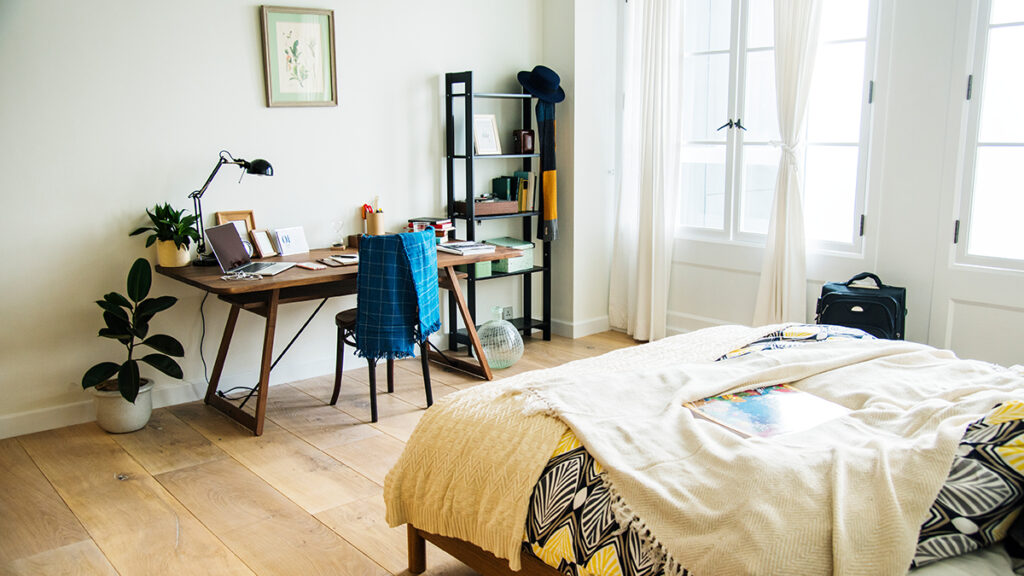
Bedrooms filled with clutter often undermine rest. Piles of laundry, stacks of books, and scattered electronics silently remind us of unfinished tasks. Studies have linked messy sleeping environments to difficulty falling asleep and poor sleep quality. By simplifying and decluttering the bedroom, the mind receives clearer cues to relax and prepare for rest.
A calm, minimal sleeping space encourages the body’s natural rhythms and makes restorative sleep easier to achieve.
Enhanced Productivity and Creativity
Clutter-free spaces fuel productivity and creativity. With fewer distractions, the brain focuses better and tasks are completed more efficiently. Research shows that tidy environments improve accuracy and efficiency, while creativity flourishes when the mind has space to explore without constant interruptions from visual clutter.
Whether it’s a clear desk or an organized kitchen, decluttered environments free mental bandwidth for solving problems, generating ideas, and engaging fully in the moment.
Decluttering as a Mindful Practice
The Connection Between Minimalism and Mindfulness
Decluttering aligns closely with mindfulness, which is about being present and aware. Going through possessions invites reflection: Why do I own this? Does it bring joy, serve a purpose, or align with my values? These questions mirror mindfulness practices of observing thoughts and emotions without judgment, ultimately providing clarity about priorities.
Minimalism, often linked to decluttering, emphasizes intentional living. It values quality over quantity and focuses on experiences, growth, and relationships instead of material accumulation. Practicing mindful decluttering nurtures both physical space and mental spaciousness.
Emotional Release Through Letting Go
Letting go of possessions can be a form of emotional release. Objects tied to past regrets, relationships, or unmet aspirations may carry lingering emotional weight. Choosing to release them creates symbolic closure and makes room for new experiences. This practice encourages resilience and acceptance, teaching the value of moving forward without unnecessary baggage.
Decluttering also fosters gratitude. By keeping only items that genuinely add value, perspective shifts from scarcity to abundance. Gratitude deepens contentment and amplifies the peace found in a simplified space.
Creating a Peaceful Home Environment
The Role of Space in Mental Clarity
Homes should serve as sanctuaries, offering comfort and reprieve from external demands. A decluttered space provides visual calm and psychological relief. Just as still water reflects clearly, uncluttered spaces allow the mind to settle and gain clarity.
When belongings have designated places and unnecessary excess is removed, daily routines flow with greater ease. Less time is spent searching, less effort is required to maintain order, and more moments can be enjoyed in peace. This harmony transforms the home into a foundation for well-being.
Designing Spaces That Support Well-Being
Decluttering is not about perfection. It is about creating environments that reflect personal values and support well-being. For some, this means adopting minimalism with open spaces and simple designs. For others, it involves curating meaningful objects that inspire without overwhelming.
The key lies in intentionality. Surround yourself only with items that add value—practical, aesthetic, or emotional. By doing so, your environment tells your story, fosters joy, and supports mental health.
Overcoming Challenges in Decluttering
Facing Emotional Resistance
Emotional attachment is one of the greatest hurdles in decluttering. Many items hold sentimental value or represent investments of money and time. Acknowledging this resistance is important, but it should not block progress.
A gradual approach often works best. Start with areas that hold less emotional weight and build momentum. Experiencing the relief of cleared space in one area provides encouragement to tackle more difficult possessions later. Progress in small steps makes decluttering sustainable rather than overwhelming.
Avoiding Perfectionism
Another challenge is perfectionism—the idea that decluttering requires creating a flawless, minimalist home. This belief often leads to procrastination or frustration. Instead, decluttering should be viewed as an ongoing process, not a one-time event.
A peaceful home is not measured by strict standards but by how it feels. The aim is not to eliminate everything but to reduce excess and cultivate harmony. By focusing on progress rather than perfection, the process becomes empowering and achievable.
Decluttering as a Lifestyle
Building Sustainable Habits
Decluttering is most effective when treated as a lifestyle shift rather than a temporary project. To maintain a peaceful home, sustainable habits are necessary. Practices such as returning items to their places, regularly evaluating possessions, and being mindful about new purchases prevent clutter from creeping back in.
Conscious consumption is especially important. Before buying, ask whether an item truly adds value or simply contributes to clutter. By aligning habits with intentional living, a sustainable cycle is created that preserves peace and prevents overwhelm.
Extending Decluttering Beyond the Home
Decluttering principles extend far beyond physical possessions. Digital clutter—like endless notifications, crowded inboxes, and disorganized files—can weigh on the mind. Simplifying technology use by organizing files, unsubscribing from unnecessary emails, and setting digital boundaries provides similar relief as clearing a physical space.
Decluttering also applies to schedules and commitments. Reducing unnecessary obligations and prioritizing meaningful relationships creates not just a peaceful home but a peaceful life.
Conclusion
Decluttering is more than an act of organization—it is a pathway to peace of mind. Studies and psychology confirm that our environments influence how we think, feel, and function. By clearing excess, stress is reduced, sleep improves, productivity rises, and emotional balance is restored. Decluttering introduces mindfulness into daily life, encouraging intentional choices and gratitude for what truly matters.
Though challenges exist—emotional resistance and perfectionism—the process is ultimately liberating. A decluttered home becomes a sanctuary of calm, supporting clarity, focus, and joy. By embracing decluttering as an ongoing lifestyle rather than a one-time task, sustainable habits form that enhance every aspect of life.
Ultimately, decluttering is not just about creating more space in your home. It is about opening space in your mind and heart, allowing you to design a life rooted in clarity, simplicity, and peace.