Minimalist lifestyle benefits for mental health


Introduction
In today’s fast-moving world, many people feel weighed down by endless responsibilities, possessions, and the constant desire for more. From cluttered living spaces to overpacked schedules, modern life often pushes us into a culture of excess that can harm mental health. Stress, anxiety, and burnout have become common experiences, leading people to seek alternatives that can bring them peace and balance. Minimalism has grown into one such alternative—a lifestyle that promotes mental clarity, emotional well-being, and a deeper sense of purpose. It is not just a passing trend but a sustainable philosophy that focuses on what truly matters, offering significant mental health benefits.
Minimalism doesn’t mean living with bare walls and empty rooms. Instead, it is about making intentional choices, simplifying daily life, and focusing on essentials while letting go of unnecessary distractions. Through decluttering, mindful consumption, and conscious living, people often find more space for calm and happiness. For those striving to strengthen emotional resilience and mental health, minimalism presents a timely and practical path forward.
The Connection Between Minimalism and Mental Health
Reducing Mental Overload Through Decluttering
One of the most immediate benefits of minimalism is how it reduces mental overload. A cluttered home or workspace can reflect a cluttered mind, contributing to stress and anxiety. Research has shown that messy and disorganized environments overwhelm the senses and make it harder to concentrate. When every corner is filled with things demanding attention, the brain is constantly overstimulated, draining focus and energy.
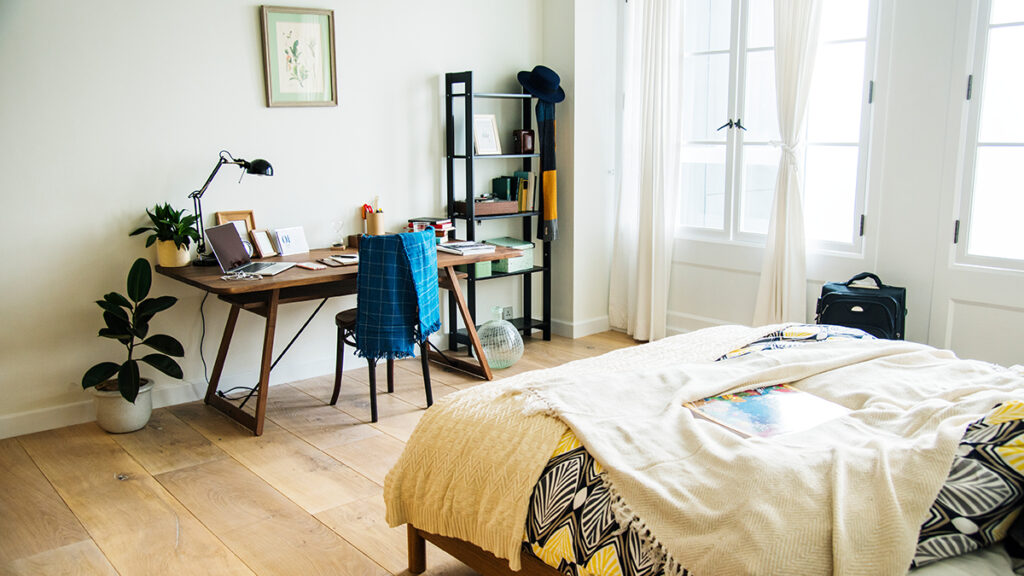
Minimalism changes this by encouraging the removal of unnecessary possessions and creating organized, open spaces. Decluttering not only clears physical areas but also helps the mind relax. Whether it’s simplifying a wardrobe, keeping a tidy kitchen, or maintaining a clutter-free desk, the quietness of minimalism fosters calmness and clearer thinking. This connection between outer order and inner peace explains why so many people feel relief once they adopt minimalist practices.
The Psychological Power of Simplicity
Life’s complexity can be mentally exhausting. Every decision—from choosing what to wear in the morning to organizing a daily routine—contributes to decision fatigue. Minimalism eases this strain by reducing unnecessary choices and creating a more straightforward lifestyle. With fewer distractions, fewer possessions to maintain, and simpler routines, mental energy can be saved for meaningful experiences and goals.
Minimalism also supports mindfulness, as both approaches focus on intentional living. By reducing distractions, minimalism allows individuals to engage more fully with the present. This mindfulness improves self-awareness, reduces future-oriented anxiety, and lessens regrets tied to the past. Together, simplicity and mindfulness create a stronger foundation for better mental health.
Emotional Benefits of a Minimalist Lifestyle
Creating Space for Inner Peace
When material possessions and social demands crowd life, finding inner peace becomes difficult. Minimalism offers space—both physical and emotional—by clearing away what isn’t essential. This creates room for meaningful relationships, experiences, and personal growth. By simplifying, people often experience greater emotional clarity and freedom.
Minimalism also reduces attachment to possessions, which lowers fear of loss. This makes it easier to handle life’s unpredictability and builds resilience in the face of stress. Instead of feeling trapped by external pressures, minimalists develop mental flexibility that supports long-term emotional stability.
Strengthening Gratitude and Contentment
Another emotional benefit of minimalism is how it nurtures gratitude. By shifting focus away from what is missing and toward what is present, people become more appreciative of life’s simple pleasures. A modest wardrobe highlights clothing’s usefulness and comfort, while a clean, pared-down home fosters gratitude for safety and comfort.
This shift reduces the need for comparison and the dissatisfaction fueled by consumer culture. Instead of chasing trends or unnecessary luxuries, minimalists often feel more content and fulfilled. This mindset not only enhances daily happiness but also protects against anxiety and depression that often stem from materialism.
Minimalism as a Tool for Stress Management
The Relief of Letting Go
Modern life often revolves around managing an ever-growing list of belongings and commitments. Every item owned requires attention—cleaning, organizing, or worrying about its upkeep. Similarly, social commitments and digital distractions drain energy. Minimalism promotes the art of letting go, whether that means donating unused items, declining obligations, or stepping back from technology.
Letting go provides relief and empowerment. It restores a sense of control over life, replacing overwhelm with balance. This practice also reinforces healthier choices, encouraging rest, creativity, and personal growth instead of constant busyness.
Slowing Down in a Fast-Paced World
The modern world often pressures people to stay connected and productive at all times, which fuels stress. Minimalism counters this by promoting a slower, more intentional way of living. By eliminating unnecessary tasks and possessions, people can focus on meaningful activities and create calmer routines.
Slowing down has powerful benefits: it enhances relaxation, improves sleep, and strengthens the ability to recover from stress. Since chronic stress contributes to anxiety and depression, adopting a slower lifestyle can significantly improve mental well-being.
Minimalism and Improved Focus
Sharpening Concentration
Clutter and constant distractions make it hard to focus and complete tasks. Minimalism helps by clearing both physical and mental spaces, creating an environment where concentration flourishes. For those struggling with productivity or attention, minimalism offers a practical path to clarity.
Beyond short-term focus, minimalism helps align attention with long-term values. By removing unnecessary tasks and distractions, people can commit energy to what truly matters, whether it’s relationships, creativity, or personal health. This sense of purpose enhances mental stability and reduces feelings of aimlessness.
Digital Minimalism and Mental Health
In today’s digital age, clutter isn’t only physical. Constant notifications, apps, and screen time create digital overload that can harm mental health. Digital minimalism—reducing online distractions, limiting screen time, and curating online interactions—has become essential for well-being.
Studies show excessive screen use is linked to anxiety, depression, and poor sleep. Digital minimalism helps break this cycle by restoring control, reducing cognitive overload, and encouraging more meaningful offline connections. By practicing digital mindfulness, individuals can reclaim time, energy, and emotional balance.
The Social and Relational Impact of Minimalism
Prioritizing Meaningful Relationships
Minimalism also shapes how people connect with others. Instead of spreading energy across endless social engagements, minimalists focus on authentic, deeper relationships. This quality-over-quantity approach leads to stronger bonds and a more supportive social network.
These intentional relationships support mental health by reducing loneliness and fostering resilience. With fewer shallow interactions, people can enjoy more genuine connections that ease social anxiety and enhance emotional well-being.
Shaping Identity Beyond Materialism
Society often ties identity to possessions—cars, clothing, homes, or gadgets. Minimalism challenges this mindset, encouraging people to build identity through values, experiences, and personal character. This shift reduces dependence on external validation and fosters a more stable sense of self.
By focusing on intrinsic fulfillment rather than material success, minimalists develop stronger self-confidence and less anxiety about image or status. This helps protect against the pressures and insecurities that come from comparison and consumer culture.
Minimalism and Mindfulness Practices
Enhancing Mind-Body Connection
Minimalism and mindfulness complement each other. Both emphasize presence, simplicity, and intentional living. A minimalist environment makes it easier to practice mindfulness—whether it’s enjoying a quiet meal, meditating in a clean space, or walking in nature without distraction.
This blend of minimalism and mindfulness benefits mental health by lowering stress, improving emotional regulation, and easing symptoms of depression. Minimalism provides the structure that allows mindfulness to become a daily habit rather than an occasional practice.
Creating Rituals of Simplicity
Minimalism also supports the creation of calming daily rituals. Simple practices, like enjoying a morning coffee in a tidy space or journaling before bed, feel more meaningful without clutter or distraction. These rituals bring stability and strengthen emotional well-being, reinforcing the mental health benefits of a minimalist lifestyle.
Overcoming Misconceptions About Minimalism and Mental Health
Minimalism is sometimes misunderstood as a restrictive or joyless lifestyle. Some critics view it as deprivation, but true minimalism is about intentionality, not denial. It is about choosing what adds value to life and removing what doesn’t. Far from limiting, it often leads to a greater sense of abundance—peace, clarity, and happiness.
Another misconception is that minimalism is only accessible to the wealthy. While it is sometimes portrayed through high-end design and aesthetics, its principles are universal. Simplifying routines, decluttering spaces, and focusing on relationships are practices available to anyone, regardless of income.
Conclusion
Minimalism offers far-reaching benefits for mental health by reducing clutter, simplifying life, and focusing on what truly matters. It helps alleviate stress, builds resilience, and strengthens focus, while also nurturing mindfulness, gratitude, and meaningful relationships. By redefining success and happiness away from possessions, minimalism supports a healthier and more fulfilling way of living.
In a society that constantly demands more, minimalism presents the transformative power of less—less distraction, less clutter, less stress, and ultimately, more meaning. For anyone seeking balance and clarity, adopting minimalist principles can be a life-changing step toward lasting well-being. Minimalism isn’t just about owning fewer things; it’s about reclaiming peace of mind, aligning with personal values, and embracing a life of deeper fulfillment.