How to Stay Calm in Stressful Situations

Introduction
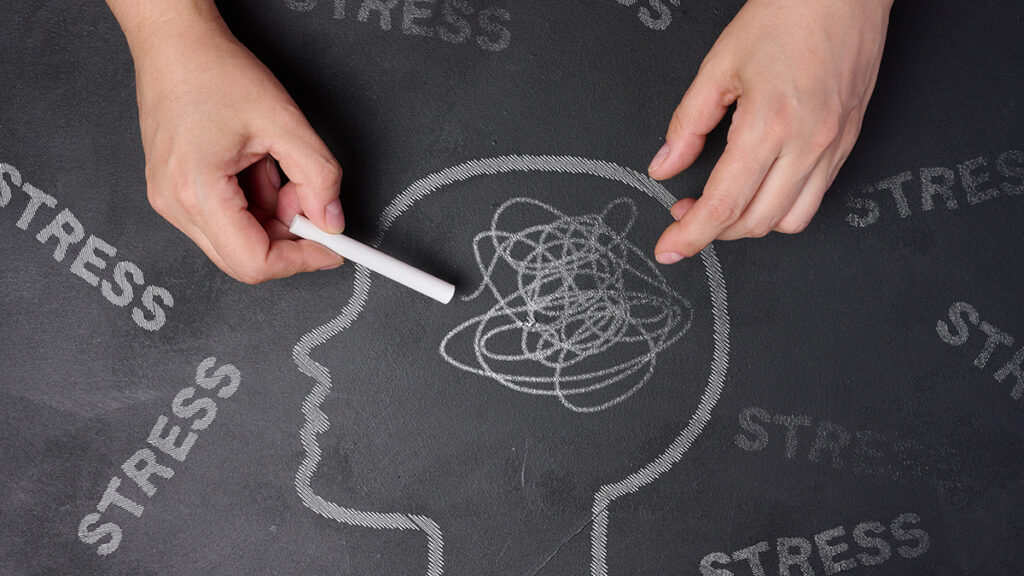
Stress is an unavoidable part of modern life. From looming deadlines and financial responsibilities to family challenges and unexpected setbacks, pressure has a way of showing up when we least expect it. Stress, in small bursts, can sometimes be useful—it sharpens focus and provides the energy needed to meet urgent demands. However, when stress becomes chronic or overwhelming, it can drain energy, cloud judgment, and leave people feeling powerless.
The ability to remain calm in stressful situations is not simply an innate trait reserved for a lucky few—it is a skill that can be learned, practiced, and strengthened over time. Calmness does not mean suppressing emotions or ignoring challenges. Instead, it involves managing internal reactions, maintaining perspective, and responding with clarity instead of reacting on impulse.
This article explores the science of stress, why cultivating calmness is essential, and practical strategies for managing stressful moments with balance and resilience. By the end, you will see that staying calm is not only possible but transformative—impacting your health, relationships, and overall well-being.
Understanding Stress and Its Effects
The Physiology of Stress
When the brain perceives a threat, whether physical or psychological, it activates the sympathetic nervous system. This triggers the release of hormones like cortisol and adrenaline, priming the body for action. Heart rate quickens, breathing becomes shallow, and muscles tense as the body prepares for fight-or-flight. While this response was critical for early humans facing predators, today it is often triggered by modern stressors: work conflicts, financial worries, or even the fear of failure.
Short-term stress can sharpen focus, but prolonged exposure to stress hormones disrupts the body’s equilibrium. Chronic stress weakens the immune system, raises blood pressure, increases the risk of heart disease, and impairs memory. Mentally, it fosters restlessness, irritability, and fatigue. Recognizing these effects highlights why managing stress is not just beneficial but necessary for a healthy life.
The Psychological Impact of Stress
Stress doesn’t just affect the body—it alters how we think and behave. In stressful situations, the prefrontal cortex, the part of the brain responsible for logic and self-control, loses influence, while the amygdala, the emotional center, takes over. This neurological shift explains why stress often leads to impulsive decisions, overreactions, and catastrophic thinking.
Understanding this interplay between brain and body is the first step toward calmness. Once you recognize that your reactions are partly biological, it becomes easier to create strategies to regain balance rather than letting stress dictate your choices.
Why Staying Calm Matters
Improved Decision-Making
Calmness provides the clarity needed for sound decisions. Under stress, urgency often drives hasty choices that overlook long-term consequences. By staying calm, the mind is better able to analyze options objectively, weigh potential outcomes, and choose responses that are thoughtful rather than fear-driven.
Enhanced Relationships
Stressful moments can easily strain relationships. A heated argument with a colleague, friend, or partner often escalates not because of the situation itself, but because emotions spiral out of control. Responding with calmness reduces tension, fosters understanding, and shows maturity. Calm people set the tone in conversations, making it easier for others to de-escalate and engage constructively.
Physical and Mental Health Benefits
Calmness is more than a mental state; it is a physiological safeguard. When composure is maintained, stress hormones subside, blood pressure stabilizes, and the body conserves energy. Over time, this reduces the long-term health risks associated with chronic stress. Mentally, calmness fosters resilience, equipping individuals to face future challenges without feeling overwhelmed.
Developing a Calm Mindset
Self-Awareness as the Foundation
Calmness begins with self-awareness. Noticing early signs of stress—tight shoulders, shallow breathing, rapid thoughts—creates an opportunity to intervene before emotions take over. Understanding your personal triggers, whether it’s criticism, deadlines, or conflict, equips you to prepare strategies for managing them. The simple act of naming what you are feeling (“I’m anxious,” or “I’m frustrated”) reduces its power and helps reframe the situation.
Reframing Stressful Situations
Perspective plays a critical role in how stress is experienced. A challenge initially perceived as overwhelming may feel more manageable when reframed. Instead of seeing a mistake as proof of failure, it can be seen as an opportunity to learn. Viewing obstacles as temporary rather than permanent helps maintain balance. Reframing is not about denying difficulty but about approaching it with curiosity and resilience rather than fear.
Techniques for Staying Calm in the Moment
The Power of Breathing
Breathing is one of the most powerful tools for calming the body quickly. Slow, deliberate breaths activate the parasympathetic nervous system, counteracting the stress response. Techniques such as diaphragmatic breathing or the 4-7-8 method (inhale for four seconds, hold for seven, exhale for eight) slow the heart rate and calm racing thoughts. Even two minutes of focused breathing can shift the body from panic to composure.
Grounding and Mindfulness
Mindfulness brings attention back to the present moment, breaking the cycle of worry about the past or future. Grounding techniques—like noticing five things you can see, four you can touch, three you can hear, two you can smell, and one you can taste—anchor awareness in reality. These simple practices prevent the mind from being hijacked by fear and restore a sense of stability.
Visualization and Positive Self-Talk
The brain often amplifies stress by replaying worst-case scenarios. Visualization flips this pattern by picturing positive outcomes or calming environments, such as a quiet beach or forest. Positive self-talk also builds confidence. Reminding yourself, “I’ve handled tough situations before, and I can do it again,” shifts the narrative from panic to empowerment. Over time, these mental practices rewire the brain to respond more calmly under pressure.
Long-Term Strategies for Cultivating Calmness
Building Emotional Resilience
Resilience is the ability to bounce back from setbacks. It is built through consistent practices like journaling, meditation, or therapy. Reflecting on challenges, learning from them, and accepting imperfection strengthens emotional muscles. The more resilience is cultivated, the less destabilizing stressful situations become.
Lifestyle Choices That Support Calmness
Daily habits profoundly shape stress management. Adequate sleep restores both body and brain, preparing them to handle challenges effectively. Exercise releases endorphins, natural mood boosters that counteract stress hormones. A balanced diet stabilizes energy levels, preventing mood swings caused by sugar spikes or poor nutrition. Together, these habits create a foundation of stability that makes calmness more accessible.
Setting Realistic Expectations
Unrealistic demands often create unnecessary stress. Learning to set achievable goals reduces pressure and prevents burnout. Managing time effectively, breaking tasks into smaller steps, and accepting that perfection is unattainable all foster calmer approaches to challenges. Calmness flourishes when expectations align with reality.
The Role of Mindset and Attitude
Cultivating Gratitude
Gratitude shifts focus from what is lacking to what is already present. By intentionally acknowledging small wins or positive aspects of life, stress loses some of its intensity. Gratitude journals, where individuals record daily things they are thankful for, have been shown to increase optimism and reduce anxiety. This mindset strengthens emotional stability and makes it easier to stay calm in stressful moments.
Acceptance and Letting Go
Calmness often requires letting go of what cannot be controlled. Many stressful situations stem from resistance to uncertainty. By practicing acceptance—acknowledging reality without judgment—individuals conserve energy for what can actually be changed. Letting go of excessive control fosters peace and reduces unnecessary tension.
Applying Calmness in Different Contexts
In the Workplace
Workplaces are hotbeds of stress, with tight deadlines, competing priorities, and interpersonal conflicts. Calmness at work improves focus, enhances leadership, and supports teamwork. Leaders who remain composed in high-pressure moments inspire confidence and encourage collaborative problem-solving, creating healthier work environments for everyone.
In Personal Relationships
Disagreements and conflicts are inevitable in close relationships. Calm responses prevent arguments from escalating and allow for constructive dialogue. Staying composed signals empathy and respect, making it easier to resolve issues and maintain trust. Over time, calmness becomes a key ingredient in stronger, more harmonious relationships.
During Unexpected Crises
Emergencies and crises test calmness more than anything else. Whether it is a sudden health issue, financial shock, or major life transition, remaining composed ensures clear decision-making. Calm individuals not only protect their own well-being but also serve as pillars of strength for those around them, providing reassurance and stability in uncertain times.
The Science of Calmness: How the Brain Learns to Relax
Neuroplasticity and Stress Response
The brain is adaptable, capable of rewiring itself through neuroplasticity. Just as repeated exposure to stress reinforces anxiety, regular practice of calming techniques strengthens neural pathways for relaxation. Over time, the brain becomes more efficient at returning to balance, making calmness a trained response rather than an accident.
Hormonal Balance and Calmness
Calm states reduce cortisol levels while boosting serotonin and dopamine—neurotransmitters associated with happiness and stability. This hormonal balance enhances mood, sharpens focus, and strengthens resilience. By practicing calmness consistently, individuals create a biological environment that supports long-term well-being.
Conclusion
Stress is inevitable, but suffering under its weight does not have to be. Calmness is not about ignoring challenges or pretending problems do not exist; it is about meeting them with clarity, resilience, and grace. By understanding how stress affects the body and mind, developing self-awareness, and practicing proven strategies, anyone can learn to stay calm in the face of adversity.
Calmness enhances decision-making, strengthens relationships, and safeguards both physical and mental health. More importantly, it transforms stressful situations into opportunities for growth and strength. Over time, practicing calmness shifts it from a temporary coping mechanism into a lasting trait—an anchor in the storms of modern life.
In a world that often feels relentless, calmness is one of the greatest skills you can develop. It is a gift not only to yourself but to those around you, inspiring confidence, promoting harmony, and opening space for thoughtful action. By choosing calmness daily, you cultivate resilience, clarity, and the grace to thrive—even when life feels most overwhelming.