Simple Stress Management Techniques

Introduction
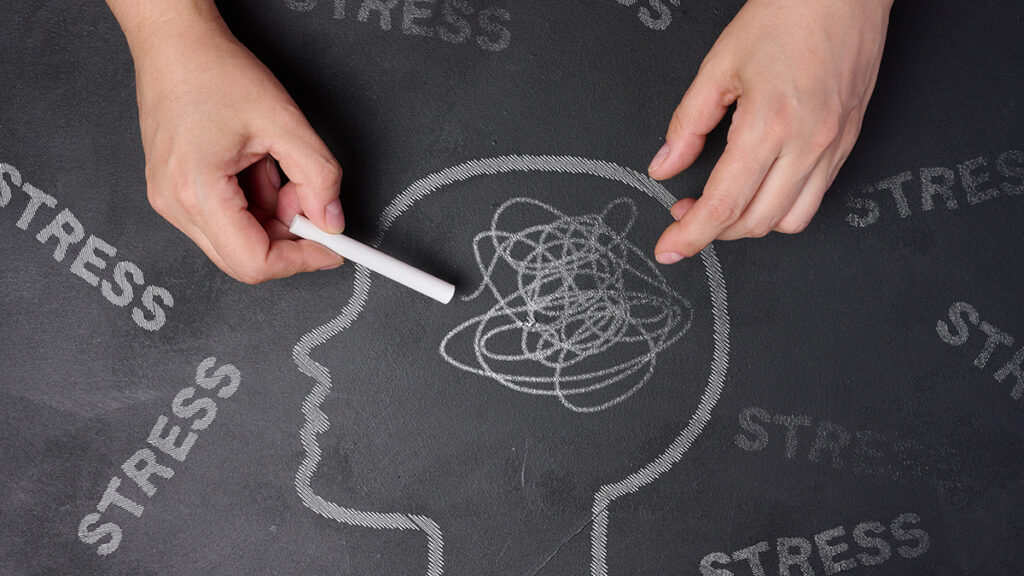
Stress has become one of the defining experiences of modern life. Demanding work schedules, financial pressures, family responsibilities, social commitments, and an endless stream of digital notifications combine to create a lifestyle that rarely pauses. In small doses, stress can be helpful—it sharpens focus, boosts performance, and motivates us to rise to challenges. But when stress becomes chronic, it wears down the mind and body. Sleep suffers, immunity weakens, productivity drops, and the risk of long-term health problems such as hypertension, anxiety disorders, and depression increases dramatically.
Managing stress, then, is not simply about short-term relief. It is about creating long-term strategies that bring balance, resilience, and peace of mind. The encouraging truth is that stress management does not have to involve complicated systems or costly therapies. Often, the simplest practices—done consistently—are the most effective. From mindful breathing and regular exercise to journaling, creative expression, and better sleep habits, these small shifts can restore balance and foster resilience.
In this article, we will explore what stress really is, how it affects the body and mind, and the simple yet powerful techniques anyone can integrate into daily life to reduce its burden and build long-term well-being.
Understanding Stress and Its Impact
The Science of Stress
Stress is, at its core, a natural survival mechanism. Known as the “fight-or-flight” response, it evolved to help humans respond to threats. When the brain perceives danger, it signals the release of hormones like cortisol and adrenaline. These chemicals prepare the body for immediate action—increasing heart rate, sharpening focus, and mobilizing energy.
In short bursts, this system is helpful. But in today’s world, where threats are often psychological—looming deadlines, financial concerns, or social expectations—the stress response is triggered far too often and for far too long. Chronic stress keeps cortisol and adrenaline levels high, straining every system in the body. Immunity weakens, digestion suffers, blood pressure rises, and sleep cycles are disrupted. Mentally, chronic stress fuels anxiety, lowers concentration, and makes emotional regulation more difficult.
Understanding this physiological impact highlights why stress management is not optional but essential for long-term health and performance.
Emotional and Behavioral Effects
Stress is not just physical; it is deeply emotional and behavioral. Irritability, mood swings, and difficulty focusing are some of the earliest signs. Many people feel overwhelmed, unable to make decisions or manage responsibilities. In an effort to cope, some withdraw socially, while others turn to unhealthy habits such as overeating, excessive alcohol, or overworking.
Unfortunately, these coping mechanisms often create more stress rather than less. Overeating leads to sluggishness, alcohol disrupts sleep, and constant overworking drains energy reserves. Recognizing these patterns is the first step toward choosing healthier, more sustainable strategies.
The Importance of Simple Stress Management
Accessibility and Consistency
A common misconception is that stress management requires elaborate practices, long retreats, or professional intervention. While those can be helpful, the reality is that the most effective strategies are often the simplest. Deep breathing, mindful pauses, daily walks, or moments of gratitude are accessible to nearly everyone. Their simplicity makes them easy to practice consistently, and consistency is what delivers long-term benefits.
Building Resilience
Managing stress is not only about immediate relief; it is about building resilience. Resilience is the ability to adapt, recover, and grow in the face of stressors. By practicing simple techniques regularly, individuals train their minds and bodies to remain calm under pressure, bounce back more quickly from setbacks, and approach challenges with clarity rather than panic. Over time, these practices strengthen emotional stability and enhance overall quality of life.
Relaxation Techniques for Stress Relief
Deep Breathing and Mindful Pauses
The breath is one of the most powerful tools for calming stress. When we are anxious, breathing becomes shallow and rapid, reinforcing the body’s stress response. Deep, intentional breathing reverses this process by slowing the heart rate, lowering blood pressure, and calming the nervous system.
Taking just five minutes to focus on slow, deep breaths can reset the body and mind. Mindful pauses—stepping away from tasks to breathe and re-center—create small but meaningful breaks in the cycle of stress. Practiced consistently, these moments of calm accumulate, shifting overall stress levels and improving resilience.
Meditation and Mindfulness
Meditation has been used for centuries to quiet the mind, and modern science confirms its value in managing stress. By training attention on the present moment, meditation reduces rumination, decreases anxiety, and fosters emotional balance. Mindfulness meditation, in particular, encourages observing thoughts without judgment. Instead of reacting automatically to stress triggers, individuals learn to notice them and let them pass.
Even short daily sessions of 10–15 minutes can have profound effects. Beginners can explore guided meditations or apps that provide structured support. Over time, meditation becomes a habit that creates clarity, patience, and resilience.
Progressive Muscle Relaxation
Stress often lodges itself in the body, showing up as tight shoulders, clenched jaws, or tension in the back. Progressive muscle relaxation is a technique that systematically tenses and releases different muscle groups, bringing awareness to where stress is stored. This not only eases physical discomfort but also creates a sense of deep calm. Regular practice improves sleep, reduces pain, and enhances overall relaxation.
The Role of Lifestyle in Stress Management
Physical Activity and Movement
Exercise is one of the most reliable natural stress relievers. Physical activity lowers cortisol levels, releases endorphins (the brain’s natural mood elevators), and provides an outlet for pent-up energy. Regular movement also improves sleep, boosts self-confidence, and enhances focus.
Stress relief does not require intense workouts. Simple activities such as walking, stretching, yoga, or dancing can be equally effective. The key is consistency. By incorporating small bursts of movement throughout the day—taking the stairs, walking during lunch breaks, or stretching before bed—stress levels are gradually reduced, and energy is restored.
Nutrition and Hydration
Food has a profound effect on how the body handles stress. Diets heavy in caffeine, sugar, and processed foods can increase mood swings and worsen anxiety. In contrast, whole foods—vegetables, fruits, lean proteins, healthy fats, and whole grains—stabilize blood sugar, provide key nutrients for brain health, and support emotional balance.
Hydration is equally important. Even mild dehydration can elevate cortisol levels, intensifying stress responses. By drinking enough water and maintaining balanced nutrition, the body is better equipped to face daily challenges with steadiness and clarity.
Sleep and Recovery
Sleep is the foundation of resilience. Chronic sleep deprivation heightens sensitivity to stress, weakens the immune system, and reduces focus and decision-making ability. Building healthy evening routines—such as limiting screen time, creating a calming environment, and practicing relaxation techniques—helps improve sleep quality. Rested minds and bodies recover more quickly from stress and are better equipped to face future challenges.
Mental and Emotional Approaches to Stress
Journaling and Self-Expression
Journaling is a powerful tool for processing emotions. By writing about stressful experiences, individuals externalize worries, making them less overwhelming. Journaling also reveals recurring patterns and triggers, offering insights into how stress arises and how it can be addressed.
Beyond problem-solving, journaling fosters gratitude and perspective. Recording small daily victories or moments of appreciation shifts attention away from what is wrong and toward what is working. Over time, this cultivates a more balanced and hopeful outlook.
Reframing and Positive Thinking
The way we interpret events shapes our stress levels. Reframing involves shifting perspective, seeing challenges not as threats but as opportunities to grow. A demanding work project, for example, can be viewed not as a burden but as a chance to strengthen skills and prove capability.
Positive thinking does not mean ignoring difficulties; it means choosing to approach them with optimism. By focusing on solutions instead of problems, individuals reduce feelings of helplessness and foster resilience.
Social Support and Connection
Human connection is one of the most effective stress buffers. Talking with trusted friends, family members, or mentors provides perspective, reassurance, and encouragement. Sharing struggles lightens the emotional load, while receiving support reduces isolation.
Even brief moments of connection—a phone call, a shared meal, or a walk with a friend—can significantly reduce stress. Strong, nurturing relationships act as a safety net, providing resilience in difficult times.
Creative and Mindful Outlets for Stress
Art, Music, and Creative Expression
Creative expression offers a therapeutic outlet for stress. Activities like painting, playing music, writing, or crafting shift focus from worries to self-expression. These practices engage different areas of the brain, fostering relaxation and sparking inspiration.
Music is particularly powerful. Listening to calming melodies lowers heart rate and cortisol levels, while playing an instrument or singing channels emotions productively. Creative outlets turn stress into an opportunity for release, growth, and joy.
Nature and Outdoor Time
Spending time in nature has a profound grounding effect. Studies consistently show that exposure to natural environments lowers stress, improves mood, and enhances focus. Simple activities like walking in a park, gardening, or sitting quietly outdoors reconnect us with the rhythms of the natural world.
Nature immersion provides perspective, reminding us that stressors are temporary in the larger flow of life. This connection fosters calm, clarity, and balance.
Long-Term Impact of Simple Stress Management
Building Lasting Resilience
When practiced consistently, simple stress management techniques become ingrained habits. Over time, they create a lifestyle centered around balance rather than burnout. This builds resilience—the ability to remain steady during turbulence and recover quickly afterward. Resilience not only protects mental health but also enhances overall life satisfaction.
Enhancing Productivity and Clarity
Stress often clouds judgment and drains focus. By managing it effectively, individuals free up mental energy for concentration, creativity, and decision-making. Stress management thus becomes not only a health necessity but also a driver of productivity, career success, and personal fulfillment.
Promoting Health and Longevity
Chronic stress is linked to many serious health conditions, from cardiovascular disease to compromised immunity. By adopting simple, consistent practices, individuals reduce these risks. Stress management promotes stronger physical resilience, balanced emotions, and longer, healthier lives.
Conclusion
Stress is universal, but it does not have to dominate our lives. By integrating simple techniques—deep breathing, meditation, exercise, balanced nutrition, journaling, social connection, and creative expression—we can manage stress effectively and sustainably. These practices are not quick fixes but habits that, over time, build resilience, improve clarity, and enhance overall well-being.
The key lies in consistency and intentionality. Small daily actions—taking mindful pauses, preparing balanced meals, connecting with loved ones—create a foundation of calm and balance. In a world that constantly demands more, choosing to slow down, care for yourself, and cultivate resilience is an act of strength.
Stress may be inevitable, but suffering is not. With simple, mindful habits, you can regain control, face challenges with confidence, and build a healthier, calmer, and more fulfilling life.