How to Manage Anxiety Without Medication

Introduction: Navigating Anxiety Naturally
Anxiety is one of the most widespread mental health challenges of our time, affecting millions of people across age groups, professions, and cultural backgrounds. It can show up as constant worry, a racing mind, physical restlessness, or even overwhelming panic that disrupts daily life. While medication can be an effective and often necessary treatment for many, it is not the only way to find relief. Some people prefer to manage anxiety without medication, either to avoid side effects, to explore holistic approaches first, or to complement existing treatments with lifestyle changes that support long-term mental health.
Choosing to manage anxiety naturally does not mean ignoring it or telling yourself to “just relax.” It means taking intentional steps to create balance between mind and body, and using strategies that build resilience, calm the nervous system, and empower you to regain control. Anxiety is not a weakness; it is the body’s way of signaling that something requires attention. By listening to these signals and responding with supportive habits, you can significantly reduce anxiety’s grip on your daily life.
This guide explores proven, science-backed methods to manage anxiety without prescription drugs. From mindfulness practices and exercise to nutrition, sleep, and social connection, we’ll look at natural ways to cultivate calm and stability. Each approach is designed to be sustainable and practical, so you can weave them into your routine and gradually transform how you respond to stress.
Understanding Anxiety: Why It Happens
The Body’s Stress Response
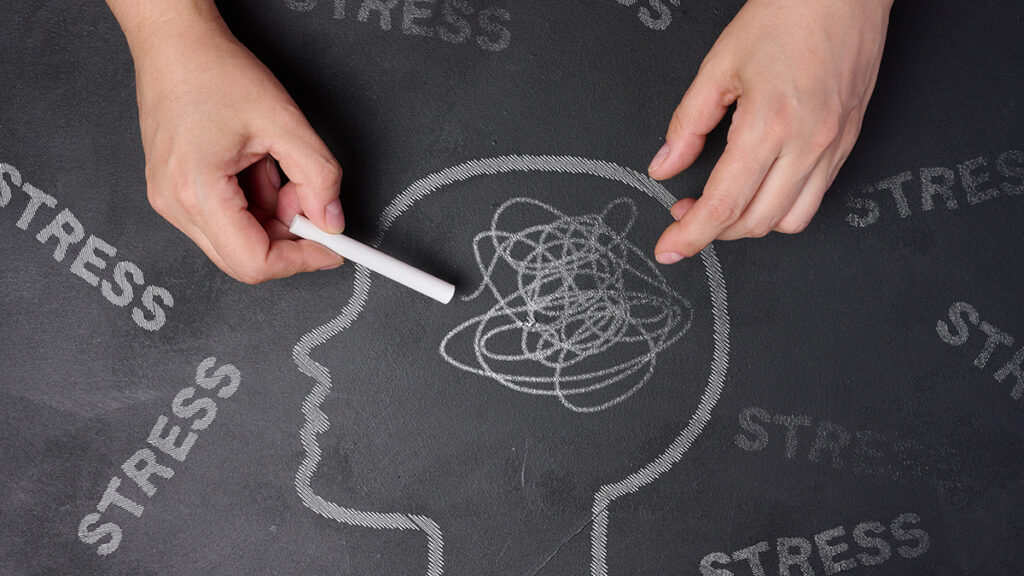
At its core, anxiety is linked to the body’s “fight-or-flight” response—a survival mechanism that evolved to keep us safe. When the brain perceives a threat, whether real or imagined, it triggers the release of stress hormones such as cortisol and adrenaline. These chemicals increase heart rate, tighten muscles, and sharpen focus to help us react quickly. While this is helpful in moments of true danger, problems arise when the stress response is activated too frequently or in situations that are not life-threatening.
Modern life is filled with triggers that keep this system on high alert: work deadlines, financial pressures, constant digital notifications, social comparisons, and global uncertainties. Over time, the body becomes stuck in a cycle of heightened vigilance, leading to chronic anxiety that interferes with sleep, decision-making, relationships, and overall health.
Psychological Triggers
Beyond biology, anxiety is also influenced by the way we think and process experiences. Patterns like overthinking, self-criticism, or catastrophic thinking can amplify feelings of fear and unease. Past trauma, unresolved emotional wounds, or perfectionism can also make the brain more reactive to stress. Recognizing these psychological triggers is a crucial step toward managing anxiety naturally. By identifying the thought patterns that fuel worry, you can begin to challenge and reframe them in healthier ways.
Mindfulness and Meditation for Calming the Mind
The Power of Present-Moment Awareness
Mindfulness is one of the most effective natural tools for managing anxiety. It is the practice of bringing your attention fully into the present moment, without judgment or distraction. Anxiety often pulls you into “what if” scenarios about the future or ruminations about the past, which fuels the cycle of worry. Mindfulness interrupts that spiral, grounding you in the here and now.
Meditation is a structured way to cultivate mindfulness. Techniques such as focusing on the breath, scanning the body for tension, or visualizing calming imagery have been shown to reduce cortisol levels, slow the heart rate, and activate the body’s relaxation response. Even short daily practices can create profound shifts in how you experience anxiety.
Practical Ways to Begin
You do not need to meditate for long periods to feel the benefits. Start small—five to ten minutes of mindful breathing, quiet observation, or guided meditation can help train your brain to pause and reset. You can also bring mindfulness into daily activities: savoring each bite of a meal, noticing the rhythm of your footsteps during a walk, or paying attention to the sensations of washing your hands. These small practices build resilience by teaching the brain to remain steady, even when anxious thoughts arise.
Movement and Exercise for Stress Relief
Physical Activity as an Anxiety Regulator
Exercise is one of the most powerful, evidence-based natural remedies for anxiety. When you move your body, it releases endorphins—neurochemicals that elevate mood and promote a sense of calm. Exercise also helps regulate stress hormones, improves sleep quality, and provides a healthy outlet for the restless energy that often accompanies anxiety.
Beyond the physiological benefits, movement gives you a sense of accomplishment and control. Whether it is completing a yoga class, finishing a walk, or lifting weights, physical activity can provide an empowering reminder that you can take positive steps toward your well-being.
Finding the Right Activity for You
Not every form of exercise has to be intense to be effective. Brisk walking, swimming, dancing, Pilates, cycling, or yoga can all help reduce anxiety. The key is consistency—aim for at least 30 minutes of moderate movement on most days. Activities that combine physical exertion with mindfulness, such as tai chi or yoga, can be especially beneficial, as they both engage the body and calm the nervous system.
Nutrition and Anxiety: The Food-Mood Connection
Nourishing the Brain for Calmness
The foods you eat have a direct impact on how your brain and body manage stress. Diets high in refined sugar, processed snacks, and excessive caffeine can cause blood sugar spikes, trigger inflammation, and overstimulate the nervous system, all of which can intensify anxiety.
On the other hand, a nutrient-rich diet can support emotional balance. Omega-3 fatty acids from salmon, sardines, chia seeds, or flaxseeds help regulate neurotransmitters linked to mood. Magnesium-rich foods such as spinach, almonds, and pumpkin seeds promote muscle relaxation and calm the nervous system. B vitamins from whole grains and legumes support energy regulation, while antioxidants from fruits and vegetables help reduce oxidative stress on the brain.
Hydration and Caffeine Awareness
Dehydration can worsen fatigue and irritability, making anxiety feel heavier. Staying hydrated throughout the day supports mental clarity and energy stability. At the same time, be mindful of caffeine consumption. While a morning cup of coffee may provide a boost, too much caffeine can trigger rapid heartbeat, jitteriness, and racing thoughts—symptoms that mimic anxiety itself. Limiting or switching to herbal teas may help create a more stable emotional baseline.
Sleep as a Foundation for Emotional Balance
How Poor Sleep Fuels Anxiety
Sleep is one of the strongest predictors of mental health. When you are sleep-deprived, the brain struggles to regulate emotions, making it harder to cope with stress. Lack of rest also overstimulates the amygdala—the brain’s fear center—intensifying anxious reactions. Over time, the cycle of poor sleep and high anxiety can become self-perpetuating.
Creating a Restful Night Routine
Improving sleep hygiene can make a profound difference in managing anxiety naturally. Establishing a consistent bedtime and wake-up schedule helps regulate your circadian rhythm. Avoiding screens before bed prevents blue light from disrupting melatonin production. Creating a calming pre-sleep routine—such as reading, stretching, journaling, or listening to soft music—signals to the body that it’s time to wind down. When sleep becomes deeper and more restorative, anxiety naturally decreases.
Breathing Techniques to Reset the Nervous System
The Science of Breathwork
One of the simplest yet most effective ways to reduce anxiety is through conscious breathing. When you are anxious, breathing tends to become shallow and rapid, which reinforces the body’s stress response. Slow, deliberate breathing sends a message to the brain that it is safe to relax, activating the parasympathetic nervous system.
Simple Breathing Practices
The 4-7-8 technique is a powerful method: inhale gently through the nose for four counts, hold for seven counts, and exhale slowly through the mouth for eight counts. Practiced regularly, this technique helps regulate heart rate, ease muscle tension, and bring a sense of calm within minutes. Other techniques, such as box breathing or diaphragmatic breathing, are equally effective and can be practiced anywhere—at your desk, before sleep, or during stressful moments.
Cognitive and Behavioral Strategies
Challenging Anxious Thoughts
Our thoughts shape how we feel, and anxious minds often create exaggerated or distorted interpretations of reality. Cognitive reframing helps you identify these thought patterns and replace them with more balanced perspectives. Instead of thinking, “I’ll embarrass myself during this presentation,” you might reframe it as, “I am prepared, and even if I feel nervous, I can still do well.” Over time, practicing this shift can weaken anxiety’s hold.
Gradual Exposure and Confidence Building
Avoidance is a common response to anxiety, but it often reinforces fear. Facing anxiety-provoking situations in gradual, manageable steps helps train the brain that the feared event is not as threatening as it feels. This process, known as exposure, builds confidence and reduces avoidance behaviors over time. For instance, if social anxiety makes large gatherings overwhelming, starting with small, familiar settings can help you gradually expand your comfort zone.
Building a Support Network
The Role of Connection in Emotional Health
Humans are wired for connection, and isolation often intensifies anxiety. Talking to supportive friends, family, or colleagues can provide emotional relief, perspective, and encouragement. Simply sharing your feelings can lighten the mental burden and remind you that you are not alone.
Community and Group Support
Support groups—whether online or in-person—can be a powerful resource. They provide a safe space to share experiences, learn coping strategies, and connect with people who understand firsthand what anxiety feels like. Knowing that others are facing similar challenges can significantly reduce feelings of isolation.
Nature and Environmental Calm
The Restorative Power of the Outdoors
Spending time in natural environments has measurable effects on mental health. Studies show that even short periods outdoors—walking in a park, hiking, or sitting near water—can reduce cortisol levels, slow the heart rate, and improve overall mood. Nature acts as a buffer against stress, providing a sense of calm that is hard to replicate indoors.
Designing a Calming Space at Home
If access to outdoor environments is limited, you can create a sanctuary at home. Incorporating plants, natural light, soft textures, and calming colors into your living space can make it more soothing. Having a designated “calm corner” for meditation, journaling, or relaxation creates a safe environment for resetting your nervous system whenever anxiety feels overwhelming.
Conclusion: A Holistic Path to Calmness
Managing anxiety without medication is not about quick fixes; it is about cultivating a toolkit of practices that support mind, body, and spirit over time. Through mindfulness, exercise, nourishing foods, better sleep, breathing techniques, and supportive relationships, you can significantly reduce anxiety and reclaim a sense of balance.
The most important element is consistency. Small, intentional changes practiced daily create powerful, long-lasting results. Anxiety may not disappear entirely, but by building resilience and learning how to respond calmly, you shift from being controlled by anxiety to managing it with strength.
It is also worth remembering that seeking professional help—whether through therapy, counseling, or coaching—is never a sign of failure. Instead, it is a proactive step toward greater health and peace of mind. Your journey to managing anxiety naturally will be uniquely your own, but with patience and persistence, calmness and resilience are always within reach.