How to Create a Stress-Free Home Environment

Introduction
Home is often imagined as a sanctuary—a retreat from the outside world where people can rest, recharge, and find peace. Yet, for many, home can sometimes feel just as overwhelming as the office, the commute, or the crowded city streets. Clutter, noise, disorganization, and even subtle design elements can create stress instead of relief. In today’s fast-paced, high-pressure culture, creating a stress-free home is not just a luxury—it is essential for mental health, productivity, and overall well-being.
A stress-free home does not mean perfection. It is not about spotless counters, expensive furniture, or magazine-ready interiors. Instead, it’s about intentional design and mindful living. Every choice, from lighting and color schemes to daily routines, influences whether your home nurtures calmness or amplifies tension. When shaped with care, a home becomes more than shelter—it becomes a supportive environment that encourages balance, rest, and happiness.
This article explores how to create a stress-free home environment by examining the role of physical space, psychological design elements, daily practices, and emotional well-being. Through intentional changes, you can transform your home into a true sanctuary.
The Connection Between Home and Mental Well-Being
Why Our Environment Matters
The spaces we inhabit profoundly affect our emotions and behaviors. Research in environmental psychology shows that cluttered or chaotic environments increase cortisol, the body’s primary stress hormone. Conversely, spaces that are orderly, clean, and visually pleasing reduce stress and promote focus.
Our homes are not just physical spaces—they are psychological landscapes. A cluttered, chaotic home mirrors and amplifies inner stress, while a calm and organized environment restores balance and supports emotional health. Designing a stress-free home is not only about looks; it’s about shaping an environment that supports well-being.
Home as a Sanctuary in Modern Life
The boundaries between work and home have blurred, especially with remote work and constant digital access. Many homes now serve as offices, gyms, social spaces, and rest areas. Without clear boundaries, stress often seeps into personal spaces.
By consciously designing areas for rest, work, and leisure, you can create a sense of separation that protects your mental health. A well-structured home environment helps you recharge, draw boundaries, and maintain balance in an overstimulated world.
Physical Space and Its Influence on Stress
Decluttering and Organization
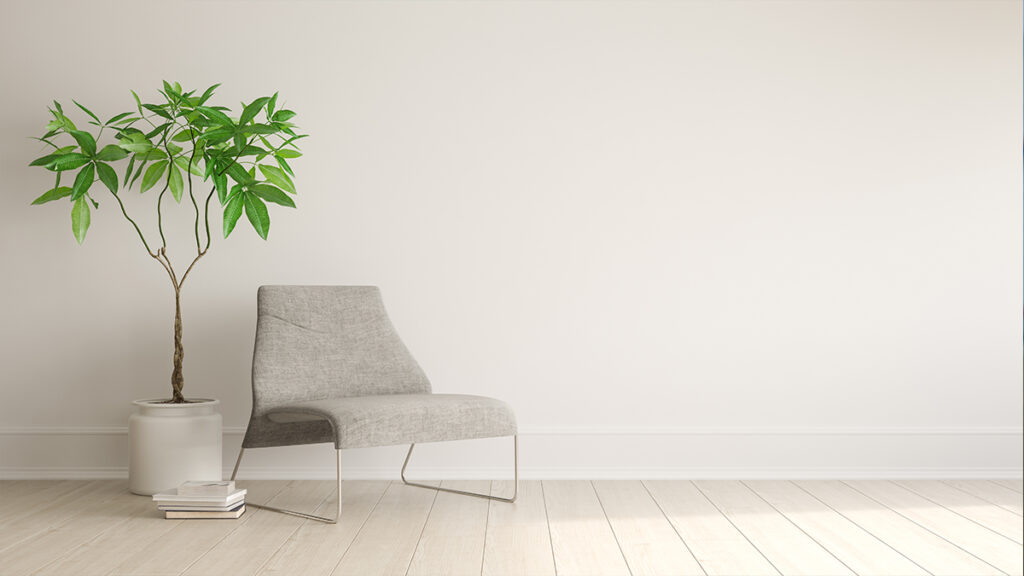
Clutter is one of the most significant sources of stress at home. It creates visual noise, overwhelms the mind, and constantly reminds you of unfinished tasks. Decluttering is not about minimalism; it’s about intentional living. Keep what is useful or meaningful, and let go of what no longer serves you.
An organized home streamlines daily routines, prevents frustration, and frees up mental energy. When everything has a place, the mind feels clearer, and the space becomes easier to enjoy.
The Role of Lighting
Lighting dramatically influences mood and energy. Harsh, artificial lighting can create tension and fatigue, while natural light supports focus, energy regulation, and better sleep. Maximizing natural light with large windows, sheer curtains, or mirrors helps create an uplifting environment.
In the evenings, warm and dim lighting signals the body to wind down. Layered lighting—such as lamps, overhead lights, and candles—allows flexibility. Brightness supports productivity, while softer tones create comfort and calm.
Colors and Atmosphere
Color psychology shows that colors influence emotions in powerful ways. Blues and greens evoke calmness and tranquility, while warm neutrals provide a sense of comfort and stability. Bright, bold colors may energize, but they can feel overwhelming in spaces meant for rest.
A cohesive and soothing color palette throughout the home reduces visual clutter and creates harmony. Whether through wall colors, furniture, or décor, calming tones set the foundation for a peaceful environment.
Designing for Comfort and Functionality
Creating Spaces for Rest
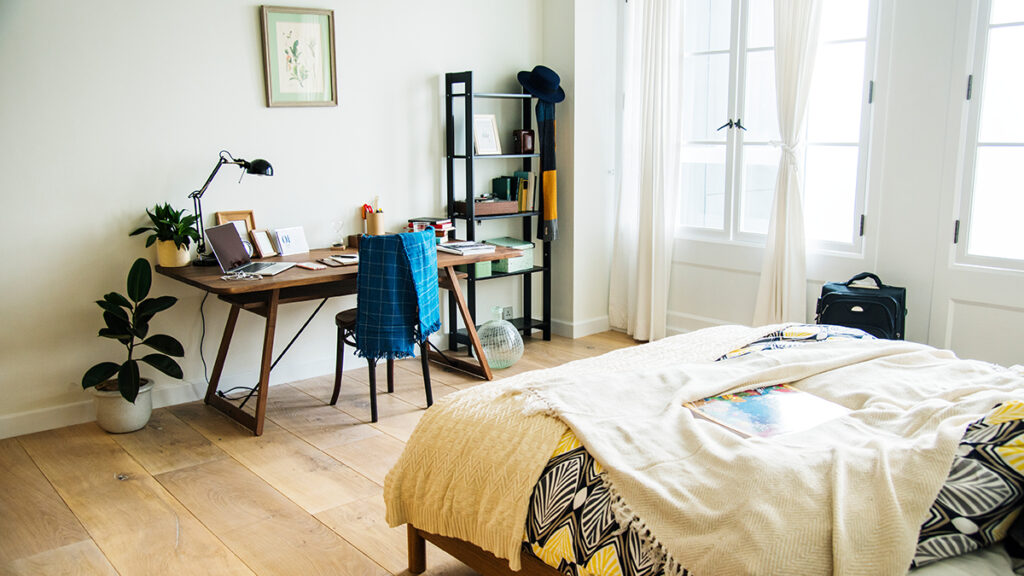
Every home should have spaces dedicated to rest and rejuvenation. Bedrooms are particularly important. Comfortable mattresses, soft linens, blackout curtains, and cool temperatures all contribute to better sleep—a cornerstone of stress management.
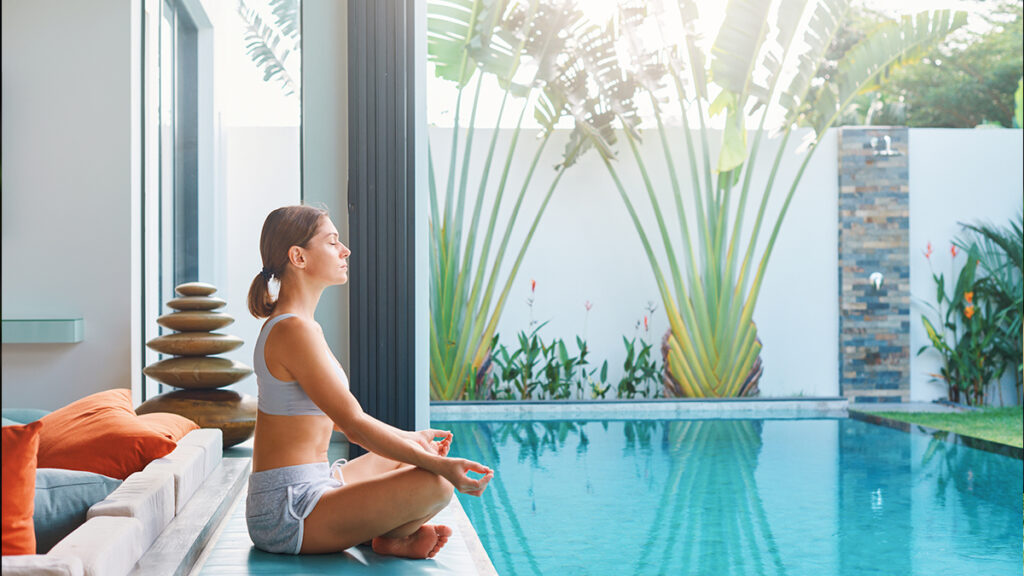
Beyond bedrooms, creating cozy nooks for reading, meditating, or quiet reflection encourages intentional downtime. These designated spaces act as reminders to slow down and recharge.
Designing for Work-Life Balance
For those working from home, separating work and living spaces is essential. Even a small, organized desk area can signal the difference between professional tasks and personal time. Ergonomic furniture, proper lighting, and decluttered workspaces enhance productivity while preventing stress spillover into the rest of the home.
When work is confined to a designated space, the rest of the home retains its role as a sanctuary.
Comfort Through Design Choices
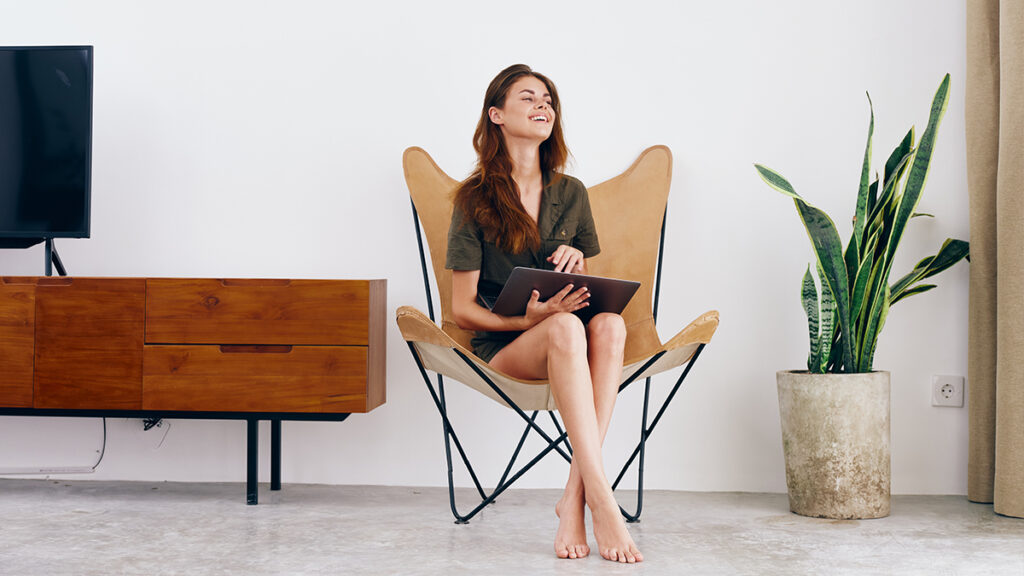
Comfort comes from more than function—it’s also about atmosphere. Soft textiles, cozy furniture, and layouts that allow natural flow create an inviting environment. Incorporating natural elements like wood, stone, or woven materials adds warmth and grounding. When design choices prioritize comfort, the home naturally becomes a stress-free retreat.
Incorporating Nature for Stress Relief
The Power of Biophilic Design
Biophilic design integrates natural elements into the home and has been shown to reduce stress while enhancing well-being. Natural light, plants, water features, and organic materials foster a sense of connection to nature. Even simple touches, like nature-inspired artwork, have calming effects.
Indoor Plants and Green Spaces
Plants not only beautify interiors but also improve air quality and bring life into spaces. From easy-care succulents to lush ferns or air-purifying plants like peace lilies, greenery creates a sense of vitality. For those with outdoor areas, patios, balconies, or gardens can be designed as restorative spaces with plants, seating, and soft lighting.
Connection with the Outdoors
Even if outdoor space is limited, creating a connection with nature reduces stress. Positioning seating near windows, incorporating open views, or spending intentional time outdoors restores balance and calm. Nature acts as an anchor, reminding us to slow down and breathe.
Daily Practices to Maintain a Stress-Free Home
Mindful Routines
Routines anchor the home in rhythm and predictability. Morning rituals like stretching, brewing tea, or journaling set a calming tone for the day. Evening wind-down practices, such as reading or meditation, signal the body to rest. These mindful routines weave peace into daily life.
Cleaning as a Calming Practice
Household chores, often viewed as stressful, can become opportunities for mindfulness. Folding laundry, wiping counters, or washing dishes can be reframed as grounding rituals that create order. A clean, organized home promotes relaxation, and when chores are shared fairly, they encourage cooperation rather than conflict.
Managing Noise and Technology
Noise pollution and digital overload can create constant stress at home. Soft background music, quiet zones, or sound-absorbing décor reduce auditory stress. Setting boundaries with technology—like screen-free dinners or no devices in bedrooms—frees up space for rest and connection.
Emotional and Relational Dimensions of a Stress-Free Home
Fostering Positive Relationships
The energy of a home depends as much on the people within it as on its design. Respectful communication, shared responsibilities, and quality time nurture emotional safety. When relationships are supportive, the home becomes a haven of connection rather than tension.
Personalization and Emotional Anchors
Personal touches transform a house into a home. Displaying family photos, artwork, or meaningful keepsakes creates emotional warmth. These elements remind us of values, milestones, and loved ones, reinforcing belonging and joy.
Balancing Solitude and Togetherness
A stress-free home balances community and individuality. Shared areas encourage bonding, while private spaces respect personal needs for solitude. When both are honored, household members feel connected without being overwhelmed.
Long-Term Benefits of a Stress-Free Home
Mental Health and Productivity
A calm and organized home directly benefits mental health by lowering stress and improving focus. It also enhances productivity, as clarity and order reduce overwhelm and procrastination.
Physical Health and Well-Being
Chronic stress is linked to health problems like headaches, weakened immunity, and fatigue. By removing environmental stressors, homes support both mental and physical resilience. Natural light, clean air, and restful spaces foster overall wellness.
Greater Life Satisfaction
Ultimately, a stress-free home enhances life satisfaction. It becomes a place of grounding and renewal, allowing individuals to face external challenges with strength. A home that nurtures calmness fosters greater happiness and fulfillment.
Conclusion
Creating a stress-free home environment is not about luxury or perfection—it is about intention. Every choice, from decluttering to lighting, from mindful routines to meaningful relationships, shapes how peaceful or stressful your space feels. Through thoughtful design and consistent practices, you can transform your home into a sanctuary that supports mental, physical, and emotional well-being.
In a world filled with noise and pressure, the home holds the power to be a refuge. By intentionally designing for calmness and balance, you reclaim control over your well-being. A stress-free home not only reduces anxiety but also lays the foundation for a life rooted in peace, happiness, and resilience.