The Role of AI in Smart Cities of Tomorrow


Introduction: The Rise of Intelligent Urban Living
As cities grow larger and more complex, the need for smarter infrastructure has become critical. The concept of “smart cities” has evolved from a futuristic vision into a pressing necessity, driven by rising urban populations, climate challenges, and the demand for more efficient and equitable public services. At the heart of this transformation is artificial intelligence (AI)—a powerful enabler that can analyze vast streams of data, automate decision-making, and orchestrate city systems in real-time.
Smart cities today are more than just networks of sensors and connected devices. They represent a dynamic fusion of data, connectivity, and machine learning that can anticipate needs, improve quality of life, and streamline operations. AI acts as the neural network of this ecosystem, processing information from Internet of Things (IoT) devices, city records, transport systems, and citizen activity to make cities more responsive, sustainable, and livable.
This article explores how AI is shaping the smart cities of tomorrow—focusing on transportation, energy management, public governance, safety, and citizen engagement—while addressing the ethical challenges that come with such deeply embedded intelligence.
AI-Driven Urban Mobility
Predictive Traffic Management and Autonomous Transport
One of the most transformative applications of AI in smart cities lies in mobility. While traditional traffic systems react to conditions after the fact, AI-driven systems can forecast traffic flow and optimize routes in real-time. By analyzing inputs from traffic cameras, GPS data, ride-hailing apps, and weather reports, AI can predict congestion, adjust traffic lights, and recommend alternative routes, reducing gridlock and emissions.
Cities such as Singapore and Los Angeles are already using AI-based traffic systems to improve urban flow and air quality. At the same time, AI is powering the development of autonomous vehicles—cars, buses, and delivery drones that can navigate streets using computer vision and deep learning. These technologies promise to improve road safety, reduce accidents, and provide mobility access to the elderly and people with disabilities.
Smart Parking and Micro-Mobility Solutions
AI also enhances the everyday experience of urban mobility through smart parking systems. These use sensors and predictive algorithms to guide drivers to available spaces in real time, cutting down on circling, idling, and emissions. Dynamic pricing systems can be layered on top, incentivizing turnover and maximizing usage.
In the realm of micro-mobility, AI plays a key role in managing fleets of shared bikes, e-scooters, and other small vehicles. By analyzing usage patterns and traffic data, operators can reposition assets, predict maintenance needs, and optimize routes to ensure availability and safety.
Energy Efficiency and Environmental Monitoring
Smart Grids and Predictive Energy Use
As cities consume more energy, AI is crucial in ensuring efficient and sustainable resource use. AI-powered smart grids can balance demand and supply, forecast peak usage times, and prioritize renewable sources like solar and wind. These systems minimize outages, reduce carbon emissions, and make energy distribution more cost-effective.
For example, machine learning algorithms can predict energy surges during heatwaves or large public events and adjust grid performance accordingly. On a smaller scale, AI can manage energy use in homes and businesses by automating appliances, lighting, and HVAC systems based on behavioral patterns and weather forecasts.
Environmental Sensors and Climate Resilience
AI is also instrumental in environmental monitoring. Cities deploy sensors that track air quality, noise levels, water purity, and soil conditions. AI analyzes this data in real time to identify pollution hotspots, detect anomalies, and trigger automated responses like restricting industrial activity or rerouting traffic.
In cities like Beijing, AI systems help forecast air pollution several days ahead, enabling timely policy interventions. AI also supports urban climate resilience by modeling risks such as flooding, heat islands, and wildfire spread—guiding infrastructure investments and disaster planning.
AI in Governance and Public Services
Data-Driven Urban Planning
Urban planning has traditionally been slow and reactive. AI accelerates this process by analyzing trends in population growth, housing needs, and economic activity. Machine learning models simulate the outcomes of zoning changes, infrastructure upgrades, or policy decisions, helping city planners make informed choices.
One powerful tool is the digital twin—a real-time, AI-driven 3D model of a city that reflects traffic, weather, construction, and other urban dynamics. With digital twins, planners can test hypothetical scenarios—from building projects to emergency responses—before implementing them in the real world.
Optimizing City Services
AI streamlines and enhances municipal services. Virtual assistants and chatbots now help residents pay bills, report issues, or access government documents through intuitive, conversational interfaces. Behind the scenes, AI predicts when infrastructure needs maintenance—alerting departments to repair water mains, replace streetlights, or fix roads before issues escalate.
These improvements free up government employees to focus on strategic tasks and ensure that limited resources are allocated where they’re needed most.
Enhancing Public Safety and Emergency Response
AI-Powered Surveillance and Crime Prevention
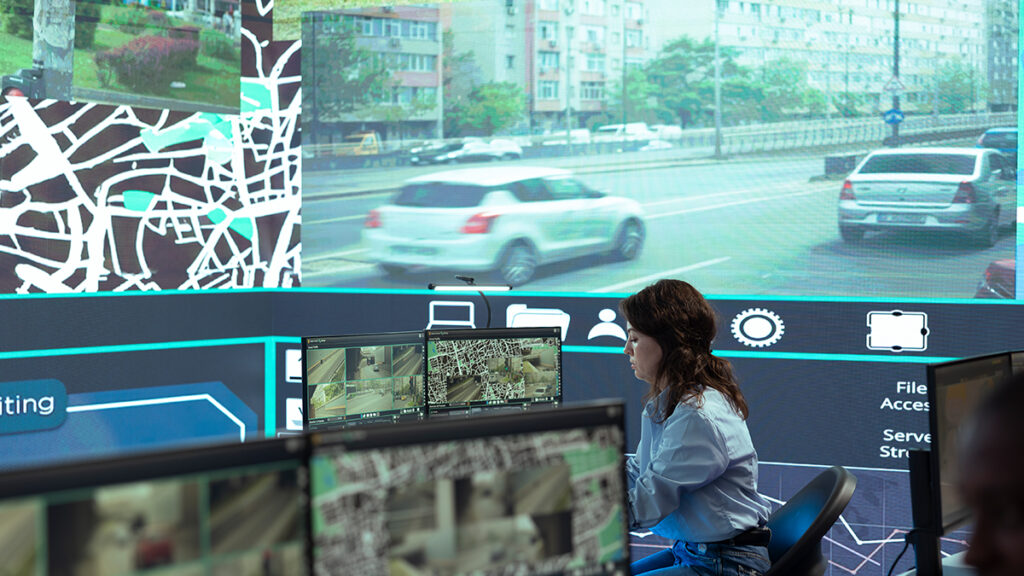
AI is increasingly being used to keep cities safe. Video analytics powered by AI can detect unusual behavior, abandoned objects, or unauthorized access in real time. Facial recognition systems are deployed in some cities for identifying suspects or missing persons. Predictive policing tools analyze historical crime data to anticipate where incidents are likely to occur, enabling better patrol planning and emergency preparedness.
However, these systems raise serious ethical concerns—especially regarding privacy, consent, and algorithmic bias. Without careful oversight, such tools can lead to over-surveillance or disproportionately impact marginalized communities.
Real-Time Emergency Response
AI enhances emergency response capabilities during natural disasters, fires, or pandemics. By analyzing data from sensors, GPS, and even social media, AI can map affected zones, coordinate rescue operations, and dispatch first responders more effectively. During a crisis, AI-powered bots can send real-time updates to citizens, reducing panic and improving safety.
Predictive analytics also play a role in disaster preparedness—helping cities pre-position supplies, plan evacuation routes, and model the impact of different response strategies.
Citizen Engagement and Inclusivity
Personalized Civic Platforms
AI is redefining civic engagement through personalized digital platforms. City apps and online dashboards use AI to curate local news, transit updates, and service notifications tailored to each resident’s interests and location. These tools help citizens stay informed and feel more connected to their communities.
Sentiment analysis tools also scan public forums and social media to gauge citizen reactions to policy changes, construction projects, or social issues. Governments can then adjust their messaging, offer clarification, or make policy adjustments based on real-time public feedback.
Bridging the Digital Divide
Smart cities must serve everyone—not just the digitally connected. AI can help identify underserved communities and tailor services like education, healthcare, and housing to meet specific needs. It can also ensure that services are accessible to people with disabilities, language barriers, or limited tech skills.
Inclusive design practices must ensure that AI platforms work across multiple languages and interfaces, including voice and assistive technologies.
Challenges and Ethical Considerations
Data Privacy and Cybersecurity
The vast data collected by smart cities—ranging from personal mobility patterns to facial recognition scans—raises critical concerns around privacy and security. AI systems must be built with strong encryption, transparent data policies, and the ability for users to opt out of tracking. Failing to address these issues can erode public trust and make cities vulnerable to cyberattacks.
Algorithmic Bias and Accountability
AI algorithms are only as fair as the data they’re trained on. Biased training data can result in skewed services, discriminatory policing, or exclusion from essential resources. Governments must ensure that AI systems are audited, transparent, and subject to human oversight. Ethical frameworks, independent evaluations, and community input are essential to safeguard public welfare.
Legacy Systems and Scalability
Many cities still rely on outdated infrastructure that cannot support AI integration. Upgrading systems requires significant investment and cross-sector coordination. Ensuring that new AI tools can communicate with legacy platforms is a major challenge, especially for cities with tight budgets or fragmented governance.
The Future Outlook: Toward Holistic Smart Cities
Integration with Emerging Technologies
AI doesn’t operate in isolation. Its power multiplies when combined with edge computing, 5G, blockchain, and quantum technology. Edge AI, for example, processes data locally—enabling faster responses and better data security. Blockchain can provide secure, transparent records of public spending, land ownership, or identity verification.
Together, these technologies will make smart cities faster, more resilient, and more trustworthy.
Citizen-Centric Innovation
The future of smart cities lies in co-creation—where citizens actively participate in shaping the systems that govern them. Inclusive innovation hubs, digital literacy programs, and open data platforms will empower residents to engage with city tech meaningfully.
AI should be a tool for empowerment, not surveillance. Cities that prioritize empathy, equity, and transparency will not only be smarter but also more humane.
Conclusion: Building Tomorrow’s Cities Today
Artificial intelligence is at the heart of the smart cities movement, transforming how we manage resources, plan infrastructure, and serve citizens. It offers a vision of cities that are not just connected, but intelligent—capable of learning, adapting, and improving with time.
But this transformation must be guided by ethics, transparency, and a people-first approach. The real measure of a smart city is not its number of sensors or algorithms, but how well it enhances the daily lives of its residents—ensuring safety, sustainability, and inclusivity for all.
As we look toward the cities of tomorrow, the task is clear: to blend the brilliance of AI with the warmth of humanity, designing urban environments where both technology and people can truly thrive.