Robotics and AI in Warehouse Automation

Introduction: A New Era of Smart Warehousing
In an increasingly digital and demand-driven global economy, warehouses are transforming from static storage facilities into dynamic hubs of intelligent logistics. This transformation is being fueled by the convergence of robotics and artificial intelligence (AI), technologies that are reshaping the way goods are received, stored, picked, packed, and shipped. For businesses striving to keep pace with rising e-commerce expectations, labor shortages, and supply chain disruptions, warehouse automation is no longer a futuristic ambition—it is a competitive necessity.
Warehouse automation using robotics and AI integrates machine learning, computer vision, and advanced sensors with mobile robots, robotic arms, and autonomous vehicles. These smart systems not only enhance speed and efficiency but also deliver real-time analytics, reduce operational costs, and improve workplace safety. As the market for automated warehouse solutions continues to expand, organizations that strategically invest in this space are poised to unlock significant gains in scalability and customer satisfaction.
This article delves into the role of robotics and AI in modern warehouse automation, exploring how these technologies work together, the key use cases, implementation challenges, and what the future holds for smart logistics infrastructure.
The Synergy of Robotics and AI in Warehousing
From Mechanization to Intelligence
Traditional automation systems in warehouses were largely rule-based and inflexible. Conveyor belts, carousels, and AS/RS (automated storage and retrieval systems) followed pre-programmed paths with little room for adaptation. Robotics, when augmented by AI, introduces adaptability, perception, and decision-making to these systems. Unlike their predecessors, AI-powered robots can learn from data, improve over time, and respond dynamically to changing conditions in the warehouse environment.
Machine learning algorithms allow robots to optimize pathfinding, prioritize tasks, and coordinate actions with other machines and human workers. Computer vision enables robots to recognize objects, scan barcodes, and detect anomalies in packaging or inventory. This shift from simple mechanization to intelligent automation marks a significant leap in warehouse productivity and operational resilience.
Key Technologies Driving Warehouse Automation
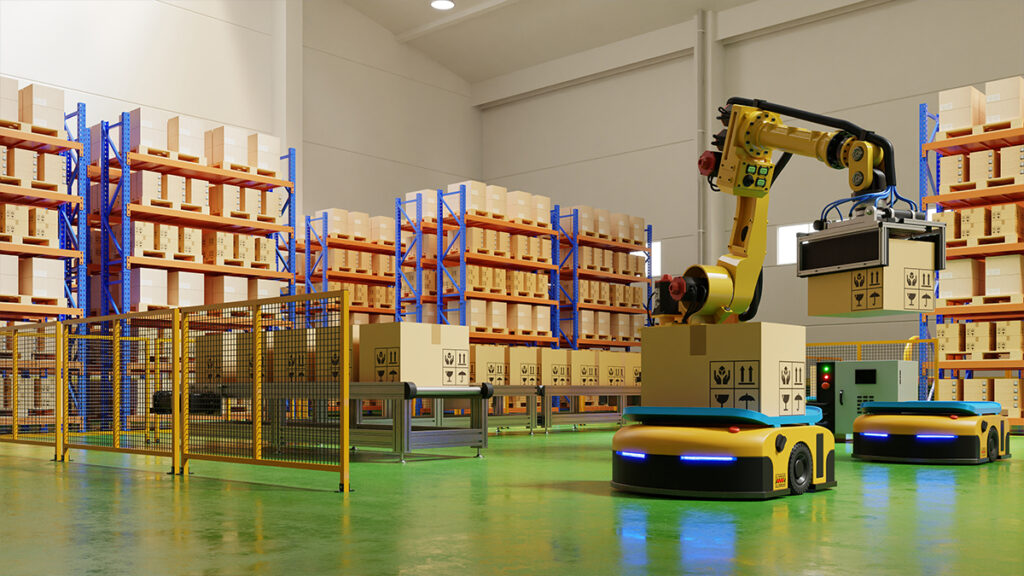
Several technological components work in concert to enable warehouse automation. Mobile industrial robots (MIRs), often equipped with LiDAR and SLAM (simultaneous localization and mapping), navigate warehouse floors autonomously. Robotic arms perform tasks such as picking, palletizing, and sorting with high precision. AI software platforms manage task allocation, inventory tracking, and predictive maintenance.
Integration with warehouse management systems (WMS), enterprise resource planning (ERP), and Internet of Things (IoT) sensors ensures that data flows seamlessly across the supply chain. Cloud computing and edge AI allow for real-time analytics and decentralized decision-making, empowering robots to act quickly and accurately even in complex or crowded environments.
Core Applications in Warehouse Operations
Automated Picking and Packing
One of the most labor-intensive and error-prone processes in warehouses is order picking. AI-powered robotic picking systems can identify items of varying shapes and sizes using machine vision, grasp them with adaptive end effectors, and place them into bins or boxes with minimal human intervention. These robots learn from repeated actions, improving accuracy and efficiency over time.
Packing is also increasingly being automated. Systems can determine optimal box sizes, arrange items to minimize damage, and print shipping labels on the fly. Amazon, for instance, uses hundreds of thousands of robots in their fulfillment centers to streamline picking and packing, reducing the average order processing time significantly.
Inventory Management and Real-Time Tracking
Inventory accuracy is vital for meeting customer expectations and maintaining operational flow. Drones and autonomous mobile robots (AMRs) equipped with cameras and RFID scanners patrol warehouse aisles to conduct cycle counts, detect misplaced items, and update inventory records in real time. This reduces reliance on manual stock audits and minimizes shrinkage.
AI algorithms analyze stock movement trends to optimize inventory placement within the warehouse. Frequently picked items are relocated closer to dispatch zones, reducing travel time for robots and workers alike. This level of optimization enhances space utilization and accelerates throughput.
Material Handling and Intralogistics
Moving goods within a warehouse involves transporting pallets, totes, and cartons across vast distances. Robotic forklifts and conveyor systems guided by AI software handle these tasks efficiently, reducing workplace injuries and freeing up human labor for value-added activities. These systems can dynamically reroute based on congestion, battery status, or task priority.
AI further enhances safety by enabling robots to detect obstacles and avoid collisions. Collaborative robots (cobots) can work side by side with human workers, handing off materials or assisting in ergonomic lifting tasks, thereby boosting productivity without compromising safety.
Strategic Benefits of AI-Driven Warehouse Automation
Efficiency, Accuracy, and Speed
At the heart of AI-driven warehouse automation lies the promise of exponential gains in operational performance. Robots can work 24/7 without fatigue, maintain consistent quality, and scale effortlessly during peak seasons. AI ensures that workflows are optimized continuously, balancing workloads across robots and human workers to avoid bottlenecks.
With real-time tracking and intelligent forecasting, warehouses can maintain lean inventory levels while still responding rapidly to demand fluctuations. This agility is particularly valuable in industries like e-commerce, retail, and pharmaceuticals, where order accuracy and delivery speed directly impact customer satisfaction.
Labor Optimization and Workplace Safety
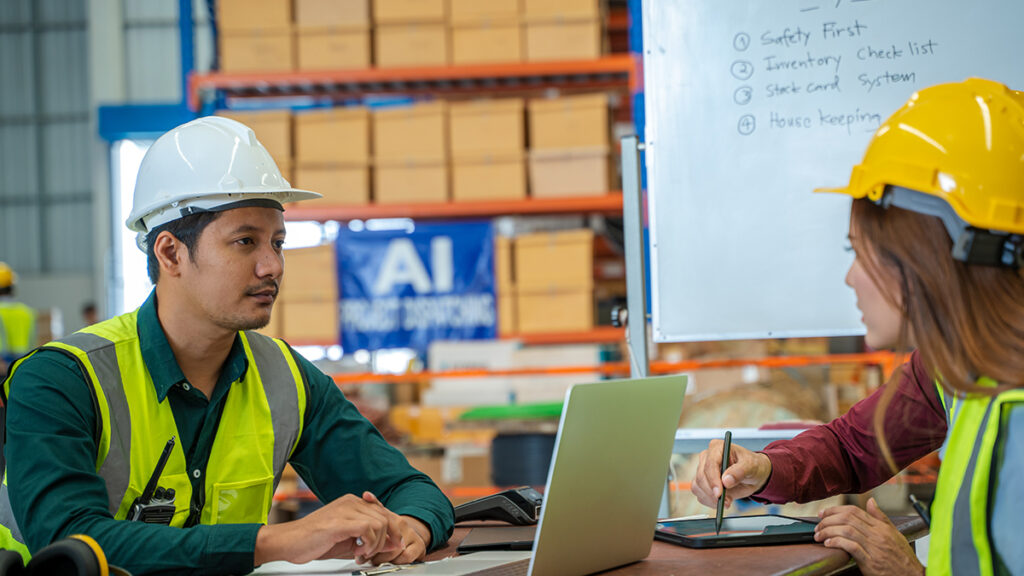
Labor shortages and rising wages are compelling factors behind the adoption of warehouse automation. Rather than replacing human workers entirely, robotics and AI allow companies to reassign them to higher-order tasks that require judgment, creativity, or emotional intelligence. This improves job satisfaction while addressing staffing gaps.
Robots can also reduce the risk of workplace injuries by handling repetitive, heavy, or hazardous tasks. AI-powered monitoring systems can flag unsafe behaviors, enforce compliance, and detect maintenance issues before accidents occur, creating a safer and more supportive working environment.
Sustainability and Resource Management
Automated systems contribute to sustainability goals by optimizing energy use, reducing waste, and minimizing carbon emissions. AI algorithms can plan routes that consume less energy, recommend energy-efficient equipment, and monitor environmental parameters such as temperature and humidity in real time.
Predictive maintenance driven by AI extends the lifespan of machinery, prevents breakdowns, and reduces downtime. By leveraging data insights, warehouses can also identify opportunities for recycling packaging, reducing shipping distances, and aligning with circular economy principles.
Implementation Challenges and Considerations
High Upfront Costs and ROI Uncertainty
While the long-term benefits of warehouse automation are compelling, the initial investment can be significant. Costs include not only robots and AI software but also infrastructure upgrades, integration services, and employee training. For small to mid-sized enterprises, securing the necessary capital and proving ROI can be a major hurdle.
Companies must conduct detailed feasibility studies and pilot programs to evaluate the scalability and impact of automation solutions. Cloud-based robotics-as-a-service (RaaS) models are emerging as a way to lower entry barriers by offering flexible, subscription-based pricing.
Data Integration and System Compatibility
Seamless data exchange across different systems is essential for warehouse automation to function effectively. Integrating AI platforms with legacy WMS or ERP systems can be complex and time-consuming. Inconsistent data formats, poor connectivity, and fragmented workflows can hinder performance and accuracy.
To overcome these challenges, companies must invest in API development, middleware, and cross-functional training. Building a centralized data architecture and ensuring compliance with cybersecurity protocols are also critical to protecting sensitive information.
Workforce Displacement and Ethical Concerns
The introduction of AI and robotics in warehouses raises concerns about job displacement, wage stagnation, and worker alienation. While the intent is often to augment rather than replace human labor, the transition can still create anxiety and resistance.
Transparent communication, reskilling initiatives, and employee participation in the automation journey are essential to maintaining morale and fostering a culture of innovation. Ethical AI practices must also be adopted to ensure fairness in task allocation, algorithmic decision-making, and performance monitoring.
The Future Outlook: Toward Autonomous Warehousing
Advances in Edge AI and 5G Connectivity
The next frontier in warehouse automation involves edge computing and ultra-low latency networks. Edge AI enables robots to process data locally, reducing reliance on centralized servers and enhancing responsiveness. Combined with 5G, this opens the door to real-time collaboration between fleets of robots, IoT sensors, and cloud systems.
This level of decentralization enhances fault tolerance, minimizes downtime, and supports faster decision-making, particularly in high-velocity environments. It also facilitates remote diagnostics, over-the-air software updates, and on-the-fly reconfiguration of workflows.
Hyper-Personalization and On-Demand Fulfillment
Consumer expectations for personalized and rapid delivery are shaping how warehouses operate. AI will enable warehouses to support micro-fulfillment centers in urban areas, where goods are stored closer to end consumers. Robotics will handle custom packaging, real-time order assembly, and even gift wrapping based on customer preferences.
AI-driven demand forecasting will also support dynamic inventory allocation across distributed networks, reducing lead times and improving last-mile efficiency. These trends point to a future where warehouses function as intelligent ecosystems that adapt fluidly to both market trends and individual needs.
Human-Robot Collaboration and Ethical Design
The future of warehouse work is collaborative, not competitive. Cobots will evolve to become intuitive partners, capable of interpreting human gestures, learning from instructions, and co-managing tasks. AI interfaces will become more natural and user-friendly, reducing the learning curve for operators.
Ethical design principles will guide the development of AI tools that are transparent, inclusive, and supportive of human dignity. By prioritizing worker well-being alongside operational goals, businesses can create environments where both humans and machines thrive.
Conclusion: Building the Warehouse of the Future
The fusion of robotics and AI is ushering in a new era of warehouse automation marked by intelligence, efficiency, and adaptability. These technologies are transforming every facet of warehousing—from picking and packing to inventory control and strategic planning. As supply chains grow more complex and customer expectations more demanding, smart warehouses offer a path to resilience, agility, and long-term growth.
However, realizing the full potential of warehouse automation requires thoughtful planning, ethical implementation, and a commitment to innovation. By aligning technology with human capabilities and business objectives, organizations can build warehouses that are not only operationally superior but also more humane and sustainable.
As we look ahead, the warehouse of the future will not just be a place where goods are stored and moved—it will be a responsive, intelligent system that plays a critical role in shaping how the world produces, distributes, and consumes.