How to Teach Kids About Gratitude Journals

Introduction
In today’s fast-paced, consumer-driven world, children are often surrounded by instant gratification, advertisements, and endless digital stimulation. With so much focus on “what’s next” or “what’s missing,” it has never been more important to intentionally nurture values that encourage balance, empathy, and emotional well-being. Gratitude is one such value, and when practiced regularly, it has the power to shape a child’s outlook on life.
Gratitude helps children pause and notice the good in their lives—whether it’s a small act of kindness, a joyful experience, or the comfort of family and friends. One of the most creative and effective ways to instill this habit is through gratitude journaling. A gratitude journal is not simply a notebook filled with lists. It’s a safe space where children reflect on their blessings, capture happy moments, and express appreciation. Over time, journaling fosters mindfulness, boosts resilience, and strengthens emotional intelligence.
This article explores how parents and educators can introduce children to gratitude journals, why the practice matters, and how it can be adapted to suit different ages and personalities. It also highlights the long-term benefits of journaling, showing how a simple daily reflection can plant the seeds for a lifetime of optimism and kindness.
Why Gratitude Matters in Childhood
The Psychological Benefits of Gratitude
Gratitude is more than just saying “thank you.” It is a way of seeing the world through a lens of appreciation. Research in positive psychology shows that gratitude significantly improves mental health by reducing stress, increasing happiness, and enhancing resilience.
For children, who are still learning to process emotions and handle challenges, gratitude serves as a powerful coping tool. It shifts focus from what is missing or difficult to what is present and positive. A child who practices gratitude is more likely to approach obstacles with optimism, seeing them as temporary rather than overwhelming.
Gratitude also strengthens self-esteem. When children regularly acknowledge the kindness and support they receive from others, they begin to feel valued and connected. This sense of belonging improves their outlook on life, helping them approach both school and social situations with greater confidence.
Social and Emotional Growth
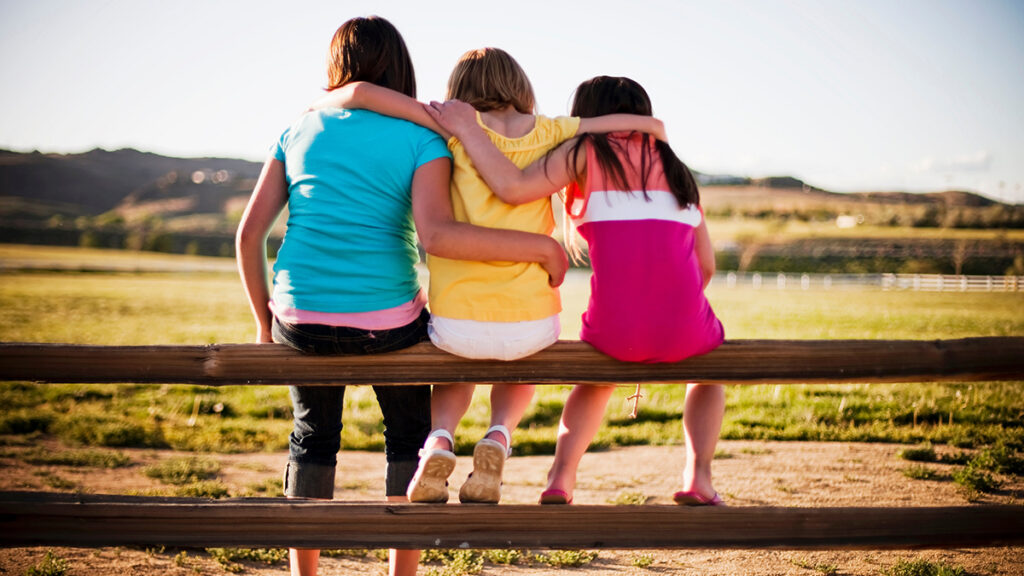
Gratitude doesn’t just benefit individual well-being—it also strengthens relationships. Children who learn to recognize and appreciate the contributions of others are more likely to build strong friendships, resolve conflicts peacefully, and treat peers with kindness.
Expressing gratitude fosters empathy, teaching children to notice not only their own blessings but also the efforts and feelings of others. Over time, this creates a sense of community and reciprocity. Children begin to understand that kindness is a cycle: when we appreciate others, they are encouraged to give kindness in return. This emotional intelligence lays the foundation for healthy, supportive relationships throughout life.
Introducing Kids to Gratitude Journals
Making Gratitude Accessible
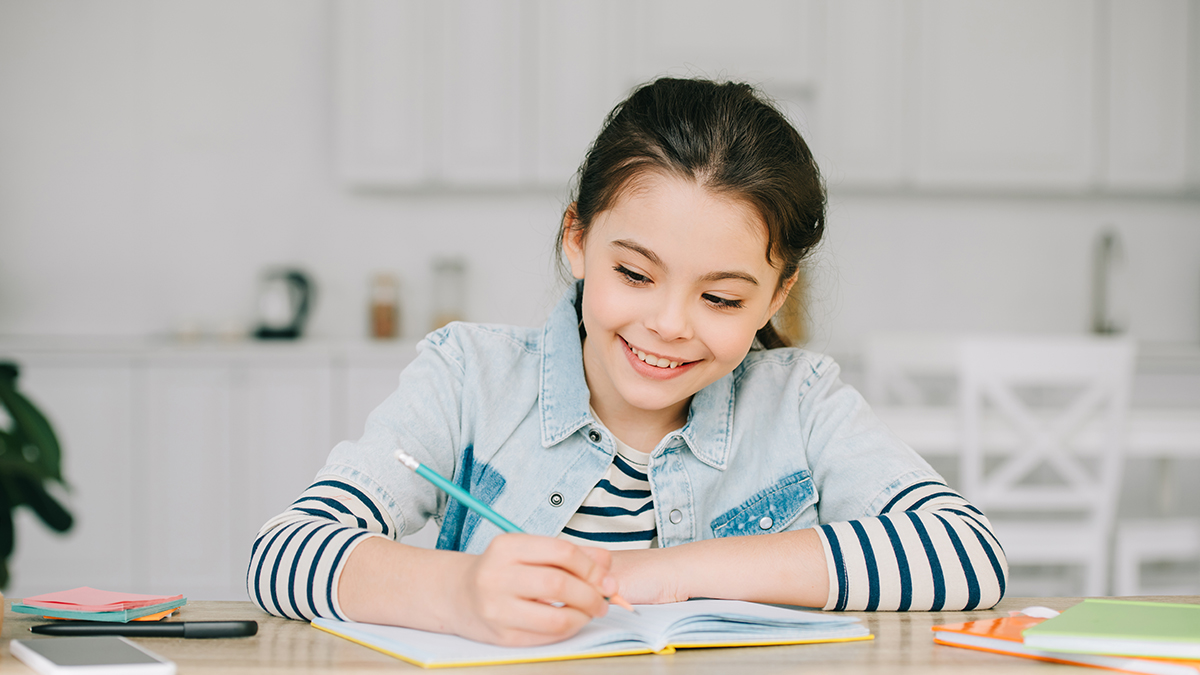
For young children, the idea of journaling can feel abstract or overwhelming. Parents and teachers can simplify the concept by presenting a gratitude journal as a special book for recording happy moments and things that make them feel thankful. A child might draw a picture of playing with a friend, write about a favorite meal, or paste in a photo from a fun day out.
Personalization makes journaling more engaging. A colorful notebook decorated with stickers, a scrapbook filled with drawings, or even a digital version for older children can spark excitement. By making the process creative and fun rather than rigid, children are more likely to adopt it as a joyful habit rather than a chore.
Connecting Gratitude to Daily Routines
Like any new habit, gratitude journaling becomes most effective when tied to consistent routines. For example, children might write or draw three things they are grateful for before bedtime. This not only helps them wind down but also ends the day with positive reflection.
In classrooms, teachers can weave gratitude journaling into morning activities, encouraging students to start their day with appreciation. Whether practiced at home or in school, consistency is key. Over time, the act of pausing and reflecting becomes second nature, embedding gratitude into everyday life.
Age-Appropriate Approaches to Gratitude Journals
Young Children and Visual Gratitude
Preschoolers and early elementary-aged children may not yet have strong writing skills, but that doesn’t mean they can’t participate. For them, gratitude journals can take the form of drawings, photos, or simple words with parental guidance.
Parents might ask prompts like, “What made you smile today?” or “Who was kind to you today?” The child can then respond by drawing a picture or sharing a story while the parent writes it down. Over time, these colorful entries become a treasure chest of happy memories to look back on.
This visual approach makes journaling both accessible and rewarding, while reinforcing gratitude as an enjoyable practice.
Older Children and Written Reflection
As children grow older and their writing improves, gratitude journals can evolve into more detailed reflections. Instead of simply listing items, they can begin to explain why they are grateful and how those experiences made them feel.
For instance, a child might write, “I’m grateful that my teacher helped me with my project because it made me feel supported.” This deeper reflection helps them connect gratitude to emotions and relationships, reinforcing the idea that gratitude is not passive but meaningful.
Children can also begin to express how they plan to “pay it forward,” fostering the idea that gratitude often leads to action.
Teenagers and Journaling as Self-Discovery
Adolescence brings new pressures—academic stress, shifting friendships, and identity exploration. Gratitude journals can serve as grounding tools during this stage, providing teens with space to reflect and reframe challenges.
Teenagers may prefer longer entries, inspirational quotes, or even goal-setting alongside their gratitude lists. They can use journaling to connect gratitude with broader themes such as resilience, relationships, and personal growth.
At this stage, gratitude journaling becomes more about self-discovery than adult guidance, giving teens ownership over their emotional well-being.
Creating a Supportive Environment for Gratitude
The Role of Parents and Educators
Children are more likely to embrace gratitude journaling when they see it modeled by adults. Parents and teachers who share their own reflections—whether in journals or casual conversation—demonstrate that gratitude is valuable at every age.
Family traditions can also reinforce the practice. Sharing “one good thing about today” at the dinner table or writing thank-you notes together teaches children that gratitude is both personal and relational. In classrooms, group discussions about acts of kindness can highlight the collective impact of gratitude.
Encouragement Without Pressure
It’s important to avoid turning gratitude journaling into a rigid requirement. Children should never feel forced to write; pressure can strip away the joy of the practice. Instead, gentle encouragement, praise for effort, and shared participation keep journaling positive.
Celebrating small milestones—such as filling a page, drawing something new, or completing a week of entries—reinforces progress and builds consistency without stress.
The Connection Between Gratitude and Mindfulness
Teaching Presence and Awareness
Gratitude journaling naturally fosters mindfulness. It encourages children to pause, notice, and reflect on details they might otherwise overlook. Rather than simply writing “I’m grateful for my pet,” mindfulness prompts a child to describe the warmth of the pet’s fur, the joy of playing together, or the comfort of cuddles after a hard day.
This detailed reflection deepens awareness of the present moment. Children learn that gratitude is not only about big events but also about small, everyday joys. These skills of noticing and reflecting carry over into other areas of life, enhancing both focus and appreciation.
Reducing Stress and Anxiety
The combination of mindfulness and gratitude has been shown to reduce stress and anxiety in children. By focusing on positive experiences, children train their brains to shift away from negative thought patterns. This habit becomes a coping tool, helping them navigate challenges with greater calm and resilience.
Over time, gratitude journaling fosters emotional balance, equipping children with lifelong strategies for managing stress and cultivating well-being.
Overcoming Challenges in Gratitude Journaling
Resistance to the Practice
Some children may resist journaling, especially if they see it as “extra work.” In these cases, flexibility is key. Gratitude doesn’t have to be recorded only in words—it can take the form of drawings, photos, voice recordings, or even collages.
By adapting the method to a child’s interests, parents can keep the practice enjoyable and engaging. The goal is to capture gratitude, not to enforce uniformity.
Maintaining Consistency
Busy schedules can easily disrupt journaling routines. To help maintain consistency, parents can integrate journaling into shared family activities or set reminders. Journaling together can create accountability and make the activity feel communal rather than solitary.
Even short reflections—a single sentence or drawing—can be enough to keep the practice alive. What matters most is consistency, not length.
Long-Term Benefits of Gratitude Journaling for Kids
Improved Emotional Resilience
Children who regularly practice gratitude become better equipped to handle life’s ups and downs. By focusing on positive aspects, even during difficult times, they develop resilience. Gratitude teaches them that joy can coexist with challenges, giving them strength during stressful moments.
Stronger Relationships
When children make gratitude a habit, they begin to express appreciation more openly—thanking friends, recognizing family efforts, or writing small notes of kindness. These behaviors strengthen connections and foster mutual respect. Over time, gratitude becomes a bridge that deepens relationships and builds empathy.
Lifelong Positive Outlook
Perhaps the most lasting benefit is the development of a positive life perspective. Children who grow up with gratitude journaling are more likely to carry the practice into adulthood. They learn to appreciate both small joys and major milestones, valuing contentment over constant comparison or materialism. This mindset fosters long-term happiness and well-being.
Conclusion
Teaching children about gratitude journals is far more than introducing them to a writing activity—it is about cultivating a mindset that nurtures joy, empathy, and resilience. A gratitude journal becomes a personal space where children can pause, reflect, and celebrate the abundance in their lives. Whether expressed through drawings, words, or shared family traditions, this practice has the power to transform how children see the world.
The beauty of gratitude journaling lies in its simplicity. Each entry, no matter how small, strengthens the habit of appreciation and creates ripples of positivity in a child’s relationships, mindset, and future. Parents and educators who guide children in this practice are not only helping them become happier and healthier but also shaping a generation that values kindness, connection, and the richness of everyday life.
In the end, gratitude journaling is not about filling pages—it’s about filling hearts. And when children learn to carry gratitude with them, they gain a lifelong compass that helps them navigate challenges, cherish moments, and live with joy.