How to Support Kids’ Friendships

Introduction
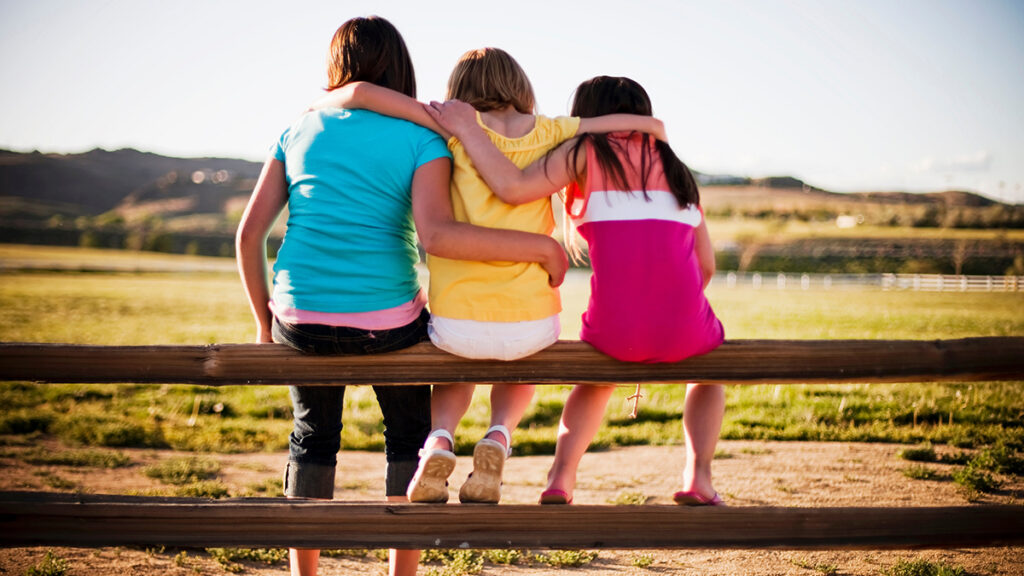
Friendships are among the most important parts of childhood. While they may begin with simple playdates or shared giggles over a toy, they quickly grow into something much deeper. Through friendships, children learn empathy, cooperation, and how to understand the perspectives of others. These relationships give kids a sense of belonging and security while teaching them how to navigate the social world.
Strong friendships are not only about companionship—they also shape emotional well-being, resilience, and even academic success. Children who feel connected to peers often perform better in school, are more confident, and handle challenges with greater ease.
For parents, watching their child build friendships can bring immense joy. It’s heartwarming to see kids share stories, laugh with peers, and develop bonds that help them feel understood. At the same time, friendships can also be a source of worry. Parents may find themselves concerned about peer pressure, exclusion, or the emotional ups and downs that come with social life. The key lies in balance: supporting children in building and maintaining friendships while giving them space to develop independence and social identity.
This article explores why friendships matter so deeply for children, how parents can encourage healthy social connections, and strategies for guiding kids through the inevitable ups and downs of peer relationships.
Why Friendships Matter in Childhood
Emotional Growth and Self-Esteem
Friendships provide a unique kind of validation for children. While love from parents is unconditional, peer acceptance gives kids the sense that they belong outside of their family. Having a friend who listens, laughs, or simply sits beside them reassures children that they are liked and valued. This peer support builds self-confidence and helps children feel good about who they are.
Children who enjoy strong friendships tend to experience greater emotional security. They know they have someone who “gets” them—a peer who understands their interests, shares their joys, and helps them cope with frustrations. This sense of connection fosters resilience and builds a foundation for lifelong self-esteem.
Learning Empathy and Social Skills
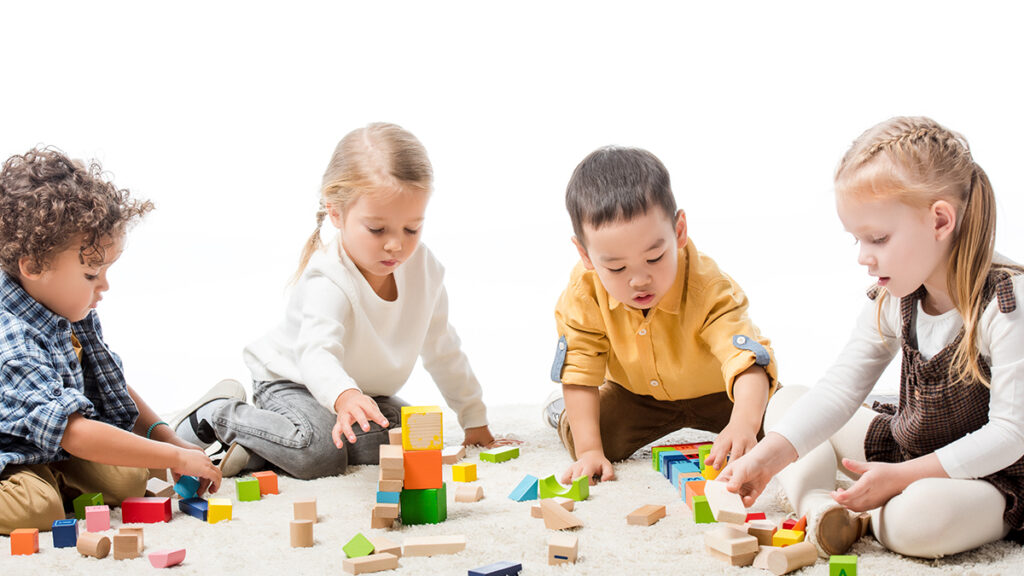
Friendships are the classroom where children practice empathy and social skills. In play, they learn how to share toys, take turns, and listen to others’ ideas. When disagreements happen—as they inevitably do—children get the chance to practice problem-solving, compromise, and forgiveness.
Through these experiences, children learn to recognize and respect the feelings of others. They begin to understand that their words and actions affect people around them. These skills form the heart of emotional intelligence, which research consistently shows is a strong predictor of success in both personal and professional life.
Building Resilience
Friendships also teach children how to navigate challenges. A falling out with a friend or a misunderstanding on the playground can feel overwhelming in the moment. But when children work through these conflicts—sometimes with a little parental guidance—they learn that relationships require effort and that setbacks can be repaired.
This ability to bounce back from social struggles builds resilience. Children discover that conflict is not the end of a friendship but often a chance to strengthen it. These lessons prepare them to handle more complex interpersonal challenges later in life.
The Role of Parents in Supporting Friendships
Creating Opportunities for Connection
Parents play an important role in helping friendships blossom by providing opportunities for children to connect with peers. Playdates, birthday parties, after-school clubs, and team sports all create chances for kids to meet others with similar interests. These structured opportunities are especially helpful for shy children, who may need a little extra encouragement to reach out.
Even informal gatherings—like inviting a neighbor’s child over to play in the backyard—can set the stage for lasting friendships. By fostering these opportunities, parents create the environment where friendships can begin to grow.
Modeling Positive Relationships
Children are keen observers. They notice how their parents interact with friends, relatives, and even strangers. When parents demonstrate kindness, respect, and healthy communication in their own relationships, they provide a living example for children to follow.
For instance, a child who sees their parent resolve a disagreement calmly or offer support to a friend in need learns that friendships require empathy and reliability. Modeling positive social interactions teaches children what it looks like to nurture and maintain meaningful relationships.
Offering Guidance Without Interference
Parents sometimes struggle with how much to step in when it comes to their child’s friendships. While it’s important to be supportive, micromanaging relationships can prevent children from developing independence. Kids need the freedom to navigate their own social world, even when it includes conflicts or disappointments.
Instead of trying to fix every problem, parents can position themselves as guides. They can listen, ask questions, and offer advice without taking over. Of course, intervention becomes necessary in cases of bullying or unhealthy dynamics. But for most day-to-day conflicts, gentle guidance and emotional support are enough.
Encouraging Healthy Social Skills
Teaching Communication Skills
Good communication is the backbone of any strong friendship. Parents can help by encouraging children to express their feelings honestly while also listening to others. Role-playing can be an effective tool—practicing phrases like, “I felt sad when you didn’t wait for me” teaches children how to communicate respectfully.
Active listening is equally important. Teaching children to pause, listen carefully, and respond thoughtfully helps them build deeper connections with friends.
Encouraging Cooperation and Sharing
Friendships thrive on cooperation. Parents can nurture this skill by involving children in group games, family projects, or activities that require teamwork. Reinforcing cooperation when they see it—by saying, “I noticed how you let your friend take a turn first, that was kind”—helps children recognize the value of collaboration.
Over time, cooperation becomes second nature, strengthening friendships and teaching children how to work well with others.
Helping Kids Navigate Conflict
Conflict is not only inevitable but also valuable. When handled well, disagreements can teach children important lessons about empathy, problem-solving, and compromise. Parents can support this process by encouraging kids to talk through their disagreements and to apologize sincerely when necessary.
Instead of focusing on blame, parents can guide children to consider solutions: “What do you think you could do to make things better?” These problem-solving conversations give kids tools they will use throughout life.
Supporting Different Stages of Friendship
Early Childhood Friendships
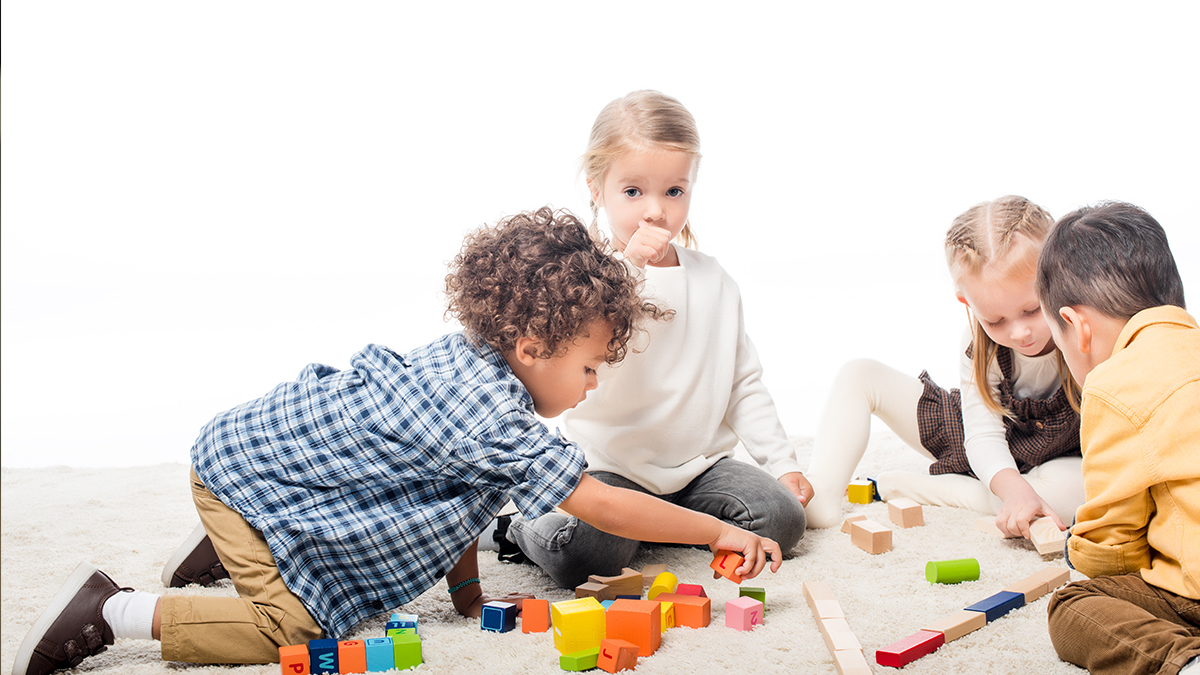
In toddlerhood and preschool years, friendships are often simple and centered around play. Children may call someone their “best friend” just because they enjoy playing with the same toy. At this stage, the focus is on learning basic skills like sharing, turn-taking, and recognizing others’ needs.
Parents can support early friendships by arranging short playdates, supervising interactions gently, and modeling polite behavior.
Elementary School Friendships
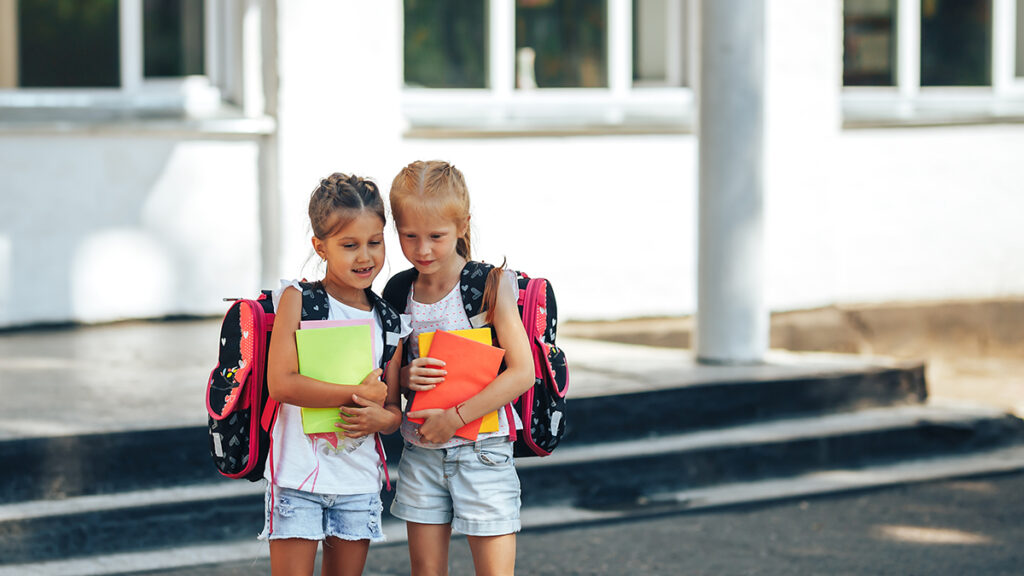
By the time children reach elementary school, friendships become more stable and meaningful. Shared interests—whether in sports, games, or creative hobbies—begin to shape who children gravitate toward. Friendships at this stage also involve more complex emotions, including loyalty and empathy.
Parents can support by encouraging participation in clubs, sports, or creative activities where children can connect with like-minded peers. They can also provide guidance when conflicts arise, helping kids see both sides of a situation.
Adolescent Friendships
For adolescents, friendships take on new significance. As teens explore independence and identity, they often turn to peers for support and validation. These friendships can feel all-consuming, and parents may worry that their influence is fading.
But even during this stage, parents remain crucial. By maintaining open communication, respecting privacy, and offering a listening ear, parents can ensure their teens feel supported while navigating the complexities of social life.
Addressing Friendship Challenges
Dealing with Exclusion
Few things sting more than being left out. For a child, exclusion can feel deeply personal and painful. Parents can support their child by validating their feelings and encouraging resilience. While it’s tempting to step in and solve the problem, it’s often more effective to help children build confidence and seek out other supportive friendships.
Managing Peer Pressure
As children grow, they may face pressure to conform to group norms. Teaching kids to stay true to their values is one of the best protections against negative peer influence. Parents can role-play scenarios, discuss family values, and encourage assertiveness. A child who feels confident in their identity is better prepared to resist unhealthy peer pressure.
Supporting Children Who Struggle Socially
Not every child finds it easy to make friends. Shy children, those with social anxiety, or kids with developmental differences may need extra support. Parents can help by arranging smaller, low-pressure play opportunities and gently coaching social skills. In some cases, teachers or professionals can provide additional support to build confidence and ease social challenges.
Encouraging Inclusivity and Diversity in Friendships
Teaching Respect for Differences
Friendships are richer when children learn to appreciate diversity. Parents can nurture inclusivity by exposing children to different cultures, perspectives, and experiences. Conversations about kindness, respect, and curiosity help children approach differences with openness rather than fear.
Promoting Compassion and Kindness
Kindness is the glue that holds friendships together. Parents can encourage children to notice when someone is left out, invite others to join games, or offer help when needed. These small acts of compassion not only strengthen friendships but also contribute to building a more caring and inclusive community.
The Long-Term Benefits of Strong Friendships
The impact of childhood friendships extends far beyond the playground. Research shows that children with strong social connections often enjoy better mental health, stronger academic performance, and greater resilience throughout life.
Friendships teach lifelong skills—how to communicate clearly, resolve conflicts, and empathize with others. They shape identity, foster confidence, and provide networks of support that carry into adulthood. By learning to build and sustain friendships in childhood, children gain tools that help them succeed in personal relationships, careers, and communities.
Conclusion
Friendships are more than just a happy part of childhood—they are essential for social, emotional, and even cognitive development. They provide children with a sense of belonging, help them practice empathy, and give them the resilience to navigate life’s ups and downs.
Parents play a vital role in supporting these relationships, whether by creating opportunities for connection, modeling kindness and respect, or guiding children through conflicts and challenges. While every friendship will involve highs and lows, each experience offers a chance for growth and learning.
By encouraging empathy, resilience, and inclusivity, parents give their children the skills to form strong, supportive, and lasting friendships. Ultimately, supporting kids’ friendships is not just about ensuring they have playmates—it is about equipping them with the emotional and social tools they will carry into adulthood, shaping how they connect with the world for years to come.