The Role of Playdates in Child Development

Introduction
Childhood is a unique period of exploration, curiosity, and growth. While schools and homes provide structure, children also need opportunities to connect with peers in relaxed, informal settings. Playdates—those seemingly casual get-togethers arranged by parents—play a surprisingly important role in this process. Though they may appear to be simple recreational activities, playdates are powerful developmental tools that nurture a child’s cognitive, social, and emotional growth.
In today’s world, where screens often compete with face-to-face interactions, playdates provide a natural antidote. They allow children to practice sharing, cooperation, problem-solving, and communication in real-world situations that digital entertainment cannot replicate. Negotiating which game to play, taking turns with toys, or resolving disagreements all become stepping stones toward essential life skills.
This article explores the role of playdates in child development. It highlights their impact on social learning, emotional growth, creativity, and even family relationships, while also offering insights on how parents can support their children to make the most of these valuable experiences.
Understanding the Value of Playdates
Play as a Building Block of Development
Play is often referred to as the work of childhood. It is through play that children learn about themselves, others, and the world around them. Playdates provide a structured yet flexible opportunity for meaningful play, adding layers of interaction that solitary play cannot offer.
During playdates, children encounter scenarios that require negotiation and problem-solving. Deciding which activity to do first, taking turns, or resolving disputes over toys all teach important lessons. These moments, while small in appearance, lay the foundation for patience, cooperation, and understanding. Playdates are, in many ways, mini-training grounds where children practice skills they will need throughout life.
Playdates as a Bridge Between Family and Community
Beyond individual growth, playdates expand a child’s social world. They expose children to different family environments, traditions, and perspectives. By interacting with peers outside of their immediate household, children develop adaptability and a broader understanding of diversity.
For parents, playdates serve as opportunities to connect with other families and build community. They foster support networks, create shared experiences, and reinforce the idea that raising children is a communal effort. These connections strengthen not only the child but also the family unit as a whole.
Social Development Through Playdates
Learning to Share and Cooperate
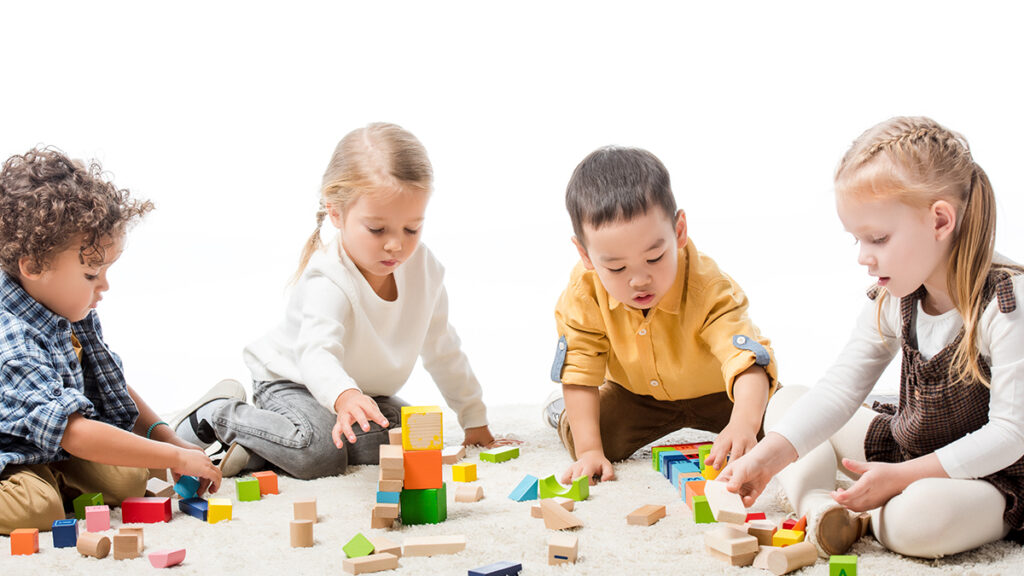
One of the most obvious benefits of playdates is the practice of sharing and cooperating. At home, children may not always need to compromise over toys or adjust their preferences. However, during a playdate, compromise becomes necessary. Whether it involves building with blocks, playing board games, or taking turns on a swing, children quickly discover that cooperation makes the experience more enjoyable for everyone.
Through these moments, children learn patience and teamwork. These lessons prepare them for classroom dynamics where collaboration and group participation are essential. Early experiences of sharing and cooperating during playdates thus form the groundwork for healthy social relationships in later life.
Developing Communication Skills
Playdates also offer an informal but highly effective environment for developing communication skills. Children learn how to express their ideas, negotiate with peers, and listen to others. For younger children, this might involve practicing simple sentences, while older children refine skills such as explaining rules or resolving disagreements.
As children practice communication in small groups, they gain confidence in their ability to express themselves. This confidence carries over into larger settings, such as classrooms or community activities, building a foundation of assertiveness and empathy that supports future social interactions.
Emotional Growth Through Peer Interaction
Building Empathy and Understanding
Playdates often mark a child’s first exposure to peers’ emotions and perspectives. Through these interactions, children observe how others respond to happiness, disappointment, or frustration. If a friend feels left out or upset, they learn the importance of offering comfort and showing empathy.
By engaging with peers in this way, children develop emotional intelligence—the ability to recognize, understand, and respond appropriately to emotions. These lessons in empathy become invaluable tools for forming compassionate, respectful relationships later in life.
Learning to Manage Conflict
Disagreements are inevitable during playdates, and that is part of their value. Conflicts over turns, toys, or the rules of a game provide children with opportunities to practice problem-solving. With gentle guidance from parents or caregivers, children learn strategies such as negotiation, compromise, and apology.
These experiences reduce the likelihood of avoidance behaviors later in life. Instead of fearing disagreements, children become more capable of addressing challenges constructively. Learning conflict resolution during playdates helps them grow into adaptable and resilient individuals.
Cognitive and Creative Benefits of Playdates
Stimulating Imagination and Creativity
Playdates often include unstructured play that sparks imagination. Whether children are pretending to be superheroes, creating fantasy worlds, or building forts, they engage in activities that encourage creativity.
This imaginative play is crucial for cognitive development. It fosters problem-solving, adaptability, and innovative thinking. Collaborative play allows children to expand on each other’s ideas, turning simple scenarios into complex games. These interactions nurture flexibility in thought and teach children to value diverse perspectives.
Enhancing Problem-Solving Skills
Playdates naturally present challenges that require children to think critically. Whether figuring out how to construct something together or resolving disputes about game rules, children must find solutions collaboratively.
These problem-solving moments encourage resilience. When ideas are rejected or plans don’t unfold as expected, children learn to adapt, try new approaches, and persist. These skills carry over into academics and other areas of life, reinforcing the idea that setbacks are opportunities for growth.
Playdates and Family Relationships
Strengthening Parent-Child Bonds
While playdates focus primarily on peer interaction, they also strengthen the bond between parents and children. Parents who arrange and support playdates show their children that their social lives are valued. This reassurance fosters trust and makes children more likely to share their experiences and emotions with their parents.
Playdates also give parents a chance to observe their child’s social behavior. Watching how their child interacts with peers offers valuable insights into their strengths and areas for growth. This information can guide future conversations and support strategies, enabling parents to better nurture their child’s development.
Building Community Among Families
Playdates also connect families. Parents who organize and attend playdates often form relationships with one another, creating informal support systems. These connections provide opportunities to exchange advice, share resources, and develop friendships.
Children benefit, too, as they see their parents engaging in community and building relationships. This models the importance of social connection and cooperation for them to carry into their own lives.
Playdates in the Digital Age
Balancing Screen Time and Face-to-Face Interaction
In today’s digital age, many children spend significant amounts of time on screens. While technology can offer educational and recreational value, it cannot replicate the benefits of face-to-face interactions. Playdates provide a necessary counterbalance, giving children real-life opportunities to communicate, cooperate, and build relationships.
Parents can encourage this balance by prioritizing playdates and ensuring screen time does not replace in-person interactions. By making space for real-world play, parents reinforce the value of direct human connection.
Virtual Playdates as an Alternative
There are times when in-person playdates are not possible, such as during health crises or when families live far apart. In these cases, virtual playdates can serve as a creative alternative. Activities like video calls, online collaborative games, or shared creative projects can still foster connection and communication.
Although they cannot replace the depth of in-person interactions, virtual playdates help maintain friendships and social skills when face-to-face meetings are limited. They ensure that children continue to experience social connection, even from a distance.
Long-Term Impact of Playdates
Preparing Children for School and Beyond
Playdates prepare children for the structured social environments of school. The ability to share, cooperate, and communicate effectively makes it easier for them to succeed in classrooms where teamwork and peer interaction are essential. These skills also benefit children in extracurricular activities and later professional environments.
By practicing social and emotional skills during playdates, children build a strong foundation for academic achievement, personal resilience, and adaptability. Far from being trivial, playdates are stepping stones toward lifelong success.
Supporting Lifelong Social Skills
The skills developed during playdates—empathy, cooperation, communication, and conflict resolution—are not short-lived. They form the basis of lifelong social abilities that contribute to well-being and success.
Children who engage in playdates are more likely to feel confident in social settings, form meaningful friendships, and navigate relationships with ease. These skills also reduce stress and promote emotional health, highlighting the lasting value of prioritizing playdates in childhood.
Conclusion
Playdates may appear to be simple, everyday gatherings, but their role in child development is profound. They give children the chance to practice essential life skills—empathy, communication, cooperation, creativity, and problem-solving—in ways that structured environments often cannot. Through playdates, children learn how to navigate relationships, resolve conflicts, and collaborate with peers, creating a strong foundation for academic achievement, emotional resilience, and personal growth.
For parents, playdates are not just opportunities for entertainment. They are chances to support their child’s development, observe their progress, and build community connections. In an era where digital devices often dominate, playdates offer children the irreplaceable gift of face-to-face interaction and genuine connection.
Ultimately, the impact of playdates extends far beyond childhood. They shape how children relate to others, how they approach challenges, and how they view themselves in the wider world. By prioritizing and nurturing these moments, parents give their children more than just playmates—they give them the skills and confidence to thrive in every stage of life.