How to Prepare Kids for School

Introduction
The first day of school is one of the most significant milestones in a child’s life. Whether it is their very first day of kindergarten or the beginning of a brand-new grade, the experience marks the start of a journey that will shape their academic, social, and emotional growth for years to come. For children, school represents more than a place to learn—it is a structured environment filled with new faces, routines, and expectations. For parents, it often brings a mix of emotions: excitement, pride, and perhaps a little anxiety about whether their child is truly ready.
Preparing kids for school involves far more than shopping for backpacks, sharpening pencils, or packing lunches. It is about nurturing a blend of academic, emotional, and social readiness that helps children approach the classroom with confidence and curiosity. While knowing letters and numbers is helpful, skills like resilience, independence, and social cooperation often play an even greater role in determining how smoothly children adjust to their new environment.
This article explores the many dimensions of school readiness. From creating consistent routines at home to building emotional resilience and fostering curiosity, it provides a thoughtful guide for parents who want to help their children feel secure, enthusiastic, and capable as they step into school life.
Understanding School Readiness
Beyond Academic Skills
When people imagine school readiness, they often picture children reciting the alphabet, counting to ten, or identifying colors. While these skills are certainly useful, true readiness is far broader. It includes emotional readiness—being able to separate from parents without excessive distress, managing frustration, and staying engaged in tasks for reasonable stretches of time. It also includes social readiness, such as knowing how to share, take turns, listen to others, and collaborate in group activities.
A child who can confidently join a group activity, handle minor conflicts, and ask for help when needed is likely to feel more secure in the classroom, even if they are still developing certain academic abilities. Teachers often emphasize that children who arrive with emotional and social skills adapt more smoothly, which in turn supports academic progress.
The Role of Developmental Milestones
It is important to remember that readiness is not measured by a calendar date. Children develop at their own pace, and comparing them too strictly to peers can create unnecessary stress. Instead, parents can look at developmental milestones across different areas: language, motor skills, attention span, and emotional regulation.
For instance, a child who can follow simple multi-step instructions, use words to express needs, or grip a pencil comfortably is demonstrating practical readiness for classroom tasks. Recognizing where your child currently stands developmentally allows you to offer support where it is most needed, without adding pressure or creating unrealistic expectations.
Establishing Routines Before School
The Importance of Structure
School life runs on routines: morning drop-offs, snack breaks, lessons, and lunchtime all follow predictable schedules. For children who have never experienced this level of structure, the adjustment can feel overwhelming. Parents can ease this transition by introducing consistent routines at home before school begins.
Simple habits—like having regular mealtimes, establishing a bedtime routine, and setting up predictable morning rituals—help children feel comfortable with structure. For example, practicing waking up at the same time each day, brushing teeth, and getting dressed before breakfast creates a sense of rhythm that mirrors the school day. When routines are already familiar, children can focus their energy on learning and adapting rather than struggling with unpredictability.
Practicing Independence in Daily Tasks
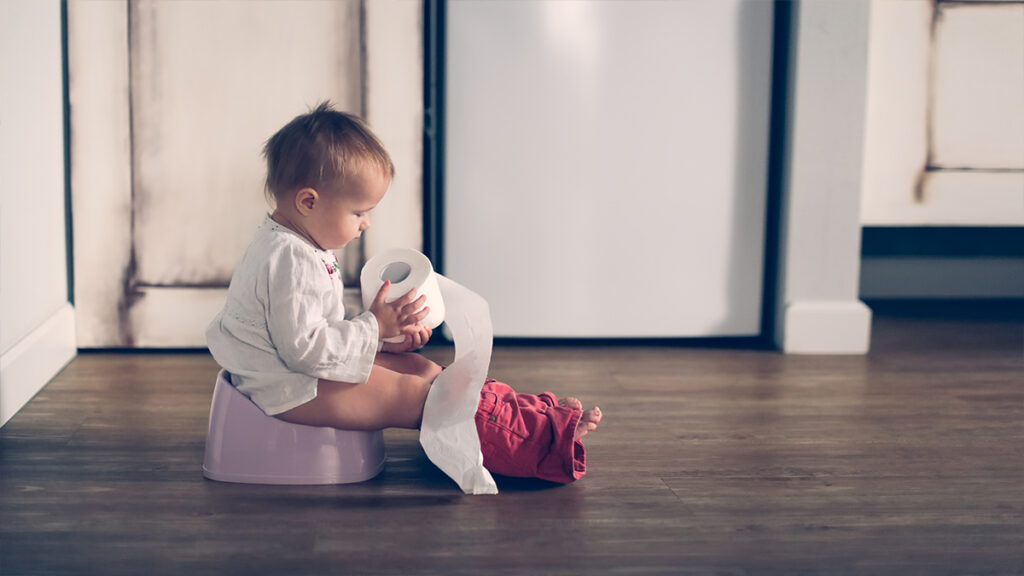
Alongside structure, school also requires children to handle certain tasks on their own. Putting on shoes, using the restroom, washing hands, or tidying up supplies are all skills that teachers encourage. Parents can begin building independence by gradually stepping back and allowing children to take responsibility for age-appropriate tasks.
It may take longer for a child to button their shirt or zip their backpack, but the sense of accomplishment they gain is invaluable. These small moments of independence build confidence, teaching children that they are capable of managing daily responsibilities. That confidence translates into greater ease in the classroom.
Supporting Emotional Readiness
Building Separation Confidence
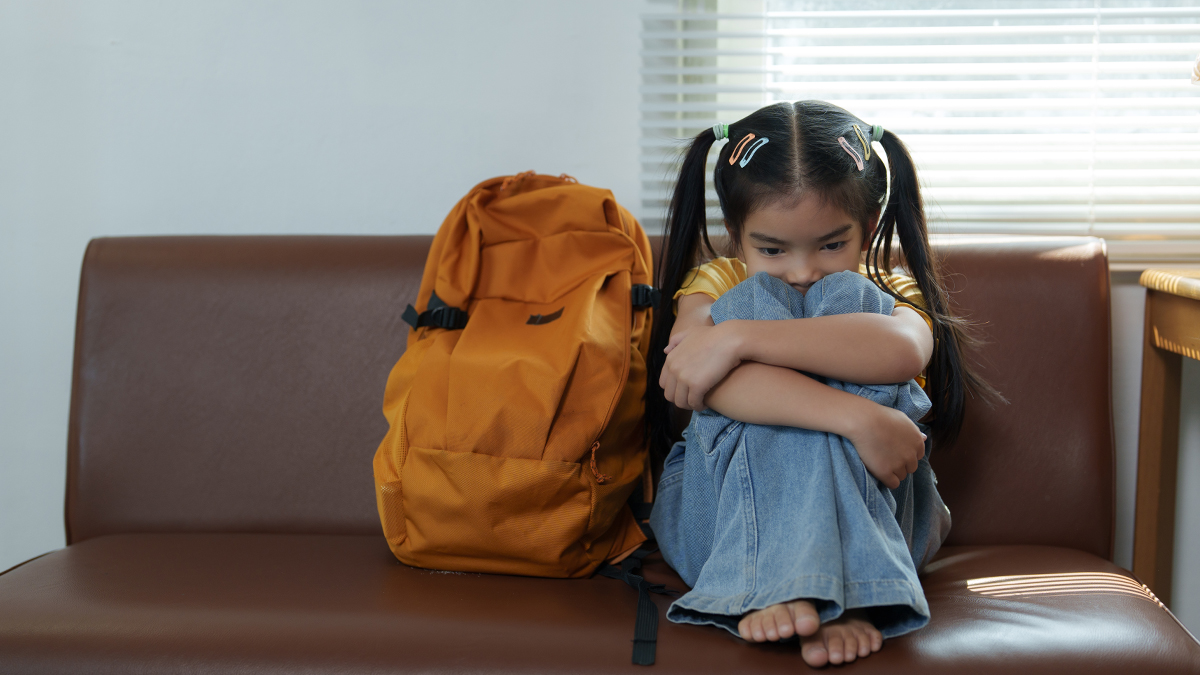
For many children, separating from parents for an entire school day is the most difficult adjustment. Tears and clinginess are common, especially during the first few days. Parents can prepare their children by practicing short separations before school begins—leaving them with a trusted caregiver, participating in preschool programs, or even setting up playdates without staying nearby.
Reading books about starting school, talking positively about teachers and new friends, and reassuring children that parents will always return are also helpful strategies. The goal is not to eliminate all nerves but to build trust and reduce anxiety so that children feel secure when it is time to say goodbye.
Encouraging Self-Regulation
Self-regulation—the ability to manage emotions and behaviors—is one of the most important skills children need to succeed in school. Parents can nurture this by teaching calming strategies, such as taking deep breaths, counting slowly, or using words to explain feelings instead of acting out.
Role-playing scenarios—like what to do if someone takes your toy, or how to ask for help when frustrated—gives children practical tools to manage challenges. When children learn that it is normal to feel nervous, angry, or sad but that there are healthy ways to cope, they step into school with greater resilience.
Developing Social Skills
Practicing Cooperation and Sharing
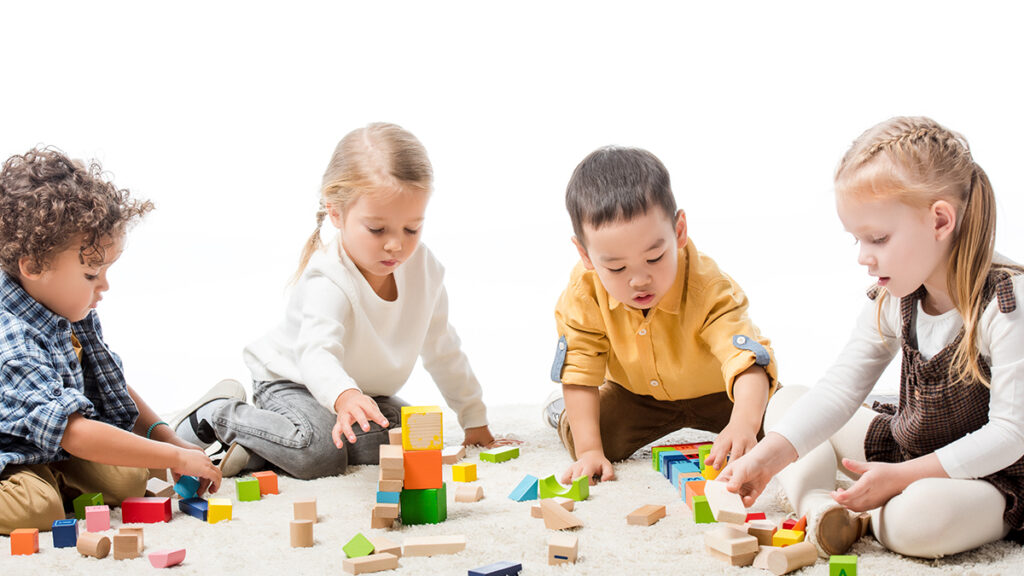
The classroom is a social space, and children will spend much of their day interacting with peers. Learning to cooperate—whether by sharing supplies, waiting their turn, or following group rules—is a skill that benefits everyone. Parents can create opportunities for practice through playdates, family activities, or group classes.
At home, modeling respectful communication, problem-solving, and compromise shows children how to handle conflicts constructively. Instead of swooping in to solve every disagreement, parents can guide children to listen, express their needs calmly, and find fair solutions. These skills build confidence for navigating friendships and group dynamics at school.
Building Communication Confidence
Communication is at the heart of school readiness. Children should feel comfortable expressing their needs, asking for help, and joining conversations. Parents can strengthen these skills through everyday discussions—asking open-ended questions about their child’s day, encouraging storytelling, and actively listening.
Reading books together also builds vocabulary and comprehension, while role-playing common classroom scenarios (such as raising a hand or asking for a pencil) helps children feel more prepared. A child who can confidently communicate is more likely to participate actively in class and develop strong relationships with teachers and peers.
Academic Foundations Without Pressure
Encouraging Early Literacy
Exposure to books and language is one of the best ways to prepare children for school. Reading aloud daily, pointing out words in the environment, and playing with rhymes and songs make literacy engaging and natural. Storytime should feel fun rather than like a lesson, encouraging a love of stories and an eagerness to learn.
Parents can also encourage children to tell their own stories or describe pictures, fostering imagination and narrative skills. The goal is not to pressure children to read before school but to instill curiosity and confidence around language.
Introducing Early Math Concepts
Early math skills can be developed through playful, everyday activities. Counting toys while cleaning up, measuring ingredients while cooking, or identifying shapes on a walk all reinforce mathematical thinking in a relaxed way.
Parents can also introduce games and puzzles that encourage problem-solving and number recognition. By framing math as exploration rather than memorization, children learn to approach it with curiosity instead of fear.
Fostering Curiosity and Critical Thinking
Perhaps the most valuable academic preparation is nurturing curiosity. Parents who encourage questions, experiments, and exploration help children develop critical thinking skills that will serve them throughout life. Responding with interest, even when questions are endless, communicates that curiosity is valuable and learning is exciting.
This mindset is often more powerful than specific skills because it shapes how children approach challenges and opportunities in school.
Preparing Practically for the First Day
Familiarizing Children With the School Environment
The unknown is often the scariest part of starting school. Visiting the school beforehand, attending orientation sessions, or even walking past the building can make the environment feel less intimidating. Exploring the playground, meeting teachers, or practicing the route to school all help children feel more comfortable.
Parents can also share their own positive school memories, highlighting the fun of making new friends and learning new things. By making the school environment familiar, parents reduce first-day jitters.
Practicing Daily Logistics
Daily routines like packing a lunch, organizing a backpack, or lining up may seem simple to adults but are new experiences for young children. Parents can practice these skills at home through playful role-play. Pretending to “go to school” by setting up a morning routine, packing a snack, or sitting for storytime makes these tasks feel familiar and even fun.
These small rehearsals help children approach the first day with confidence, reducing stress and confusion.
Supporting Ongoing Adjustment
Checking in With Children
Preparation does not end after the first day. Parents should continue to check in with their children regularly, asking about their experiences, feelings, and challenges. Open-ended questions like “What was your favorite part of today?” or “Was anything tricky for you?” encourage honest conversations.
Listening without judgment reassures children that their feelings are valid and that parents are available to support them through ups and downs.
Collaborating With Teachers
Teachers play a vital role in helping children adjust to school. Maintaining open communication with teachers helps parents stay informed about their child’s progress and challenges. Together, parents and teachers can create a consistent support system that reinforces learning and emotional well-being at home and in the classroom.
Addressing Common Challenges
Managing School Anxiety
It is normal for children to feel nervous about starting school, but persistent anxiety can interfere with adjustment. Parents can help by validating their child’s feelings, offering reassurance, and modeling calmness. Over time, confidence grows as children realize they can handle the new environment.
If anxiety continues, seeking guidance from teachers or child development specialists can provide additional strategies.
Supporting Reluctant Learners
Not every child is immediately enthusiastic about schoolwork. Parents can support reluctant learners by connecting learning to their interests—counting with favorite toys, writing stories about animals they love, or reading books about topics they are passionate about. Encouraging effort and persistence rather than perfection fosters resilience and a growth mindset.
Balancing Screen Time and Learning
In today’s digital world, managing screen time is part of preparing for school. While educational apps can be useful, too much passive screen use can interfere with focus and social development. Parents can set healthy boundaries by prioritizing play, outdoor activities, and family reading time. These experiences provide the well-rounded development that screens alone cannot offer.
Long-Term Benefits of Preparing Kids for School
Children who are well-prepared for school experience smoother transitions and greater confidence. They are more likely to approach challenges with resilience, build positive relationships, and develop a lifelong love of learning. Beyond academics, preparation fosters independence, emotional regulation, and social competence—skills that serve children not only in school but in every stage of life.
By focusing on holistic readiness—emotional, social, academic, and practical—parents lay the groundwork for success that extends far beyond the classroom walls.
Conclusion
Preparing kids for school is a journey that begins long before the first bell rings. It is not simply about teaching numbers or letters but about equipping children with the emotional strength, social skills, and independence they need to thrive in a structured environment. Parents who approach school readiness with patience, empathy, and consistency give their children an invaluable gift: the belief that they are capable, adaptable, and ready to learn.
Every child is unique, and preparation should reflect individual strengths and challenges. By fostering routines, encouraging independence, nurturing curiosity, and building resilience, parents transform the transition into school from a source of anxiety into an exciting adventure. Ultimately, the goal is not to create perfect students but to nurture confident, curious, and resilient learners who step into school eager to embrace all the opportunities ahead.