How to Handle Separation Anxiety

Introduction
Separation anxiety is one of the most common emotional hurdles children face as they grow. It typically emerges in infancy, becomes more pronounced in toddlerhood, and gradually lessens as children build confidence and independence. While it is entirely natural for a child to feel uneasy when apart from their parent or caregiver, separation anxiety can become overwhelming if it persists, intensifies, or interferes with daily life. Parents often find themselves confronted with tearful drop-offs, clinginess during routines, or resistance at bedtime. These moments, though developmentally normal, can leave both children and caregivers feeling drained and uncertain.
Handling separation anxiety is not about ignoring or dismissing a child’s feelings but about helping them build trust in the idea that separation is temporary and that reunions are certain. With patience, empathy, and consistency, parents can guide their children through this phase while also nurturing resilience and emotional security. By establishing predictable routines, offering reassurance, and teaching coping strategies, parents transform difficult separations into opportunities for growth. This article explores what separation anxiety is, why it happens, and how families can respond with care, confidence, and understanding.
Understanding Separation Anxiety
What Separation Anxiety Is
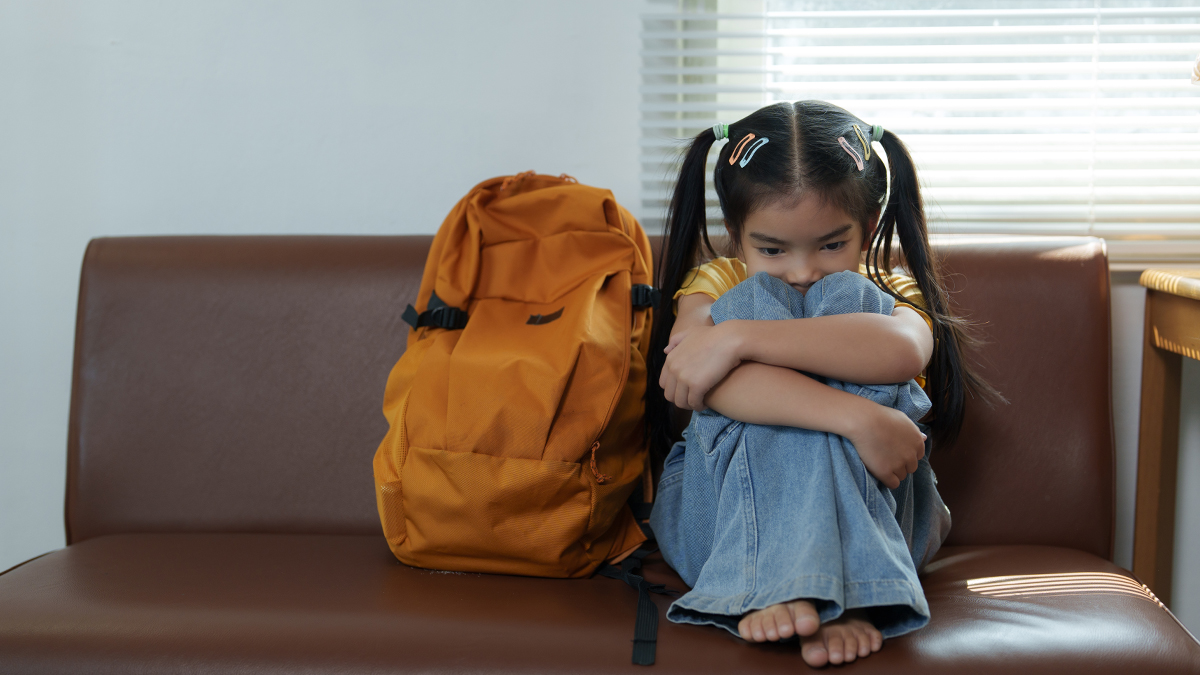
At its core, separation anxiety is the emotional distress children experience when apart from a parent or primary caregiver. While it is most common in infants and toddlers, it can surface in older children too, particularly during transitions such as starting school, moving to a new environment, or welcoming a sibling. Children often express their distress through crying, clinging, tantrums, or refusal to engage in activities when their parent is not nearby.
Although it may feel alarming, separation anxiety is usually a healthy sign of strong attachment. It reflects the child’s recognition that their caregiver provides comfort and security. The ultimate goal is not to sever this attachment but to help children gradually trust that separation does not mean abandonment, and that parents always return.
Why Separation Anxiety Happens
The roots of separation anxiety lie in developmental milestones. Around six to eight months, children begin to understand object permanence—the concept that people and objects still exist even when they are not visible. This newfound awareness can trigger anxiety because, although the child now understands their parent is gone, they do not yet have the assurance that the parent will return.
As children grow, separation anxiety may resurface during transitions such as entering preschool, changing routines, or facing stressful life events. While most children outgrow these fears naturally, those who lack consistent reassurance may continue to struggle. The key lies in guiding children through these moments with patience, stability, and empathy.
Emotional Impact on Parents and Children
How Children Experience Separation Anxiety
For children, separation can feel overwhelming. Their sense of time is limited, and they may perceive absence as abandonment rather than a temporary event. This emotional intensity often manifests as clinginess, crying, or refusal to separate. These behaviors, though sometimes challenging, are not signs of disobedience. Instead, they represent a child’s attempt to communicate fear and their need for reassurance.
Over time, when children receive empathy and consistent support, they gradually learn that their emotions are valid and that separations are survivable. Each positive experience of being separated and then reunited builds resilience and trust, helping to reduce the severity of anxiety.
How Separation Anxiety Affects Parents
Parents often experience separation anxiety in their own way. Watching a child cry or resist separation can trigger feelings of guilt, frustration, or self-doubt. Some parents may worry they are being neglectful, while others feel torn between comforting their child and fostering independence. Without tools and perspective, these emotions can intensify, making separations even harder for both parent and child.
It is essential for parents to recognize that separation anxiety is not a reflection of poor parenting but a normal developmental stage. By approaching it with confidence and consistency, parents not only ease their child’s fears but also strengthen their own role as a steady source of guidance and comfort.
Strategies for Supporting Children With Separation Anxiety
Establishing Predictable Routines
Children thrive on predictability. Establishing consistent routines makes transitions less intimidating and offers a sense of security. A special goodbye ritual—such as a hug, a kiss, and a short phrase like “See you soon!”—signals to the child that separation is coming but will be followed by reunion. Similarly, bedtime routines that follow the same steps each night help children feel safe and calm as they settle without their parent’s immediate presence.
Predictability reassures children that separations are temporary. Over time, they begin to trust the rhythm of daily life, knowing that a parent always returns after school, work, or bedtime. This sense of security gradually reduces the intensity of anxiety.
Building Confidence Through Small Steps
Gradual exposure to separation is one of the most effective ways to build resilience. Parents can start with short, low-stress absences, such as stepping into another room for a few minutes, leaving the child with a trusted caregiver, or running a quick errand. As children succeed in managing short separations, the length can be increased gradually.
Each successful experience reinforces trust and self-confidence. When parents return as promised, they demonstrate reliability, helping the child feel more secure about handling future separations.
Maintaining Calm and Reassuring Responses
Children are highly attuned to their parents’ emotions. If a parent appears anxious, rushed, or conflicted during separation, the child may interpret this as a sign that the situation is unsafe. Maintaining calm, confident, and reassuring responses communicates security. A warm but brief goodbye is often more effective than lingering or sneaking away, which can erode trust.
Age-appropriate explanations also help. Phrases like, “I’ll be back after snack time,” give children a framework, even if they do not fully understand time. Linking reunion to familiar events makes absence easier to manage.
Supporting Older Children With Separation Anxiety
School-Related Separation Anxiety
For older children, separation anxiety often emerges when starting school or moving into a new grade. The fear of being apart from parents, combined with the pressures of adjusting to an unfamiliar environment, can make school drop-offs especially challenging.
Parents can ease this transition by fostering excitement about school. Talking about new friends, fun activities, or favorite subjects frames school as a positive experience. Collaborating with teachers to create strategies—such as greeting rituals, comfort items, or predictable drop-off routines—also reassures children. Over time, the consistent experience of being dropped off and picked up safely reinforces their confidence in handling separations.
Life Transitions and Emotional Support
Separation anxiety can reappear during significant life changes, such as moving homes, welcoming a sibling, or navigating family stress. In these moments, children may regress to earlier behaviors like clinginess or reluctance to be alone. Parents can support them by offering extra attention, open communication, and reassurance. Maintaining familiar routines during these times provides stability and helps children regain their sense of control.
Long-Term Coping and Building Resilience
Encouraging Independence
Helping children build independence is a vital step in overcoming separation anxiety. Parents can encourage independence by giving children age-appropriate responsibilities, such as setting the table, packing a school bag, or choosing their clothes. These tasks foster confidence and a sense of capability.
Allowing children to make decisions, even small ones, also reinforces autonomy. When children feel capable and trusted, they are less dependent on constant reassurance. This growing independence prepares them not only for separations but also for the broader challenges of life.
Strengthening the Parent-Child Bond
One of the most effective ways to help children cope with separation anxiety is by strengthening the bond during moments of connection. Quality time, consistent affection, and attentive listening create a secure base from which children can explore the world. When children feel loved and valued, they carry that sense of security even when parents are not physically present.
This bond does not eliminate separation anxiety overnight, but it gives children the emotional foundation to handle separations with greater confidence. It teaches them that love and connection endure, regardless of physical distance.
Conclusion
Separation anxiety is a normal and often temporary part of childhood, but it can feel overwhelming for both children and parents. By understanding its causes, responding with empathy, and creating supportive routines, parents can help children navigate their fears with greater ease. Gradual exposure, predictable rituals, and consistent reassurance all provide children with the tools to handle separations confidently.
For parents, the process requires patience and self-compassion. It is natural to feel challenged by a child’s distress, but maintaining calm and consistency models the emotional regulation children need. Over time, children come to understand that separations are temporary pauses in connection, always followed by reunion.
Ultimately, handling separation anxiety is not about eliminating fear but about teaching children that they are safe, loved, and capable. With steady guidance, children build the resilience and trust that will serve them throughout life—preparing them to grow into confident, secure, and independent individuals who can face new experiences with courage.