Tips for Positive Potty Training

Introduction
Potty training is one of the most meaningful milestones in early childhood, symbolizing a child’s gradual journey toward independence. For parents, it is often a mix of excitement and apprehension. On one hand, it marks the end of diapers and the joy of seeing your child gain a new life skill. On the other, it brings a host of questions: When should we start? What if my child resists? How do we handle setbacks without frustration?
The reality is that potty training is not a uniform process. Every child develops at their own pace, and what works smoothly for one child may not suit another at all. Some children are eager to learn early, while others need more time to feel ready. What makes all the difference is the approach.
Positive potty training emphasizes encouragement, patience, and support. Rather than treating accidents or delays as failures, it frames the experience as an opportunity for bonding and growth. When children feel respected and supported during this stage, they are more likely to build confidence and master this skill with less stress.
This article explores practical strategies for positive potty training, how to recognize readiness, ways to create a nurturing environment, and approaches to handling setbacks gracefully. It also highlights how potty training, when approached with positivity, can strengthen the parent-child bond and instill confidence that goes far beyond the bathroom.
Understanding Readiness for Potty Training
Signs of Developmental Readiness
The most important factor in successful potty training is timing. Potty training should not be tied to a specific age but rather to developmental cues. Some children begin showing signs of readiness around 18 months, while others may not be prepared until closer to three years old.
Key indicators include staying dry for longer periods, showing discomfort in a wet or soiled diaper, expressing curiosity about the toilet, or being able to follow simple directions. Physical skills such as walking steadily, pulling pants up and down, or sitting securely on a potty also signal readiness.
Recognizing these cues and respecting a child’s pace reduces frustration for both parent and child. Starting before a child is ready often leads to resistance, while waiting for the right signs makes the journey smoother and more positive.
Emotional Readiness Matters Too
Potty training isn’t only about physical readiness. Emotional readiness plays an equally important role. A child who feels curious, secure, and open to trying new things is more likely to respond positively to potty training. Conversely, a child who feels anxious or resists strongly may need more time.
If a child cries, hides, or becomes upset when introduced to the potty, it may be best to pause and try again later. Forcing the process can create power struggles and anxiety, which only make potty training more difficult. A child who feels respected and unhurried will eventually approach the process with greater confidence.
Creating a Positive Environment
Making the Bathroom a Welcoming Space
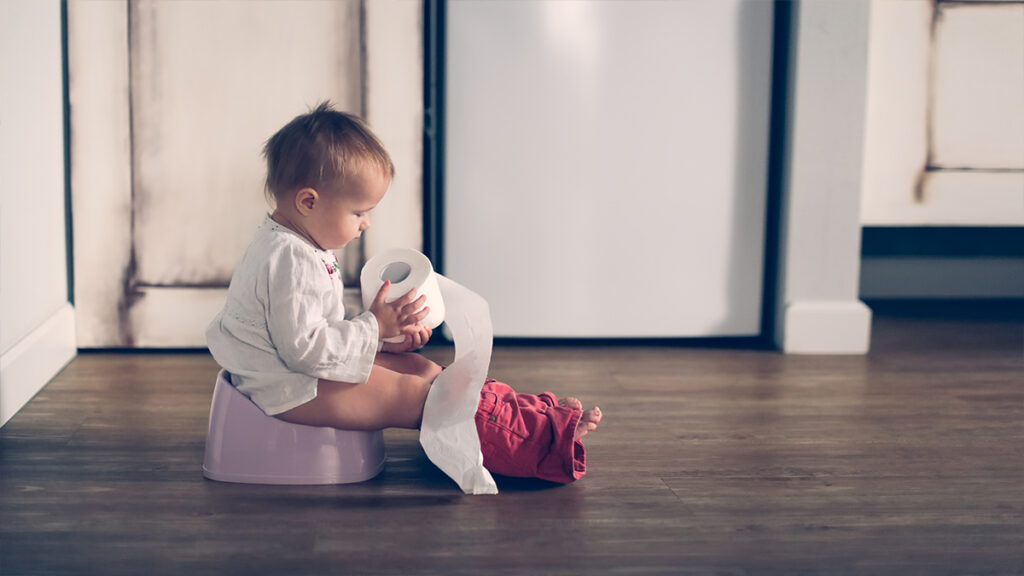
For many young children, the bathroom can feel overwhelming. Toilets are large, noisy, and sometimes intimidating. Creating a warm, child-friendly bathroom helps children feel more at ease. A child-sized potty chair or a secure toilet seat attachment makes the experience less daunting. Adding colorful step stools, fun soap, or picture books about potty training can make the environment inviting and less clinical.
Personalizing the space signals to the child that this is a safe and special place just for them. The more comfortable the environment, the more likely children will be to use the potty consistently.
Establishing Routine and Consistency
Children thrive on predictability, and potty training is no exception. Establishing regular times to sit on the potty—such as after meals, before naps, or before bedtime—helps children learn when to expect bathroom breaks.
At first, children may not produce results every time they sit, but the routine itself builds familiarity. Over time, the act of sitting on the potty becomes a habit, reducing anxiety and reinforcing the idea that this is a normal part of daily life.
Consistency also applies to how parents respond. When parents remain calm and supportive, even during accidents, children learn that potty training is a safe and positive process rather than something to fear.
Encouraging Independence
Letting Children Take the Lead
Positive potty training empowers children by giving them control over the process. Instead of constant reminders or pressure, parents can encourage children to decide when to try the potty or offer choices, such as selecting their potty chair or picking underwear with favorite characters.
This sense of ownership reduces resistance and fosters confidence. Children feel proud when they are trusted to take charge of their own progress, and that pride often motivates them to keep going.
Teaching Self-Care Skills
Potty training is about more than just using the toilet—it’s also about self-care and independence. Parents can gently introduce related routines like flushing, washing hands, and pulling pants up and down.
These small steps build responsibility and a sense of accomplishment. Over time, children begin to see potty training not as a single skill but as part of a larger journey toward independence.
Managing Challenges with Patience
Handling Accidents Gracefully
Accidents are inevitable. They are not signs of failure but simply part of the learning process. When they happen, children may feel embarrassed or discouraged. Responding with frustration or punishment can intensify these feelings and create shame around the process.
Instead, parents can calmly clean up, reassure the child, and encourage them to try again next time. Simple statements like, “That’s okay, accidents happen. Let’s try again later,” help normalize mistakes and keep the experience positive.
Dealing with Resistance
Some children resist potty training because of fear, discomfort, or a desire for control. In these cases, pushing harder often backfires. Rather than turning potty training into a power struggle, parents can ease resistance by making the process playful—through games, songs, or reading stories while sitting on the potty.
If resistance continues, taking a short break and trying again later can be the most effective strategy. Potty training is rarely linear; sometimes stepping back allows progress to resume naturally.
Nighttime Potty Training
Daytime and nighttime potty training often develop at different rates. Many children achieve daytime control long before their bodies are physically ready to stay dry at night. Nighttime training depends on a child’s ability to recognize bladder signals while sleeping, a developmental milestone that takes longer to achieve.
Parents can support nighttime training by using waterproof mattress covers, limiting liquids before bed, and celebrating dry nights when they happen—without scolding for accidents. Over time, as the child’s body matures, nighttime dryness will typically follow.
Using Positive Reinforcement
Celebrating Success
Acknowledging small wins is central to positive potty training. Whether it’s sitting on the potty for the first time, successfully flushing, or staying dry for part of the day, celebrating progress builds excitement and confidence.
Celebrations do not need to be extravagant. Simple praise, high-fives, clapping, or letting the child place a sticker on a chart can be powerful motivators. The goal is to make the child feel proud of their effort and eager to keep trying.
Avoiding Punishment
Negative reactions—such as scolding, shaming, or comparing—can do more harm than good. Punishment can create fear and resentment, turning potty training into a stressful battle. Instead, positive reinforcement focuses on encouragement and patience.
By treating accidents as opportunities to learn, parents show children that mistakes are not failures but stepping stones toward success. This mindset not only supports potty training but also nurtures resilience in other areas of life.
The Role of Parents in Positive Potty Training
Modeling Calm and Confidence
Children often mirror their parents’ emotions. A parent who approaches potty training with patience and calmness creates a reassuring atmosphere. Even when setbacks occur, demonstrating confidence shows children that challenges are temporary and manageable.
Parents who maintain composure also reduce their own stress, making the process feel less like a struggle and more like a shared journey.
Encouraging Communication
Open, age-appropriate communication makes potty training less intimidating. Parents can explain what’s happening in simple terms, answer questions honestly, and use consistent words for bodily functions. Terms like “pee” and “poop” help normalize conversations and reduce embarrassment.
Encouraging dialogue gives children a safe space to express their feelings, ask questions, or voice concerns. When children feel included in the process, they are more cooperative and engaged.
Working as a Team
Consistency across caregivers is crucial. Parents, grandparents, babysitters, and teachers should all use the same approach to potty training. When expectations remain consistent across different environments, children feel secure and less confused.
Collaborating as a team reinforces the child’s learning and ensures that progress continues smoothly, no matter who is caring for them.
Potty Training Across Different Stages
Toddlers and Early Preschoolers
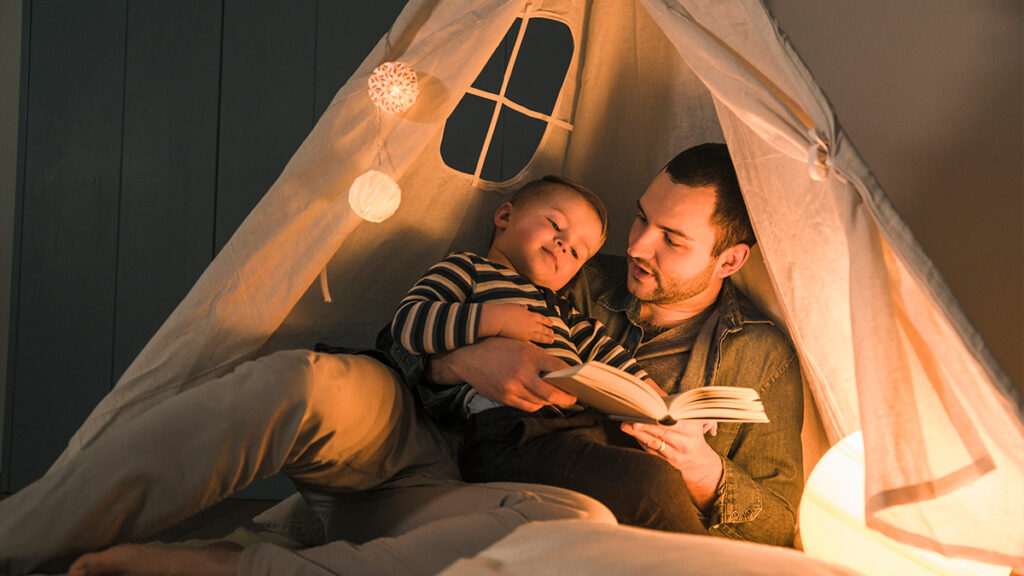
For younger toddlers, potty training is often about exploration rather than mastery. At this stage, short, playful introductions to the potty can spark curiosity without pressure. Reading books about potty training, singing songs, or letting toddlers observe older siblings using the toilet can normalize the process and spark interest.
Older Preschoolers
Older preschoolers may be more capable of independence but can also show resistance if they feel pressured. Respecting autonomy while keeping routines consistent is key. Playful tools such as sticker charts, story-based encouragement, or imaginative games make the process engaging without turning it into a battle of wills.
Children with Delays or Special Needs
Some children, particularly those with developmental delays or sensory sensitivities, may require more time and individualized approaches. In these cases, parents can collaborate with pediatricians, occupational therapists, or educators to adapt potty training strategies.
With tailored support and patience, children with additional needs can also achieve success at their own pace.
Long-Term Benefits of Positive Potty Training
Potty training is more than a milestone—it is a foundation for independence, confidence, and self-care. Children who experience potty training as a positive journey learn that challenges can be approached with patience and encouragement. They develop resilience, body awareness, and responsibility for their own routines.
For parents, positive potty training deepens the bond with their child. The process becomes a shared adventure filled with laughter, patience, and small victories rather than a source of stress. Families who frame potty training as a positive experience lay the groundwork for children to approach future milestones—whether tying shoes, starting school, or learning new skills—with confidence and optimism.
Conclusion
Potty training is one of early childhood’s most significant milestones. While it can bring challenges, it also offers opportunities for growth, independence, and connection. By focusing on positivity, patience, and respect for each child’s pace, parents can transform potty training into a rewarding experience for the entire family.
Positive potty training is not about strict timelines or rigid rules. It’s about creating a nurturing environment, encouraging independence, handling setbacks with grace, and celebrating every small success. When parents approach the process with calm confidence, they give their children the tools not just to master the potty but to face challenges with resilience and self-assurance.
Ultimately, potty training is more than a developmental step—it is an opportunity to build trust, strengthen bonds, and foster confidence that lasts long after the potty years are over.