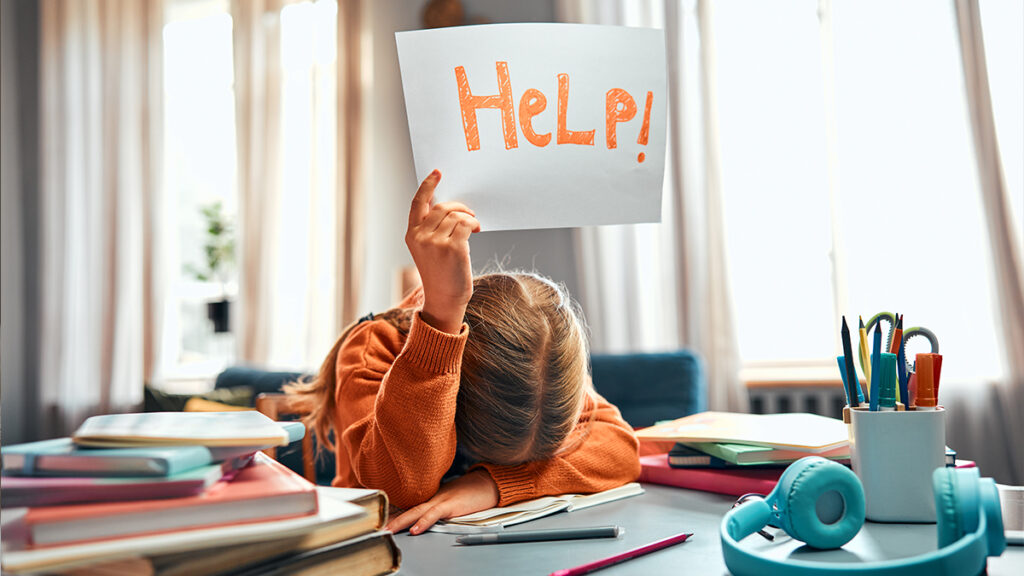
Helping Kids Build Self-Esteem


Introduction
Every parent dreams of raising children who feel secure in who they are—confident, resilient, and comfortable in their own skin. While intelligence, talents, and opportunities matter, one of the most essential building blocks of a child’s development is self-esteem. This inner sense of worth shapes how children see themselves, how they interact with others, and how they handle both triumphs and setbacks.
Self-esteem is more than surface-level confidence. It is the foundation upon which children build their understanding of what they can do, how they belong in the world, and why they matter. It influences not only the choices they make but also their ability to bounce back from challenges and pursue goals with determination.
Helping kids build self-esteem is not about showering them with empty praise or removing all obstacles from their path. Instead, it is about nurturing a deep, lasting belief in their value and abilities—grounded in love, encouragement, resilience, and self-acceptance. Children with healthy self-esteem are better prepared to take risks, navigate difficulties, and cultivate meaningful relationships.
This article explores why self-esteem is so vital in childhood, how it develops, and practical ways parents and caregivers can support it.
Why Self-Esteem Matters in Childhood
The Role of Self-Worth in Development
At its core, self-esteem is a child’s belief in their own value and abilities. It acts like an inner compass, guiding how they think, behave, and respond to the world. When children grow up feeling respected and capable, they are more likely to explore new opportunities, persist through challenges, and approach life with optimism.
A child with strong self-esteem doesn’t crumble at the first sign of difficulty. Instead, they see mistakes as stepping stones and setbacks as temporary hurdles. This balanced perspective prevents failure from becoming an identity. On the flip side, children with fragile self-esteem may doubt themselves, avoid risks, or withdraw from situations that challenge them.
Healthy self-esteem isn’t about arrogance or believing one is perfect. Rather, it is about recognizing both strengths and areas for growth while still valuing oneself. That balance allows children to engage with life fully and authentically.
Long-Term Impact
The effects of childhood self-esteem reach far beyond the early years. Adults who were supported in developing confidence and resilience as children are more likely to pursue education, nurture healthy relationships, and find fulfillment in their careers. Their sense of self-worth fuels motivation and perseverance.
By contrast, children who grow up doubting themselves often carry those insecurities into adulthood. Low self-esteem can manifest as difficulty asserting oneself, fear of failure, anxiety, or even depression. Addressing these struggles later in life can be far more challenging than fostering confidence early on.
By investing in their children’s self-esteem now, parents are laying the foundation for lifelong stability, resilience, and growth.
Understanding How Self-Esteem Develops
The Influence of Early Relationships
The seeds of self-esteem are planted in infancy. Babies begin to form a sense of security and value when their caregivers respond consistently to their needs with warmth and love. A baby who is soothed when they cry or encouraged when they explore learns: I am safe, I matter, and I can trust others.
As children grow into toddlers and beyond, these early lessons expand. A child who is praised for trying, comforted when they fail, and accepted for who they are internalizes a sense of worth. On the other hand, frequent criticism, neglect, or emotional unavailability from caregivers can erode self-esteem, leading to patterns of self-doubt that linger well into adulthood.
Social and Environmental Influences
Family is only the starting point. As children enter school and expand their social worlds, peers and teachers play powerful roles in shaping self-esteem. Friendships, classroom dynamics, and extracurricular activities provide constant feedback that influences how children perceive themselves.
Supportive teachers who highlight effort and creativity can boost confidence, while bullying or exclusion from peers can devastate it. Environments that foster acceptance and encouragement help children feel valued and safe to take risks. Environments that emphasize only performance, competition, or criticism can undermine a child’s belief in themselves.
Creating a Supportive Environment for Confidence
Encouraging Individual Strengths
Every child is unique. Some excel at sports, others shine in art, music, or academics, and some possess quiet strengths like empathy, humor, or determination. Recognizing and encouraging these individual qualities allows children to feel valued for who they are, not just how they compare to others.
Parents can nurture this by celebrating small milestones—mastering a new word, finishing a puzzle, learning to ride a bike. These moments of recognition reinforce a child’s sense of competence.
Equally important is how parents handle struggles. Instead of focusing solely on results, highlighting persistence and effort teaches children that challenges are opportunities for growth. This perspective prevents children from equating mistakes with failure, instead framing them as part of the learning process.
Building Trust and Communication
Children thrive when they know their voices matter. Open communication gives them space to share thoughts, fears, and dreams without fear of judgment. Parents who listen with empathy—really listening, not just preparing to respond—send a powerful message: Your feelings are valid, and you are important.
Trust also grows when love and guidance are consistent. Setting boundaries while showing unconditional acceptance communicates that children are valued, even when they stumble. This combination of structure and warmth provides the stability kids need to build confidence.
The Role of Challenges in Building Self-Esteem
Learning Through Struggles
It’s natural for parents to want to shield their children from pain or frustration. Yet avoiding challenges deprives children of the chance to discover their own strength. Struggles are not threats—they are opportunities.
When a child struggles to master a skill, like swimming or solving a tough math problem, they may feel discouraged. But with encouragement and time, success eventually follows. That success, hard-earned, builds more confidence than anything handed to them easily.
These moments teach children that they are capable of overcoming obstacles. They learn resilience, patience, and the valuable truth that setbacks are not permanent.
Balancing Support and Independence
Parental support during challenges is crucial—but so is knowing when to step back. Children need encouragement, but they also need space to try, fail, and try again.
Over-involvement, such as constantly stepping in to fix problems, can unintentionally send the message: You can’t handle this on your own. Instead, parents should strike a balance by offering guidance and encouragement while allowing children to own their efforts. This fosters both confidence and independence.
Encouraging Positive Self-Talk
Replacing Self-Doubt with Affirmation
Children absorb the messages they hear, both from others and from themselves. Negative self-talk—statements like “I’m not good at this” or “I’ll never get it right”—can quietly erode confidence. Parents can help by teaching children to notice these thoughts and replace them with constructive affirmations.
Simple shifts in language, such as “I can’t do this yet” instead of “I can’t do this,” emphasize growth and possibility. Over time, these affirmations reshape how children view themselves and their potential.
Modeling Confidence
Children also learn by watching how adults handle challenges. When parents demonstrate patience, persistence, and positive self-talk—saying things like, “This is tough, but I’ll keep trying”—they provide powerful models of resilience.
By observing parents navigate struggles with optimism, children internalize the lesson that confidence isn’t about being perfect. It’s about trusting oneself to keep going.
The Connection Between Self-Esteem and Relationships
Building Friendships
Friendships are vital for a child’s self-esteem. Being accepted, supported, and valued by peers reinforces their sense of belonging. Parents can support this by encouraging social opportunities, teaching empathy, and helping children resolve conflicts constructively.
Learning how to collaborate, share, and communicate effectively not only strengthens friendships but also builds a positive self-image.
Strengthening Family Bonds
Family remains the first and strongest anchor of self-esteem. Shared traditions, family meals, and quality time together remind children that they are loved and valued. These bonds create a secure foundation from which children can explore the wider world with confidence.
When children feel rooted in unconditional love at home, they carry that confidence into school, friendships, and future relationships.
Long-Term Benefits of Building Self-Esteem
Academic and Personal Achievement
Children with healthy self-esteem engage in learning with curiosity and persistence. They take on challenges, embrace mistakes as part of growth, and stay motivated to improve. Their confidence translates into achievement—not just academically but also in sports, arts, and personal interests.
This willingness to try, fail, and try again is the engine of both success and fulfillment.
Emotional Resilience
Self-esteem is a shield against life’s inevitable setbacks. Children with confidence don’t collapse under pressure; they develop coping strategies and maintain perspective. This emotional resilience protects against anxiety, depression, and discouragement, laying the groundwork for lifelong well-being.
Healthy Relationships in Adulthood
Perhaps most importantly, children with strong self-esteem grow into adults who value themselves and others. They are more likely to form relationships based on respect, equality, and trust. They know their worth and can appreciate others without fear of inadequacy.
This balance leads to healthier friendships, romantic partnerships, and professional interactions, shaping not only individual lives but also communities.
Conclusion
Helping kids build self-esteem is one of the most meaningful investments parents and caregivers can make. It shapes how children see themselves, how they engage with others, and how they navigate the ups and downs of life. Self-esteem grows from love, encouragement, resilience, and opportunities to take risks and succeed.
By creating supportive environments, guiding children through challenges, encouraging positive self-talk, and modeling confidence, parents can help their children build a strong inner foundation. This foundation empowers them to face challenges with courage, pursue their goals with determination, and form relationships built on respect and trust.
Ultimately, fostering self-esteem is not about creating perfect children. It is about helping them recognize their inherent worth, embrace their uniqueness, and trust in their potential. With this strong sense of self, children grow into resilient, compassionate adults who understand that their value lies not in external validation but in the quiet, unshakable belief they carry within themselves.