How to Encourage Mindfulness in Children

Introduction
In today’s fast-paced world, children are growing up in an environment filled with constant stimulation. Between school demands, extracurricular commitments, technology, and the ever-present pull of social media, moments of stillness have become rare. Yet it is within those moments of calm that children can truly learn to regulate their emotions, build focus, and develop resilience. Mindfulness, once considered a practice primarily for adults, has proven to be just as transformative for children.
At its core, mindfulness is about being present—paying attention to thoughts, emotions, and surroundings without judgment. For kids, this doesn’t mean sitting in silence for hours. Instead, mindfulness for children is about weaving simple, age-appropriate practices into daily routines. These practices teach children how to pause, notice their feelings, and connect with the world around them.
When children are introduced to mindfulness early, they carry these skills into adolescence and adulthood. They learn to approach challenges with greater calm, to manage stress more effectively, and to cultivate compassion for themselves and others. In this article, we’ll explore why mindfulness matters for children, the benefits it offers, and practical ways parents and educators can integrate it into everyday life.
Why Mindfulness Matters for Children
Supporting Emotional Development
Childhood is full of big emotions. From the joy of small victories to the frustration of setbacks, children often feel things intensely. Without guidance, these emotions can overwhelm them. Mindfulness helps children recognize their emotions without being consumed by them. For example, a child who learns to pause and take slow, deep breaths when upset is more likely to respond calmly rather than lash out.
Over time, this practice strengthens emotional regulation. Children develop the ability to identify what they’re feeling, process it thoughtfully, and choose healthier responses. This emotional awareness not only builds resilience but also improves their ability to connect meaningfully with others.
Improving Focus and Concentration
In classrooms and homes alike, distractions are everywhere. From buzzing devices to wandering thoughts, it’s easy for children to lose focus. Mindfulness strengthens attention by teaching children to notice when their minds drift and gently bring their focus back to the task at hand.
This “mental muscle” of concentration is invaluable in school, where success often depends on sustained focus. Children who practice mindfulness consistently tend to listen more attentively, complete tasks more efficiently, and feel more engaged in learning.
Reducing Stress and Anxiety
Even young children experience stress. Academic pressures, peer relationships, and family changes can create worry and unease. Mindfulness provides simple tools for grounding children in the present, helping them manage stress without being overwhelmed by it. Techniques such as mindful breathing or sensory awareness activate the body’s calming systems, reducing anxiety and promoting peace of mind.
Research shows that children who practice mindfulness regularly report lower stress levels and higher overall well-being. For many families, it becomes a valuable tool not just for managing exams or conflicts but for navigating everyday life.
Building Compassion and Empathy
Mindfulness is not only about self-awareness but also about awareness of others. By noticing their own feelings, children become more attuned to the emotions of those around them. This heightened awareness fosters empathy and compassion.
When children pause to consider how their actions affect others, they become more thoughtful in their interactions. A mindful child is more likely to share, resolve conflicts peacefully, and practice kindness in daily life. This benefit extends beyond childhood, laying the foundation for strong, healthy relationships in adulthood.
The Role of Parents and Educators in Teaching Mindfulness
Modeling Mindfulness in Daily Life
Children often learn more from observation than instruction. Parents and teachers who practice mindfulness themselves provide a powerful model for kids. When adults stay calm under pressure, listen with full attention, and remain present in conversations, they show children what mindfulness looks like in action.
A parent who pauses to breathe deeply before responding to a stressful situation teaches their child far more than words ever could. Similarly, a teacher who creates a moment of calm before beginning a lesson demonstrates the value of starting with focus and intention.
Creating Mindful Environments
Environments play a significant role in encouraging mindfulness. At home, creating tech-free zones or designated times for family connection can reduce distractions and foster presence. In schools, brief mindfulness breaks—such as silent breathing or grounding exercises—help students reset and prepare for learning.
When mindfulness is woven into the culture of home and school, it feels less like a special activity and more like a natural way of living. Children learn that mindfulness is simply part of how we move through the world with awareness and care.
Introducing Mindfulness to Children
Starting with Simple Practices
The key to introducing mindfulness is keeping it simple and age-appropriate. For younger children, activities that focus on the senses work especially well. Listening carefully to sounds in nature, noticing the taste of food, or describing the colors around them are playful ways to bring awareness to the present moment.
As children get older, practices such as mindful breathing, guided imagery, or short meditations can be introduced. The goal is not to demand long sessions but to make mindfulness engaging and enjoyable. Even a few minutes each day can make a meaningful difference.
Encouraging Curiosity and Non-Judgment
Mindfulness also teaches children to approach their experiences without labeling them as “good” or “bad.” Instead, they are encouraged to observe with curiosity. A child who learns to notice feelings of frustration without labeling themselves as “bad” develops a healthier relationship with emotions.
Parents and teachers can reinforce this by validating feelings without rushing to fix them. For example, saying, “It sounds like you’re feeling disappointed. That’s okay—let’s sit with that feeling for a moment,” teaches children that all emotions are valid and manageable.
Mindfulness Practices for Everyday Life
Mindful Breathing
Breathing is one of the simplest yet most powerful mindfulness practices. Teaching children to notice their breath helps anchor them in the present. Parents might use playful imagery, such as pretending to blow up a balloon with each exhale or smelling a flower and blowing out a candle. These exercises make mindfulness fun while giving kids practical tools to calm themselves when overwhelmed.
Mindful Eating
Mealtimes can become moments of mindfulness when children are encouraged to slow down and savor each bite. By noticing flavors, textures, and smells, children connect more deeply to the experience of eating. This not only promotes healthier eating habits but also fosters gratitude for food and the effort it takes to prepare it.
Nature Awareness
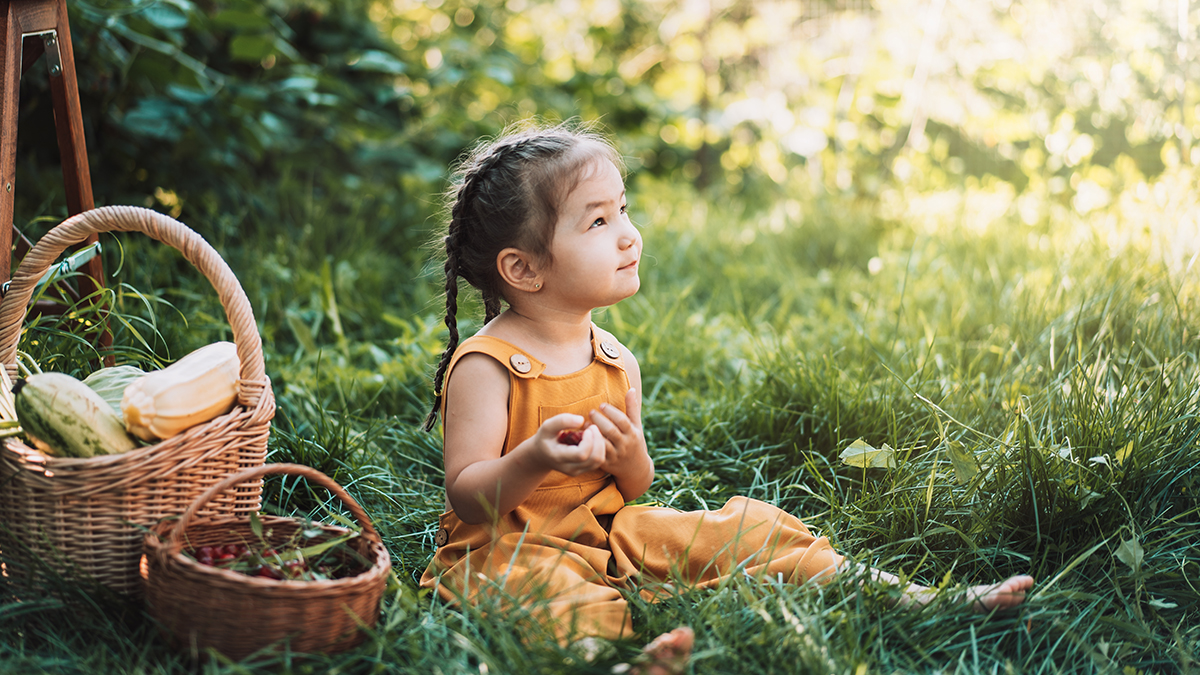
Spending time in nature is naturally grounding. Encouraging children to notice the sound of birds, the feeling of grass under their feet, or the changing colors of leaves brings them into the present moment. These activities not only calm the mind but also nurture an appreciation for the natural world and a sense of belonging within it.
Gratitude Practices
Mindfulness and gratitude go hand in hand. Simple rituals, like sharing one thing the family is grateful for at dinner or keeping a gratitude journal, encourage children to focus on what they have rather than what they lack. Gratitude fosters contentment and reinforces the mindful practice of noticing the good in daily life.
The Long-Term Benefits of Mindfulness in Children
Academic Success
Mindfulness directly supports learning by enhancing focus, memory, and self-regulation. Children who are able to pay attention without becoming distracted are better prepared for academic success. Additionally, mindfulness reduces stress around tests and assignments, making school a more positive and manageable experience.
Emotional Resilience
Life brings challenges, even for children. Mindfulness equips them with the tools to handle setbacks with greater grace. By learning to pause, breathe, and reflect before responding, children become more resilient. They begin to see difficulties not as insurmountable obstacles but as opportunities to learn and grow.
Stronger Relationships
Mindful children tend to be more empathetic and compassionate. They listen carefully, communicate thoughtfully, and are better equipped to manage conflicts peacefully. These qualities strengthen friendships, improve family relationships, and prepare them for healthy interactions in future workplaces and communities.
Lifelong Well-Being
Perhaps the greatest gift of mindfulness is its enduring impact. Children who learn to be present, regulate emotions, and appreciate life’s small moments carry these habits into adulthood. Mindfulness becomes a lifelong foundation for mental health, physical well-being, and a deeper sense of fulfillment.
Challenges in Encouraging Mindfulness
Overcoming Resistance
Not every child takes to mindfulness right away. Some may find it hard to sit still, while others may question its value. Parents and educators can overcome resistance by presenting mindfulness in playful and engaging ways. A story-loving child might enjoy guided imagery, while an energetic child might respond better to mindful movement or yoga.
The key is to adapt practices to fit the child’s interests and personality. When mindfulness feels relevant and enjoyable, children are more likely to embrace it.
Balancing Technology and Mindfulness
In today’s digital world, technology often competes for children’s attention. This makes mindfulness both more challenging and more necessary. Parents can help by setting boundaries around screen time and offering mindful alternatives, such as creative play, outdoor adventures, or family rituals of connection.
When children experience the rewards of mindfulness—calmness, clarity, and joy—they are more willing to put down devices and engage in the present moment.
Conclusion
Mindfulness is not a passing wellness trend but an essential life skill that empowers children to handle emotions, improve focus, and cultivate resilience. By weaving simple practices into everyday routines, parents and educators provide children with tools that support emotional intelligence, academic achievement, and strong relationships.
Encouraging mindfulness does not require elaborate rituals or hours of meditation. Even small, consistent moments—such as mindful breathing, gratitude reflections, or noticing nature—can transform the way children experience their world.
Ultimately, helping children embrace mindfulness is an investment in their long-term well-being. It teaches them to pause in a busy world, to find calm amid chaos, and to approach life with awareness and compassion. Parents and teachers who nurture mindfulness are raising not only happier and calmer children but also future adults who will bring balance, empathy, and resilience to every stage of life.