How to Help Kids with Social Skills

Introduction
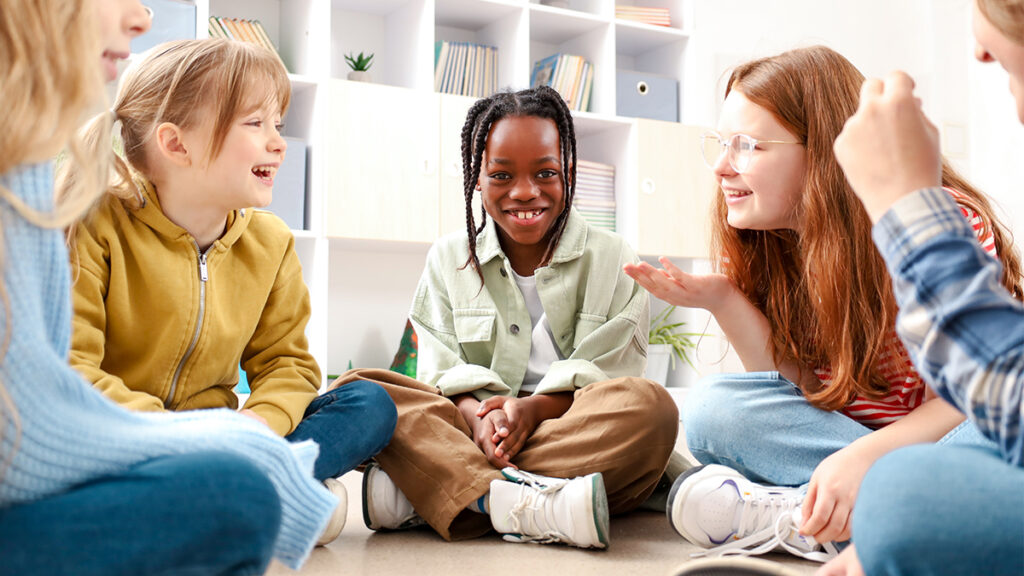
Social skills lie at the heart of a child’s ability to connect with others, communicate effectively, and build meaningful relationships. From joining a group on the playground to participating in classroom discussions, these skills are essential for navigating daily life. Social skills go far beyond being polite or knowing how to share. They include empathy, cooperation, active listening, conflict resolution, and the ability to interpret subtle social cues—abilities that form the foundation for personal growth and long-term success.
While some children seem to develop social ease naturally, others struggle. Shyness, social anxiety, impulsivity, or difficulty reading social cues can make interactions challenging. Parents often feel concerned when their child avoids group activities, struggles to make friends, or comes home feeling excluded. The good news is that social skills, like academic subjects, can be learned, practiced, and strengthened over time. With guidance, encouragement, and opportunities to practice, every child has the potential to grow into a confident and socially capable individual.
This article explores why social skills are so important, the challenges children may face, and practical strategies parents, educators, and caregivers can use to support children in developing these vital life skills.
Why Social Skills Matter in Childhood
Building Friendships and Connections
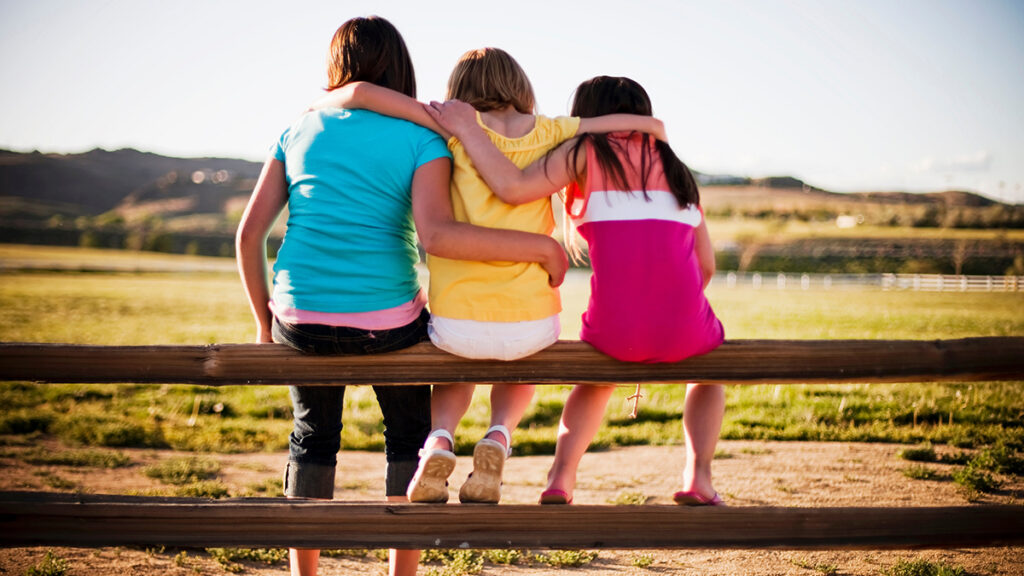
Friendships are a central part of childhood. They provide companionship, emotional support, and opportunities to practice cooperation and compromise. A child who can introduce themselves, join in games, or resolve disagreements is more likely to feel a sense of belonging. These connections build emotional security and boost confidence. Without solid social skills, however, children may struggle to form or maintain friendships, leaving them vulnerable to loneliness or low self-esteem.
Supporting Academic Success
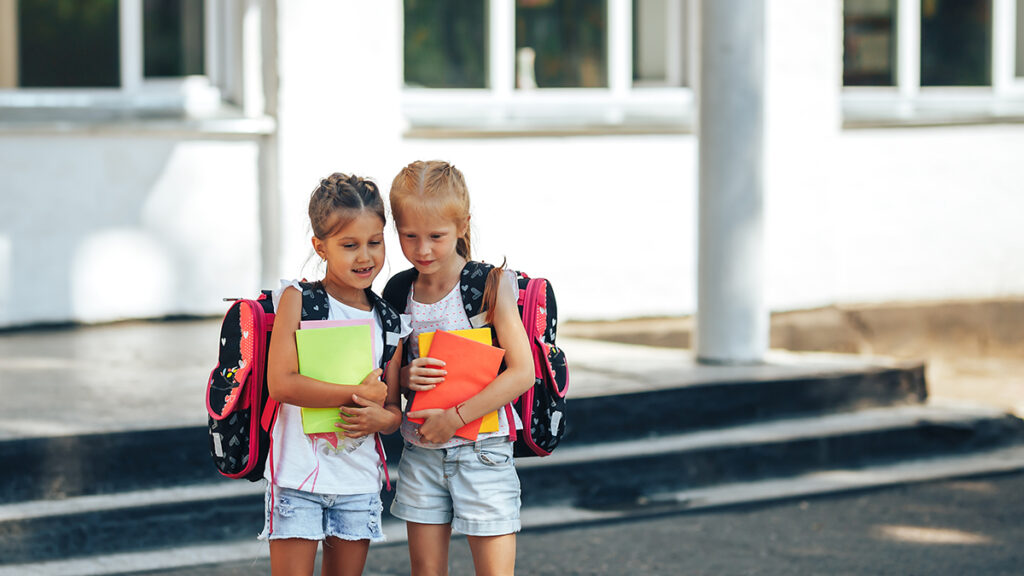
Social skills don’t just affect the playground—they also influence academic performance. Children who can listen attentively, follow directions, work in groups, and communicate clearly are better equipped to succeed in school. Group projects, class discussions, and teacher interactions all require effective social communication. A socially competent child is more likely to engage actively in learning and to feel comfortable participating in classroom activities.
Preparing for Future Success
The importance of social skills extends well beyond childhood. In adulthood, the ability to collaborate, resolve conflicts, and build professional networks is invaluable. Employers consistently cite communication and teamwork as top qualities they seek. Strong social skills also enrich personal relationships, ensuring that children grow into adults who can connect meaningfully with others. By teaching these skills early, parents lay the groundwork for lifelong success.
Understanding Challenges in Developing Social Skills
Shyness and Social Anxiety
Some children are naturally more reserved. They may feel nervous about joining group activities or hesitant to start conversations. Social anxiety can magnify these challenges, making ordinary interactions seem daunting. Without support, shy children may withdraw further, missing opportunities to practice the very skills they need to grow.
Difficulty with Social Cues
Not all children pick up on body language, tone of voice, or facial expressions easily. This difficulty is common among children with developmental differences but can affect any child. Misreading cues often leads to misunderstandings or conflicts. For instance, a child might unintentionally interrupt or fail to recognize when a peer wants space, leading to strained interactions.
Conflict and Impulsivity
Children who struggle with emotional regulation may find it difficult to cooperate during play. They might interrupt frequently, become easily frustrated, or insist on having their way. These impulsive behaviors can lead to arguments and make it harder for them to sustain friendships. With guidance, however, these same children can learn to manage emotions and build positive connections.
The Role of Parents in Developing Social Skills
Modeling Positive Interactions
Children learn by watching. When parents model respectful communication, patience, and kindness, they provide powerful examples. Greeting neighbors with a smile, listening attentively during conversations, or handling disagreements calmly all serve as lessons in social behavior. Children who grow up observing these habits are more likely to adopt them naturally.
Creating Opportunities for Practice
Like any skill, social abilities improve with practice. Parents can create safe opportunities for children to interact with peers through playdates, sports, clubs, or community events. These real-life settings allow children to experiment with introductions, cooperation, and group dynamics. Over time, practice leads to confidence.
Encouraging Empathy and Perspective-Taking
Understanding others’ feelings is central to social development. Parents can nurture empathy by asking reflective questions, such as, “How do you think your friend felt when you said that?” These discussions help children see situations from different perspectives, teaching them to respond with kindness and consideration.
Supporting Social Skills at School
The Role of Teachers
Teachers are vital partners in social development. In classrooms, they encourage cooperation through group projects, promote inclusivity, and model respectful communication. Parents can collaborate with teachers by sharing concerns, reinforcing skills at home, and staying informed about their child’s interactions with peers. A consistent approach across home and school creates a strong foundation.
Encouraging Peer Collaboration
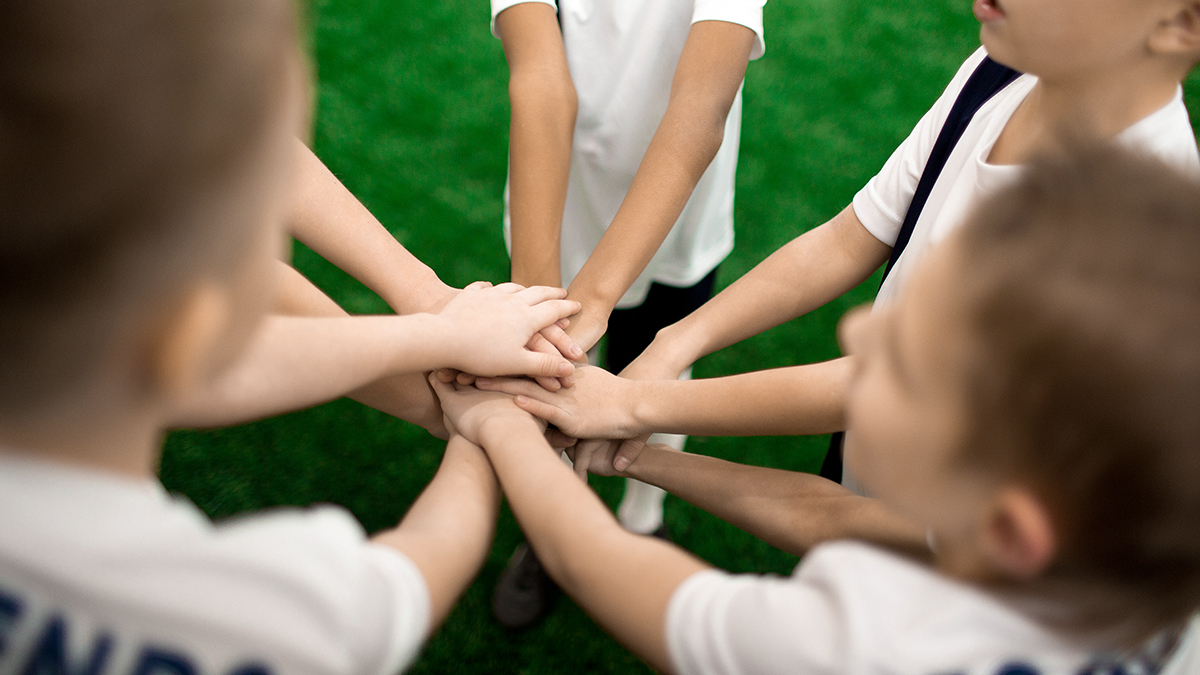
Schools that emphasize collaboration rather than competition provide fertile ground for developing social competence. Group activities, cooperative games, and shared projects teach children negotiation, compromise, and appreciation of diverse perspectives. These experiences strengthen teamwork skills while also building confidence in navigating social settings.
Practical Ways to Nurture Social Skills
Encouraging Play as a Learning Tool
Play is one of the most natural and effective avenues for learning social skills. Through imaginative play, board games, or team sports, children practice sharing, taking turns, resolving conflicts, and expressing ideas. Play allows them to experiment with different roles and outcomes in a low-stakes environment, making it a powerful teaching tool.
Teaching Conversation Skills
Parents can practice simple conversation strategies with their children at home. Skills like making eye contact, waiting for one’s turn to speak, and asking open-ended questions are essential. Role-playing common scenarios—like meeting a new classmate or asking to join a game—helps children feel more confident when these situations arise in real life.
Promoting Emotional Regulation
Positive interactions depend on emotional control. Children who can manage frustration, disappointment, or excitement interact more successfully with others. Parents can teach calming strategies such as deep breathing, counting to ten, or taking short breaks. Practicing these techniques outside of stressful moments prepares children to use them during real challenges.
Social Skills Across Developmental Stages
Early Childhood
In the preschool years, children are just beginning to play cooperatively and learn to share. Parents can encourage group play, model kindness, and celebrate small acts of cooperation. These early lessons lay the foundation for future social growth.
School-Aged Children
By elementary school, friendships become more complex. Children need guidance in handling disagreements, respecting differences, and understanding loyalty. Parents can support this stage by encouraging conversations about friendships, validating their child’s feelings, and brainstorming constructive solutions to conflicts.
Adolescents
Teenagers face unique social pressures, from peer influence to identity exploration. Parents should prioritize open communication and respect their teen’s growing independence. Encouraging involvement in clubs, sports, or arts programs provides healthy opportunities to connect with peers who share common interests. Teens who feel supported at home are better able to navigate social challenges with confidence.
Addressing Difficulties in Social Development
Professional Support
Some children may need extra help in developing social skills. Speech therapists, social skills groups, or child psychologists can offer tailored strategies to improve communication and interaction. Seeking professional support should be seen as a proactive step, not a failure, as it provides children with tools to succeed socially.
Building Confidence Gradually
For children who struggle socially, gradual exposure is key. Starting with small, low-pressure interactions—like inviting one friend over—helps build confidence. As children gain comfort, parents can introduce more complex social settings. Celebrating each small success reinforces progress and encourages resilience.
Long-Term Benefits of Strong Social Skills
Children who grow up with strong social abilities enjoy countless advantages that extend well into adulthood. They are more likely to form lasting friendships, succeed academically, and experience emotional well-being. Social competence also equips them for professional success, as communication, empathy, and collaboration are highly valued in the workplace.
Beyond personal achievement, strong social skills enrich communities. Children who learn to connect meaningfully with others grow into adults who contribute to inclusive, compassionate societies. In short, social skills are not just tools for childhood—they are building blocks for a fulfilling life.
Conclusion
Helping children build social skills is one of the most valuable investments parents and educators can make in their future. Social competence is not innate—it develops through modeling, practice, and encouragement. By creating opportunities for interaction, teaching empathy, and supporting emotional regulation, adults provide children with the foundation they need to thrive socially.
The process requires patience, consistency, and understanding, especially for children who face challenges such as shyness or difficulty with social cues. Yet the rewards are profound. Children who feel confident in their ability to connect with others experience greater well-being, stronger relationships, and lasting success.
With the right support, every child can grow into a socially skilled and emotionally intelligent individual, fully capable of navigating the complexities of human connection.