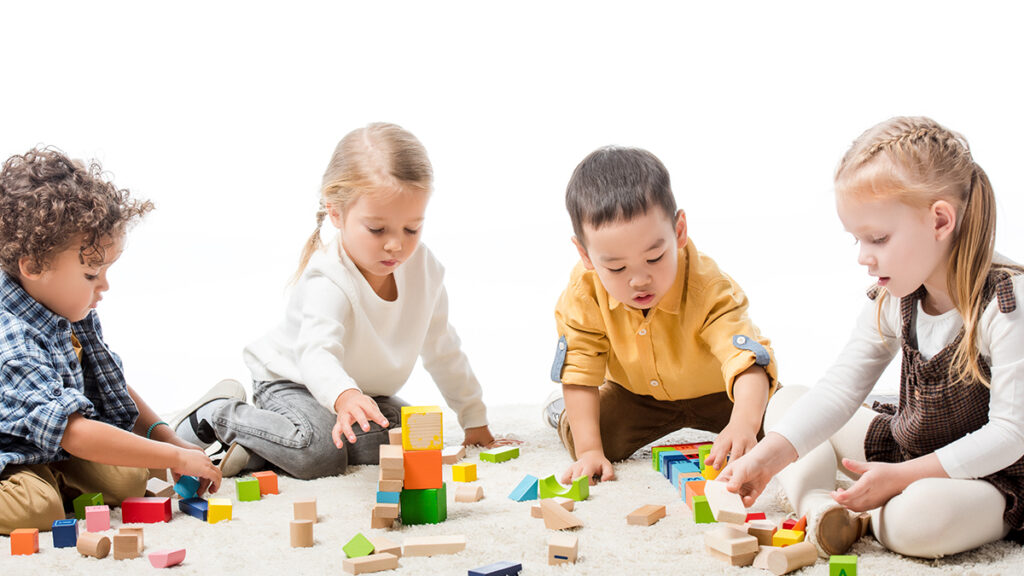
The Importance of Outdoor Play

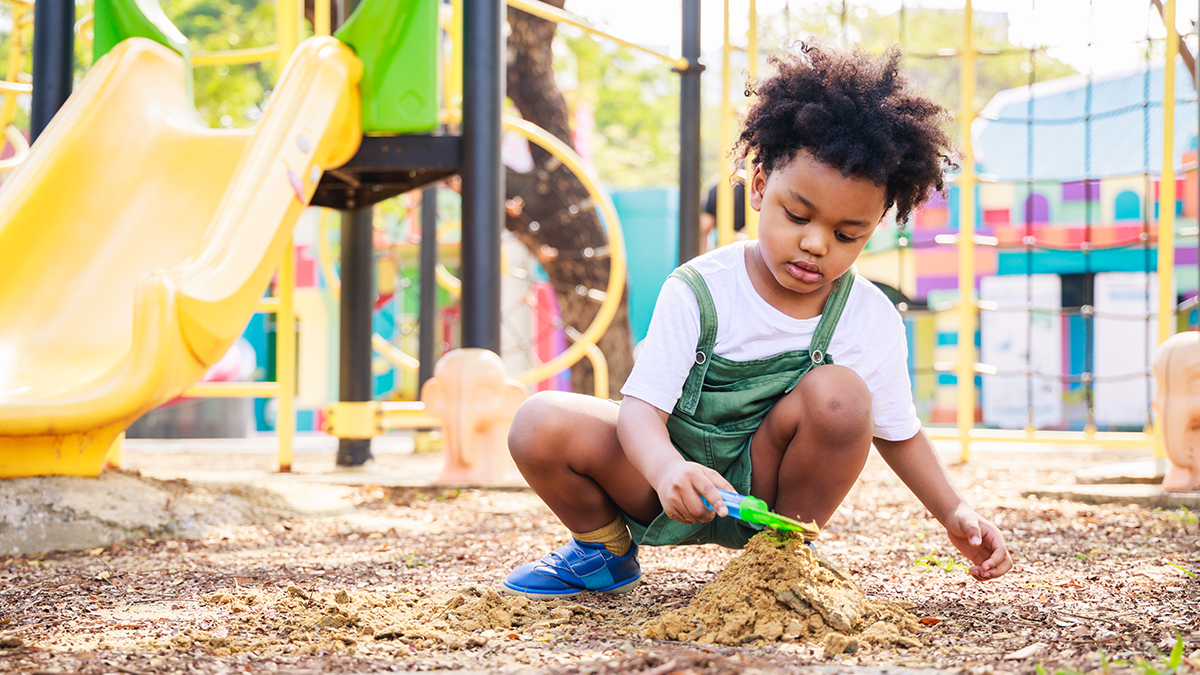
Introduction
In today’s digital-driven world, outdoor play is slowly slipping away from children’s everyday lives. Tablets, smartphones, and streaming platforms often take the place of playgrounds, tree climbing, and neighborhood games. While technology offers convenience and learning opportunities, it cannot replace the unique benefits of outdoor exploration. Childhood is meant to be a season of discovery, growth, and imagination—and the outdoors provides the perfect canvas for that journey.
Outdoor play is not just about running around and burning energy. It is about discovery, experimentation, and forming meaningful connections with the natural world. It helps children develop physically, emotionally, socially, and cognitively in ways that structured indoor activities simply cannot replicate. Unfortunately, many parents and educators underestimate how powerful outdoor experiences are for nurturing creativity, resilience, and critical thinking.
Research consistently highlights that children who spend regular time outside are healthier, happier, and more prepared to handle the demands of modern life. Whether it is chasing butterflies, building forts, or digging in the dirt, these experiences lay the foundation for lifelong well-being.
This article explores why outdoor play is essential, focusing on its physical, emotional, cognitive, and social benefits. It also looks at how nature nurtures creativity, strengthens family and community bonds, and instills respect for the environment.
Physical Benefits of Outdoor Play
Building Strength, Coordination, and Fitness
Children are naturally wired to move, and the outdoors invites them to do exactly that. Whether it’s climbing trees, riding bikes, kicking a ball, or simply running across an open field, outdoor play encourages spontaneous physical activity. Unlike structured gym sessions, outdoor activities are varied and unpredictable, pushing children to engage different muscles, build balance, and develop coordination.
For example, balancing on a fallen log is not just fun—it sharpens reflexes and builds core strength. Jumping rope with friends develops endurance and agility. Even a simple game of tag provides cardiovascular exercise while teaching kids how to change pace and direction quickly.
Outdoor play also combats the sedentary lifestyle associated with long hours of screen time. Childhood obesity, poor posture, and weak stamina are increasing concerns in modern societies. Active outdoor play helps children burn energy, build endurance, and develop habits that foster lifelong fitness.
Boosting Immune Systems
Spending time outside strengthens children’s immune systems in ways indoor environments cannot. Exposure to sunlight provides Vitamin D, a crucial nutrient for bone health and overall wellness. Fresh air promotes better respiratory function, while contact with natural elements and diverse microbes helps strengthen immunity.
Children who spend more time outdoors are often healthier, with fewer cases of colds, allergies, and respiratory illnesses. Parents may notice that kids who regularly play outside recover faster from minor illnesses and have more energy overall. Nature doesn’t just offer fun—it strengthens the body’s defenses.
Cognitive Development Through Outdoor Exploration
Stimulating Curiosity and Problem-Solving
Outdoor play sparks curiosity by presenting children with open-ended challenges. Unlike many indoor activities, which come with fixed rules or predictable outcomes, nature requires problem-solving and adaptability. A child figuring out how to climb a tree learns balance and risk assessment. A group building a fort negotiates roles, experiments with materials, and tests different strategies.
The outdoors also nurtures scientific curiosity. Why do leaves change color? How do ants carry food so much larger than themselves? These questions naturally arise as children interact with their surroundings. Parents and educators can nurture these moments of wonder into opportunities for informal learning, connecting real-world experiences to academic concepts.
Problem-solving outdoors also encourages independence. When children learn to experiment, fail, and try again, they develop resilience and confidence in their ability to navigate challenges.
Improving Concentration and Learning Outcomes
Research shows that children who spend time in natural environments often perform better academically. Outdoor play refreshes the brain and improves focus, particularly for children who struggle with attention difficulties.
Tasks that require attention outdoors—such as following a trail, building a sandcastle, or organizing a game—train children to concentrate for longer periods. These skills transfer to the classroom, where improved focus leads to better performance.
Outdoor play also enhances memory and problem-solving abilities. When children alternate between structured learning indoors and unstructured exploration outdoors, they develop a more balanced approach to thinking and learning. Nature becomes an extension of the classroom—a living laboratory where curiosity thrives.
Emotional and Psychological Benefits
Reducing Stress and Anxiety
Modern childhood is far from stress-free. Academic expectations, busy schedules, and the constant stimulation of digital media can overwhelm young minds. Outdoor play acts as a natural stress reliever. Fresh air, open spaces, and exposure to green environments have a calming effect on the nervous system.
Parents often notice that after an hour outside—whether at a playground or in the backyard—children are calmer, less irritable, and more focused. Running, jumping, or even lying in the grass gives children a safe outlet for their emotions. Nature provides freedom: the freedom to shout, to climb, to explore, or simply to sit quietly.
Spending time outside also lowers levels of cortisol, the body’s primary stress hormone. Over time, this leads to better mood regulation and improved overall mental health.
Building Confidence and Independence
Outdoor play naturally pushes children out of their comfort zones. Climbing a tree, learning to ride a bike, or leading a group game are milestones that build confidence. Each small achievement reinforces the belief, “I can do this.”
These experiences also nurture independence. Unlike structured indoor environments where adults often control the rules, outdoor play allows children to test boundaries on their own. They learn to assess risks, recover from small falls, and solve problems without constant adult intervention.
This independence builds resilience. Children learn that failure is not the end but part of growth. A scraped knee becomes a story of courage, not defeat. This emotional strength supports children in school, friendships, and eventually, adult life.
Social Development and Community Connection
Learning Cooperation and Teamwork
Outdoor spaces like playgrounds and parks are natural hubs for social interaction. Unlike solitary screen time, outdoor play requires cooperation and communication. Children learn to share resources, take turns, and resolve conflicts on the spot.
Organizing a game of soccer teaches leadership and teamwork. Negotiating who gets to go first on the swing fosters compromise. These small but important lessons help children develop empathy and communication skills.
Over time, these experiences prepare children for school group projects, friendships, and future workplace collaboration. Outdoor play becomes a training ground for navigating human relationships.
Strengthening Family Bonds
Outdoor play also creates space for families to connect. Parents who join their children for activities like hiking, biking, or gardening not only promote healthy habits but also strengthen relationships.
Unlike indoor settings filled with screens and chores, outdoor spaces encourage families to slow down and enjoy each other’s company. A simple picnic in the park or a family walk after dinner can spark meaningful conversations. These shared moments become cherished memories, reinforcing the importance of quality time together.
Creativity and Imagination in Outdoor Play
Freedom to Create and Experiment
Nature provides the ultimate blank canvas for imagination. A stick can become a magic wand, a patch of dirt a construction site, and a group of trees an enchanted forest. Unlike toys with fixed purposes, natural environments invite children to invent and adapt.
Outdoor play encourages children to create their own games, experiment with materials, and think outside the box. For instance, building a fort with branches and blankets requires creativity, planning, and teamwork. These activities fuel imagination while building practical problem-solving skills.
Linking Nature and Artistic Expression
Outdoor experiences often inspire art and storytelling. Children may collect leaves for collages, paint landscapes, or invent stories about the creatures they encounter. These activities connect creativity with observation, blending imagination with appreciation for the natural world.
Such experiences not only nurture artistic skills but also deepen children’s sense of wonder and environmental responsibility. A child who sketches a tree today may grow into an adult who fights to protect forests tomorrow.
Overcoming Barriers to Outdoor Play
The Role of Technology and Busy Lifestyles
One of the main reasons outdoor play has declined is the dominance of technology and busy routines. Many children spend long hours indoors on devices or shuttling between structured activities, leaving little time for unstructured outdoor exploration.
While technology can be educational, excessive screen time limits physical activity and imaginative play. Parents can address this by setting healthy boundaries and intentionally prioritizing outdoor time. Even small efforts—like a family bike ride after school or an hour at the local park—can make a big difference.
Balancing screen time with outdoor play ensures children benefit from both worlds: the opportunities of technology and the grounding power of nature.
Safety Concerns and Accessibility
Many parents worry about safety, whether it’s traffic, strangers, or lack of safe play spaces. These concerns are valid, but they don’t have to mean eliminating outdoor play. Communities can help by creating safe parks, organizing neighborhood playgroups, or supporting school playground programs.
Even small spaces—like a backyard, garden, or courtyard—offer opportunities for outdoor play. Simple activities like gardening, chalk drawing, or ball games can bring many of the same benefits as larger adventures. The goal is not grandeur but consistency.
Long-Term Benefits of Outdoor Play
Preparing Children for Lifelong Health
Children who grow up valuing outdoor play are more likely to carry active habits into adulthood. Outdoor activity teaches them that exercise is enjoyable, not a chore. This mindset helps prevent sedentary lifestyles and the health risks that come with them.
Beyond physical health, outdoor play builds adaptability and curiosity—qualities that prepare children for life’s challenges. They learn to embrace the unknown, recover from setbacks, and see the world as a place full of opportunities to explore.
Cultivating Environmental Awareness
Outdoor play also fosters environmental stewardship. Children who spend time in nature develop a deeper respect for the planet. They see firsthand the beauty of trees, rivers, and wildlife, and they recognize the importance of protecting these resources.
This connection lays the foundation for responsible citizenship. Children who value the outdoors today are more likely to advocate for sustainability and environmental conservation as adults.
Conclusion
The importance of outdoor play cannot be overstated. It is not just a pastime—it is a vital part of childhood that supports physical health, cognitive growth, emotional resilience, and social development. The outdoors gives children freedom to move, explore, and imagine in ways that screens and indoor spaces can never replicate.
The long-term benefits of outdoor play extend far beyond childhood. They shape lifelong habits of health, creativity, resilience, and respect for the environment. Parents, educators, and communities all play a role in ensuring children have opportunities to connect with the natural world.
In a society increasingly dominated by screens and structured schedules, outdoor play is not a luxury. It is a necessity. By making time for the outdoors—whether through backyard games, neighborhood adventures, or family hikes—we give children the tools to thrive in body, mind, and spirit.
Ultimately, outdoor play is one of the greatest gifts we can offer our children: the chance to grow up strong, curious, compassionate, and deeply connected to the world around them.