The Future of Emotion AI in Customer Service


Introduction
Customer expectations have evolved. In today’s fast-paced digital world, simply resolving a problem isn’t enough. Customers want empathy, understanding, and personalized care. Enter Emotion AI—a transformative technology that brings a human touch to customer service by reading emotional cues like tone, facial expressions, and word choice. Also known as affective computing, Emotion AI has the potential to move digital interactions beyond mere transactions to emotionally intelligent conversations.
In an age where emotional connection drives loyalty, brands that understand how customers feel—rather than just what they say—gain a competitive edge. Emotion AI enables real-time emotional detection across chats, voice calls, emails, and social media, empowering human agents with deeper insights and enabling bots to respond more naturally. This isn’t about replacing human service—it’s about augmenting it with data-driven emotional intelligence.
In this article, we’ll explore how Emotion AI is reshaping customer service, where it’s being applied, what it means for the future of CX, and how businesses can ethically and effectively integrate it into their service channels.
Understanding Emotion AI: The Basics
What Is Emotion AI?
Emotion AI refers to systems that can analyze human communication—be it text, voice, or video—to interpret emotional states. It goes beyond traditional sentiment analysis. While sentiment detection might flag a message as positive or negative, Emotion AI understands subtleties like frustration building in a voice or empathy embedded in a phrase.
Using technologies like machine learning, natural language processing (NLP), and computer vision, these systems can detect nuances—distinguishing between impatience and curiosity or recognizing when calm wording hides underlying irritation. It’s that level of detail that makes Emotion AI powerful for enhancing real-time interactions.
How It Integrates Across Channels
Emotion AI is woven into multiple customer service platforms. In phone support, it detects stress through rising pitch or voice tremors. In chat systems, it reads shifts in tone, prompting an escalation when frustration peaks. In email, it evaluates word choice and syntax to assess emotional urgency.
For video support, computer vision tracks micro-expressions—brief facial movements that reveal hidden emotions. These inputs are combined to generate a more complete picture of how a customer feels, helping agents and bots respond with the appropriate tone and urgency.
Practical Applications of Emotion AI in Customer Service
Guiding Live Agent Conversations
For human agents, Emotion AI acts like a real-time co-pilot. During calls or chats, it may provide instant suggestions like, “Customer shows signs of agitation—acknowledge concern and reassure.” These prompts help agents respond more empathetically, diffuse tension faster, and guide interactions toward resolution.
Emotion AI is also used after conversations to analyze sentiment patterns. Managers can review emotional trends to spot stress triggers—perhaps long wait times or unclear billing—and implement better training or workflow changes to improve future interactions.
Making Chatbots Smarter and More Empathetic
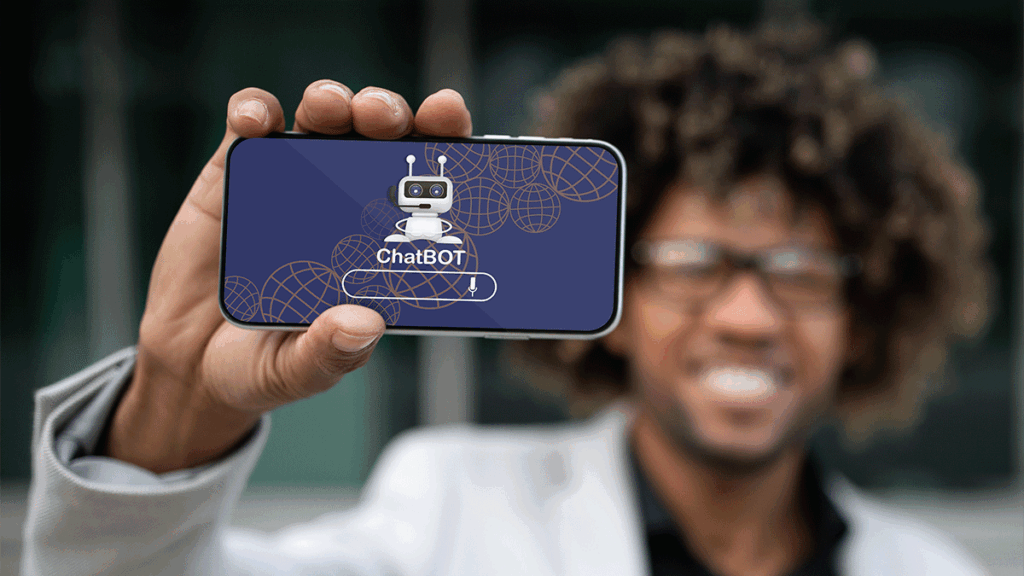
Traditional chatbots can handle queries, but they often lack emotional awareness. With Emotion AI, bots can detect frustration in real-time and adjust their responses accordingly. For instance, when sensing growing irritation, a bot might say, “I can see this is frustrating. Would you like to speak to a human now?”
This responsiveness is especially useful during crisis events or system outages, when automated empathy and timely escalation are key to maintaining trust.
Driving Proactive Customer Experience (CX) Management
Emotion AI helps brands identify emotional hotspots across the customer journey. It can reveal dips in sentiment during high-volume periods, new policy rollouts, or after a major campaign.
In retail, for example, if customers frequently express frustration during a seasonal sale, the business can preemptively address concerns by improving communication or staffing. Emotion data also allows brands to say not just “We heard you,” but “We felt your frustration—and we’re taking action.”
Benefits of Emotion AI for Businesses
Building Emotional Connections
Emotion AI transforms one-dimensional interactions into emotionally intelligent engagements. When brands recognize a customer’s feelings and respond with genuine empathy—whether through words or actions—they foster deeper emotional loyalty. That emotional bond often translates into stronger retention, advocacy, and satisfaction.
Optimizing Resources and Improving Efficiency
Emotion AI can prioritize support based on emotional intensity. Routine inquiries can remain automated, while emotionally sensitive ones are escalated for human handling. This ensures that limited agent resources are used where they’re needed most.
It also helps in workforce planning. Emotion data pinpoints moments when customer sentiment trends sharply—giving managers insights on where to allocate more staff or offer additional training.
Enabling Data-Driven Service Enhancements
With emotion-based analytics, businesses can track more than just CSAT scores or average handle time. They can measure emotional lift during a call, compare frustration levels before and after a chatbot update, or assess how well empathy was delivered during a product return.
These insights inform UX improvements, product decisions, and even marketing tone—turning customer emotions into strategic input.
Challenges and Ethical Considerations
Navigating Accuracy and Bias
Emotion detection is not foolproof. Cultural nuances, individual expression styles, and language differences make accurate interpretation complex. For instance, a monotone voice might indicate calm in one region and disinterest in another. Sarcasm, regional slang, or humor can confuse AI models.
Training systems on diverse datasets and maintaining ongoing human review loops are essential to prevent misclassifications and ensure inclusivity.
Respecting Privacy and Earning Trust
Emotion AI works with deeply personal data—facial cues, vocal inflections, and written emotions. To maintain user trust, companies must be transparent: explain what’s being collected, why, and how it’s secured.
Consent is key. Customers should have the option to opt-in or out of emotion tracking. And companies must comply with data privacy laws such as GDPR and CCPA, applying robust encryption and anonymization protocols.
Maintaining the Human Element
While AI can detect emotion, it cannot truly feel. Misjudged empathy or overly automated responses can come across as robotic or tone-deaf. That’s why Emotion AI should assist—not replace—human interaction.
The most effective approach is a human-AI partnership: AI highlights emotional cues; humans bring warmth, nuance, and intuition to the response.
The Road Ahead: What’s Next for Emotion AI?
Emotion-Responsive Interfaces
Soon, websites and apps may dynamically adapt based on a user’s emotional state. If frustration builds, the system might streamline the interface, offer faster help, or display human support options. If calm and engagement are detected, it may present tailored offers or next steps.
This kind of real-time emotional responsiveness can make digital experiences feel far more intuitive and personalized.
Omnichannel Emotion Detection
As support expands to video and AR (augmented reality), Emotion AI will continue to evolve. In video calls, facial recognition tech can help agents pick up on subtle emotional cues and respond appropriately. In AR-assisted troubleshooting, emotion signals can indicate when a customer is feeling overwhelmed, prompting a softer, more supportive tone.
This multi-sensory emotional awareness enhances trust and comfort in complex or unfamiliar support settings.
Shaping Global Ethics and Standards
As Emotion AI goes mainstream, international bodies may implement regulations to govern its use. These could include requirements around dataset diversity, transparency in model decisions, and minimum detection accuracy.
Brands that lead with ethical deployment—especially around consent and inclusivity—will earn lasting trust and set industry benchmarks.
Conclusion
Emotion AI isn’t just a tool—it’s a new chapter in how companies connect with people. By listening not only to what customers say but how they feel, businesses can deliver service that is not only efficient but emotionally resonant.
From guiding agent conversations to elevating chatbot interactions and identifying emotional friction points across touchpoints, Emotion AI enables a more human kind of digital experience.
But with this power comes a responsibility to protect privacy, ensure fairness, and use AI to support—not replace—real empathy. The brands that embrace Emotion AI with integrity, transparency, and care will lead the way in building meaningful, emotionally intelligent customer relationships for the future.