Chatbot trends for customer service in 2025

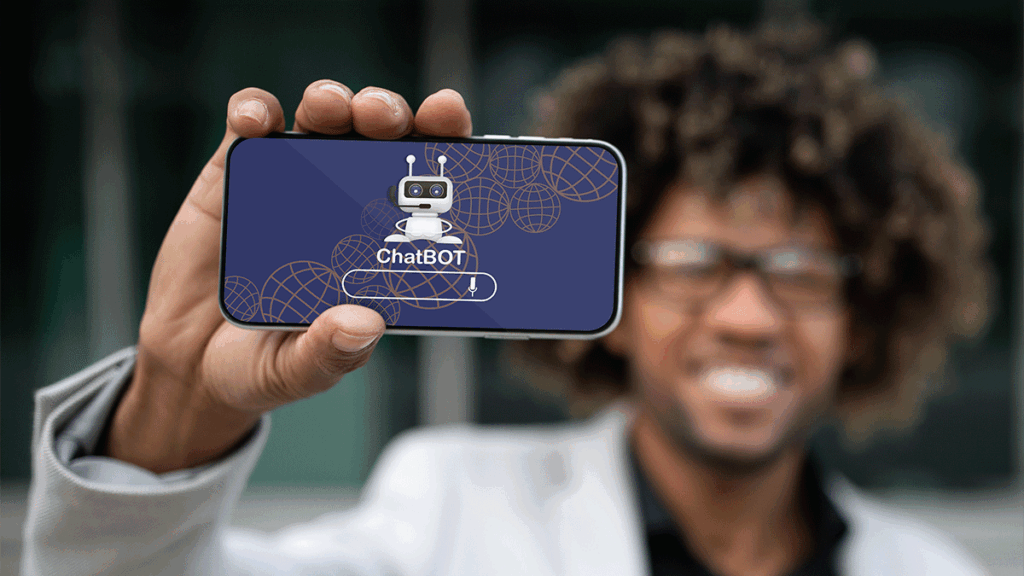
2025 Customer service environments are changing at a very quick pace due to the increase in chatbots driven by artificial intelligence. Industries are increasingly embracing these intelligent talk bots for the purpose of providing a better customer experience, enhancing support workflow, and reducing operation costs. As artificial intelligence (AI) and natural language processing (NLP) continue to grow better, chatbots are fast becoming sophisticated—blurring the line between automated bots and human representatives.
This guide explores the leading 2025 customer service chatbot trends and offers guidance for professionals who wish to enhance customer support operations. We’ll look at rising technologies, personalization strategies, customer-centric applications, integration methods, and future trends. If you’re a customer experience manager, a product manager, or are interested in service delivery’s impact by AI, you’ll benefit from this comprehensive overview for being one step ahead of the intelligent automation trend.
A New Era of Customer Support through Chatbots
From Rule-Based to Generative Models
Chatbots generally used rule-based reasoning with hardcoded scripts to handle predetermined workflows such as FAQs or appointments. Good for a minimal number of questions, these bots struggled on uncertain or complex inquiries. In 2025, however, generative AI and transformer models of the GPT‑4.5 and beyond type are enabling highly conversational experiences. Such systems generate dynamic output, recognize nuance, and accept one-on-one interactions—completely improving precision and smoothness.
Natural Language Understanding and Maintenance of Context
State-of-the-art NLU and context processing is embedded in today’s chatbots. They can identify intent, sentiment, and context in real time, enabling sustained, multi-turn dialogue. Instead of having iterative customer questions (“I already told you that!”), these bots remember conversation history and mix their answers accordingly—boosting customer satisfaction and limiting frustration.
Multimodal Capabilities & Voice Interfaces
2025 is a watershed year with the emergence of multimodal interactions—a supplement of voice, text, images, and even video—that chatbots deliver. As increasing numbers of consumers accept voice assistants on smartphones and smart speakers, businesses now deploy voice-capable chatbots, delivering hands-free natural interaction. Visual detection allows bots to inspect photos that individuals have shared (e.g., failed products), recommend personalized solutions, or guide people through step-by-step support scenarios.
Customer Experience through Hyper-Personalization
User Profiling & Segmentation Using AI
Personalization is a must, not an option. In 2025, chatbots can integrate customer data from the CRM database, history of purchases, behavioral analysis, and preferences to change responses and recommendations dynamically in real time. Sophisticated AI profiling makes each interaction personal: better product recommendations, right tone of voice, and bot responses look ahead through next steps.
Predictive Assistance & Proactive Interaction
Predictive AI technologies are enabling chatbots to anticipate customer demands prior to their happening. By shopping behavior trends and historical questions, bots could automatically suggest troubleshooting guides, offer promo codes, or schedule callbacks—preemptively, without waiting for a question. This kind of proactive customer service lowers friction and builds trust.
Sentiment Adaptation & Emotional Intelligence
Advances in emotion detection allow chatbots to perceive tone, detect frustration, and alter tone of conversation. As sentiment analysis produces positive or negative alerts, bots can alter tone, emphasize empathy, escalate to human representatives, or deliver apologies—building emotionally responsive service that engages customers.
Chatbots as Part of Omnichannel Support
Channelless Switching Back and Forth
They anticipate starting a discussion on a social media channel, grabbing it by way of web chat, finishing on the phone—with zero friction. By 2025, chatbots are natively integrated throughout the omnichannel customer service solutions. They have history of chat everywhere, so no matter where a customer starts a conversation from, context and identity never vary.
Integration with SMS, Messaging Apps & Social Media
Best customer service companies nowadays utilize chatbots on SMS, WhatsApp, Facebook Messenger, Instagram DMs, and even more modern platforms like Threads or TikTok messaging. Using several platforms at the same time helps achieve a single brand voice and delivery of service where customers are most active, driving higher brand loyalty and engagement.
Integrated Agent Dashboards & Co-Browsing
When human intervention is needed, chatbot-to-agent handoff is smooth—via unified dashboards that hold full transcript, context, and sentiments logs. Furthermore, AI-driven co-browsing and screen-sharing features enable both bots and agents to co-browse with end-users in real time, ensuring minimal confusion and higher first-contact resolution rates.
Enhanced Efficiency & Self-Service Capabilities
Automated Knowledge Base Management
Next-generation chatbots now deliver self-service on steroids. They retrieve content dynamically from internal knowledge bases, support articles, and community forums. Using AI-driven search and synopsis, bots deliver bite-sized repair, step-by-step procedures, or comprehensive articles depending on user context. Bots learn over time and recommend content reflecting evolving product lines or support needs.
Automating Ticketing & Case Routing
Chatbots driven by artificial intelligence are at the center of service ticket triage: they pull vital information, sort issues by tag or severity, and even automatically fix mundane problems. This frees human agents to work on more complex cases. In escalations, chatbots can instantly route to the appropriate team, insert relevant context, and provide suggested responses—reducing resolution time and cost of support.
SLA Monitoring & Performance Insights
Performance indicators—Customer Satisfaction (CSAT), First Response Time (FRT), and First Contact Resolution (FCR)—could be elevated by chatbot insights. Chatbots are streamed into dashboards in real time, which alert managers of SLA breaches or repeated questions. Appearance of FAQs can drive content updates. Iterative learn loops improve bot performance and support efficiency in the long term.
Trust, Privacy, and Ethical Issues
Security of Chatbot Interaction
With bots accumulating and processing sensitive customer data (payment data, cases, personal data), data security comes first. In 2025, encryption (TLS 1.3+), secure handling of tokens, and compliance with GDPR, CCPA, India’s PDP Act, and other country regulations are mandatory. Today’s bots offer consent-first disclosures, anonymization of logged data, and data controls for data deletion and data retention.
Reducing Bias & AI Ethics
Next-generation AI systems can inadvertently propagate prejudices. Visionary firms now test bot training data for bias, execute bias detection for chat systems, and include human review loops. Responsible AI standards guide chatbot design and deployment for transparency, “right to explanation”, and equal treatment of each customer.
Building Trust & Disclosure
Customers trust transparency. Most brands in 2025 endorse clear standards for AI, notifying consumers when they are speaking with a bot—and granting one-click access to a human. Informative disclaimers that state “I’m an AI helper at your service. Need a human agent?” build trust and cut down on customer frustration.
Key Use Cases & Industry Applications
Retail & E-commerce
Order tracking for e-commerce, size/style recommendations, return processing, and seasonal upsells are addressed by chatbots. Basket completion is induced by hyper-personalization through combos of products and anticipatory discounts. Visual search bots allow matching products by photos—the ultimate for home decor and fashion.
Banking, Fintech & Insurance
Customer service in financial services is increasingly utilizing chatbots to provide account balances, loan eligibility updates, fraud alerts, and policy information. Voice-enabled IVR bots give automatic answers based on phone calls, limiting hold time. Financial terms are simplified for non-professional users, increasing financial literacy.
Telecommunications & Utilities
Support bots guide customers through outages on their network, service provisioning, bill-related concerns, and fixes for devices. Smart routing helps bots escalate hardware-related enquiries to technicians and respond to account-related questions by themselves.
Healthcare & Telemedicine
With healthcare chatbots, appointments can be scheduled, symptoms can be checked, and mental health can be addressed through gentle talk. Privacy remains a top priority, with the bots being HIPAA-compliant and their local equivalents and respecting patient confidentiality.
Architectures & Integration Strategies
API-First & Microservices Design
2025 bot platforms follow API-driven, microservices architecture—enabling quick iteration, modular integrations, and scalability. Customer data, knowledge bases, voice engines, analytics, and routing are decoupled but orchestrated through unified API layers.
Bot Builders for Low-Code & No-Code
Most companies turn to low-code/no-code chatbot platforms (e.g., Microsoft Power Virtual Agents, Google Dialogflow CX, Rasa Enterprise, Zendesk Sunshine Conversations) that enable business professionals to specify conversational flows. High-end AI and analytics plugins handle NLP, intent detection, and performance analytics, which facilitate development and maintenance.
Third-Party Ecosystems & App Integration
Next-gen bots seamlessly integrate with the CRM (Salesforce, Zoho, Freshsales), collaboration (Slack, Teams), ticketing (Zendesk, ServiceNow), and voice (Amazon Alexa, Google Assistant) technologies. This cross-system collaboration enables ecosystem synergy for comprehensive customer lifecycle management from marketing and sales to support and renewal.
Measuring Success and ROI
KPI for Interactive AI
Monitoring relevant bot-specific KPIs is critical. Metrics range from conversation volume to intent recognition correctness, containment rate (percentage resolved by bot without human), ticket deflection rate, average resolution time, and user satisfaction ratings. Enterprise dashboards provide real-time reporting and highlight process bottlenecks.
Cost Savings & Efficiency Improvements
They achieve significant overhead by reducing support agent burden, lessening ticket counts, and offering 24/7 service. Companies achieve 30–50 percent average handle time reduction and significant labor savings—bot costs often being recovered in 6–12 months.
Customer Experience & Brand Loyalty
Apart from cost metrics, chatbots also affect brand loyalty and retention. By offering quick, correct, and sympathetic answers, it enhances CSAT, Net Promoter Score (NPS), and lifetime customer value (CLV). Chatbots, being proactive, leave lasting interactions—what was previously a cost center for support becomes a competitive advantage.
New Trends on the Horizon
Augmented Reality (AR) Chatbot Assistance
Steady yourself for AR-capable assistants by 2025. A customer who is struggling with a piece of furniture, for instance, can point their camera, and the chatbot displays on screen, in real time, what the instructions look like. This immersive service marries chat with visual instructions, cutting down service visits and return shipping.
Multidisciplinary Collaboration & Mutual AI
Industry consortia are being formed by firms to co-create shared conversational AI infrastructures—across standard use cases (billing, onboarding, FAQs). Shared data sets and horizontal models allow for quicker innovation with maintenance of brand differentiation in final deployment.
Generative Design & Video Discussions
On the horizon, chatbots can create personalized video responses—through text-to-video engines—offering guided tours, one-to-one demos of products, or onboarding tutorials. This is a very exciting future of rich conversation-commerce and experience service.
Conclusion
By 2025, customer service chatbots will be more than virtual assistants – they’ll be intelligent, proactive, multi‑modal companions for driving efficiency, satisfaction, and loyalty. And trends from the application of generative AI and hyper-personalization to AR aid and ethics standards — those we’re highlighting in this article — foretell a paradigm‑shifting trend towards smart automation that’s highly customer‑centric.
To be competitive, organizations have to:
- Invest in modern chat AI that can detect context and sentiment
- Put security, trust, and transparency first on day one
- Adopt omnichannel adoption via voice, SMS, messaging, and AR
- Monitor performance in real time with bot-specific metrics
- Future advancements to anticipate, including cooperative AI ecosystems and video-centric aid
By embracing these 2025 customer service trends in chatbots, you’ll not only meet customer demand, but forge a lasting bond—one that not only survives, but prospers—within a more automated world.