The Future of AI-Generated Music and Copyright

Introduction: A New Harmony Between Technology and Creativity
Artificial Intelligence (AI) has made astonishing progress in recent years, stepping into creative domains once thought to be uniquely human. Among these, AI-generated music has emerged as one of the most innovative and controversial frontiers. Algorithms are now capable of composing melodies, writing lyrics, and even mimicking the distinctive styles of legendary artists. As this technology becomes more sophisticated and accessible, the lines between human artistry and machine generation begin to blur.
Yet, with this innovation comes a wave of legal and ethical questions — most prominently, who owns AI-generated music? As these compositions enter mainstream media — from advertising jingles to full-length film scores — the debate around copyright, intellectual property, and creative accountability intensifies. This article explores the evolution of AI in music, examines the gaps in existing copyright law, and looks ahead to how music creation may be shaped by artificial intelligence.
The Rise of AI in Music Creation
Algorithmic Composition and Musical Innovation
AI-generated music is made possible through machine learning models trained on extensive datasets of existing compositions. Systems like OpenAI’s MuseNet or Google’s Magenta study patterns in melody, rhythm, and harmony, and then use those patterns to generate original music. These tools can compose in specific genres or evoke particular moods, and some can even tailor compositions to precise emotional cues.
This innovation has given musicians and producers new tools for experimentation. Many artists use AI as a creative partner—generating new melodies, chord progressions, or rhythmic structures that would be difficult or time-consuming to develop manually. Content creators, marketers, and independent musicians benefit from cost-effective ways to generate background tracks or musical sketches, dramatically accelerating the creative process.
Deepfake Music and Style Mimicry
AI’s ability to replicate musical styles adds another layer of intrigue—and controversy. Through deep learning, AI can emulate the voices or compositional signatures of specific artists, effectively creating musical “deepfakes.” An AI might replicate the phrasing of Frank Sinatra or generate a piano composition in the style of Chopin.
While fascinating from a technological standpoint, this raises questions about authenticity and consent. Should an AI be allowed to release new tracks in the voice of an artist who never recorded them? What are the ethical and legal ramifications of producing music in someone else’s style? These capabilities challenge traditional ideas of originality and creative ownership.
Copyright in the Age of AI Music
Traditional Copyright Laws and Their Limitations
Copyright laws around the world were designed to protect the original works of human creators. In most jurisdictions, including the United States, copyright applies only to works that are the product of human authorship. This presents a unique challenge in the AI era: can music generated entirely by an AI model be copyrighted? And if so, who should hold the rights — the developer, the user, or the AI system itself?
Currently, purely AI-generated works without meaningful human input are not eligible for copyright protection in many legal systems. In these cases, the resulting music may fall into the public domain by default. However, if a human guides the AI, selects the data it learns from, or significantly edits the output, they may claim co-authorship or ownership. Yet, without a clear legal framework, these cases remain in a gray area.
Ownership Disputes and Legal Precedents
Few legal cases have directly addressed AI-generated music, but parallels can be drawn from related disputes over AI-created art, literature, and images. Courts have struggled to apply existing copyright doctrines to works created by machines.
Some legal scholars argue that the human who trains or directs the AI should be granted ownership, treating the AI as a tool akin to a camera or musical instrument. Others suggest introducing a new legal category for AI-generated works, one that accounts for the unique nature of machine involvement. Until clearer laws are in place, disputes over ownership and licensing are likely to grow more frequent and contentious.
Ethical Considerations and Cultural Impact
Fair Compensation and Artist Rights
AI-generated music poses a real economic threat to human musicians. Brands, studios, and advertisers may prefer to use AI compositions over hiring composers, potentially devaluing human creativity and putting livelihoods at risk. Without protections in place, AI may saturate the music industry with low-cost alternatives, making it harder for artists to compete.
Some artists and advocacy groups call for transparency labels to clearly identify AI-generated content. Others suggest a system of royalties for musicians whose works were included in training datasets, arguing that if AI benefits from their creativity, they deserve compensation. These ideas reflect growing concern about equitable treatment of human creators in an increasingly machine-driven industry.
The Blurring Line Between Inspiration and Imitation
In music, inspiration is often drawn from existing works, but AI’s ability to replicate specific styles or musical “fingerprints” challenges the boundary between homage and plagiarism. A human composer referencing a jazz riff might create a tribute — but an AI trained on that same riff might mechanically reproduce it note-for-note.
This raises legal and ethical questions about originality. If AI models are trained on copyrighted works without explicit permission, is that fair use or infringement? The answer remains unclear, and current laws are ill-equipped to resolve such nuanced issues. It may be time to revisit and revise copyright law in light of AI’s growing influence.
Industry Response and Regulatory Evolution
Music Industry Adaptations
Major players in the music industry are paying close attention. Some are developing tools to detect AI-generated tracks or lobbying for new regulations to protect their artists from unauthorized imitation. Universal Music Group, for example, has spoken publicly about defending its catalog and artists from misuse by AI systems.
Streaming platforms also play a pivotal role. As AI compositions enter digital libraries, platforms must decide how to handle attribution, metadata, and monetization. Some may introduce new categories for AI-assisted music, helping listeners distinguish between human-created and machine-generated tracks. Others may require disclosure or verification of authorship during the upload process.
Legislative Proposals and International Variations
Governments are beginning to address these challenges, though approaches vary widely. The UK has explored copyright exceptions for text and data mining used in AI training, while Japan has already allowed certain uses of copyrighted works for AI development under specific exemptions. The European Union’s Digital Single Market Directive also addresses how AI systems can use training data, aiming to balance innovation with rights protection.
In the United States, lawmakers and copyright experts have floated proposals to create new legal entities capable of holding rights for AI-generated works or to establish a registry for such compositions. These changes could offer a more structured approach to managing ownership and licensing. One possibility includes introducing a new, limited-duration copyright category specifically for AI-generated works.
The Road Ahead: Collaboration, Innovation, and Governance
Human-AI Collaboration as the Future of Music
Rather than viewing AI as a replacement for human musicians, many artists see it as a collaborator or creative assistant. AI can suggest new chord progressions, generate variations on melodies, or help artists break creative blocks. Just as digital tools and synthesizers transformed music in the late 20th century, AI may become the next evolution in music production.
This collaborative approach invites a more inclusive view of authorship. If a human directs and refines an AI-generated composition, perhaps both should share creative credit. Future copyright frameworks might recognize degrees of human input, awarding partial authorship or contributor rights accordingly.
Establishing Ethical Guidelines and Governance Standards
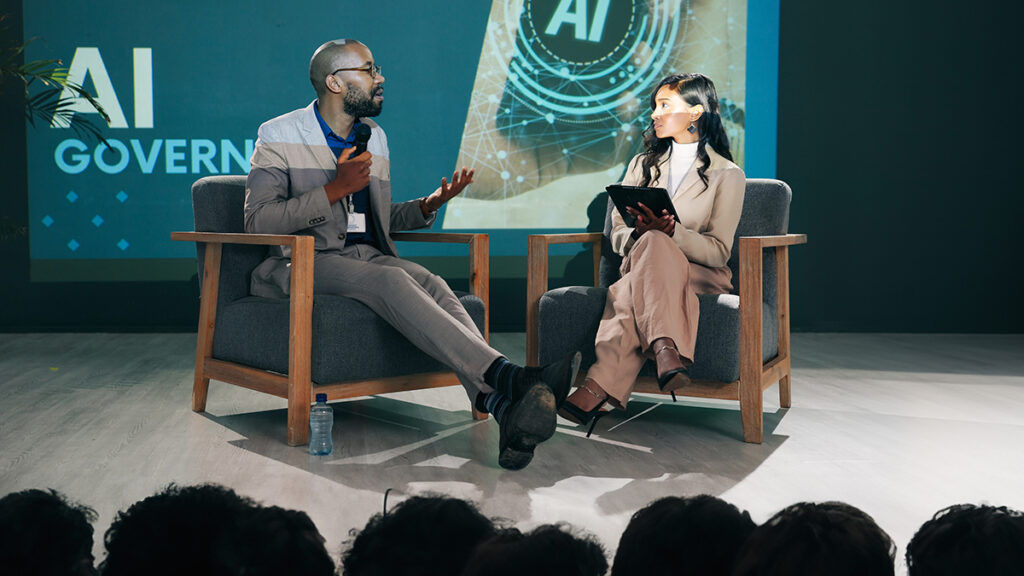
To navigate this new terrain responsibly, collaboration is essential — not only between musicians and technologists but also among policymakers, industry leaders, and legal experts. Shared ethical standards could guide how training datasets are built, how credits are attributed, and how revenues are distributed.
Transparent labeling of AI-generated music, public education, and open dialogue with creators will help demystify AI’s role in art. Governance frameworks — whether regulatory or industry-led — can create accountability and foster consumer trust. AI doesn’t need to be feared if its use is guided by clear ethical and legal guardrails.
Conclusion: Composing a Fair and Inclusive Future
The emergence of AI-generated music marks a turning point in the evolution of art and technology. As algorithms gain the ability to compose, mimic, and innovate, they challenge traditional assumptions about creativity, ownership, and the value of human expression.
The path forward will require a delicate balance. Legal reforms must ensure that artists are protected, creativity is rewarded, and innovation is not stifled. Ethical guidelines should shape how AI-generated music is created and used, ensuring transparency and fairness. Above all, AI should be embraced not as a replacement for human artistry, but as a new instrument in the creative orchestra — one that, when guided thoughtfully, can help us compose a richer, more inclusive musical future.