The Best Essential Oils for Relaxation

Introduction: The Growing Demand for Natural Stress Relief
In today’s fast-paced world, relaxation has shifted from being a luxury to a vital necessity. The constant juggling of work demands, personal responsibilities, and digital distractions often leaves people mentally exhausted and emotionally drained. Stress, anxiety, and burnout have become so common that many are searching for natural and effective ways to restore balance.
Amid this growing demand, essential oils have emerged as one of the most popular wellness tools for relaxation. These concentrated plant extracts capture the healing properties and aromas of botanicals, offering a sensory experience that connects directly to both body and mind. Cultures around the world have used plant oils for centuries—for rituals, healing, and emotional balance. Today, modern aromatherapy draws on this ancient wisdom while being supported by scientific studies that validate their calming, stress-relieving properties.
Essential oils can do more than just smell pleasant. When used thoughtfully, they can ease tension, improve sleep, encourage mindfulness, and promote emotional resilience. This article explores the best essential oils for relaxation, the science behind their effectiveness, and practical ways to make them part of your daily routine.
Understanding How Essential Oils Promote Relaxation
The Science Behind Aromatherapy
The calming effects of essential oils are deeply rooted in biology. When you inhale the aroma of an essential oil, volatile molecules enter the nasal passages and stimulate the olfactory nerves. These signals travel directly to the limbic system—the part of the brain responsible for emotions, memory, and behavior. Unlike other senses, smell has a fast and powerful impact on the nervous system, which is why a single breath of lavender or chamomile can instantly shift your mood.
Essential oils contain unique chemical constituents that influence the body in specific ways. Linalool, found in lavender, is linked to sedative and anti-anxiety effects. Limonene, present in citrus oils, can uplift mood and reduce stress hormones like cortisol. These compounds interact with neurotransmitters, encouraging relaxation while gently influencing heart rate, blood pressure, and even hormone balance.
The Mind-Body Connection
Relaxation is not just a mental state; it is a whole-body experience. Stress often shows up physically—in the form of tense muscles, headaches, shallow breathing, or digestive issues. Essential oils can ease both the emotional and physical aspects of stress. Inhalation soothes the mind, while topical application through massage can release muscular tightness and encourage circulation.
This dual effect creates a holistic pathway to relaxation. By calming the nervous system and easing the body, essential oils offer a bridge between mind and body—helping both to work in harmony.
The Best Essential Oils for Deep Relaxation
Lavender: The Universal Calming Oil
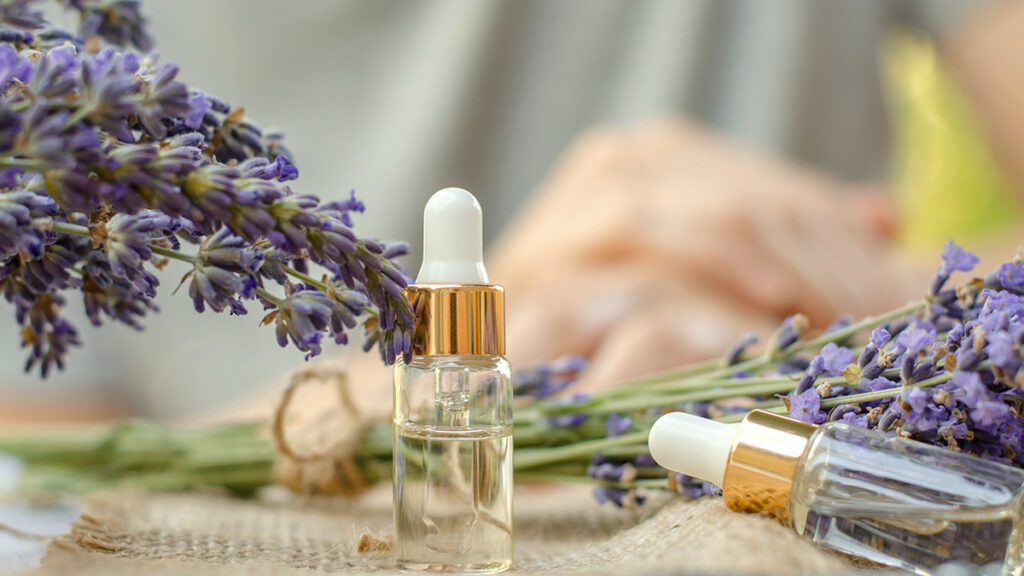
Lavender (Lavandula angustifolia) is the superstar of relaxation oils. Its gentle, floral aroma is known worldwide for its soothing effects. For centuries, lavender has been used to ease anxiety, calm the mind, and improve sleep quality.
Modern research backs up this tradition. Studies show that inhaling lavender can lower heart rate, reduce blood pressure, and even support people struggling with insomnia. It is one of the few oils safe enough to use across all age groups, making it an excellent choice for family relaxation routines.
Lavender is versatile—you can diffuse it before bed, add a few drops to your pillow, mix it into a warm bath, or apply it (diluted in carrier oil) as part of a calming massage. For anyone new to essential oils, lavender is the perfect starting point.
Chamomile: The Gentle Soother
Roman chamomile (Chamaemelum nobile) has a soft, apple-like scent that embodies comfort and calm. Often used in teas for relaxation, its essential oil offers similar benefits for emotional and physical stress.
Chamomile oil is particularly effective for easing irritability, nervous tension, and mild insomnia. It is also known for its anti-inflammatory properties, making it a helpful companion for both mental relaxation and physical relief. Topical application can ease muscle tightness or digestive discomfort caused by stress.
Its gentle, nurturing quality makes chamomile especially valuable during emotional transitions—grief, big life changes, or times of overwhelm. Blended with lavender, it creates a bedtime ritual that promotes deeper, more restorative rest.
Bergamot: The Uplifting Calm
Bergamot (Citrus bergamia) stands out as both energizing and relaxing—a rare combination. Its citrus aroma, layered with floral undertones, can lift mood while calming the nervous system. This makes it especially useful for people who feel anxious yet drained, needing both relief and motivation.
Scientific studies have found that bergamot inhalation can reduce cortisol, lower blood pressure, and ease symptoms of anxiety. Its bright scent is also effective for combating mental fatigue, creating a sense of optimism and balance.
Bergamot blends beautifully with lavender, ylang ylang, or geranium, creating aromatic profiles that soothe tension while lifting the spirit.
Ylang Ylang: The Exotic Relaxant
Ylang ylang (Cananga odorata) has a rich, sensual fragrance that’s both floral and slightly spicy. Known for its ability to slow the heart rate and reduce blood pressure, this oil is a powerful choice for deep relaxation.
Emotionally, ylang ylang helps release anger, frustration, and irritability. Its sweet, tropical scent creates an atmosphere of warmth and emotional openness, often used in romantic settings to encourage intimacy and calm.
Because of its intensity, a little goes a long way. It’s best used sparingly or blended with lighter oils like citrus or lavender to balance its potency.
Frankincense: The Meditative Aid
Frankincense (Boswellia carterii) is one of the oldest essential oils, revered for centuries in spiritual and meditative practices. Its warm, resinous aroma helps quiet the mind and deepen breathing, making it a favorite for mindfulness, yoga, and prayer.
On a physiological level, frankincense may support lung function and encourage slow, steady breathing, which naturally reduces stress. It is grounding and stabilizing—ideal for those seeking inner clarity or a deeper connection during relaxation rituals.
When blended with citrus or floral oils, frankincense develops a layered aroma that balances its earthy base with brighter notes. Diffuse it during meditation or apply diluted drops to temples or wrists for grounding calm.
Ways to Incorporate Essential Oils into Your Relaxation Routine
Diffusion for Ambient Calm
A diffuser is one of the most effective ways to enjoy essential oils. By dispersing a fine mist into the air, the aroma fills your space and allows you to breathe in the therapeutic compounds effortlessly.
Evening blends of lavender, chamomile, and frankincense create a serene environment for winding down. For daytime, bergamot and ylang ylang offer calm energy without sedation, helping you remain relaxed yet alert.
Bath Rituals for Stress Relief
Few things compare to the indulgence of a warm bath enhanced with essential oils. The heat relaxes muscles while the oils provide both aromatic and topical benefits. Lavender, chamomile, or frankincense in a bath ritual can prepare you for restorative sleep.
Always dilute essential oils in a carrier oil or unscented bath base before adding them to water to prevent skin irritation. A bath with just 6–8 drops of oil can create a deeply calming, spa-like experience at home.
Topical Application for Physical Release
Applied directly to the skin, diluted essential oils can relieve tension where you feel it most. Massage blends with lavender, chamomile, or ylang ylang can release tight muscles and calm the nervous system.
Applying oils to pulse points—like the temples, wrists, or behind the ears—allows the aroma to linger, providing ongoing relaxation throughout the day. Carrier oils like jojoba, almond, or coconut oil are perfect for dilution and massage.
Inhalation for On-the-Go Relaxation
For quick stress relief outside the home, inhalation is a simple and discreet option. A drop of essential oil on a tissue, cotton ball, or personal inhaler can provide instant calm during flights, commutes, or stressful meetings.
This method is portable and highly effective—your relaxation toolkit fits right in your pocket.
Safety Considerations When Using Essential Oils
Essential oils are natural, but they are also potent. To use them safely:
- Always dilute before applying to the skin.
- Perform a patch test to rule out allergic reactions.
- Be mindful of oils not recommended during pregnancy or for young children.
- Store oils away from direct sunlight and heat to preserve their properties.
If you have underlying health conditions, consult a qualified aromatherapist or healthcare professional before starting regular use.
Conclusion: Crafting Your Personal Path to Relaxation
Essential oils provide more than pleasant fragrances—they offer a natural, holistic pathway to peace of mind, emotional balance, and physical ease. From lavender’s gentle embrace to bergamot’s uplifting calm or frankincense’s meditative depth, these plant-based remedies have the power to transform how you relax.
Incorporating essential oils into your daily life doesn’t require drastic change. A diffuser by your bedside, a few drops in a warm bath, or a calming blend applied to your temples can create moments of serenity in even the busiest days.
Ultimately, relaxation is not just a fleeting state—it is a practice, cultivated through intention and supported by tools that bring harmony to mind and body. Essential oils can help turn this practice into a ritual, offering daily reminders to pause, breathe deeply, and reconnect with yourself.
In a world that constantly pulls your attention outward, essential oils invite you back inward—toward calm, balance, and the simple joy of being present.