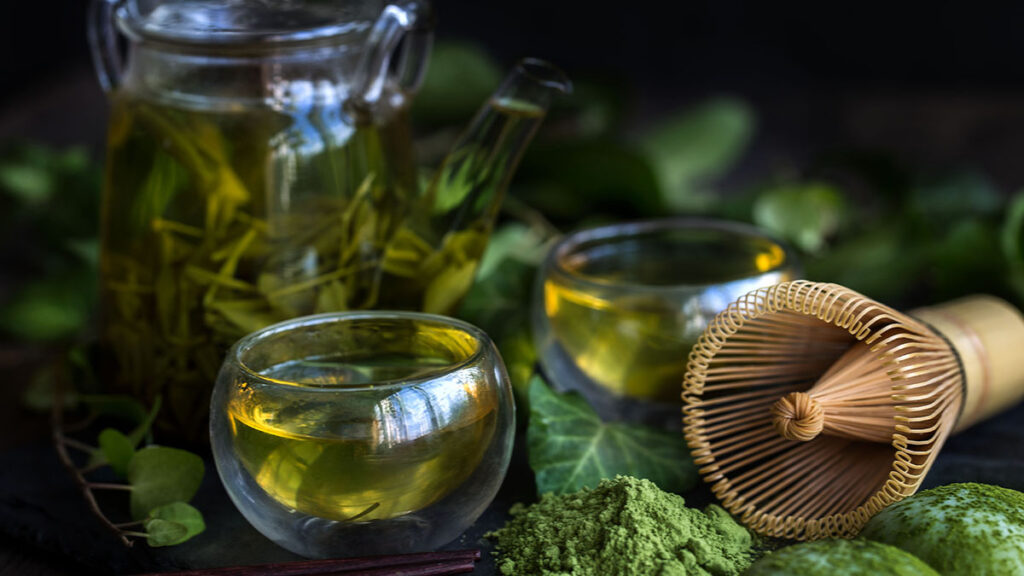
Benefits of Drinking Herbal Teas

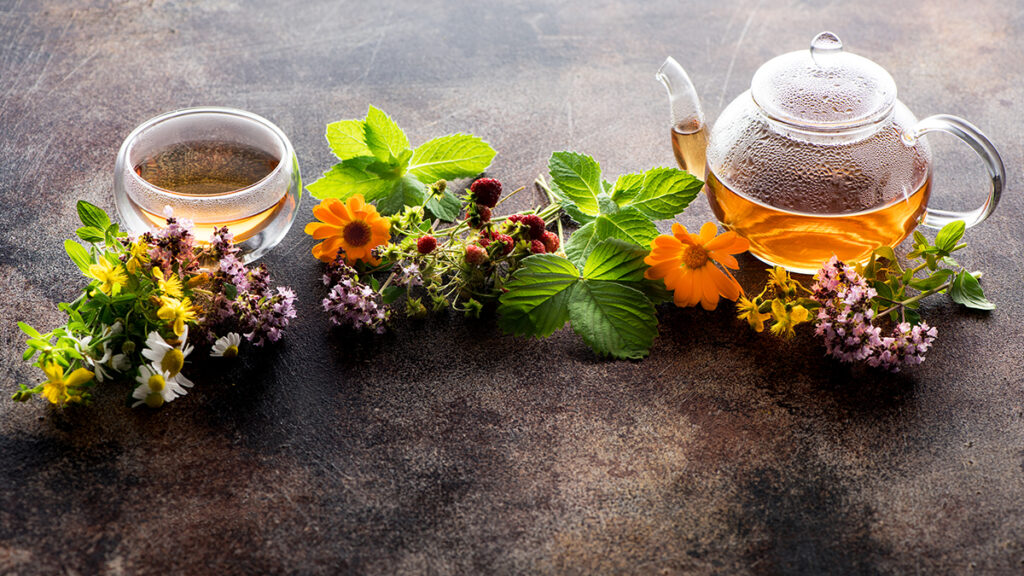
Introduction: The Timeless Appeal of Herbal Teas
For centuries, herbal teas have been more than just comforting drinks. They have been companions in moments of rest, remedies for common ailments, and rituals passed down through generations. Unlike black or green tea, which come from the Camellia sinensis plant, herbal teas are crafted from a vast variety of flowers, roots, seeds, barks, and leaves. Each infusion carries a unique personality—a blend of flavors, aromas, and natural compounds that nurture both body and mind.
From the calming power of chamomile to the invigorating freshness of peppermint, herbal teas are deeply rooted in traditional healing practices across cultures. Ayurveda, Traditional Chinese Medicine, Native American herbalism, and European folk remedies all embraced these infusions long before modern science began to study their effects. Today, their popularity continues to grow, not just as alternatives to caffeine but as natural allies for overall well-being.
Modern wellness seekers turn to herbal teas for countless reasons: to soothe digestion, strengthen immunity, enhance sleep, or simply carve out a mindful pause in their day. Each sip becomes a quiet act of self-care. To appreciate the true benefits of herbal teas, it’s worth exploring both the science behind their properties and the mindful rituals they inspire.
The Nutritional and Medicinal Power of Herbal Teas
A Source of Natural Phytonutrients
Herbal teas are brimming with phytonutrients—plant-based compounds that work in harmony to support health. Many are rich in antioxidants, which neutralize harmful free radicals in the body, slowing down cellular damage and reducing the risk of chronic disease. Hibiscus and rosehip, for instance, are loaded with vitamin C and flavonoids, making them powerful immune allies. Rooibos, a South African favorite, offers polyphenols that support cardiovascular health and regulate inflammation.
What sets herbal teas apart is the way these nutrients are delivered. Unlike isolated supplements, the compounds in herbal teas are accompanied by synergistic elements that often enhance absorption. A cup of nettle tea, for example, doesn’t just provide iron and calcium—it also delivers chlorophyll and a spectrum of minerals that together support energy, detoxification, and bone strength.
A Gentle Approach to Healing
Unlike medications that act quickly but sometimes harshly, herbal teas offer subtle, long-term support. They don’t usually force drastic changes in the body; instead, they nudge natural processes back into balance. A cup of chamomile before bed won’t knock you out—it will encourage your nervous system to release tension and prepare you for rest. Peppermint tea won’t cure indigestion instantly, but its menthol compounds can relax digestive muscles, easing discomfort over time.
This gentleness makes herbal teas suitable for everyday use. They can complement medical treatments, provide comfort for minor ailments, or simply act as preventive care by supporting the body’s natural rhythms.
Popular Herbal Teas and Their Benefits
Chamomile for Relaxation and Sleep
Chamomile has long been considered nature’s bedtime tea. Containing compounds like apigenin that bind to receptors in the brain, chamomile promotes relaxation and reduces anxiety. Its soothing effects extend beyond sleep—many drink it to calm nerves during stressful times, relieve menstrual cramps, or ease an upset stomach. As part of a nightly ritual, chamomile creates a signal to the body: it’s time to slow down, let go, and rest.
Peppermint for Digestive Support
Few herbs refresh the senses like peppermint. Its active compound, menthol, relaxes smooth muscles in the digestive tract, making it especially effective for bloating, indigestion, and gas. Its cooling sensation also makes it a natural remedy for headaches and tension. Many people sip peppermint tea after meals to aid digestion, while others turn to it during colds for its ability to clear nasal passages and stimulate alertness.
Hibiscus for Heart Health
With its brilliant ruby-red color and tangy flavor, hibiscus tea is as visually striking as it is beneficial. Rich in anthocyanins and vitamin C, hibiscus has been studied for its ability to lower blood pressure and support cholesterol balance. For those looking to care for their cardiovascular system naturally, hibiscus is both refreshing and therapeutic. Its tart flavor makes it an excellent alternative to sugary drinks, offering hydration with health benefits in every sip.
Rooibos for Antioxidant Support
Rooibos, also called red bush tea, is naturally caffeine-free and beloved for its sweet, earthy flavor. Its antioxidant profile is unique, featuring aspalathin, which supports blood sugar regulation and reduces inflammation. Rooibos is often recommended as a gentle tea suitable for children and adults alike. It can be enjoyed plain, with milk, or even as an iced tea, making it versatile as well as nourishing.
The Role of Herbal Teas in Hydration and Detoxification
Supporting Daily Hydration
For many, drinking enough water throughout the day feels like a chore. Herbal teas provide a flavorful, caffeine-free alternative that encourages hydration without added sugars or artificial flavors. Unlike coffee or strong black tea, most herbal teas don’t act as diuretics, so they contribute to daily fluid intake. A cup of ginger, lemongrass, or mint tea not only hydrates but also refreshes the palate, turning hydration into a ritual rather than an obligation.
Gentle Detox Support
The body is already equipped with detox systems—primarily the liver, kidneys, and skin. Herbal teas support these systems in gentle, sustainable ways. Dandelion root, for example, stimulates bile production and supports liver health. Burdock root assists kidney filtration and skin clarity. Ginger tea enhances circulation and digestion, promoting natural cleansing. Unlike extreme detox fads, herbal teas provide balance—supporting natural elimination processes without depriving the body of nutrients.
Mental and Emotional Benefits of Drinking Herbal Teas
A Ritual for Mindfulness
Herbal teas nourish not only the body but also the mind. The act of preparing tea—boiling water, steeping herbs, inhaling aromas—becomes a meditative practice. In a world that encourages constant multitasking, pausing to drink tea offers a mindful moment of presence. It allows you to breathe, reflect, and reset.
These small rituals can reduce stress, improve focus, and provide emotional grounding. Over time, they cultivate resilience by teaching the mind and body to associate tea drinking with calmness and restoration.
Aromatherapy in a Cup
Herbal teas also carry the therapeutic power of scent. Lavender tea releases a floral fragrance that helps ease anxiety, while citrus-based teas like lemon balm uplift and energize. The aroma of peppermint stimulates alertness, while rose tea provides gentle comfort. Each sip is an experience not just of taste but of smell, intertwining aromatherapy with nourishment.
How Herbal Teas Support Digestive Health
Soothing the Stomach
Digestive discomfort is one of the most common reasons people turn to herbal teas. Carminative herbs like peppermint, fennel, and ginger relax the digestive tract, reducing bloating and cramping. Ginger, in particular, has been widely studied for its effectiveness against nausea, whether from motion sickness, pregnancy, or indigestion. These teas provide relief without the side effects that sometimes accompany over-the-counter remedies.
Supporting Gut Microbiome Balance
Beyond soothing symptoms, herbal teas can help maintain gut health. Roots like licorice and marshmallow have demulcent properties—they coat and calm the digestive lining, reducing irritation and supporting microbial balance. A healthy gut microbiome is essential for immunity, mood regulation, and energy levels, and herbal teas provide a simple way to nurture it daily.
Boosting Immunity with Herbal Teas
Immune-Enhancing Ingredients
Herbal teas have long been used to bolster immunity, particularly during cold and flu season. Echinacea tea is thought to stimulate immune activity, while elderberry tea is rich in anthocyanins that may reduce the severity of infections. Ginger, with its warming properties, increases circulation and strengthens the body’s defenses. Together, these teas provide a natural line of support against everyday pathogens.
Year-Round Support
While immune-boosting teas are often sought in winter, their benefits extend year-round. Regular consumption builds resilience, helping the body fend off infections, adapt to stress, and recover more quickly from illness. By integrating these teas into daily routines, you create a gentle but steady form of protection for your long-term health.
Herbal Teas for Skin and Hair Health
Nourishing from the Inside Out
The beauty benefits of herbal teas are often overlooked. Spearmint tea, for example, has been studied for its ability to balance hormones linked to acne. Nettle tea delivers minerals like silica and iron, which strengthen hair and nails while also improving circulation to the scalp. Rooibos and hibiscus, rich in antioxidants, support collagen production and skin elasticity.
Hydration and Detox for Clear Skin
Because skin health depends on hydration and efficient detoxification, herbal teas play an indirect but powerful role in radiance. By flushing toxins and maintaining fluid balance, they help prevent dryness, dullness, and breakouts. Over time, this can lead to clearer, brighter, and healthier-looking skin.
Precautions and Best Practices for Drinking Herbal Teas
Quality Matters
Not all teas are created equal. To maximize benefits, it’s important to choose high-quality, preferably organic herbs. Loose-leaf teas often retain more nutrients than mass-produced tea bags, which may contain lower-grade plant material or microplastics in the bags themselves. Freshness also matters—storing herbs in airtight containers away from light helps preserve their potency.
Moderation and Individual Sensitivities
Although generally safe, some herbs can cause allergic reactions or interact with medications. People with ragweed allergies, for instance, may react to chamomile. Excessive licorice root consumption can raise blood pressure. Pregnant or nursing individuals should also exercise caution with certain herbs. The best approach is moderation—enjoying a variety of teas while listening to your body’s responses—and seeking guidance from a healthcare provider if needed.
Conclusion: A Cup of Wellness in Every Sip
Herbal teas are more than pleasant drinks—they are nature’s way of supporting the body and mind in harmony. Each cup carries not only antioxidants, minerals, and healing compounds but also an invitation to slow down and care for yourself. From calming chamomile to heart-healthy hibiscus, from digestive-soothing peppermint to mineral-rich nettle, herbal teas offer a wide spectrum of benefits that touch nearly every aspect of wellness.
But beyond their physiological effects, herbal teas carry an emotional and even spiritual significance. They create space for ritual, mindfulness, and connection. In a world that often rushes us toward productivity, pausing to steep a cup of tea reminds us to honor the present moment.
Incorporating herbal teas into daily life doesn’t require dramatic changes—only intention. Choosing a tea that matches your needs, preparing it with care, and savoring it slowly can transform a simple drink into a meaningful act of self-care. Over time, these quiet moments add up, supporting not only your physical health but also your sense of balance and well-being. Truly, in every sip of herbal tea lies the essence of wellness itself.