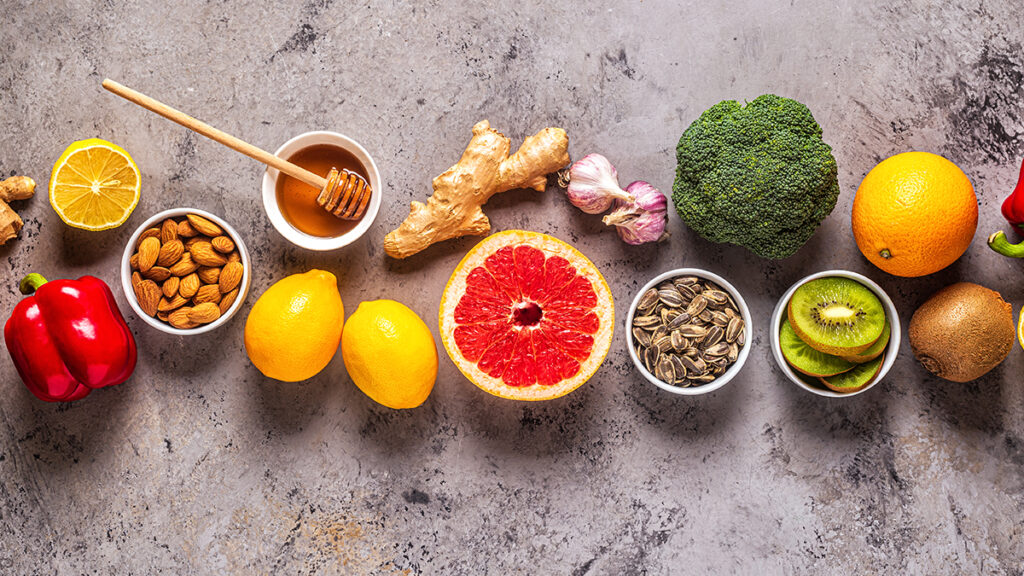
Essential Vitamins and Minerals for Women


Introduction: Nourishing Women, Nurturing Wellness
In today’s fast-moving world, women often find themselves juggling multiple roles—professional commitments, caregiving responsibilities, partnerships, friendships, and personal growth. While that adaptability and resilience shine outwardly, the body is sustained by something less visible but equally powerful: essential nutrients.
From adolescence through the post-menopausal years, women’s bodies move through dramatic hormonal shifts, reproductive milestones, and metabolic transitions. Each stage calls for a unique balance of vitamins and minerals that act like an orchestra—sometimes with one nutrient taking the lead, other times with a combination working in harmony.
These nutrients aren’t only about “staying healthy” in a general sense. They influence fertility and reproductive health, preserve bone strength, stabilize mood, protect the immune system, and support long-term vitality. Ideally, a balanced diet would provide everything needed, but modern lifestyles, stress, restrictive eating patterns, and environmental factors often create nutrient gaps. Nutrition experts in 2025 stress that mindful supplementation—used strategically and guided by professional advice—can bridge those gaps, ensuring women have the support needed to thrive in each stage of life.
The Cornerstones of Women’s Nutritional Needs
Folate (Vitamin B9): Foundation for Fertility and Cellular Health
Folate, often recognized in its supplemental form as folic acid, is one of the most crucial nutrients for women. Though it is most famously tied to pregnancy, its benefits extend across a woman’s lifespan. Folate is central to DNA synthesis, healthy cell division, and red blood cell production. In reproductive health, it supports egg maturation, successful implantation, and the formation of the placenta.
Health authorities recommend at least 400 micrograms daily for women of childbearing age, with an increase to 600 micrograms during pregnancy. This intake can be achieved through a mix of folate-rich foods such as leafy greens, legumes, and fortified grains, as well as high-quality prenatal or multivitamins when conception is planned or pregnancy is underway. Adequate folate dramatically lowers the risk of neural tube defects in infants, making it one of the most vital nutrients for women in their reproductive years.
Iron: Fueling Energy and Reproductive Vitality
Iron plays the essential role of transporting oxygen through the bloodstream. When levels dip too low, the effects are unmistakable: fatigue deepens, focus weakens, immunity falters, and during the reproductive years, fertility itself may be impacted.
Women are particularly vulnerable to iron deficiency due to menstrual blood loss, the increased demands of pregnancy, and sometimes intensive physical activity. Lean meats, poultry, fish, lentils, beans, and fortified cereals are excellent dietary sources, but many women still fall short. Supplementation may be necessary, but balance is key. Too little iron results in anemia, while too much can cause toxicity. For this reason, health professionals emphasize testing iron levels before beginning supplementation to ensure safety and effectiveness.
Calcium and Vitamin D: Building Strong Bones for Lifelong Resilience
As women age, bone health becomes a central concern. After menopause, declining estrogen accelerates bone density loss, raising the risk of osteoporosis. Calcium and vitamin D together form the foundation of bone strength and resilience.
Calcium provides the structural building blocks for bones and teeth, while vitamin D ensures calcium is absorbed effectively and supports immune and mood regulation. Natural sources of calcium include dairy, fortified plant-based milks, leafy greens, and small bony fish. Vitamin D can be synthesized through sunlight exposure or consumed via fatty fish and fortified foods, though supplementation is often necessary in regions with limited sunlight.
Protecting bone density early—through adolescence, early adulthood, and midlife—sets the stage for healthier aging, allowing women to maintain mobility and independence well into later years.
Vitamin B12: Nerve, Energy, and Cognitive Support
Vitamin B12 is essential for a well-functioning nervous system, red blood cell formation, and DNA synthesis. Without enough B12, women may experience fatigue, numbness or tingling, memory lapses, and even irreversible nerve damage if deficiencies persist.
Those following vegetarian or vegan diets are particularly at risk, since B12 is naturally found only in animal-based foods. Women over 50 also face absorption challenges, as stomach acid production naturally decreases with age. In such cases, fortified foods and supplements are essential. Maintaining adequate B12 not only prevents anemia but also supports cognitive clarity, emotional balance, and energy stability.
Vitamin D: Beyond Bone—Mood, Immunity, and Hormonal Balance
While vitamin D is critical for bone health, its role stretches far beyond. Adequate levels support hormone regulation, fertility, immune defense, and mood stability. Women with darker skin, those who live in northern latitudes, or those who spend little time outdoors are especially prone to deficiency.
Regular testing allows women to supplement safely and effectively, ensuring levels are neither too low nor excessive. For many, maintaining sufficient vitamin D is not just about bone integrity but about whole-body vitality, emotional balance, and resistance to illness.
Magnesium: Tamer of Cramps, Moods, and Metabolism
Though often overshadowed, magnesium is indispensable. It participates in over 300 biochemical reactions, supporting muscle relaxation, blood pressure regulation, hormone balance, and mood stabilization.
For women, magnesium has specific advantages: easing premenstrual cramps, reducing PMS-related irritability, and improving sleep quality. Nuts, seeds, legumes, whole grains, and leafy greens are rich sources, but stress, caffeine, and certain medications can deplete stores quickly. Supplementation during times of high demand can restore equilibrium and resilience.
Omega-3 Fatty Acids: Brain, Heart, and Hormones in Harmony
Omega-3s, specifically DHA and EPA, are vital for brain function, cardiovascular health, inflammation control, and hormone regulation. During pregnancy, DHA plays a crucial role in fetal brain and eye development, while throughout life omega-3s help regulate mood, improve cognitive function, and support heart health.
Fatty fish such as salmon, sardines, and mackerel are the richest natural sources. For those avoiding fish, algae-based supplements provide plant-friendly alternatives. Consistent omega-3 intake supports smoother hormonal transitions and protects long-term cognitive and cardiovascular vitality.
Zinc and Iodine: Hormones, Healing, and Thyroid Harmony
Zinc and iodine, though needed in smaller amounts, are powerful allies in women’s health. Zinc supports immune defense, wound healing, hormone regulation, and reproductive function. Iodine is crucial for thyroid health, influencing metabolism, menstrual cycles, and overall energy.
While iodized salt has reduced iodine deficiency in many areas, women who avoid processed salt or seafood may fall short. Pregnant and breastfeeding women have particularly heightened iodine needs, as the mineral is critical for fetal and infant brain development. Balanced intake of both minerals sustains reproductive health and metabolic balance.
Vitamin B6, B2, Niacin, and the Quiet Strength of the B-Complex
The lesser-known B-vitamins quietly power countless processes. Vitamin B6 helps regulate mood and can ease PMS symptoms. Riboflavin (B2) protects eye health and energy metabolism. Niacin supports cardiovascular health by influencing cholesterol balance.
Together, the B-complex functions like spark plugs for the body’s engine, ensuring metabolism, neurotransmitter synthesis, and energy production remain steady. For women balancing demanding careers, family responsibilities, and personal goals, these nutrients act as a stabilizing force, keeping systems running smoothly.
Multivitamins and Prenatal Supplements: A Practical Safety Net
Though nutrient-rich meals should always form the foundation of health, multivitamins and prenatal supplements play a valuable role during times of increased demand. Pregnancy, breastfeeding, menopause, and periods of recovery may require higher levels of key nutrients than diet alone can consistently provide.
Experts recommend choosing supplements tailored to specific life stages and tested for purity and potency. While not substitutes for whole foods, these supplements offer reassurance and strategic support when dietary intake falls short.
Bringing It All Together: Timing, Food, and Safety
Absorption Tips and Timing Wisdom
The timing and method of taking vitamins significantly impact their effectiveness. Water-soluble vitamins like B-complex and vitamin C absorb best on an empty stomach with water, while fat-soluble vitamins (A, D, E, and K) require a meal containing healthy fats.
Iron absorbs best when paired with vitamin C, but poorly when consumed with calcium, coffee, or tea. These small but intentional adjustments in timing can significantly improve nutrient absorption and maximize benefits.
Food as Foundation; Supplements as Strategic Support
No supplement can replicate the complexity of whole foods, which provide fiber, antioxidants, and plant compounds that interact synergistically with vitamins and minerals. A diet abundant in colorful fruits, vegetables, legumes, whole grains, nuts, seeds, and lean proteins is irreplaceable.
Supplements, when used, should serve as strategic support—bridging unavoidable gaps rather than replacing the richness of a diverse diet.
Monitoring, Personalizing, and Adjusting
Women’s nutritional needs evolve over time. Menstruation, pregnancy, postpartum recovery, perimenopause, and menopause each introduce new demands. Regular check-ups, blood work, and professional guidance allow women to adjust supplementation appropriately, ensuring intake matches both present and future needs.
Personalized nutrition—shaped by lifestyle, genetics, health status, and goals—is increasingly becoming the standard in 2025. With thoughtful monitoring and adaptation, women can navigate each life stage with confidence and vitality.
Conclusion: Empowered Nutrition for the Modern Woman
From folate’s role in reproductive health to calcium and vitamin D’s defense of bones; from B12’s protection of energy and cognition to omega-3s’ support of brain and heart function—essential vitamins and minerals form the biological building blocks of a woman’s well-being.
The path to wellness is not about overloading on supplements or chasing quick fixes. It is about cultivating balance: eating nutrient-rich meals, using supplementation wisely, paying attention to timing and absorption, and adjusting intake as life evolves.
When women nourish themselves intentionally, they are not only supporting their bodies—they are safeguarding their vitality, resilience, and independence. In doing so, they create the conditions not just for living longer, but for living stronger, with clarity, balance, and energy to embrace every stage of life.