Top Superfoods for Boosting Immunity

Introduction: Supercharging Immunity Through Food
In our current world—where seasonal illnesses, global viral threats, and daily stressors intertwine—our immune system is under constant demand. Supporting it through a nutrient-rich diet has become more than just a wellness trend; it’s a practical, science-backed way to maintain health, reduce the severity of infections, and enhance overall vitality.
While there’s no single “magic” food that guarantees immunity, a balanced and varied diet, rich in vitamins, minerals, antioxidants, and anti-inflammatory compounds, can give your body the tools it needs to defend itself. In 2025, the concept of “superfoods” has evolved. It’s no longer about exotic, hard-to-pronounce powders—it’s about celebrating a mix of timeless staples and exciting newcomers that together form a protective, nourishing shield for the body.
From the tangy burst of citrus to the earthy power of mushrooms, and from ocean-grown algae to vibrant tropical fruits, these foods are both delicious and functional. Let’s explore the immune-supporting heroes that can transform your meals into daily doses of resilience.
Classic Immune-Powering Foods That Endure
Citrus Fruits and Bright-Colored Produce
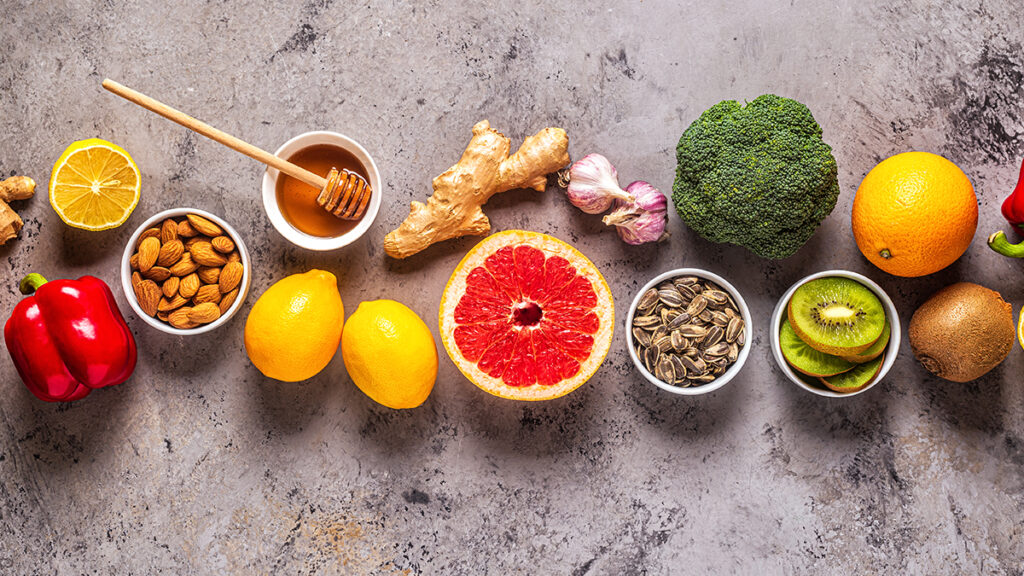
When it comes to immunity, citrus fruits hold a near-mythical status—and for good reason. Oranges, lemons, and grapefruits are brimming with vitamin C, a nutrient essential for stimulating white blood cells, the body’s first line of defense against infections. Beyond the well-known immune benefits, vitamin C also supports healthy skin, which acts as a physical barrier to pathogens.
Interestingly, lemons recently topped a 2025 global ranking of the world’s healthiest fruits, praised for their antioxidant content, digestive support, and liver-cleansing potential. Red bell peppers, often overlooked next to citrus, actually contain even more vitamin C per gram. Sweet potatoes, with their deep orange hue, add another layer of immune defense through beta-carotene, which the body converts into vitamin A—vital for maintaining mucosal barriers in the nose, lungs, and gut.
Leafy Greens and Cruciferous Vegetables
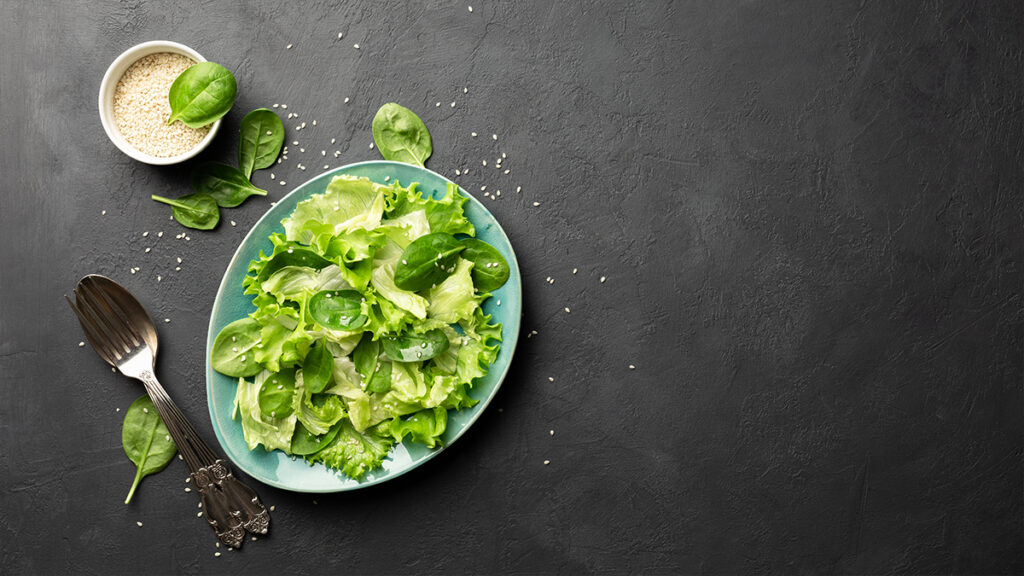
A plate rich in greens is one of the simplest ways to fortify your immune system. Broccoli, kale, spinach, and collard greens are nutritional powerhouses, packed with vitamins A, C, and K, as well as fiber and compounds like sulforaphane, which help reduce inflammation and promote detoxification. These vegetables don’t just boost immunity—they improve gut health, support liver function, and help maintain a healthy weight, all of which indirectly reinforce immune strength.
Garlic, Ginger, and Turmeric: Spices with Intention
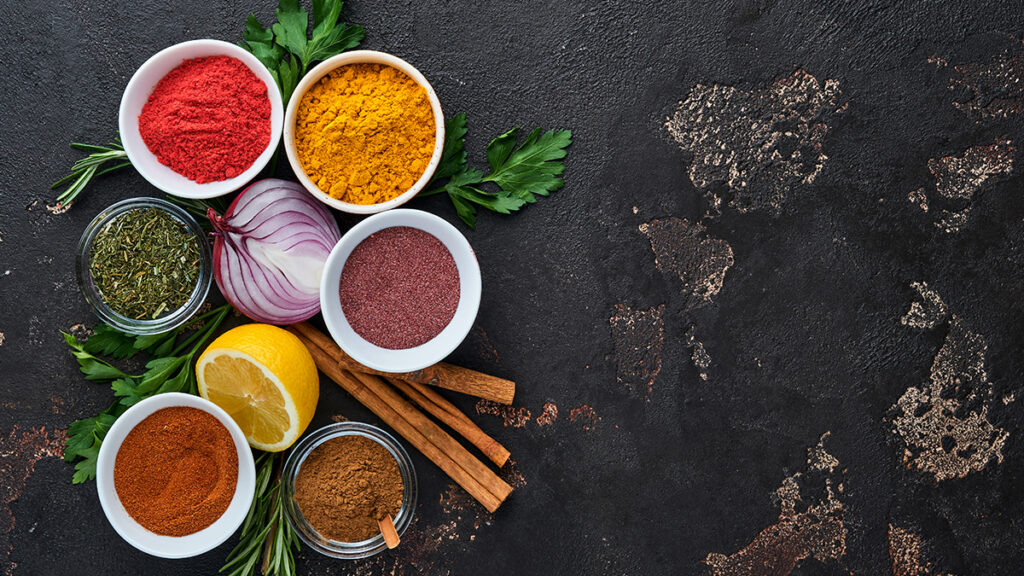
The kitchen spice rack hides some of the most potent immune allies. Garlic contains allicin, a sulfur compound that enhances immune cell activity and helps fight off harmful microbes. Ginger brings anti-inflammatory and antioxidant properties, soothing the digestive system and easing inflammation-related discomforts. Turmeric, with its golden pigment curcumin, is a celebrated anti-inflammatory, and when paired with black pepper for better absorption, it becomes a powerful addition to soups, teas, and stir-fries. These spices not only flavor your food but actively work in your body’s defense.
Gut Health as the Crucible of Immune Strength
Probiotic-Rich Fermented Foods
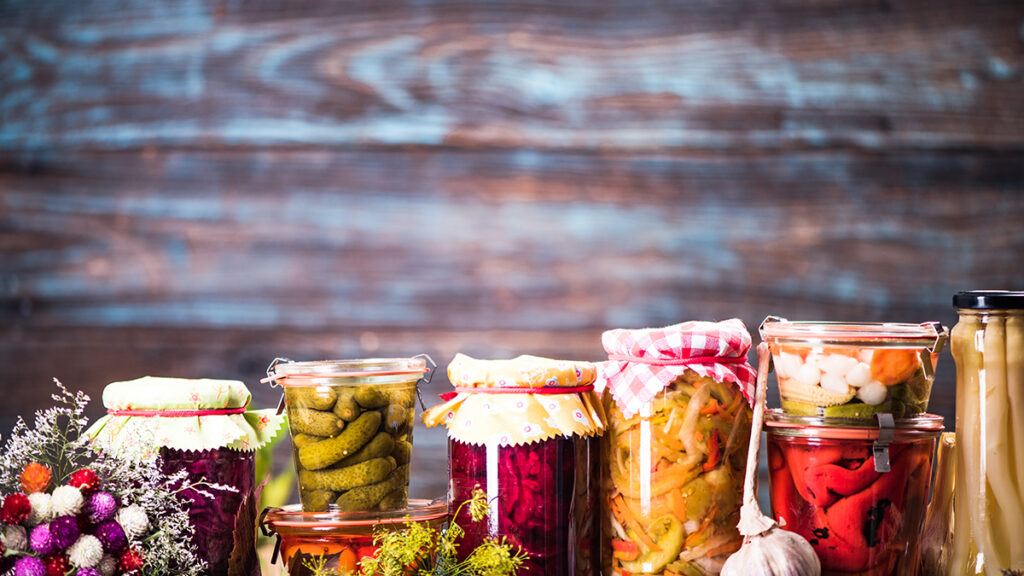
A thriving gut microbiome is central to immune health. Roughly 70% of the immune system resides in the gut, and the balance of “good” bacteria plays a pivotal role in regulating immune responses. Fermented foods like yogurt, kefir, kimchi, sauerkraut, and miso deliver probiotics that populate the gut with beneficial microorganisms. These foods help temper inflammation, aid digestion, and communicate with immune cells to ensure they respond appropriately—neither overreacting (which can lead to autoimmune issues) nor underreacting to threats.
Fiber-Rich Legumes, Nuts, Seeds, and Whole Grains
Probiotics can’t thrive without their food source—prebiotics—which come from fiber-rich foods. Almonds, sunflower seeds, chia, flaxseeds, lentils, and whole grains feed beneficial gut bacteria while also supplying immune-critical nutrients like vitamin E, selenium, magnesium, and healthy fats. These nutrients collectively strengthen cell membranes, regulate inflammation, and improve the efficiency of immune responses.
Protein, Omega-3s, and Antioxidants That Fuel Immunity
Fatty Fish and Lean Protein Sources
Protein is the building block of antibodies and immune cells. Fatty fish like salmon, mackerel, and sardines bring the double benefit of high-quality protein and omega-3 fatty acids, which lower inflammation and support the function of immune-regulating cells. Lean meats, like turkey and chicken, are rich in vitamin B6, necessary for the creation of new red blood cells and antibodies, while zinc in poultry supports wound healing and pathogen defense.
Berries, Dark Chocolate, and Green Tea
Berries are small but mighty immune boosters. Blueberries, strawberries, kiwis, and papayas are loaded with vitamin C, anthocyanins, and other antioxidants that help repair oxidative damage and keep the immune system ready for action.
Dark chocolate (in moderation) offers flavonoids that can improve blood flow and reduce inflammation, indirectly benefiting immunity. And green tea, with its EGCG (epigallocatechin gallate) content, is a potent anti-inflammatory beverage that also supports immune cell production and activity.
Emerging Powerhouses: New Entrants to Immunity Superfoods
Sea Moss and Algae Superfoods
From the ocean come some of the most nutrient-dense foods known to humankind. Sea moss is rich in iodine, zinc, and magnesium, essential minerals for thyroid function and immunity. Chlorella, a type of freshwater algae, is high in protein, antioxidants, and detoxifying compounds. Both are now appearing in smoothies, soups, and supplements as part of 2025’s wellness movement.
Mushrooms: Functional Fungi with Immune Credentials
Cordyceps, chaga, lion’s mane, and reishi mushrooms are making headlines for their ability to modulate immune function through beta-glucans—compounds that stimulate the activity of macrophages and natural killer cells. Beyond immunity, some of these mushrooms also support brain health, energy levels, and stress adaptation, making them a holistic addition to modern diets.
Tropical and Seasonal Garden Stars
Locally grown and seasonal foods like kantola (spiny gourd), papaya, pineapple, guava, banana, and passion fruit are emerging as regional immunity champions. Rich in vitamins A and C, potassium, and antioxidants, these foods offer not just health benefits but also a strong connection to seasonal eating, which supports local agriculture and ensures fresher, more nutrient-dense produce.
Pomegranate and Pine Nuts: Red-Gold Immunity Boosters
Pomegranate juice is brimming with punicalagins and anthocyanins, compounds that fight oxidative stress and help regulate inflammation. Pine nuts, on the other hand, bring vitamin E, zinc, magnesium, and healthy fats—nutrients essential for the immune system’s ability to identify and destroy pathogens.
Integrating Superfoods for Sustained Immune Resilience
Embrace Variety and Real Food Patterns
The term “superfood” can sometimes feel like marketing hype, but when it’s stripped down to its core meaning—foods dense in beneficial nutrients—it becomes clear that variety is the real superpower. The immune system thrives when it’s fueled by an array of vitamins, minerals, healthy fats, and antioxidants, not just one or two “hero” ingredients.
Meal Architecture—Not Supplements—Builds Long-Term Strength
While supplements can be helpful in addressing deficiencies, the most sustainable way to support immunity is by making nutrient-dense foods a regular part of your meals. Think garlic- and turmeric-spiced lentil soup, citrus and spinach salads topped with sunflower seeds, salmon with roasted broccoli, or morning smoothie bowls featuring berries, chia, and a splash of pomegranate juice.
Lifestyle Synergies Magnify Food’s Impact
Nutrition doesn’t work in isolation. Adequate sleep, regular physical activity, proper hydration, and stress management all play significant roles in how well your immune system functions. In fact, research shows that these lifestyle factors can amplify—or undermine—the benefits you gain from eating well. In short, a balanced life supports a balanced immune system.
Conclusion: Nourish Immunity Through Foods That Thrive
In 2025, the smartest approach to immunity is less about chasing the latest exotic health fad and more about building your diet around proven, nutrient-rich foods that you enjoy and can access regularly. From the reliable comfort of citrus and leafy greens to the exciting potential of mushrooms, algae, and tropical fruits, every one of these foods brings something unique to your body’s defense system.
By prioritizing variety, eating seasonally when possible, and complementing good food with healthy lifestyle habits, you’re not just preventing illness—you’re actively cultivating resilience, energy, and longevity. The foods you choose each day are more than just meals; they’re part of a lifelong strategy for health that blends tradition, science, and the simple joy of nourishing your body well.