How to Reduce Inflammation Naturally

Introduction: Understanding Inflammation and Its Impact on Health
Inflammation is one of the body’s most powerful defense mechanisms. When you scrape your knee, catch a cold, or even push yourself through an intense workout, your immune system responds by sending a surge of blood, immune cells, and chemical messengers to the affected area. This natural process, known as acute inflammation, is short-lived and incredibly beneficial. It helps fight infection, promotes healing, and protects against further injury.
But not all inflammation is helpful. Chronic inflammation, the type that lingers for weeks, months, or even years, can quietly erode health. Unlike the visible swelling from a sprained ankle, chronic inflammation often goes unnoticed. Yet it’s linked to some of the most common health issues of our time—heart disease, type 2 diabetes, arthritis, Alzheimer’s disease, autoimmune conditions, and even certain cancers.
The problem is that modern lifestyles often fuel this low-grade inflammation. Diets high in processed foods, chronic stress, poor sleep, sedentary habits, and exposure to toxins can keep the immune system stuck in overdrive. The good news? The body is remarkably adaptable. By adopting natural, sustainable habits, you can calm inflammation, restore balance, and support long-term health.
This article explores dietary choices, lifestyle practices, gut health, weight management, and natural supplements that can help reduce inflammation naturally. With consistent changes, you can support your body’s healing systems and lay the foundation for vibrant health.
The Role of Diet in Reducing Inflammation
Embracing Anti-Inflammatory Foods
Food is one of the most powerful tools we have to influence inflammation. Certain foods are loaded with antioxidants, polyphenols, and omega-3 fatty acids—all of which help fight oxidative stress and calm inflammatory responses.
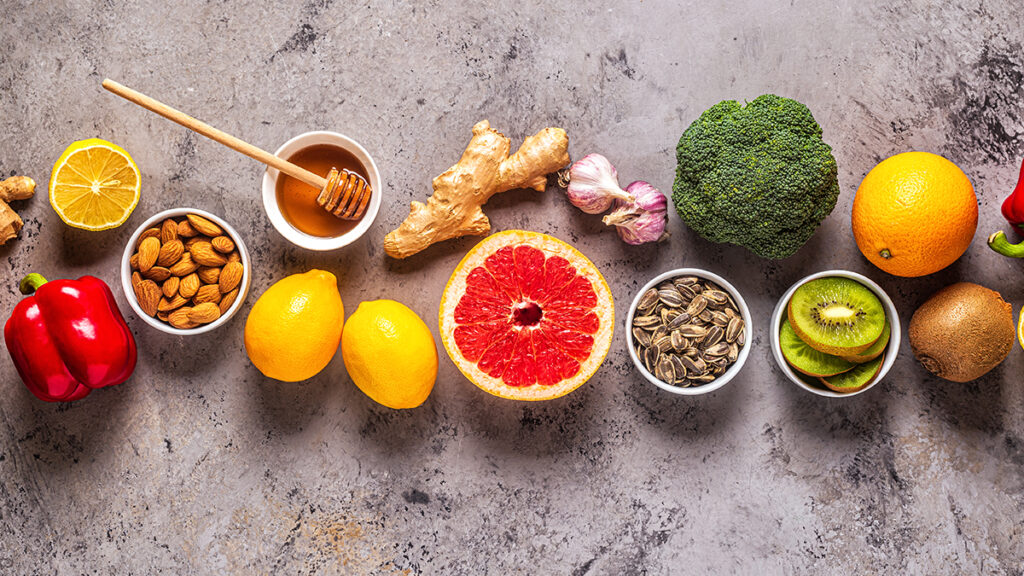
Colorful fruits and vegetables are the stars of an anti-inflammatory diet. Berries, leafy greens, bell peppers, and cruciferous vegetables like broccoli and cauliflower are rich in vitamins, minerals, and phytonutrients that help neutralize free radicals before they can damage cells. Think of these foods as a shield for your body’s tissues.
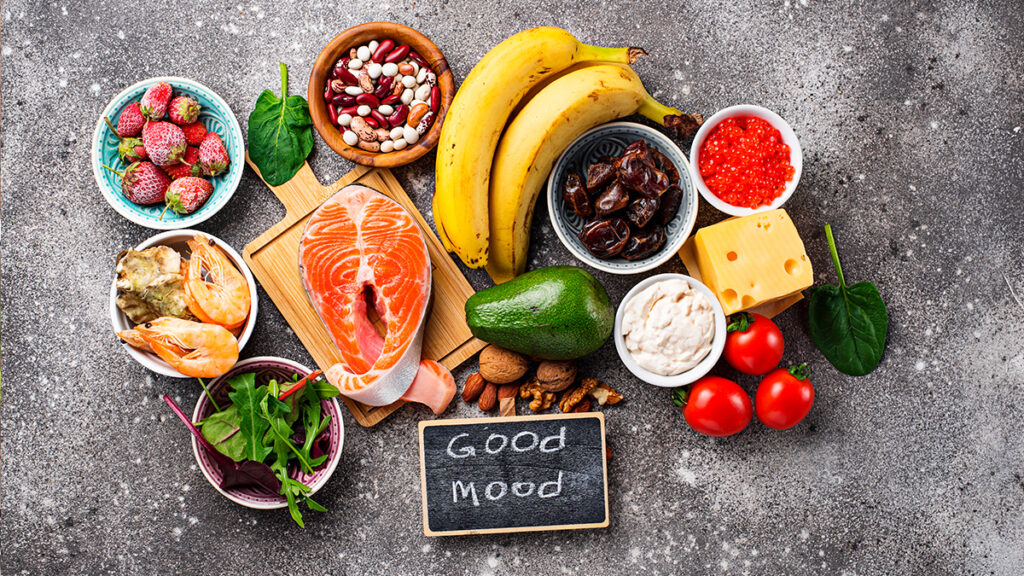
Healthy fats also play a key role. Fatty fish such as salmon, mackerel, and sardines provide omega-3 fatty acids, which directly reduce the production of pro-inflammatory compounds. Plant-based sources like chia seeds, flaxseeds, and walnuts offer similar benefits. Extra virgin olive oil—an essential part of the Mediterranean diet—is another excellent choice, thanks to its monounsaturated fats and unique anti-inflammatory polyphenols.
Whole grains, legumes, and nuts round out this diet by supplying fiber, which nourishes the gut microbiome. A healthy gut supports immune balance, helping to regulate inflammation throughout the body.
Spices and Herbs with Healing Properties
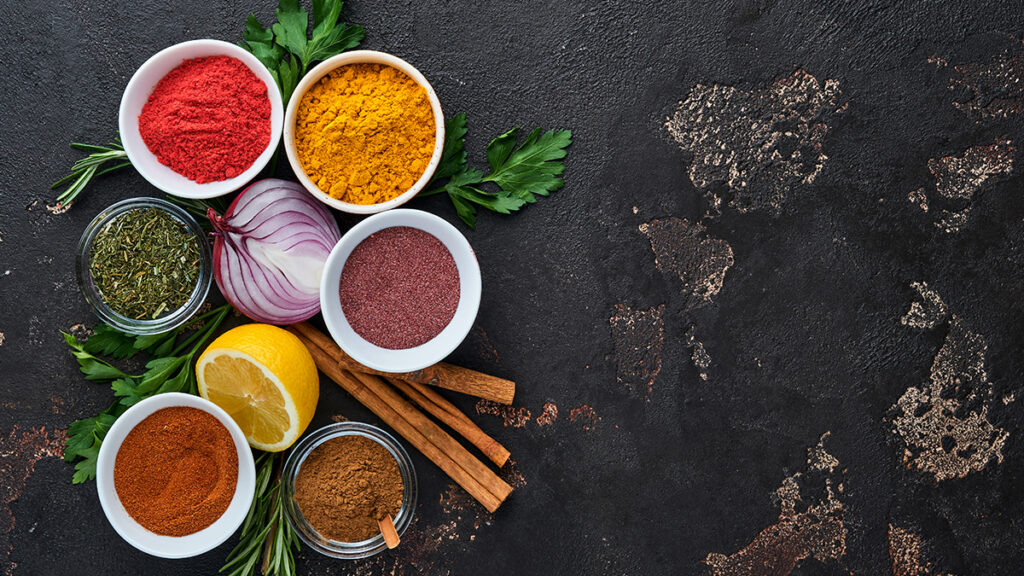
Beyond fruits and vegetables, your spice rack can be a treasure chest of anti-inflammatory allies. Turmeric is perhaps the most famous, with its active compound curcumin known for reducing pain and swelling in arthritis. When paired with black pepper, curcumin’s absorption skyrockets, making the duo especially potent.
Ginger is another powerful root, valued for centuries for its ability to ease digestion and lower inflammation. Its compounds, gingerols and shogaols, help reduce inflammatory markers in the body.
Other herbs and spices like cinnamon, rosemary, oregano, and garlic also contain bioactive compounds that fight inflammation at the cellular level. Adding these flavors to your meals is not only delicious but also therapeutic, turning everyday cooking into a form of natural medicine.
Foods to Limit or Avoid
While some foods soothe inflammation, others fan the flames. Diets high in processed foods, refined carbs, added sugars, and trans fats are strongly linked to chronic inflammation. Sugary drinks, excessive alcohol, and processed meats are common culprits that contribute to oxidative stress and metabolic imbalances.
Excess consumption of vegetable oils like soybean and corn oil, which are high in omega-6 fatty acids, can also tilt the balance toward inflammation—especially if omega-3 intake is too low. Reducing these oils and replacing them with healthier fats such as olive oil or avocado oil can help restore harmony.
Lifestyle Practices That Lower Inflammation
The Importance of Regular Physical Activity
Movement is medicine when it comes to inflammation. Regular exercise helps regulate the immune system, reduces body fat (especially harmful visceral fat), and improves circulation. It even stimulates the release of myokines, anti-inflammatory proteins released by muscles during activity.
Moderate-intensity activities like brisk walking, cycling, swimming, or yoga are particularly effective. Just 20–30 minutes of movement daily can lower inflammation markers over time.
That said, balance is key. Overtraining or exercising without proper recovery can temporarily increase inflammation. Incorporating rest days, stretching, and low-impact activities ensures that exercise remains an anti-inflammatory tool rather than a stressor.
Managing Stress for Better Immune Balance
Chronic stress is one of the most overlooked drivers of inflammation. When the body is in a constant fight-or-flight state, it pumps out stress hormones like cortisol. Over time, this disrupts immune function and encourages inflammatory pathways.
Mind-body practices such as meditation, deep breathing, mindfulness, and progressive muscle relaxation help calm the nervous system and regulate the body’s stress response. Even simple practices like spending time in nature, journaling, or enjoying creative hobbies can help lower stress hormones.
Social connection also matters. Supportive relationships and community engagement are associated with lower stress and reduced inflammation, showing just how interconnected emotional and physical health really are.
Quality Sleep and Its Anti-Inflammatory Role
Sleep is the body’s reset button. During deep sleep, tissues repair, memory consolidates, and immune functions recalibrate. Chronic sleep deprivation, on the other hand, increases pro-inflammatory cytokines and disrupts hormone balance.
Adults should aim for 7–9 hours of quality sleep per night. A regular sleep schedule, a calming bedtime routine, and limiting screen time before bed all help improve sleep quality. Even small changes—like dimming lights in the evening or keeping your room cool—can make a big difference.
Supporting the Body Through Hydration and Detoxification
The Role of Hydration
Water plays an essential role in nearly every bodily process, including inflammation control. Staying hydrated supports lymphatic flow, nutrient transport, and the removal of toxins. Without enough water, cells experience stress that can trigger inflammatory responses.
Herbal teas like green tea, chamomile, and rooibos can add extra benefits. Green tea, in particular, is rich in catechins, powerful antioxidants that directly reduce inflammation and protect against cell damage.
Reducing Environmental Toxins
Environmental toxins—such as air pollutants, pesticides, and synthetic chemicals—can trigger oxidative stress and fuel inflammation. While it’s impossible to eliminate exposure completely, reducing your toxic load makes a difference.
Choosing organic produce when possible, using natural cleaning and personal care products, and improving indoor air quality are all practical steps. Practices that encourage sweating, such as sauna use or regular exercise, can also support detoxification by helping the body release certain toxins through the skin.
The Gut-Inflammation Connection
How Gut Health Influences Inflammation
The gut isn’t just about digestion—it’s a central hub for immune function. A balanced microbiome supports anti-inflammatory activity and maintains the intestinal lining, preventing harmful substances from leaking into the bloodstream.
When the gut is imbalanced, however, it can lead to “leaky gut syndrome,” where the intestinal barrier becomes compromised. This triggers systemic inflammation and contributes to chronic health issues.
Nourishing the Gut for Reduced Inflammation
The best way to support gut health is by eating probiotic- and prebiotic-rich foods. Probiotic foods like yogurt, kefir, sauerkraut, kimchi, and miso introduce beneficial bacteria that strengthen the microbiome. Prebiotic foods—such as garlic, onions, bananas, and asparagus—feed these bacteria, allowing them to thrive.
Avoiding unnecessary antibiotics, managing stress, and limiting processed foods also helps maintain a healthy gut environment. Together, these habits create a strong foundation for reducing systemic inflammation.
The Role of Healthy Weight in Inflammation
Visceral Fat and Inflammatory Markers
Excess body fat, especially visceral fat stored deep in the abdominal cavity, is a major driver of inflammation. Fat cells produce inflammatory cytokines that can disrupt insulin sensitivity and increase the risk of heart disease and metabolic syndrome.
The encouraging news is that losing even 5–10% of body weight can significantly reduce inflammation. Instead of focusing on extreme diets, sustainable habits—like balanced eating, regular activity, quality sleep, and stress management—are the most effective path.
Natural Supplements That May Help
Evidence-Based Options
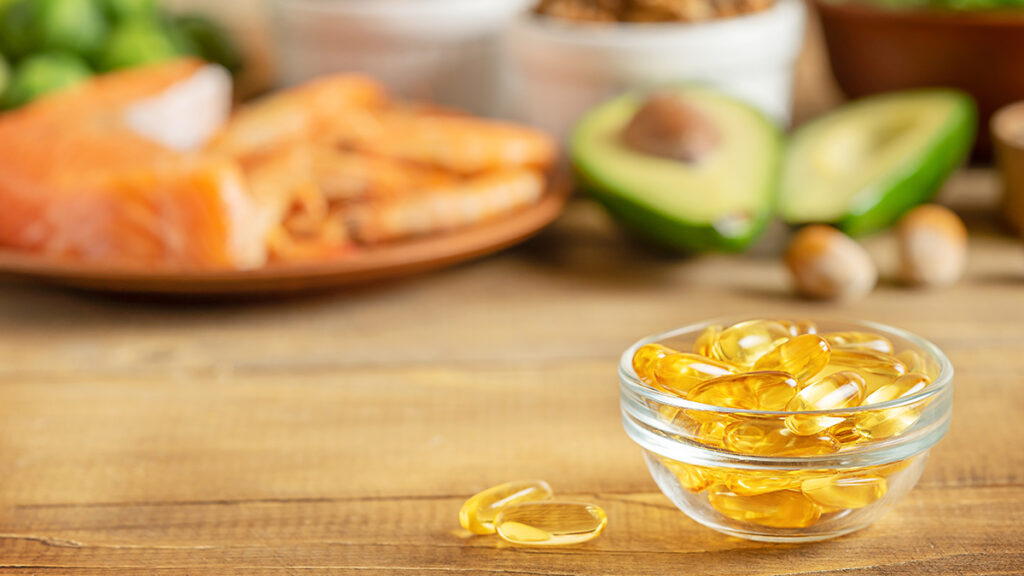
While food and lifestyle form the cornerstone of reducing inflammation, certain natural supplements may provide additional support. Omega-3 fatty acids from fish oil or algae supplements are well-studied for their ability to reduce inflammation, particularly in individuals who don’t eat fatty fish regularly.
Curcumin supplements (often paired with black pepper extract for better absorption) are popular for managing joint pain and systemic inflammation. Similarly, ginger extract, green tea extract, and quercetin have shown promise in reducing inflammatory markers.
It’s always wise to consult a healthcare professional before starting supplements to ensure they’re appropriate for your needs and dosages are safe.
Conclusion: A Holistic Approach to Reducing Inflammation Naturally
Inflammation can be both a healer and a hidden threat. While acute inflammation is vital for protection and repair, chronic inflammation undermines health quietly but powerfully. The path to reducing it doesn’t lie in quick fixes but in consistent, daily choices.
Every colorful meal rich in vegetables and healthy fats, every mindful moment that reduces stress, every night of restorative sleep, and every step you take in movement brings the body closer to balance. Over time, these choices compound into resilience, lowering the risk of chronic disease and improving overall vitality.
In today’s world—where inflammatory triggers surround us—your habits are your strongest defense. By adopting a holistic approach that blends diet, movement, stress reduction, gut health, and mindful living, you not only reduce inflammation but also create a foundation for a life filled with energy, clarity, and well-being.