Foods That Improve Brain Function

Introduction: Nourishing the Mind for Peak Performance
The human brain is nothing short of extraordinary. It orchestrates every thought, emotion, and movement, while silently overseeing thousands of vital functions that sustain life. Despite making up only about 2% of our body weight, the brain consumes roughly 20% of the body’s total energy. This means it’s constantly hungry for fuel, and the quality of that fuel directly impacts how well it performs.
Just as a high-performance engine requires premium fuel to function at its best, the brain thrives when nourished with the right nutrients. While genetics, environment, and lifestyle all play critical roles in cognitive health, nutrition stands out as a daily factor within our control. The foods we eat can sharpen memory, enhance concentration, regulate mood, and protect against long-term decline. On the flip side, diets high in processed foods, sugars, and unhealthy fats accelerate brain aging, increase inflammation, and dull mental clarity.
Today, researchers have uncovered a clear connection between diet and brain function, with certain foods emerging as powerful allies in supporting memory, protecting neurons, and improving mental sharpness. In this article, we’ll explore the science behind brain nutrition, highlight the nutrients that matter most, and dive into everyday foods that help keep your mind resilient and focused at any age.
The Science of Brain Nutrition
How Diet Affects Cognitive Health
The brain relies primarily on glucose for energy. However, it’s not just about supplying calories—it’s about providing high-quality fuel. A nutrient-rich diet supports healthy blood flow, stabilizes neurotransmitter production, and reduces oxidative stress, all of which directly impact brain performance.
Omega-3 fatty acids, antioxidants, vitamins, and minerals act as the brain’s protective shield, ensuring neurons communicate effectively while guarding against cellular damage. For instance, omega-3s in fish reinforce cell membranes and improve signal transmission between neurons, while antioxidants in fruits and vegetables neutralize free radicals that would otherwise accelerate brain aging.
In short, what you eat can either enhance or impair your brain’s ability to process information, regulate emotions, and adapt to challenges.
The Gut-Brain Connection
One of the most fascinating discoveries in recent years is the gut-brain axis—the intricate communication system linking the digestive system with the brain. Our gut microbiome, made up of trillions of bacteria, plays a surprising role in mood regulation, stress response, and even cognitive sharpness.
A healthy gut microbiome thrives on fiber, prebiotics, and fermented foods, producing neurotransmitters like serotonin and dopamine that directly influence how we think and feel. Conversely, poor diets that disrupt gut balance can trigger inflammation and impair mental performance. Supporting gut health is therefore not only good for digestion—it’s essential for cognitive resilience.
Key Nutrients for Cognitive Performance
Omega-3 Fatty Acids
Omega-3 fatty acids—particularly DHA (docosahexaenoic acid)—are structural building blocks of brain cell membranes. They are crucial for learning, memory, and communication between neurons. Deficiencies in omega-3s have been associated with mood disorders, reduced brain volume, and accelerated decline in older age.
Antioxidants
Oxidative stress is a major driver of neurodegenerative diseases like Alzheimer’s and Parkinson’s. Antioxidants protect the brain by neutralizing harmful free radicals. Flavonoids, polyphenols, and vitamins C and E, found in berries, leafy greens, nuts, and spices, are among the most powerful compounds for protecting brain tissue.
B Vitamins
Vitamins B6, B9 (folate), and B12 are vital for neurotransmitter production and for regulating homocysteine levels. Elevated homocysteine is linked to brain shrinkage and higher dementia risk. Adequate B vitamin intake supports memory, focus, and emotional stability.
Choline
Choline is essential for producing acetylcholine, a neurotransmitter critical for memory and muscle control. It also supports brain development during pregnancy and early childhood, making it a key nutrient across the lifespan.
Complex Carbohydrates
The brain functions best on a steady energy supply. Unlike refined sugars that cause spikes and crashes, complex carbohydrates from whole grains, legumes, and vegetables release glucose gradually, providing stable energy that supports focus and prevents brain fog.
Foods That Enhance Brain Function
Fatty Fish
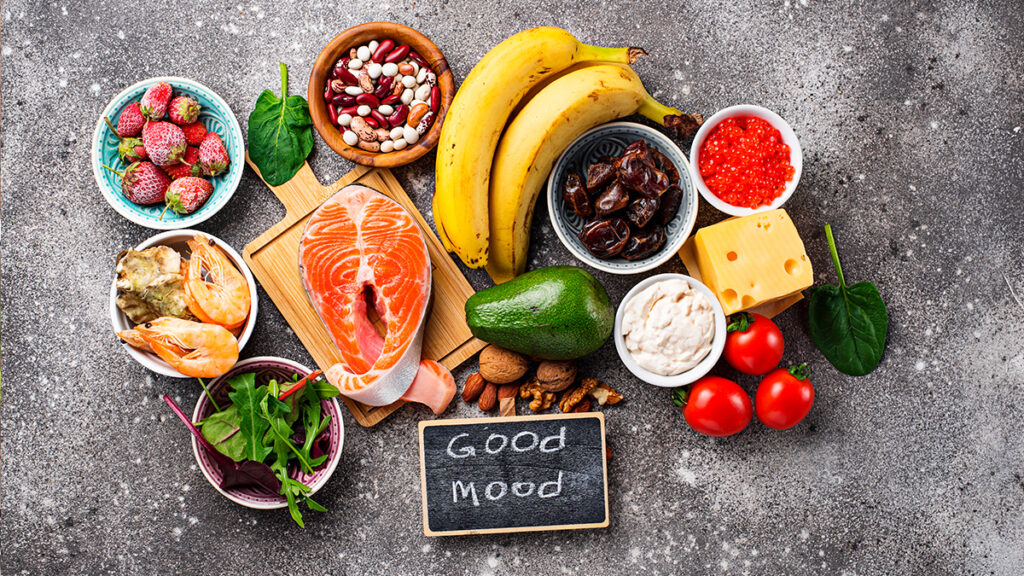
Salmon, trout, sardines, and mackerel are some of the richest sources of DHA, the omega-3 fatty acid that strengthens brain cells and slows cognitive decline. Research consistently links regular fish consumption to improved memory, sharper focus, and reduced risk of neurodegenerative diseases. Two to three servings per week can make a measurable difference.
Berries
Blueberries, strawberries, and blackberries are antioxidant powerhouses. Rich in anthocyanins and flavonoids, they protect neurons, reduce inflammation, and boost communication between brain cells. Studies show berries can delay age-related decline and enhance learning ability, making them one of the most accessible brain foods.
Leafy Greens
Spinach, kale, collard greens, and Swiss chard are packed with vitamin K, folate, and lutein—all linked to better cognitive performance. Long-term consumption of leafy greens has been shown to slow brain aging significantly, with some research suggesting their effect is equivalent to making the brain function as if it were a decade younger.
Nuts and Seeds
Almonds, walnuts, flaxseeds, and chia seeds offer omega-3s, vitamin E, and antioxidants. Walnuts, in particular, have been studied for their positive effects on reasoning and memory. Vitamin E protects against oxidative damage, helping preserve mental clarity as we age.
Eggs
Eggs are a rich source of choline, supporting acetylcholine production for memory and learning. They also contain B vitamins, which help regulate mood and maintain cognitive health. Incorporating eggs into the diet provides a reliable boost to brain function without the need for supplements.
Whole Grains
Brown rice, quinoa, oats, and whole wheat deliver complex carbohydrates that fuel the brain consistently throughout the day. Their B vitamin content further enhances circulation and supports cognitive sharpness.
Dark Chocolate
High-quality dark chocolate (70% cocoa or higher) contains flavonoids, caffeine, and antioxidants. These compounds improve blood flow to the brain, enhance memory, and increase focus. In moderation, dark chocolate is a delicious way to stimulate mental performance.
Fermented Foods
Yogurt, kefir, kimchi, and sauerkraut support gut health, which indirectly supports the brain. By fostering a balanced microbiome, these foods reduce inflammation and promote the production of neurotransmitters that influence mood and cognition.
Green Tea
Green tea combines caffeine with L-theanine, a compound that promotes calm focus without jitters. Its polyphenols also protect brain cells from oxidative stress, while its unique blend of compounds makes it an ideal beverage for both mental clarity and relaxation.
How Diet Shapes Brain Health Over Time
Short-Term Cognitive Benefits
Some foods provide noticeable benefits almost immediately. A green tea in the morning sharpens attention, while a nutrient-rich breakfast of whole grains and protein stabilizes energy and concentration throughout the day. Even dark chocolate offers a quick lift in focus and mood.
Long-Term Neuroprotection
Beyond quick boosts, long-term dietary patterns have a profound influence on brain health. Diets like the Mediterranean or DASH diet, rich in fruits, vegetables, whole grains, fish, and healthy fats, are associated with significantly lower risks of dementia and age-related decline. These patterns work by consistently reducing inflammation, supporting circulation, and nourishing neurons.
Reducing Inflammation and Oxidative Stress
Chronic inflammation accelerates brain aging. Anti-inflammatory foods—like fatty fish, berries, olive oil, and leafy greens—act as natural defenses, protecting neurons and keeping the brain resilient over decades.
Lifestyle Factors That Complement Brain-Boosting Foods
Regular Physical Activity
Exercise increases blood flow to the brain, stimulates the production of growth factors that encourage new neuron formation, and boosts mood. When paired with brain-healthy nutrition, physical activity becomes a powerful tool for enhancing both mental and physical performance.
Quality Sleep
During sleep, the brain consolidates memories, clears toxins, and resets emotional balance. Diet plays a role here as well—magnesium-rich foods like nuts and leafy greens, or tryptophan-containing foods like turkey and oats, can support better sleep quality.
Mental Stimulation
A well-fed brain also needs to be exercised. Activities like reading, puzzles, language learning, or creative pursuits keep neural pathways active, ensuring that the benefits of good nutrition are fully realized.
Conclusion: Feeding Your Brain for a Brighter Future
The foods we choose every day don’t just shape our waistlines or energy levels—they shape our thoughts, memories, moods, and long-term cognitive health. Nutrient-dense, brain-friendly foods like fatty fish, berries, leafy greens, nuts, eggs, and fermented foods provide the fuel our brains need to stay sharp and resilient.
Pairing these foods with healthy lifestyle choices—regular exercise, quality sleep, and mental stimulation—creates a holistic foundation for lifelong cognitive vitality. Brain nutrition is not about quick fixes or miracle “superfoods.” It’s about consistent, mindful choices that feed the mind as well as the body.
Your brain is the command center of your life. By feeding it wisely, you give yourself the best chance at clarity, creativity, memory, and resilience for years to come. In a world where mental performance is as valuable as physical health, investing in your brain may be the smartest decision you’ll ever make.