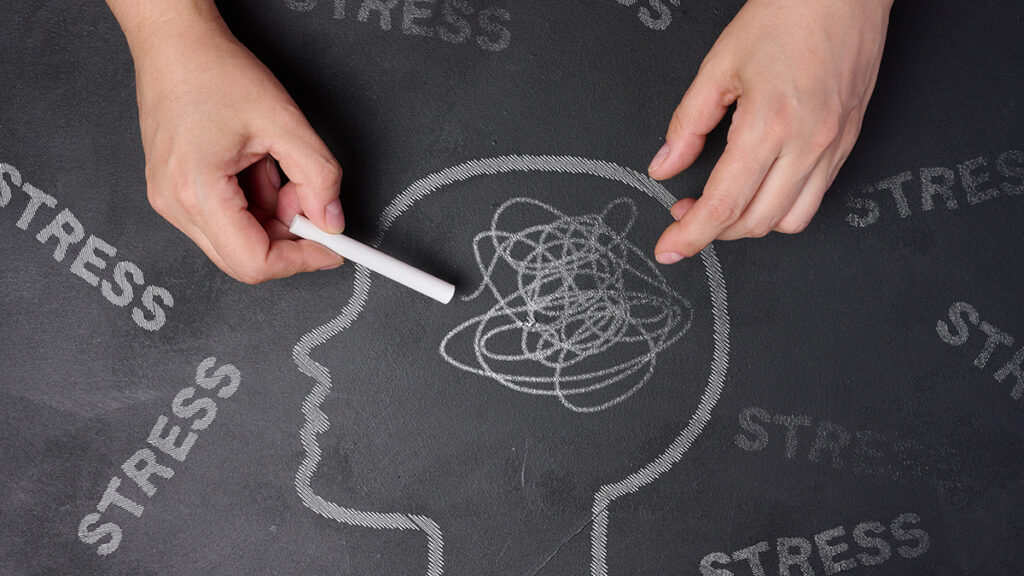
Signs You Need to Take a Mental Health Day

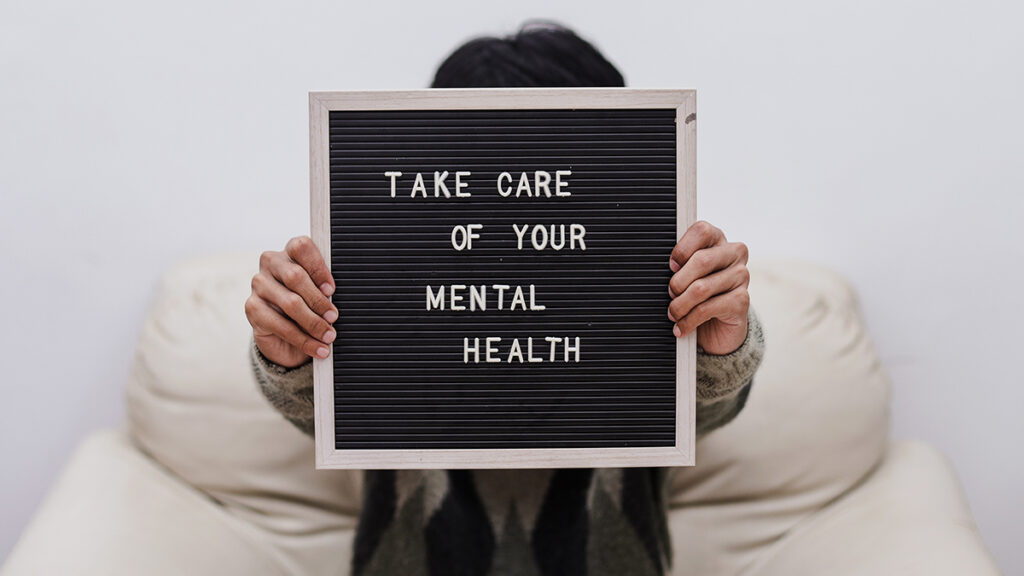
Introduction: Why Mental Health Days Matter in Today’s World
We live in a world that rarely slows down. Notifications buzz at all hours, deadlines pile up, and the cultural obsession with productivity pushes us to constantly do more, achieve more, and prove more. In this relentless pace, many people treat exhaustion as normal and stress as a badge of honor. Yet the truth is, our minds and bodies are not designed to run on empty. Ignoring the signals of mental strain can lead to burnout, emotional instability, and even physical illness.
This is where the concept of a mental health day becomes essential. Unlike a vacation or holiday, a mental health day is a deliberate pause—a chance to step away from responsibilities and devote time to emotional well-being. It is not laziness, avoidance, or indulgence; it is maintenance. Just as we don’t hesitate to rest when we have the flu, our minds also deserve downtime when overwhelmed.
But here’s the challenge: recognizing when you need a mental health day is not always obvious. Many people push through until they collapse. This article explores the signs—emotional, physical, cognitive, and behavioral—that indicate it’s time to take a break. It also looks at how to make the most of your day off so you return recharged, resilient, and more present in your life.
Understanding the Importance of Mental Health Days
What Is a Mental Health Day?
A mental health day is an intentional day of rest devoted to emotional and psychological renewal. Unlike long vacations filled with travel and activity, these days are about slowing down. They might involve meditation, time in nature, journaling, therapy, or simply staying in bed without guilt.
In workplaces, the stigma around mental health days has slowly begun to fade. Employers increasingly understand that allowing people to step back prevents burnout, improves productivity, and reduces turnover. Just as ignoring a fever can lead to a more serious infection, ignoring emotional exhaustion can escalate into chronic stress, anxiety, or depression.
Why Mental Health Days Are Not a Luxury but a Necessity
There is a dangerous misconception that rest is optional. In reality, rest is fuel. Stress, anxiety, and mental exhaustion affect far more than mood—they influence immunity, cardiovascular health, digestion, and cognition. Chronic stress can shorten lifespan, weaken resilience, and erode overall well-being.
Taking a mental health day interrupts that cycle. It gives your nervous system a break, resets your perspective, and allows your body to restore balance. Far from being wasted time, it is an investment in productivity, creativity, and long-term health. The hustle culture mantra of “always on” is unsustainable; mental health days are a corrective—reminders that sustained performance depends on consistent care.
Recognizing the Emotional Signs You Need a Break
Persistent Irritability and Mood Swings
One of the earliest emotional signals of burnout is irritability. Maybe you snap at loved ones over small things or feel anger bubble up over minor inconveniences. This isn’t just a “bad mood”—it’s a sign that your emotional reserves are depleted. Without pause, this irritability can strain relationships and fuel guilt, deepening the stress cycle. A mental health day provides the reset needed to stabilize emotions and reconnect with patience and perspective.
Feeling Overwhelmed by Small Tasks
Have you noticed that tasks you normally breeze through suddenly feel monumental? Replying to emails feels impossible. Grocery shopping feels exhausting. This sense of paralysis is mental overload at work. Your brain waves the white flag when responsibilities accumulate faster than your ability to process them. Taking a mental health day helps quiet the noise, restore clarity, and lighten the weight of your to-do list.
Loss of Motivation or Interest
Burnout often disguises itself as apathy. You no longer look forward to hobbies you once loved or feel enthusiasm for projects that once excited you. This can be a warning sign of deeper mental health issues such as depression. But sometimes, it’s simply the mind’s way of saying, “I need rest.” A mental health day can reignite sparks of joy by creating space for reflection and renewal.
Physical Signals That Your Mind Needs Rest
Unexplained Fatigue and Low Energy
Exhaustion that lingers even after sleep is a red flag. This is not just physical tiredness but mental fatigue—the body’s way of telling you that constant stress has drained your reserves. If coffee stops working and every task feels uphill, it’s time to give yourself the permission to rest fully. A mental health day dedicated to restorative activities can restore the energy sleep alone cannot.
Frequent Headaches or Muscle Tension
The body carries stress as much as the mind does. Chronic stress can lead to tight shoulders, jaw clenching, back pain, and headaches that no amount of medication seems to resolve. These are signals of a nervous system locked in fight-or-flight mode. On a mental health day, gentle movement like yoga, stretching, or mindful walking can release tension and bring physical relief.
Trouble Sleeping
Ironically, exhaustion often coexists with sleeplessness. An overactive, stressed mind may struggle to power down at night, leading to restless tossing and turning. Poor sleep then worsens irritability, fatigue, and concentration issues. A mental health day offers a chance to reset your sleep rhythm—by unplugging from screens, slowing down, and practicing calming routines that prepare your body for rest.
Cognitive and Behavioral Indicators
Difficulty Concentrating
If you reread the same sentence multiple times or forget details you normally wouldn’t, stress may be hijacking your brain. Multitasking and constant pressure clog mental bandwidth, leaving you foggy and inefficient. A mental health day can restore clarity by giving your brain time to process, integrate, and reset.
Procrastination and Avoidance
When the brain feels overwhelmed, avoidance becomes a coping mechanism. You may delay projects, avoid conversations, or distract yourself endlessly online. While procrastination often leads to guilt, it is sometimes a cry for rest. Stepping away for a day allows you to return with fresh focus and a renewed sense of control.
The Cumulative Effect of Ignoring the Signs
Ignoring these signals is not harmless. Over time, unchecked stress can spiral into anxiety disorders, depression, chronic fatigue, and physical illness. Your resilience diminishes, your creativity fades, and recovery takes longer. By acknowledging the need for a break early, you safeguard your long-term health and prevent small issues from snowballing into crises.
Think of a mental health day as preventive maintenance—like changing the oil in your car. Without it, the system eventually breaks down.
How to Make the Most of Your Mental Health Day
Setting Boundaries for Your Time Off
The effectiveness of a mental health day hinges on boundaries. It is not truly restorative if you’re still checking emails or answering calls. Let coworkers or family know you’re unavailable and resist the urge to “just check in.” This is your time to disconnect fully and tend to yourself.
Choosing Restorative Activities
What heals you may look different from what heals someone else. For some, it’s meditation or journaling. For others, it’s gardening, painting, hiking, or simply watching a favorite show guilt-free. The key is to choose activities that soothe rather than drain you—ones that quiet the nervous system and restore joy.
Practicing Mindfulness and Self-Compassion
A common barrier to taking a mental health day is guilt—the nagging thought that you’re wasting time or falling behind. This is where self-compassion comes in. Remind yourself that rest is not weakness but wisdom. Use mindfulness to check in with how your body feels and what your emotions are signaling. When you honor those signals without judgment, you strengthen your capacity to care for yourself long-term.
Returning to Daily Life After a Mental Health Day
Reflecting on the Experience
Before diving back into routines, pause to reflect. How do you feel after resting? Which activities brought the most peace? Reflection not only reinforces the benefits of your break but also helps you identify small, daily practices you can carry into your routine—so stress doesn’t accumulate as quickly again.
Making Mental Health a Long-Term Priority
One mental health day is powerful, but real resilience comes from consistent habits. Incorporate mini mental health practices into daily life: five minutes of deep breathing, a short walk after lunch, journaling before bed, or simply unplugging from screens in the evening. These small rituals reduce the need for crisis-level breaks and create a lifestyle of balance.
Conclusion: Listening to the Signals Your Mind Sends
Mental health days are not indulgences; they are lifelines. They prevent burnout, restore clarity, and protect both emotional and physical health. The signs are always there—irritability, fatigue, brain fog, loss of motivation—it’s simply a matter of whether we choose to listen.
In a culture that glorifies busyness, pausing can feel radical. Yet it is one of the most powerful acts of self-preservation. By honoring your need for rest, you invest in creativity, resilience, and well-being not just for today but for the future.
So the next time your mind whispers—or screams—that it needs a break, don’t ignore it. Take the day. Breathe. Rest. Recharge. Because in caring for your mental health, you are not falling behind—you are preparing yourself to thrive.