Helping Kids Manage Anger


Introduction
Anger is one of the most powerful emotions humans experience, and children are no exception. From toddler tantrums in the grocery store to teenage frustrations over independence, anger shows up in nearly every stage of childhood. For parents, however, a child’s anger can feel unsettling, disruptive, or even overwhelming. It may trigger our own frustration, leading to conflict and exhaustion at home.
But it’s important to remember that anger itself is not “bad.” In fact, it is a valuable emotion that signals when something feels unfair, hurtful, or out of a child’s control. The real challenge lies in how children express and manage their anger. Without guidance, anger can erupt in harmful ways—through aggression, withdrawal, or defiance. With support, however, children can learn that anger is manageable, temporary, and even useful for problem-solving.
Helping kids manage anger is not about trying to eliminate it. Instead, it is about equipping children with the tools to recognize what they are feeling, express it safely, and cope with it constructively. Parents play a vital role in this process by modeling calm behavior, creating safe spaces for emotional expression, and guiding kids toward strategies that strengthen emotional regulation.
This article explores why children get angry, why anger management matters, and practical ways parents can support their kids. We’ll also look at how approaches differ across developmental stages and the long-term benefits of raising children who know how to handle anger in healthy ways.
Understanding Anger in Children
Why Children Feel Angry
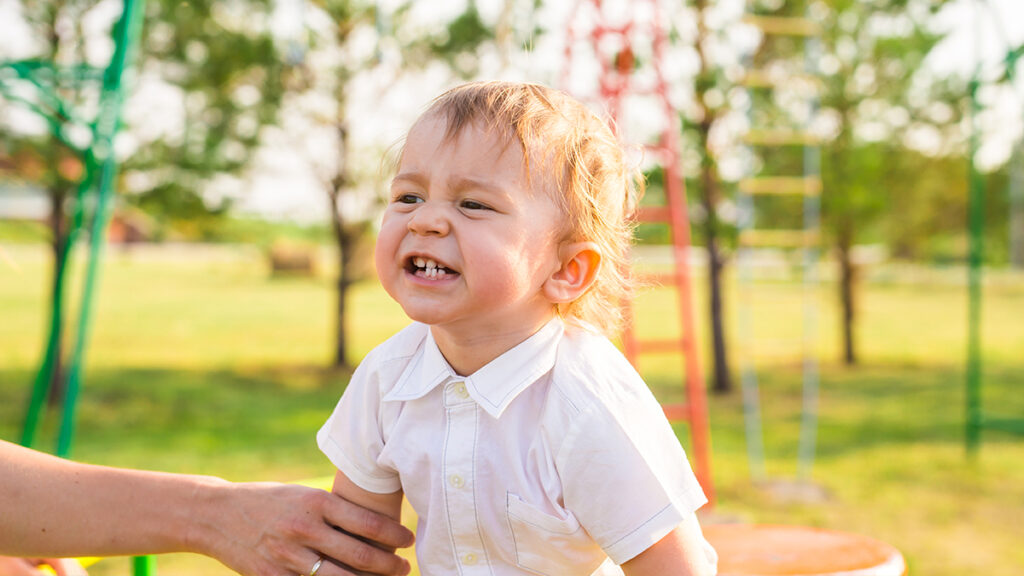
Children experience anger for many reasons, often tied to their developmental stage. Toddlers may become angry when they are tired, hungry, or unable to communicate their needs effectively. A missing toy, a denied request, or the frustration of hearing “no” can quickly spiral into a meltdown.
School-aged children encounter new challenges that trigger anger. Academic struggles, misunderstandings with peers, or rules that feel unfair can spark frustration. Their growing sense of independence often clashes with the expectations placed on them, leaving them torn between wanting control and needing guidance.
Teenagers experience anger in more complex ways. They are navigating identity, independence, peer pressure, and increasing responsibilities. Conflicts with parents, social struggles, or academic stress can ignite strong emotions. Their desire to be understood and respected often makes them bristle at authority, sometimes leading to defiance or withdrawal.
In all these cases, anger is usually a response to unmet needs, perceived injustice, or a lack of control. Recognizing these underlying causes helps parents approach outbursts with empathy rather than frustration.
Developmental Differences in Anger
The way children express anger evolves with age.
- Toddlers and preschoolers often show anger through tantrums—crying, screaming, kicking, or throwing objects—because they lack the language and impulse control to express themselves otherwise.
- School-aged children may argue, shout, or sulk when they feel wronged. They are more capable of expressing their emotions in words but still struggle to regulate their intensity.
- Adolescents often show anger through sarcasm, defiance, or withdrawal. In some cases, anger may manifest as risky behavior, as teens test boundaries and search for autonomy.
Understanding these developmental differences allows parents to tailor their responses appropriately, offering strategies that match a child’s age and emotional maturity.
When Anger Becomes a Concern
It’s normal for children to feel and express anger, but there are times when it becomes a red flag. If anger is frequent, extreme, or consistently disruptive, it may signal deeper issues such as anxiety, ADHD, trauma, or underlying emotional struggles. Signs that may warrant extra attention include frequent physical aggression, difficulty maintaining friendships, or anger that interferes with school and family life.
In these cases, early intervention is key. Parents can support their children by paying attention to patterns, staying connected, and, when necessary, seeking professional help to provide additional tools and guidance.
The Importance of Teaching Anger Management
Building Emotional Intelligence
When children learn how to manage anger, they are actually building emotional intelligence—the ability to recognize, understand, and regulate emotions. By identifying their feelings and learning healthy outlets, children not only gain self-awareness but also develop empathy. They begin to recognize how their behavior affects others, strengthening relationships at home, in school, and later in life.
Promoting Self-Regulation
Anger management helps children develop self-regulation—the ability to pause, think, and choose a response instead of reacting impulsively. This skill is invaluable as children face challenges in school, friendships, and eventually the workplace. Learning to regulate anger gives children a sense of control, which boosts resilience and problem-solving skills.
Reducing Negative Outcomes
Without guidance, unmanaged anger can lead to serious consequences: frequent conflicts, damaged relationships, academic setbacks, or even physical aggression. Teaching children healthy ways to manage anger reduces these risks and instead channels their emotions toward constructive solutions. Anger becomes less of a destructive force and more of an opportunity for growth and learning.
Strategies for Helping Kids Manage Anger
Modeling Calm Responses
Children learn more from what parents do than what they say. When parents respond to stress with yelling or harsh words, children may adopt the same behavior. By modeling calmness—taking deep breaths, speaking respectfully, or stepping away to cool down—parents demonstrate that anger can be expressed without losing control.
Encouraging Emotional Expression
Suppressing anger is neither realistic nor healthy. Instead, children need safe outlets to express how they feel. This may involve talking, drawing, journaling, or even engaging in physical activity. Validating children’s emotions—saying, “I can see you’re really upset”—teaches them that feelings are acceptable, even if certain behaviors are not.
Teaching Coping Techniques
Practical tools make a big difference. Techniques such as deep breathing, counting slowly to ten, or walking away to take a break can help children regain control in heated moments. The key is to practice these techniques when children are calm, so they are ready to use them when anger strikes.
Creating Predictable Routines
Consistency provides children with a sense of security. Predictable routines around meals, homework, and bedtime reduce uncertainty and minimize triggers that often lead to outbursts. When children know what to expect, they feel more in control—and less frustrated.
Supporting Anger Management in Different Stages
Toddlers and Preschoolers
For young children, tantrums are a normal part of development. Parents can support them by labeling emotions in simple language: “You’re mad because you wanted that toy.” Offering choices—such as which snack to eat or which shirt to wear—also helps toddlers feel a sense of control. During tantrums, calm reassurance and safe spaces remind children that emotions can feel big but do not last forever.
School-Aged Children
School-aged kids often face anger tied to academics and peer dynamics. Parents can help by discussing specific situations, brainstorming possible solutions, and role-playing respectful communication. Encouraging physical outlets—sports, outdoor play, or creative arts—also gives children healthy ways to release frustration.
Teenagers
Adolescence brings heightened emotions and a desire for independence. Teens may resist authority or feel misunderstood, leading to anger. Parents should prioritize open dialogue, respect their boundaries, and avoid dismissing concerns. At this stage, mindfulness practices, exercise, and creative outlets such as music or writing can be powerful tools. Balancing freedom with clear, consistent expectations provides teens with both support and responsibility.
The Role of Communication in Managing Anger
Active Listening
Listening is one of the most powerful tools parents can use. When parents give their full attention and reflect back what they hear—“It sounds like you’re upset because you felt left out”—children feel validated. This encourages them to open up, reducing the intensity of their anger.
Encouraging Problem-Solving
Rather than solving every conflict for children, parents can guide them to think through solutions. Asking questions like, “What could you try differently next time?” empowers children to take responsibility and see themselves as capable of resolving challenges.
Establishing Family Rules
Clear family rules about respectful communication, physical boundaries, and conflict resolution create structure. When children know the expectations and consequences, they are more likely to manage anger within healthy boundaries. Rules should be consistent but fair, reinforcing accountability while leaving room for growth.
When Professional Help Is Needed
Identifying Red Flags
Most children gradually learn to manage anger, but some may need extra support. Warning signs include frequent physical aggression, extreme defiance, chronic academic struggles linked to anger, or difficulty maintaining friendships. These behaviors may point to deeper issues requiring attention.
Seeking Guidance
Parents should not hesitate to seek professional help when anger becomes unmanageable. Pediatricians, counselors, or child psychologists can provide assessments and tools tailored to a child’s needs. Therapy can help children understand their emotions, while also giving parents strategies to support healthy behaviors at home. Seeking professional guidance is not a sign of failure but a proactive step toward helping children thrive emotionally.
Long-Term Benefits of Teaching Anger Management
Children who master anger management skills carry these benefits into every area of life. They develop stronger friendships, succeed academically, and build healthier family relationships. As adults, they are better equipped for the workplace, where emotional intelligence is one of the most valuable skills for leadership and collaboration.
Most importantly, managing anger fosters resilience. Children learn that while emotions can be intense, they are temporary and manageable. They gain the confidence to face challenges, the patience to persevere, and the empathy to understand others. In this way, anger becomes less of an obstacle and more of a teacher.
Conclusion
Helping children manage anger is an essential part of raising emotionally healthy individuals. Anger should not be feared or suppressed—it should be understood, validated, and guided. By modeling calm responses, encouraging safe emotional expression, teaching practical coping strategies, and keeping communication open, parents can transform anger into an opportunity for growth.
The process takes patience and consistency, but the rewards are lifelong. Children who learn to regulate anger develop emotional intelligence, empathy, and resilience that serve them in school, relationships, and eventually in adulthood. With the right support, anger shifts from being a disruptive force to becoming a stepping stone toward maturity, self-awareness, and lasting success.