Meditation for Beginners: A Step-by-Step Guide


Introduction: Why Begin Meditation Now?
In a world that moves at breakneck speed—where your phone buzzes before you’ve had your first sip of coffee, deadlines pile up like dominoes, and the noise of daily life never seems to stop—meditation offers a rare and vital pause. It’s not just an ancient practice reserved for monks in distant monasteries; it’s an accessible, evidence-based way to create space for calm, clarity, and focus in your everyday life.
Research in 2025 continues to underscore meditation’s profound impact. Even a short daily session can rewire brain patterns linked to emotional regulation, reduce the grip of stress, and sharpen attention. In one remarkable study from the Icahn School of Medicine at Mount Sinai, just ten minutes of guided loving-kindness meditation altered beta and gamma brain waves in the amygdala and hippocampus—regions crucial for processing emotion and memory. This is proof that you don’t need hours; you just need consistency.
Starting meditation isn’t about sitting perfectly still, creating a shrine, or silencing your thoughts entirely. It’s about giving yourself permission to be present—if only for a few minutes a day. And when practiced regularly, even two minutes daily can begin to shift your mind toward a calmer, more resilient baseline.
Getting Started: Understanding Meditation Basics
What Is Meditation?
At its core, meditation is a form of mental training. It’s about learning to guide your attention—either toward a specific anchor, like the breath, or toward an open, non-judgmental awareness of whatever arises in the present moment. While it has deep roots in spiritual traditions from around the globe, modern meditation is often practiced in a secular context, backed by neuroscience and psychology.
The benefits go far beyond the mental. Studies link regular meditation to reduced anxiety and depression, better pain tolerance, improved emotional stability, and even enhanced problem-solving skills. In essence, it’s a practice for training the mind much like exercise trains the body.
The Science Behind the Practice
Modern brain imaging has allowed researchers to peek inside the meditating brain, revealing just how dynamic the practice can be. Different forms of meditation—like focused attention or loving-kindness—activate different regions of the brain, including the insula, dorsal anterior cingulate, and prefrontal cortex. These areas are responsible for empathy, self-regulation, and executive function.
Even beginners can experience measurable changes. Just a few weeks of consistent practice have been shown to improve attention regulation and cognitive flexibility. Over time, meditation appears to strengthen neural pathways that support emotional resilience—essential in today’s stress-heavy world.
Why Meditation Works: The Benefits That Transform Well-Being
Stress Relief and Emotional Resilience
Mindfulness meditation is a powerful antidote to chronic stress. By engaging brain regions tied to self-awareness and emotion regulation, it helps reduce the body’s stress response and increases your ability to handle difficult emotions without becoming overwhelmed. The goal isn’t to eliminate feelings—it’s to shift your relationship with them. You learn to notice what you’re feeling without being controlled by it.
Sharper Focus, Better Memory, and Improved Attention
It’s easy to underestimate how much mental energy is lost to distraction. Meditation strengthens your “attention muscle,” making it easier to stay engaged in whatever you’re doing. Research shows that as little as two months of daily practice can enhance emotional control, lower reactivity, and improve working memory. People who meditate regularly often report sharper thinking and better problem-solving under pressure.
Physical Calm: Lower Heart Rate and Blood Pressure
Meditation doesn’t just relax the mind—it relaxes the body. Regular practice activates the relaxation response, a state marked by slower heart rate, lower blood pressure, and reduced metabolic activity. Studies on heart rate variability—a key indicator of stress resilience—show that meditation helps the nervous system maintain a healthier balance, which benefits everything from digestion to sleep.
Better Sleep and Mood Regulation
Insomnia and restless nights often stem from a racing mind. Meditation can help slow those mental spirals, creating the conditions for deeper, more restorative rest. When combined with therapies like CBT, mindfulness meditation has been shown to significantly improve sleep quality. Over time, it also enhances mood stability, helping you respond to challenges with greater patience and perspective.
Step-by-Step: How to Begin Your Meditation Practice
Step 1: Start Small and Stay Consistent
The best way to start is to keep it easy. Begin with two minutes a day—yes, even a single minute is a win. As meditation teacher and Zen Habits founder Leo Babauta notes, gradual growth works best. Once the habit feels natural, you can extend to five or ten minutes without forcing it.
Step 2: Choose a Time and Space That Works
Consistency is key. Pick a time you can commit to daily—right after waking up, before bed, or during a lunch break. Pairing meditation with an existing habit (like making tea or brushing your teeth) makes it easier to remember.
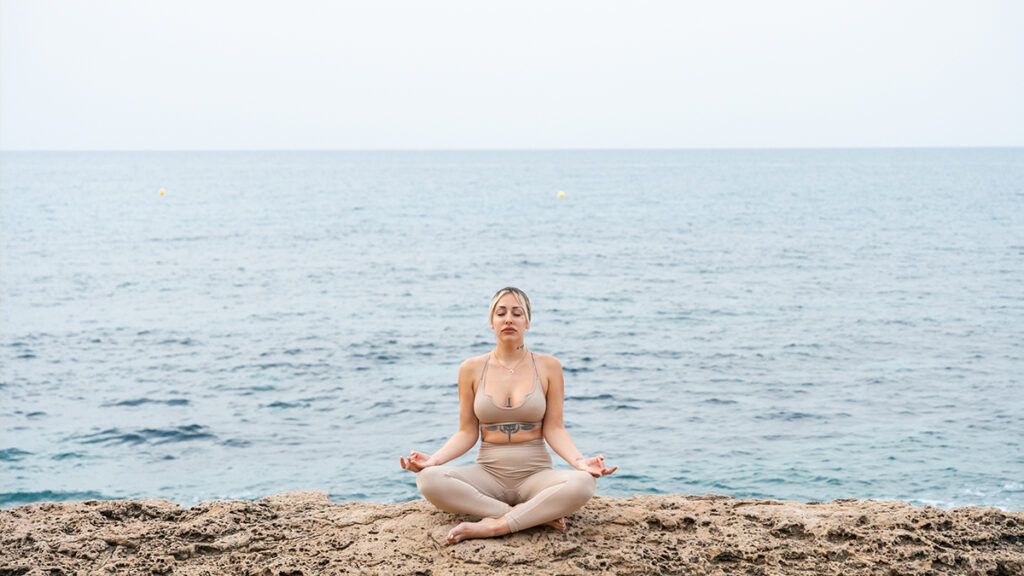
Your space doesn’t have to be silent or special; it just needs to be somewhere you can sit comfortably with minimal distractions. A cushion on the floor, a sturdy chair, or even the edge of your bed can all work.
Step 3: Pick a Technique That Resonates
There’s no single “right” way to meditate. Try a few different methods to see what feels best:
- Breath Awareness – Focus on the inhale and exhale. When your mind wanders, gently return to your breath.
- Loving-Kindness (Metta) – Send warm, positive intentions to yourself and others.
- Body Scan – Move your attention slowly through the body, noticing sensations without judgment.
- Walking Meditation – Use each step as an anchor, paying attention to movement and contact with the ground.
Step 4: Use Guided Support If Needed
Many beginners find it helpful to start with guided meditations. Apps like Headspace, Insight Timer, and Calm offer structured sessions that take the guesswork out of the process. A teacher or online class can also help you build confidence and answer questions that arise.
Step 5: Embrace Distraction as Part of the Process
Thoughts will come—this is normal. The goal isn’t to empty your mind but to notice when you’ve wandered and gently return to your chosen focus. Every time you return, you’re strengthening the mental “muscle” that supports mindfulness.
Deepening Your Practice: From Newbie to Natural
Build Gradually
Once a short session feels comfortable, add time slowly—an extra minute per week can lead to a sustainable 15–20-minute daily practice within a few months. Avoid rushing the process; meditation works best when it’s a steady habit rather than an intense sprint.
Stack Meditation onto Existing Habits
Habit stacking—linking meditation to something you already do daily—can help lock it in. For example, meditate right after you pour your morning coffee, or just before you open your laptop for the day.
Find Support in Community
Meditating with others can increase accountability and deepen your understanding. Whether it’s a local mindfulness group or an online meditation circle, shared practice provides motivation and insight. Programs like MBSR (Mindfulness-Based Stress Reduction) can also offer structured progression.
Troubleshooting Common Beginner Challenges
If You Feel Restless or Sleepy
Opt for shorter, more active practices like walking meditation. You can also try meditating at a different time of day when your energy is naturally higher.
If You Overthink or Judge Yourself
Label wandering thoughts simply as “thinking” and return to your focus. This gentle acknowledgment turns distraction into part of the practice rather than a failure.
If You Struggle with Consistency
Remember that short is better than skipped. Even 30 seconds of mindful breathing counts and keeps the habit alive.
Conclusion: Your Mind, One Breath at a Time
Meditation isn’t about becoming someone else—it’s about returning to yourself. It’s a small daily gift that pays out in calm, clarity, and emotional resilience. You don’t need a perfect setting, years of training, or endless hours; you just need a few quiet moments and the willingness to show up.
Whether you start with a two-minute breath practice or a guided loving-kindness meditation, you’re building the neural and emotional foundation for a calmer, more focused life. Over time, those moments of mindfulness spill into the rest of your day—transforming not just how you think, but how you live.