How to practice meditation for beginners

Introduction
In a world overflowing with constant distractions, packed schedules, and endless responsibilities, finding inner peace can feel like an unattainable dream. Many people move through their days weighed down by stress, anxiety, and the relentless pace of modern living. This is where meditation, a practice with ancient roots, offers a powerful remedy. Meditation provides a pathway to calming the mind, centering emotions, and cultivating presence in the here and now. Far from being reserved for monks or spiritual seekers, meditation has become widely embraced, with millions weaving it into their daily lives to enhance focus, resilience, and overall well-being.
For beginners, however, meditation can feel intimidating. The images of people sitting cross-legged for hours in silence or retreating into isolated monasteries can make the practice seem unattainable. In truth, meditation is far simpler than it appears. It does not require perfection, rigid rituals, or even long stretches of time. What it does require is consistency, patience, and a willingness to observe. By learning how to approach meditation step by step, anyone can begin to experience its profound benefits.
This article explores meditation for beginners in depth—what it really is, why it matters, and how to establish a practice that feels both natural and sustainable. It also examines the science behind meditation, beginner-friendly techniques, and the common challenges new practitioners face, all while offering practical and encouraging guidance.
Understanding Meditation
What Meditation Really Is
Meditation is often misunderstood as a practice aimed at completely emptying the mind. Beginners frequently become discouraged when thoughts keep surfacing, assuming they are doing it wrong. The reality is that meditation is not about suppressing thoughts but about becoming aware of them without judgment. It is the practice of observing the mind—its emotions, patterns, and distractions—while gently bringing attention back to the present moment.
At its essence, meditation is mental training. Just as regular exercise strengthens the body, meditation strengthens the mind. By practicing mindfulness, concentration, or breath awareness, individuals cultivate clarity, patience, and emotional stability.
The Historical and Cultural Roots
Meditation has been practiced for thousands of years in cultures and religions worldwide. It appears in Buddhism, Hinduism, Taoism, and Christianity, often as a spiritual tool for deepening self-awareness and connection with the divine. In recent decades, meditation has also been adopted in secular settings, particularly in psychology and medicine, where it is recognized for reducing stress and supporting mental health.
This blend of ancient wisdom and modern science makes meditation both spiritual and practical. It is a universal practice that transcends belief systems and offers tangible benefits in everyday life.
The Science-Backed Benefits of Meditation
Mental Health and Emotional Well-Being
A growing body of scientific research confirms meditation’s profound impact on mental health. Regular practice reduces cortisol, the hormone associated with stress, and supports emotional regulation. This makes it easier to respond thoughtfully to challenges instead of reacting impulsively.
For those struggling with anxiety, depression, or chronic stress, meditation provides an accessible, non-invasive practice that promotes healing. By fostering mindfulness—the ability to remain present—meditation interrupts cycles of worry and rumination. Even beginners often notice improvements such as calmer moods, better sleep, or clearer thinking within just a few weeks.
Cognitive Benefits
Meditation enhances brain function in powerful ways. It improves focus, strengthens memory, and boosts creativity by reinforcing neural pathways linked to attention and self-control. Brain imaging studies reveal that consistent meditation can increase gray matter density in areas responsible for learning and decision-making.
For students, professionals, and creatives, meditation serves as a tool to sharpen concentration, reduce mental fatigue, and enhance productivity in an increasingly distracting world.
Physical Health Benefits
The benefits of meditation extend beyond the mind to the body. By reducing stress, it lowers blood pressure, improves heart health, and strengthens the immune system. Some studies even suggest that meditation slows biological aging by reducing stress-related cellular damage.
Beginners often start meditation for peace of mind, only to discover that their physical health improves as well. From better sleep to fewer tension headaches, the ripple effects are wide-reaching.
Preparing to Meditate
Creating a Space for Practice
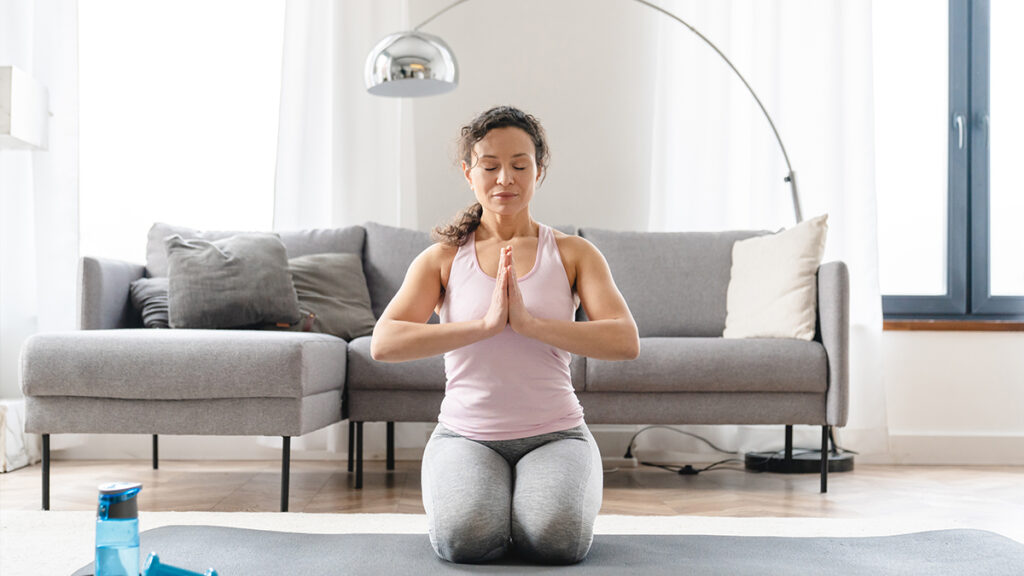
Beginners often wonder where to meditate. The truth is, meditation can happen anywhere, but having a quiet and comfortable space helps build consistency. This doesn’t require a dedicated room—just a corner with a cushion, chair, or mat where distractions are minimized.
Some choose to enhance the space with calming elements like soft lighting, incense, or soothing music, though these are optional. What matters most is creating an environment that feels inviting and signals to the mind that it is time to pause.
Setting Realistic Expectations
For newcomers, it’s important to approach meditation without pressure. The goal is not immediate enlightenment or complete peace but simply awareness. Early sessions may feel difficult, with thoughts frequently interrupting focus. This is natural. Meditation is not about flawless stillness—it is about consistently showing up.
Starting with just five minutes a day is enough. Over time, as the practice feels more natural, it can be extended to ten, twenty, or even thirty minutes. What matters most is consistency, not length.
Techniques of Meditation for Beginners
Breath Awareness Meditation
Breath awareness is one of the simplest ways for beginners to start meditating. The practice involves focusing attention on the natural rhythm of inhaling and exhaling. When thoughts arise, as they inevitably will, the goal is to notice them without judgment and return focus to the breath.
This practice anchors the mind in the present, reduces stress, and cultivates calm. Even a few minutes of breath awareness daily can create noticeable improvements in mood and clarity.
Body Scan Meditation
Another beginner-friendly technique is the body scan. This involves moving attention slowly through different parts of the body, from the feet upward, noticing sensations like warmth, tension, or relaxation. The purpose is not to change these sensations but to observe them with awareness.
This practice enhances the mind-body connection, reduces stress, and promotes relaxation. It is especially helpful for those experiencing insomnia, stress, or chronic pain.
Guided Meditation
For those who find silent meditation difficult, guided practices are highly effective. With the help of recordings, apps, or teachers, guided meditations provide structured direction through visualization, affirmations, or relaxation techniques.
Beginners benefit from this guidance because it helps maintain focus. Over time, as confidence grows, many transition to unguided practices.
Overcoming Challenges in Meditation
Dealing with Restlessness
Many beginners experience restlessness, feeling uncomfortable sitting still or resisting the slowing of the mind. This is not failure—it is part of the process. Noticing restlessness is itself an act of mindfulness. With patience and practice, the body and mind gradually adjust to stillness.
Managing Expectations
Another common challenge is expecting instant results. While some benefits can appear quickly, deeper effects require time. Just as physical fitness develops gradually with regular exercise, mental clarity unfolds through consistent meditation. The focus should be on the process, not the outcome.
Handling Distractions
Distractions, whether from internal thoughts or external noise, are inevitable. Meditation is not about eliminating them but learning to accept them. Each time the mind wanders and attention is gently redirected, focus is strengthened. Over time, distractions lose their grip.
Building a Sustainable Meditation Practice
Creating a Routine
Consistency is the cornerstone of meditation. Choosing a set time each day—morning or evening—helps establish meditation as a habit. Many find mornings particularly effective because the mind is clear and the day has not yet filled with tasks.
Linking meditation to existing routines, such as after brushing teeth or before sleep, further strengthens the habit. By embedding meditation into daily life, it becomes a natural part of the rhythm rather than an occasional activity.
Combining Meditation with Mindfulness
Meditation is not limited to sitting quietly. Its principles can extend into everyday activities through mindfulness. Eating, walking, or even listening with full attention transforms ordinary moments into opportunities for presence. This integration ensures that meditation is not confined to practice sessions but becomes a way of living.
Embracing Growth Over Perfection
Meditation is a journey rather than a destination. Beginners should embrace the process of growth instead of striving for perfection. Some sessions may feel calm and focused, while others may feel scattered. Both are valuable because they reflect the ongoing practice of observing the mind with patience and kindness.
Conclusion
Meditation for beginners is not about mastering advanced techniques or achieving immediate serenity. It is about taking small, consistent steps toward greater awareness, balance, and well-being. Whether through focusing on the breath, practicing body scans, or exploring guided meditations, anyone can begin to experience the transformative power of stillness.
The benefits—reduced stress, enhanced focus, improved emotional health, and greater resilience—are available to anyone willing to practice with patience. Challenges like restlessness or distractions are not obstacles but integral parts of the journey, teaching the very qualities meditation seeks to cultivate.
For newcomers, the most important lesson is to approach meditation with openness and compassion. There is no right or wrong way to begin—only the willingness to pause, breathe, and be present. Over time, these moments of awareness ripple outward, transforming not only personal well-being but also the way individuals engage with the world around them.