How to Encourage Problem-Solving Skills


Introduction
Problem-solving is one of the most valuable life skills a child can acquire. It enables them to face challenges, make thoughtful decisions, and adapt to new situations with confidence. From building a tower of blocks to resolving conflicts with friends, children who develop problem-solving abilities are better prepared to handle both academic and personal hurdles. In our fast-changing world, the ability to think critically, evaluate options, and create solutions is more important than ever.
Encouraging problem-solving does not mean giving children all the answers. Instead, it involves guiding them through the process of identifying challenges, brainstorming possible solutions, testing ideas, and reflecting on outcomes. Parents and educators play a vital role by creating environments where children feel safe to take risks, make mistakes, and learn through experimentation. By nurturing these skills early, we prepare children not only for school success but also for the complex decisions they will face in every stage of life.
This article explores why problem-solving matters, how it develops in different stages, and the strategies parents and educators can use to encourage it effectively in children of all ages.
The Importance of Problem-Solving Skills
Building Independence and Confidence
Children who learn to solve problems develop a greater sense of independence. Instead of relying on adults to fix every difficulty, they begin to think through challenges on their own. Each successful attempt builds confidence and strengthens their belief in their ability to face new situations.
Supporting Academic Growth
Problem-solving is deeply tied to academic learning. Whether in math, science, or literature, children are often asked to analyze situations and find solutions. Strong problem-solving skills enhance critical thinking, improve comprehension, and support higher-level reasoning—all of which are vital for long-term academic success.
Preparing for Real-Life Challenges
Life presents challenges every day, from navigating friendships to handling responsibilities. Children who grow up with problem-solving skills learn to adapt and make thoughtful choices. Approaching difficulties with a solution-oriented mindset prepares them for adulthood, careers, and healthy relationships.
Understanding How Problem-Solving Develops
Early Childhood Exploration
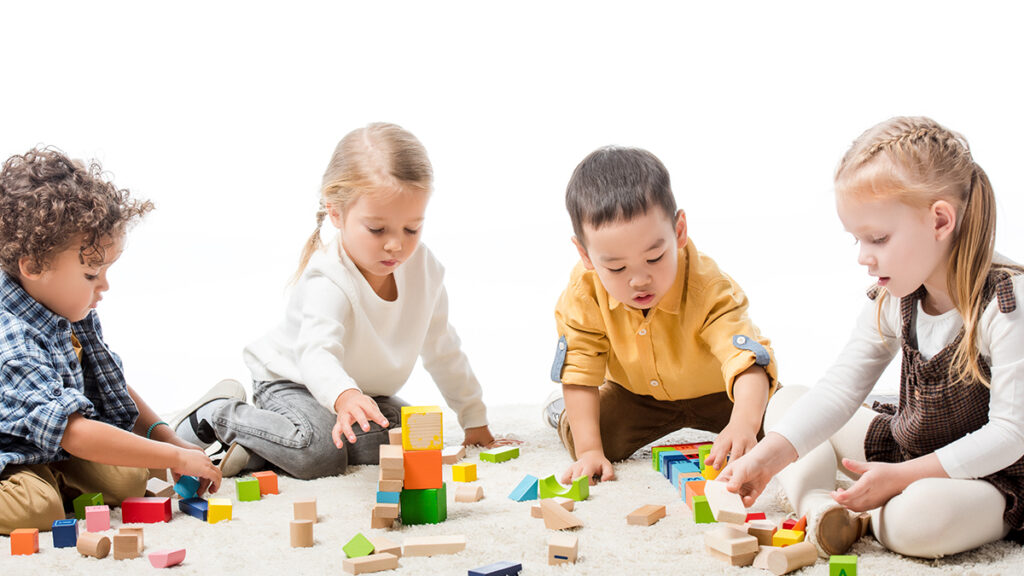
In early childhood, problem-solving usually takes the form of play. When toddlers stack blocks or work out how to complete a simple puzzle, they practice persistence and logical thinking. At this stage, problem-solving is fueled by curiosity and trial-and-error experimentation.
School-Aged Critical Thinking
As children grow, their ability to solve problems becomes more sophisticated. School-aged children begin to reason, view situations from multiple perspectives, and apply what they already know to new challenges. Group projects, classroom debates, and social interactions all help refine these skills.
Adolescents and Complex Challenges
Teenagers face increasingly complex problems, ranging from academic pressure to peer relationships and planning for their future. Their ability to think abstractly allows them to consider long-term consequences and ethical dilemmas. Parents and educators can best support adolescents by offering guidance while also encouraging independence.
Encouraging Problem-Solving at Home
Creating a Supportive Environment
A problem-solving home is one where children feel safe to make mistakes and take risks. Parents who encourage curiosity, ask open-ended questions, and provide space for exploration help children develop both resilience and creativity.
Modeling Problem-Solving
Children learn by watching. Parents who calmly work through challenges—whether fixing something around the house or handling disagreements—demonstrate problem-solving strategies their children can imitate. Narrating the process aloud, such as saying “Let’s try this approach and see what happens,” makes the steps more visible and relatable.
Encouraging Reflection
Reflection after a challenge strengthens learning. Parents can ask questions like, “What worked well?” or “What would you try differently next time?” This helps children evaluate outcomes and build more effective strategies for the future.
Encouraging Problem-Solving in Education
Promoting Inquiry-Based Learning
Schools that adopt inquiry-based learning encourage students to ask questions, investigate possibilities, and search for solutions. Instead of focusing solely on memorization, this method nurtures creativity and critical thinking, making problem-solving an everyday practice in education.
Encouraging Collaboration
Collaborative learning teaches children to solve problems together. Group projects foster compromise, communication, and negotiation—essential aspects of problem-solving. Students learn that diverse perspectives often lead to more creative and effective solutions.
Applying Real-World Contexts
When children see how problem-solving applies to everyday life, they become more engaged in learning. Teachers who connect lessons to real-world scenarios—budgeting, environmental challenges, or community projects—help students understand why these skills matter beyond the classroom.
The Role of Creativity in Problem-Solving
Thinking Outside the Box
Creativity is a cornerstone of effective problem-solving. Encouraging children to think beyond obvious answers allows them to explore unique and innovative solutions. Activities like art, storytelling, and imaginative play stimulate creative thinking and broaden their problem-solving approach.
Embracing Trial and Error
Creative problem-solving often means trying new approaches that may fail before success is found. Allowing children to experiment without fear of failure builds resilience and persistence. Every attempt, even unsuccessful ones, becomes an opportunity to learn and adapt.
Encouraging Curiosity
Curiosity drives children to ask questions and seek answers. Parents and educators can foster curiosity by supporting exploration, welcoming questions, and helping children discover answers on their own, strengthening both independence and problem-solving abilities.
Teaching Emotional Regulation in Problem-Solving
Managing Frustration
Problem-solving is not always smooth. Children may feel frustrated when solutions are not immediately clear. Teaching calming strategies such as deep breathing, taking breaks, or talking through frustrations helps them stay engaged and persist instead of giving up.
Building Empathy
Many problems involve relationships. Teaching children to consider how others feel fosters empathy and helps them find cooperative solutions. For example, when resolving a conflict with a sibling or peer, empathy encourages children to consider perspectives beyond their own.
Encouraging Patience and Persistence
Problem-solving takes time and effort. Children who develop patience and persistence are better equipped to face challenges without discouragement. Parents and educators can nurture these traits by celebrating effort as much as outcomes, reinforcing the value of persistence.
The Long-Term Benefits of Strong Problem-Solving Skills
Children who develop strong problem-solving abilities grow into adaptable, resilient, and confident individuals. These skills directly support academic success, social development, and personal growth. Later in life, problem-solving becomes a vital component of career readiness, leadership, and thoughtful decision-making.
Beyond the practical advantages, problem-solving nurtures a lifelong mindset of curiosity and adaptability. Children who learn to see challenges as opportunities rather than obstacles are more likely to embrace change, innovate, and thrive in dynamic environments.
Conclusion
Teaching problem-solving skills to children is one of the greatest gifts parents and educators can offer. By creating supportive environments, modeling strategies, and promoting creativity and reflection, adults help children develop the confidence and resilience to tackle life’s challenges.
Problem-solving is not about always having the right answers. It is about cultivating the ability to think critically, consider possibilities, and adapt with flexibility. With guidance and consistent practice, children come to see every challenge as an opportunity to grow. In nurturing these skills, we prepare the next generation not only for academic success but also for thriving in an ever-changing world.