Helping Kids Develop a Problem-Solving Mindset


Introduction
Every parent hopes to see their child grow into a confident, capable individual who can face life’s challenges with resilience and determination. In today’s fast-changing world, children need more than academic knowledge; they need practical life skills that empower them to think creatively, analyze situations, and make effective decisions. Among these essential skills, problem-solving stands out as one of the most valuable.
Problem-solving is more than just a cognitive ability—it is a mindset. It is an approach to challenges that blends curiosity, persistence, adaptability, and confidence. Children with a problem-solving mindset see difficulties not as dead ends but as opportunities to explore, learn, and grow.
Helping kids develop this mindset does not mean expecting them to handle every difficulty on their own from a young age. Instead, it involves guiding them to explore challenges, understand consequences, and discover solutions at a pace appropriate for their development. With the right support from parents and educators, children learn to navigate schoolwork, social dynamics, and later, the professional and personal challenges of adulthood.
This article explores why problem-solving is crucial, how these skills naturally develop in childhood, and the many ways families and teachers can nurture a problem-solving mindset in children.
Why a Problem-Solving Mindset Matters
Preparing for Real-World Challenges
Every day, children encounter problems—whether it’s figuring out how to complete a tricky puzzle, managing a disagreement with a sibling, or overcoming challenges in school. Developing problem-solving skills equips them to pause, think critically, and consider multiple approaches. Instead of becoming overwhelmed or giving up, children with these skills learn to see obstacles as opportunities to grow.
This perspective is invaluable as they transition into adulthood. Problem-solving is one of the most highly valued abilities in workplaces across the globe. Employees who can adapt, think outside the box, and collaborate effectively often rise above the rest. Cultivating this mindset early in life not only improves academic performance but also lays the groundwork for future careers, relationships, and responsibilities.
Building Confidence and Resilience
Problem-solving is closely tied to confidence. When children work through challenges and discover solutions, they gain a sense of accomplishment that reinforces their belief in their own abilities. This confidence encourages them to take healthy risks, try new activities, and embrace challenges rather than shy away from them.
Equally important is resilience. Life is full of setbacks, and children who approach problems with flexibility learn that mistakes are not failures but opportunities to try again. Each time they face a difficulty and persevere, they build the emotional strength to handle life’s ups and downs. Over time, this resilience becomes one of their most powerful tools for success and well-being.
How Problem-Solving Skills Develop in Childhood
Early Stages of Exploration
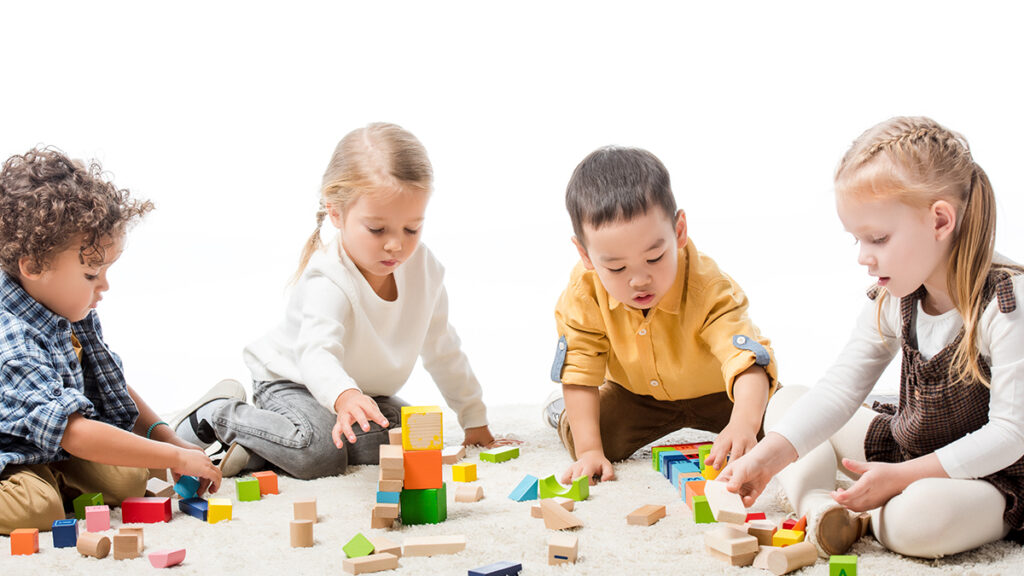
Problem-solving begins surprisingly early, often through play. A toddler stacking blocks, fitting shapes into slots, or trying to open a toy is practicing basic problem-solving. These activities teach cause and effect, persistence, and creative experimentation. By allowing children to try, fail, and try again, parents provide the foundation for advanced problem-solving skills later in life.
Encouraging curiosity at this stage is key. Children who are given time and freedom to explore their environment naturally develop the patience and creativity required for problem-solving.
Growing Critical Thinking in School Years
Once children enter school, the scope of problem-solving expands. They encounter academic challenges that demand logical thinking—whether in math, science, or reading comprehension. At the same time, social settings bring new challenges: disagreements with peers, adapting to group projects, or learning classroom routines.
These experiences sharpen their ability to analyze situations and adapt strategies. With encouragement, children begin to realize that there is often more than one way to approach a problem.
Adolescence and Independent Thinking
By adolescence, problem-solving grows more complex. Teenagers develop the capacity for abstract reasoning and independent thought. They face academic pressures, shifting peer relationships, and decisions about their futures—all of which require advanced decision-making.
At this stage, parental and teacher guidance is crucial. Encouraging teens to reflect on their choices, weigh long-term consequences, and trust their judgment helps refine their problem-solving mindset. Adolescents who feel supported in making independent decisions are more likely to carry strong problem-solving skills into adulthood.
Creating Environments That Foster Problem-Solving
Encouraging Curiosity and Exploration
Curiosity is the foundation of problem-solving. When children feel safe to ask questions, experiment, and explore, they naturally develop critical thinking skills. Parents and educators can foster curiosity by welcoming questions, encouraging creative ideas, and providing hands-on experiences.
Simple activities—like science experiments, building with blocks, solving riddles, or exploring nature—stimulate the kind of thinking that problem-solving requires. Perhaps more importantly, environments that treat mistakes as learning opportunities send a powerful message: failure is not something to fear but part of the journey to success.
Modeling Problem-Solving Behavior
Children are observant learners, often imitating the behaviors they see in adults. Parents and teachers who model calm, thoughtful approaches to challenges provide invaluable lessons. For example, a parent facing a flat tire might say out loud, “This is tricky, but I can call for help or change it myself. Let’s figure out the best option.”
By watching adults navigate challenges, children learn that problems can be approached systematically, with patience and persistence, rather than with panic or avoidance. This modeling gives them a real-life blueprint for handling their own struggles.
Teaching Children the Steps of Problem-Solving
Recognizing the Problem
The first step to solving any challenge is clearly identifying the issue. Many children struggle because they cannot define what the problem actually is. Parents can help by breaking situations into smaller parts. For instance, instead of saying, “I’m bad at math,” a child can learn to identify the specific issue: “I’m having trouble with fractions.”
This clarity makes solutions easier to find and prevents children from feeling overwhelmed by vague or generalized frustrations.
Exploring Options
Problem-solving is rarely about finding the first solution that comes to mind. Children should be encouraged to brainstorm multiple possibilities. Whether it’s trying different strategies for solving a math problem, coming up with ways to share with a sibling, or thinking of alternate routes to school, brainstorming teaches flexibility and creativity.
When children practice generating options, they become more adaptable thinkers who can pivot when one idea doesn’t work.
Evaluating and Reflecting
After exploring options, children must evaluate which solution is most effective. Parents can support this by asking reflective questions: “What do you think might happen if you try this approach?” or “Which option feels like the best choice?”
After attempting a solution, reflection is equally important. Discussing what worked, what didn’t, and what could be done differently helps children learn from their experiences. This process not only strengthens their problem-solving mindset but also builds resilience for future challenges.
Supporting Emotional Growth in Problem-Solving
Teaching Patience and Persistence
Children today often grow up in a world of instant gratification, which can make persistence difficult. Yet problem-solving frequently requires time and repeated effort. Teaching children that challenges rarely resolve instantly—and that perseverance is part of the process—builds both patience and determination.
Parents can celebrate effort just as much as results, reinforcing that persistence is valuable. When children see their progress acknowledged, they are more likely to stick with difficult tasks.
Managing Emotions
Strong emotions like frustration, anger, or anxiety can make problem-solving feel impossible. Helping children recognize and regulate these emotions equips them to approach challenges with a clearer mind.
Simple techniques like deep breathing, mindfulness exercises, or taking short breaks can give children the reset they need. Parents who validate feelings while offering coping strategies send the message that emotions are natural—and manageable—parts of solving problems.
Encouraging Problem-Solving in Social Settings
Collaboration and Teamwork
Many of life’s challenges involve working with others. Group projects, sports teams, and family responsibilities provide natural opportunities for children to practice collaborative problem-solving. These experiences teach skills like listening to different perspectives, negotiating, and finding compromises.
Collaboration also highlights an important truth: effective problem-solving is not only about individual success but also about achieving shared goals. By working with peers, children also develop empathy, learning to understand how their actions impact others.
Resolving Conflicts
Conflict is an unavoidable part of social life, and learning to navigate it is a crucial problem-solving skill. Instead of stepping in immediately, parents and teachers can guide children to resolve disputes themselves—by expressing feelings respectfully, listening actively, and working toward compromise.
When children learn to handle conflicts constructively, they gain skills that will serve them in friendships, family life, and eventually professional relationships.
The Role of Creativity in Problem-Solving
Thinking Outside the Box
Creativity lies at the heart of effective problem-solving. Encouraging children to approach challenges from multiple angles helps them develop flexible and innovative thinking. Activities like art, storytelling, role-playing, or building imaginative structures allow children to experiment with unconventional solutions.
For example, when a child is tasked with building a tower out of blocks, they may discover a surprising new method that works better than the obvious one. These “aha” moments train the brain to seek fresh possibilities.
Connecting Creativity to Real-Life Scenarios
Creative thinking is not just for play—it applies to everyday life as well. Parents can encourage children to brainstorm fun ways to save money, design new family traditions, or invent solutions to household challenges.
By applying creativity to real-world problems, children learn that problem-solving is not only practical but also deeply rewarding.
Long-Term Benefits of a Problem-Solving Mindset
Academic Growth
Children who develop strong problem-solving skills perform better in school. They approach difficult assignments with persistence, analyze complex ideas with curiosity, and are less likely to give up when challenged. This not only boosts grades but also fosters a genuine love of learning.
Professional Success
Problem-solving remains one of the most sought-after skills in today’s job market. Adults who can think critically, adapt to change, and collaborate effectively are more likely to thrive in their careers. By cultivating these abilities early, children gain a lifelong advantage.
Personal Fulfillment and Resilience
Perhaps the most important benefit is personal growth. Children with a problem-solving mindset see challenges as opportunities rather than threats. They develop self-confidence, optimism, and resilience—qualities that promote emotional well-being and satisfaction throughout life.
Conclusion
Helping kids develop a problem-solving mindset is one of the most valuable investments parents and educators can make. In a world where change is constant and challenges are inevitable, children who can think critically, adapt creatively, and approach problems with persistence and confidence are best prepared to thrive.
By modeling thoughtful problem-solving, fostering curiosity, supporting emotional growth, and encouraging collaboration, adults can guide children toward a mindset that transforms obstacles into stepping stones.
Problem-solving is not just about finding answers—it is about cultivating a way of thinking that embraces challenges with courage, patience, and creativity. With consistent guidance and encouragement, children can grow into resilient, resourceful individuals who face life’s difficulties not with fear but with confidence, optimism, and determination.