How to Encourage Creativity in Children


Introduction
Creativity is one of the most valuable qualities a child can develop. It is not limited to drawing, painting, or playing music—it is the foundation of innovation, problem-solving, and adaptability in every part of life. A child who grows up thinking creatively is better prepared to approach challenges with curiosity, invent unique solutions, and express themselves in meaningful ways. In today’s fast-paced and constantly changing world, creativity is not just a talent reserved for artists; it is a core life skill that shapes both personal fulfillment and professional success.
Yet nurturing creativity in children is not always straightforward. Many parents and educators worry that modern life, with its structured schedules, standardized testing, and hours of passive screen time, leaves little room for unstructured play or imaginative exploration. Children are often rushed from one activity to another, leaving few opportunities to experiment, wonder, or simply create for the sake of joy. Parents may find themselves asking: How do I encourage my child’s creativity without overwhelming them or stifling their natural curiosity?
The encouraging truth is that every child is born with creative potential. They don’t need expensive art supplies, elaborate classes, or specialized training to express it. What they need most is an environment that values curiosity, welcomes mistakes, and allows room for exploration. This article explores why creativity is essential for child development, the role parents play in nurturing it, and practical ways families can inspire imagination and innovation at every stage of childhood.
Why Creativity Matters in Child Development
Building Problem-Solving Skills
At its core, creativity equips children with the ability to think differently. When faced with a challenge—whether it’s figuring out how to build a block tower that won’t fall or resolving a disagreement with a friend—creative thinkers don’t give up after one attempt. They explore, experiment, and adapt until they find a workable solution. This willingness to test new ideas builds resilience and strengthens problem-solving abilities that extend far beyond play.
For example, a child trying to fix a paper airplane that won’t fly might fold it in several different ways, experimenting until it soars. This process of trial and error teaches patience, persistence, and adaptability—qualities that are just as valuable in academics, relationships, and future careers.
Supporting Emotional Expression
Children don’t always have the words to explain their feelings, but creativity offers them alternative tools for expression. A child may draw a picture to show happiness, act out a story to express frustration, or play music to release excitement. These outlets allow them to process emotions in healthy ways while also deepening their understanding of themselves.
Engaging in creative expression helps reduce stress, provides comfort, and strengthens emotional resilience. In many ways, creativity becomes a form of self-care for children, allowing them to explore their inner world while building confidence in their ability to communicate feelings.
Enhancing Social Skills
Creativity is often collaborative. Group projects, theater performances, and imaginative games require children to share ideas, compromise, and work together toward a common goal. These experiences foster empathy and teach children how to listen to others’ perspectives.
For instance, when two children build a Lego city together, they may need to negotiate roles, agree on design choices, and solve problems as a team. Through these moments, they not only flex their creative muscles but also practice cooperation and communication—skills that strengthen relationships throughout life.
Preparing for the Future
The modern workforce increasingly values creativity as much as technical knowledge. Employers seek individuals who can innovate, adapt, and bring fresh ideas to the table. By nurturing creativity in childhood, parents prepare their children with skills that extend far beyond academics. Creativity becomes the foundation for navigating the unpredictable challenges of adult life, whether in science, business, technology, or the arts.
The Parent’s Role in Encouraging Creativity
Modeling Curiosity and Exploration
Children are natural imitators. When they see their parents trying new things, asking questions, or experimenting with ideas, they internalize those behaviors. Parents who take time to explore hobbies, cook new recipes, or wonder aloud about how something works show children that curiosity is a lifelong practice.
Simple actions—like asking, “I wonder what would happen if we mixed these colors?” or “How do you think birds build their nests?”—invite children into a world of discovery. Modeling curiosity sends a powerful message: creativity is not limited to special talents but is a way of approaching life.
Providing a Safe and Supportive Environment
Creativity thrives when children feel safe to take risks. Parents who encourage experimentation without judgment foster an environment where mistakes are not feared but embraced as part of learning. When a child’s science experiment doesn’t go as planned, responding with encouragement rather than disappointment helps them try again with confidence.
A supportive home environment tells children that creativity is about exploration, not perfection. This mindset allows them to experiment freely, knowing their efforts will be valued regardless of the outcome.
Valuing Effort Over Outcomes
Children often shut down creatively when too much emphasis is placed on results. If the only praise comes when artwork is “pretty” or a project is “successful,” children may become afraid of trying something new. By focusing on effort—celebrating persistence, originality, and risk-taking—parents teach children that creativity is a journey.
For example, saying, “I love how you kept experimenting with that painting until you found a design you liked” encourages growth. This approach fosters resilience and helps children see failure as part of the creative process, not the end of it.
Everyday Opportunities to Foster Creativity
The Power of Play
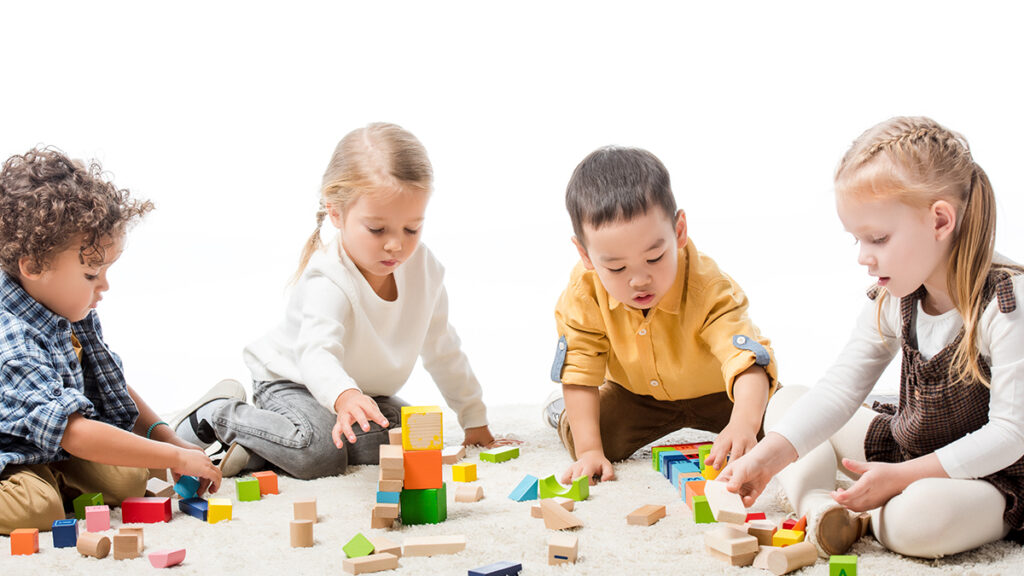
Play is the most natural and powerful way children express creativity. Through pretend play, building, or role-playing, they explore possibilities, invent stories, and experiment with different roles. Unstructured playtime allows them to use imagination freely without rigid rules or outcomes.
Parents can encourage this by providing open-ended materials—blocks, costumes, clay, or even cardboard boxes—that invite children to create their own worlds. Most importantly, children should be allowed to take the lead, while parents act as supportive participants rather than directors.
Encouraging Curiosity Through Questions
Children are naturally full of questions, and each “why” or “how” is an opportunity to spark creativity. Instead of dismissing endless questions, parents can engage by exploring answers together. Even if the parent doesn’t know the answer, looking it up or experimenting together fuels curiosity.
This collaborative approach shows children that discovery is exciting and that learning is a shared adventure. Over time, it encourages them to continue asking questions and seeking answers independently.
Integrating Creativity Into Daily Life
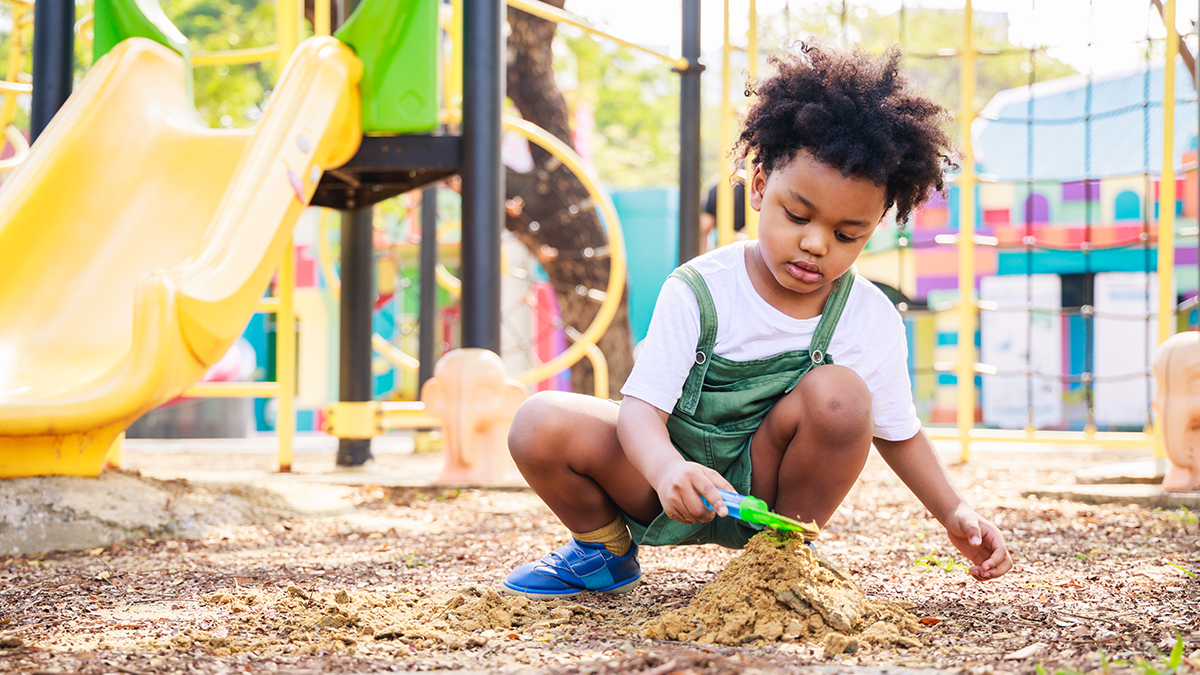
Creativity doesn’t have to be limited to art projects or special activities. Everyday routines can become opportunities for imagination. Cooking can turn into experimenting with recipes, gardening can inspire designing layouts, and bedtime stories can include alternative endings created by the child.
When creativity is woven into daily life, children begin to see it not as a separate activity but as a natural part of how they experience the world.
Creativity Across Developmental Stages
Early Childhood
In the preschool years, creativity often shines through imaginative play, storytelling, and exploration with art materials. At this stage, children benefit from simple supplies like crayons, blocks, or dress-up clothes. The goal is not to direct their activities but to provide tools and space for exploration.
Encouraging curiosity—like letting a toddler mix paint colors or invent a pretend game—lays the groundwork for creative confidence.
School-Aged Children
As children enter school, creativity becomes more structured but also more closely tied to academics. Projects that integrate subjects, such as combining art with science or storytelling with history, encourage them to see connections across disciplines.
Parents can support this age group by encouraging hobbies, introducing new skills, and celebrating originality in both schoolwork and play. Collaboration with peers also becomes important, as children learn to value diverse perspectives in group activities.
Adolescents
Teenagers often turn to creativity as a form of self-expression and identity. Whether through music, writing, digital design, or performance, creative outlets give them a way to explore emotions and define themselves.
Parents can support teens by respecting their creative choices, even when their tastes or ideas differ from their own. Providing encouragement without control fosters independence while still showing interest and guidance. This balance helps teenagers use creativity to strengthen confidence and prepare for adulthood.
Overcoming Barriers to Creativity
Academic Pressures
Standardized testing and academic demands often push creativity aside. To counter this, parents can create space for unstructured activities at home where exploration is valued as much as achievement. Encouraging creative outlets outside of school—art, music, building, or storytelling—protects children’s natural curiosity.
Screen Time and Digital Distractions
While technology can support creativity, excessive passive screen time often replaces imaginative play. Parents can guide children toward active digital creativity—like designing art, composing music, or coding simple games—while setting boundaries to ensure screen use remains balanced with offline creative activities.
Fear of Failure
Many children hesitate to create because they fear making mistakes. Parents can address this by reframing failure as learning. Sharing stories of inventors, artists, or even personal experiences where mistakes led to growth normalizes setbacks and inspires persistence.
Long-Term Benefits of Encouraging Creativity
Academic Success
Creativity supports academic performance across subjects. Children who think creatively are better problem-solvers, critical thinkers, and innovators. These skills help them excel not only in arts but also in science, math, and language.
Emotional Resilience
Creative outlets help children manage stress and emotions. Whether through journaling, drawing, or playing music, these practices give them healthy coping tools. As they grow, this resilience supports both mental health and adaptability in facing life’s challenges.
Future Opportunities
Creativity is one of the most valued skills in the modern workforce. Whether in science, entrepreneurship, or the arts, the ability to innovate and adapt sets individuals apart. By fostering creativity in childhood, parents equip their children with tools that will benefit them for decades to come.
Conclusion
Encouraging creativity in children is one of the greatest gifts parents can offer. Creativity is not an optional extra—it is a vital skill that supports problem-solving, emotional health, and future success. By modeling curiosity, creating supportive environments, and weaving creativity into daily life, parents nurture a mindset that embraces exploration and resilience.
At every stage of development, children need space and encouragement to experiment, imagine, and express themselves freely. While challenges like academic pressure and digital distractions may threaten creativity, they can be overcome with intentional balance.
Ultimately, creativity is not about perfect drawings or award-winning projects—it is about cultivating a way of thinking that values curiosity, experimentation, and innovation. When parents encourage creativity with patience and openness, they raise children who can face the world with confidence, imagination, and adaptability.