How to Encourage a Love for Learning


Introduction
Learning sits at the very core of human progress. It is how we adapt, grow, and shape our lives. While formal education offers the framework of knowledge—reading, writing, arithmetic—the true secret to thriving lies not in memorizing facts but in cultivating a lifelong love of learning.
Children who discover joy in learning don’t just chase grades or perform for approval. They become curious explorers, willing to dig deeper, ask harder questions, and approach challenges with enthusiasm. Adults who hold onto this mindset find fulfillment too. They adapt more easily to change, pursue passions outside their careers, and embrace lifelong growth with resilience.
Encouraging this love for learning is not simply about producing top students or securing perfect report cards. It is about creating an environment where curiosity thrives, exploration is welcomed, and knowledge is not just useful but deeply enjoyable. For parents, caregivers, and educators, this often means shifting the focus from outcomes—scores, prizes, achievements—to the process: the wonder of discovery, the joy of effort, the pride in persistence.
When learning becomes a journey instead of a chore, children build an inner drive that fuels them for life. This article explores how to spark that love for learning by nurturing curiosity, building supportive environments, engaging emotions, modeling positive attitudes, and celebrating growth.
The Foundation of Curiosity
Why Curiosity Drives Learning
Curiosity is the spark that ignites all learning. From birth, children are wired to explore—whether by reaching for objects, asking endless “why” questions, or experimenting to see what happens next. This natural curiosity fuels intellectual growth, inspiring children to connect ideas, challenge assumptions, and discover meaning.
Unfortunately, traditional education systems often dampen curiosity with rigid curriculums and standardized tests. Instead of encouraging questions, they sometimes emphasize memorization and correctness. Over time, children who are told to “just focus on the answer” may lose the joy of asking questions in the first place.
Encouraging curiosity requires creating spaces where exploration is celebrated. Parents and teachers who respond with patience and excitement—“That’s a great question, let’s find out together!”—help children see learning as an adventure rather than a burden.
Encouraging Open-Ended Exploration
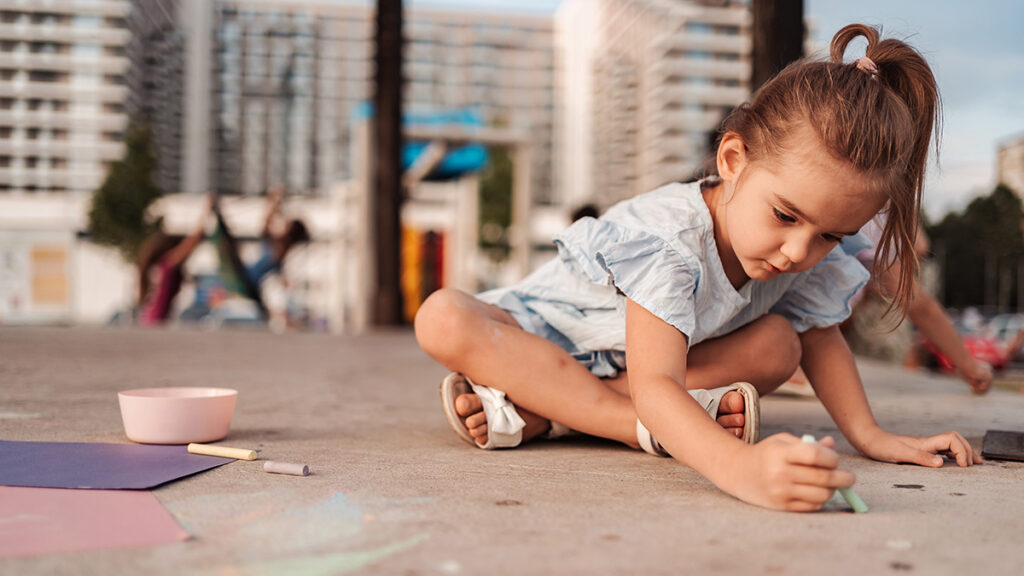
Children flourish when they can explore without being confined by rigid expectations. Open-ended activities such as building with blocks, inventing stories, painting, or observing nature let them experiment freely and learn from experience.
For instance, a child playing with building blocks might discover principles of balance, design, and problem-solving without realizing it. A walk in the park can spark questions about ecosystems, weather, or history. When adults encourage these moments of inquiry, children learn that the process of discovery is just as valuable as the outcome.
By weaving curiosity-driven exploration into daily life, parents help children anchor joy and creativity into their concept of learning—making curiosity not just a phase but a lifelong mindset.
Creating a Positive Learning Environment
The Role of Supportive Spaces
Learning flourishes in spaces where children feel safe, inspired, and supported. These environments don’t need to be elaborate classrooms filled with expensive tools. A simple reading nook with cushions and books, a table stocked with art supplies, or a corner for science kits can serve as havens of exploration.
What truly matters is the association children form with those spaces. Do they feel pressured and anxious, or do they feel calm, curious, and encouraged? Parents can shape this atmosphere by focusing on effort, persistence, and creativity rather than perfection. A child who is praised for trying something new—even if it doesn’t work—learns that exploration is valuable.
Balancing Structure and Freedom
Children benefit from a balance of structure and freedom. Too much structure may feel suffocating, while unlimited freedom can be overwhelming. A thoughtful combination allows for both discipline and creativity.
For example, a structured bedtime routine might include 20 minutes of reading, but within that time, the child chooses the book. Structured writing practice might involve journaling, but the child decides what to write about. This balance provides stability while still honoring independence.
When learning feels both purposeful and playful, children engage willingly and find joy in both discovery and discipline.
Emotional Engagement in Learning
The Connection Between Emotions and Motivation
Emotions shape how children perceive and retain knowledge. Joy, curiosity, and excitement create strong positive associations with learning, while fear, pressure, or boredom can build resistance. A child who feels anxious about making mistakes may avoid risks, while one who feels encouraged and safe will dive into challenges with enthusiasm.
Parents and teachers can strengthen emotional engagement by making learning relevant. Math concepts tied to baking cookies, history lessons connected to family stories, or science explored through nature walks transform abstract ideas into meaningful experiences. When learning connects to life, it sticks—and it excites.
Building Confidence Through Encouragement
Confidence and learning are deeply intertwined. Children who believe they are capable approach challenges with energy, while those who doubt themselves may give up quickly. Encouragement from adults builds resilience and self-efficacy.
Celebrating persistence, not just success, is key. A child who spends an hour trying to solve a puzzle deserves recognition, regardless of whether the final piece fits. Constructive feedback that highlights effort—“I love how you kept trying different strategies”—teaches that progress matters more than perfection. Over time, these affirmations help children embrace learning as an empowering journey.
The Role of Parents and Educators
Modeling a Love for Learning
Children often learn more from what adults do than what they say. When parents and educators demonstrate curiosity—reading books, exploring hobbies, or researching answers to their own questions—children absorb the message that learning is valuable at every stage of life.
Modeling also broadens the definition of learning. A parent who shares excitement about a new recipe, a podcast, or a work project shows children that growth is not limited to classrooms. It is a lifelong pursuit, enriching both personal and professional life.
Encouraging Autonomy and Responsibility
Ownership fuels motivation. Children who have a say in their learning process feel more invested. Letting them choose a book, design a science project, or pursue a new skill gives them autonomy while also teaching responsibility.
For instance, when a child decides to learn guitar, supporting their choice reinforces independence. Guiding them to practice consistently teaches accountability. This balance—freedom with responsibility—helps children see themselves as capable learners, motivated by curiosity rather than obligation.
Overcoming Barriers to a Love for Learning
Addressing Fear of Failure
Fear of failure is one of the greatest obstacles to cultivating a love for learning. Children who are punished or mocked for mistakes often withdraw, fearing embarrassment. Instead, failure should be reframed as an essential step in growth.
Parents and educators who normalize mistakes—“It didn’t work this time, but now we know what to try next”—teach resilience. Stories of famous inventors, scientists, or leaders who failed before succeeding reinforce that setbacks are stepping stones, not roadblocks.
By creating a culture that values progress over perfection, adults give children the freedom to explore without fear.
Managing Pressure and Expectations
In many cultures, children face immense pressure to achieve top results. While high expectations can inspire effort, relentless pressure often undermines curiosity. Instead of seeing learning as exciting, children may associate it with stress and competition.
Parents can counter this by focusing on growth, not comparison. Recognizing effort, encouraging diverse interests, and supporting unconventional passions ensures that learning feels personal and joyful. A child who loves art should feel as celebrated as one excelling in math. This balance preserves both motivation and well-being.
Long-Term Benefits of Cultivating a Love for Learning
Preparing for Lifelong Growth
Children who develop a love for learning are better prepared for adulthood. They see problems as opportunities, adapt quickly to change, and approach challenges with resilience. In a world where careers and technologies evolve rapidly, these skills are invaluable.
A lifelong learning mindset also enhances personal fulfillment. Adults who remain curious explore new hobbies, deepen relationships, and continually rediscover joy in growth. They are better equipped to navigate life’s transitions, from career shifts to personal challenges.
Contributing to Society Through Curiosity
The ripple effects of nurturing a love for learning extend far beyond individual growth. Curious learners are often innovators, collaborators, and problem-solvers. They bring creativity to communities, empathy to relationships, and solutions to global challenges.
By raising children who see knowledge as a gift, parents and educators contribute to building societies that value exploration, inclusivity, and progress. A child who loves learning may one day grow into a leader, scientist, teacher, or artist who changes lives.
Conclusion
Encouraging a love for learning is one of the greatest gifts adults can give to the next generation. It transforms education from a checklist of tasks into a lifelong journey of discovery, curiosity, and growth. By nurturing curiosity, building supportive environments, connecting learning to emotions, modeling enthusiasm, and addressing obstacles with empathy, parents and educators help children develop intrinsic motivation that lasts a lifetime.
The goal is not to raise perfect students, but to raise curious explorers—individuals who see learning as empowering, joyful, and limitless. When children learn to embrace discovery with excitement and resilience, they carry that mindset into every stage of life. In doing so, they not only enrich their own lives but also contribute to a more thoughtful, creative, and compassionate world.