How Inflation Impacts Your Savings

Introduction: When Your Money Isn’t What It Used to Be
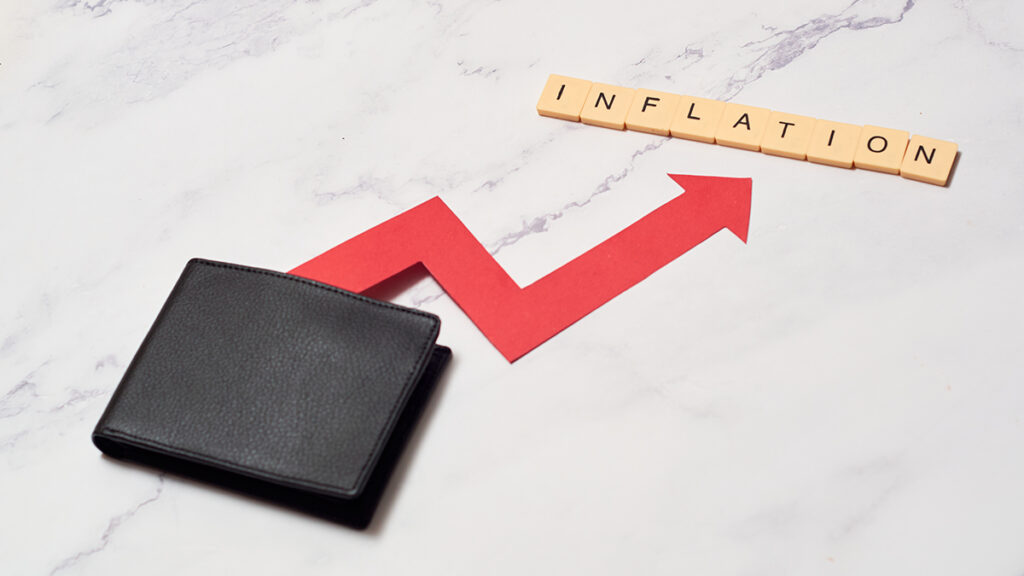
Inflation has a way of quietly eating into your financial well-being. You might not notice it at first, but over time, it steadily erodes the purchasing power of your savings—even when the numbers in your account keep going up. In 2025, with inflation consistently hovering above central bank targets, more and more savers are realizing that their money isn’t stretching as far as it used to.
It’s not just about watching prices go up; it’s about what those price increases mean for your financial goals. Whether you’re saving for an emergency fund, retirement, or a big purchase, inflation can make it harder to reach your targets. This article breaks down what inflation really does to your savings, how it works, and what you can do to shield your wealth from its long-term effects.
The Mechanics of Inflation: What Is It and Why It Matters
Defining Inflation and Its Real-World Effects
At its core, inflation is the general rise in prices across an economy, which means that each dollar you have buys a little less than it did before. It’s typically measured by indicators like the Consumer Price Index (CPI) or the Personal Consumption Expenditures (PCE) index. In mid-2025, inflation in the U.S. remained above 2–3%, which may sound modest, but even small rates of inflation can have a major impact over time.
For example, if inflation holds steady at 3% per year, your money loses half its buying power in about 24 years. It’s a slow but steady process that can quietly undo years of diligent saving if not managed properly.
How Inflation Steals From Savers
The real danger of inflation for savers lies in its ability to outpace the interest you earn. Say your savings account offers a 1% annual return, but inflation is running at 3%. While your balance might be growing on paper, you’re actually losing purchasing power each year. This “invisible loss” means you’ll be able to buy less with your money over time—even if it feels like you’re earning.
In countries like the UK or Australia, savers have already seen how quickly inflation can chip away at cash. Over five years, some have lost up to 11% of their real savings value simply because their interest earnings couldn’t keep up with rising prices.
Who Is Hit Hardest by Inflation?
The Impact on Everyday Expenses
Inflation doesn’t raise all prices equally. Essentials like groceries, utilities, and rent often rise faster than other goods. For families living on tight budgets, these increases hit hardest, forcing tough choices between needs like food, fuel, or medical care. Food inflation in particular has become a pressing issue in many regions, driving up the cost of basic living.
Fixed Incomes, Debts, and Creditors
People living on fixed incomes—like retirees relying on pensions—often suffer the most in inflationary periods. Their income stays the same while the cost of living climbs, shrinking their quality of life. On the flip side, those with fixed-rate loans (like mortgages) might benefit slightly, as inflation erodes the real value of what they owe. Essentially, the money they repay is worth less than it was when they borrowed it, shifting the burden from borrowers to lenders.
Inflation’s Effect on Long-Term Savings Goals
Retirement Plans Under Threat
Over time, inflation can severely weaken your retirement savings. Even with moderate inflation, your nest egg may not stretch as far as you’d hoped. A $500,000 portfolio today could have the purchasing power of just $336,000 in 20 years at a 2% inflation rate. The bigger the time horizon, the greater the impact—and for retirees leaning on fixed-income investments, the effect can be particularly damaging.
Emergency Funds and Short-Term Savings
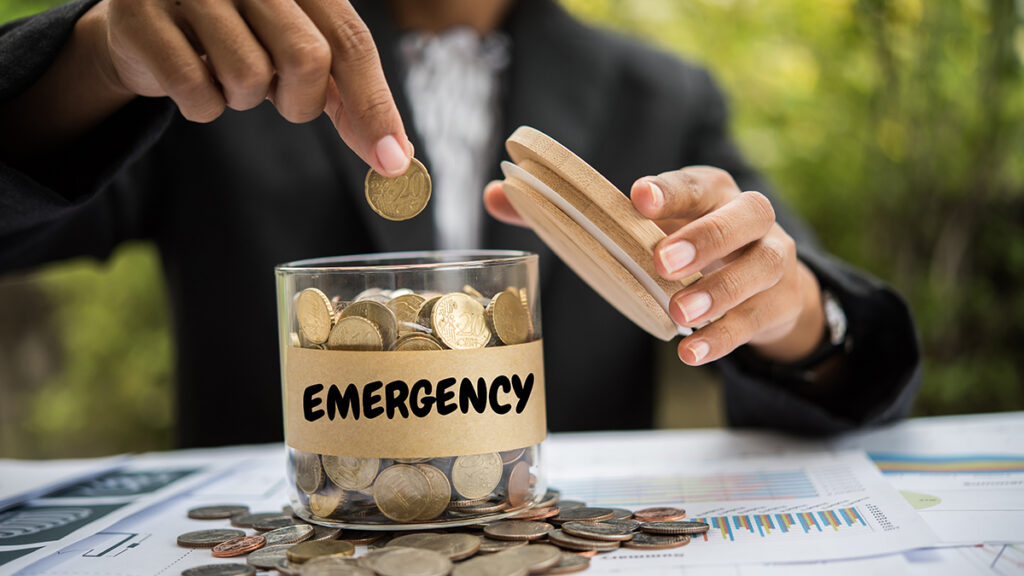
While keeping cash in a savings account feels safe, inflation turns it into a slow leak. Emergency funds are supposed to protect you—but if they’re sitting in a low-yield account while prices rise, that safety net becomes thinner and less effective. Over time, your emergency stash won’t cover as much as you intended.
How Interest Rates and Bank Rates Factor In
Central Banks’ Role in Saving Yields
Central banks respond to inflation by raising interest rates—but that doesn’t always benefit savers. Even when central rates go up, banks are often slow to pass those gains along in the form of higher savings account returns. In the UK, for example, many easy-access accounts are still paying under 1.3%, despite much higher base rates.
In Australia, the situation is similar. The Reserve Bank’s benchmark cash rate may sit at 3.85%, but savers are barely breaking even after inflation, earning real returns as low as 0.05%.
High-Yield Options May Lag Inflation Too
Some savers seek out high-yield accounts or CDs offering 4% or more—but even those can fall short if inflation climbs to 5% or beyond. These vehicles can help cushion the blow, but they don’t always keep pace with rising costs, especially when inflation accelerates quickly.
How to Mitigate Inflation’s Effects on Savings
Invest Where Returns Outpace Inflation
The best way to beat inflation is to earn more than it takes away. That often means moving beyond traditional savings accounts and putting your money to work in investments that historically outperform inflation—such as stocks, real estate, Treasury Inflation-Protected Securities (TIPS), I Bonds, or dividend-focused ETFs and mutual funds.
Consider Inflation-Adjusted Instruments
TIPS and Series I Bonds are specifically designed to protect your money from inflation. They adjust with the CPI and offer returns that help preserve your purchasing power. While they’re not as liquid as savings accounts, they provide a more secure long-term home for funds you won’t need right away.
Combine Liquidity and Growth Strategically
You don’t have to choose between safety and growth. A smart strategy involves splitting your savings between liquid accounts (like high-yield savings or short-term CDs) and longer-term investments that offer better inflation protection. This way, you can access money when needed while keeping the rest working harder for you.
Behavioral and Practical Responses to Inflation
Maintain Budget Awareness and Expense Review
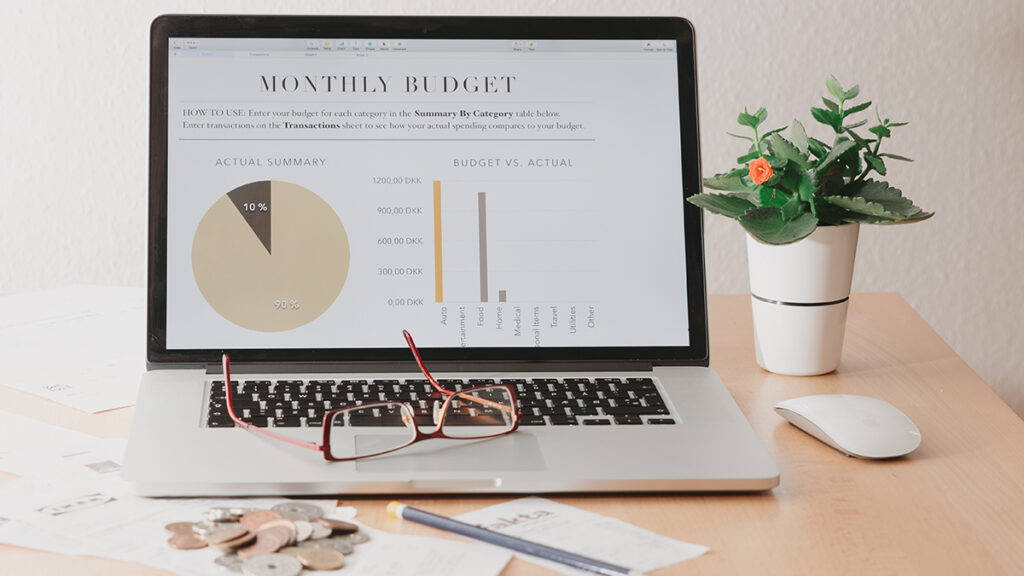
Inflation calls for a closer eye on your budget. Prices are shifting fast—especially in categories like energy, food, and rent. Reviewing and adjusting your spending habits regularly helps you stay ahead. If inflation is eating into your cash, make sure your savings aren’t sitting idle.
Reduce High-Interest Debt
As inflation drives up interest rates, the cost of borrowing also climbs. Credit card debt or variable-rate loans become even more expensive. Paying off these balances protects your budget and strengthens your savings position in the long run.
Long-Term Planning: Adjusting for Inflation’s Compounding Effects
Forecast Real Value of Savings Goals
Whether you’re saving for retirement, a home, or your child’s education, inflation should be part of your plan. Use realistic estimates—such as 2–3% annual inflation—to project how much you’ll actually need, not just in today’s dollars, but in future buying power.
Rebalance Portfolios Regularly
As inflation and interest rate trends shift, so should your investment strategy. Rebalancing allows you to adjust your exposure to inflation-sensitive assets and respond to changing economic conditions. Don’t set your allocation and forget it—stay nimble.
Keep an Eye on Policy and Inflation Signals
Central bank updates and inflation forecasts offer key insights into where rates and prices are headed. Paying attention to these signals helps you make smarter choices—like when to lock in a CD rate or shift assets into more inflation-resilient investments.
Conclusion: Inflation Is Real—But Your Strategy Can Be Stronger
Inflation doesn’t need to be a financial disaster—but ignoring it can be. Even modest annual inflation quietly compounds, shrinking the real value of your savings and threatening your long-term goals. But by taking action—moving money into higher-yield vehicles, investing in inflation-beating assets, and planning with a long-term view—you can protect your purchasing power and grow your wealth.
Keep some cash liquid for emergencies, but make sure your broader strategy is working to outpace inflation. Pay off high-interest debt, stay informed, and diversify smartly. In today’s uncertain economic climate, the most powerful defense isn’t just saving—it’s saving with strategy.