How to Build an Emergency Fund

Introduction: The Foundation of Financial Resilience
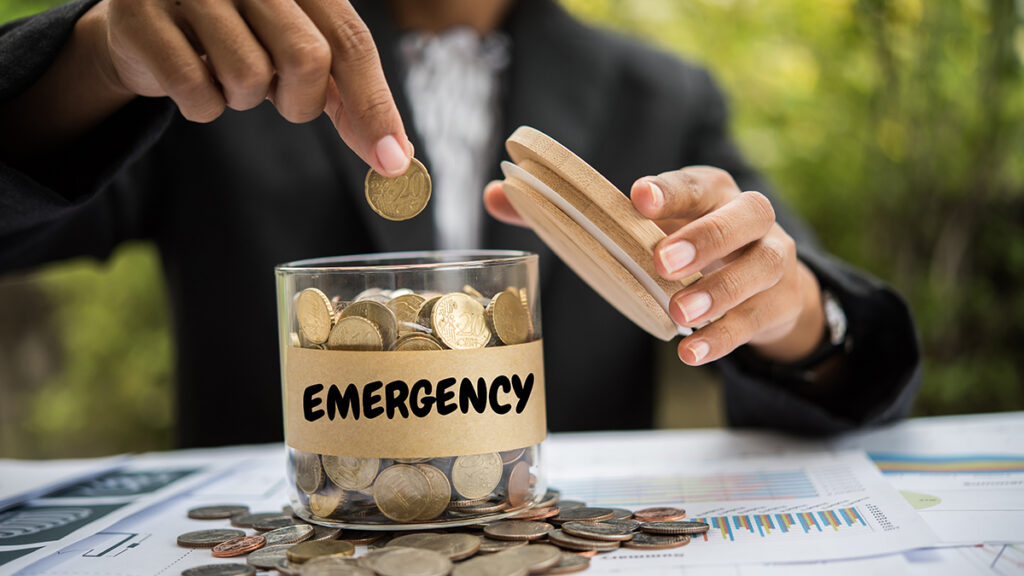
In a world where life can shift in an instant—whether it’s an unexpected hospital bill, job loss, or an emergency car repair—having an emergency fund isn’t just a good idea. It’s essential. An emergency fund acts as your personal safety net, keeping life’s curveballs from knocking your finances off track. Without it, a temporary crisis can spiral into long-term debt, forced retirement withdrawals, or financial stress that derails your future goals.
Yet, despite its importance, the thought of saving three to six months’ worth of living expenses can feel overwhelming—especially for those living paycheck to paycheck. But here’s the truth: building an emergency fund isn’t about being perfect. It’s about being consistent, realistic, and intentional. You don’t need to save thousands overnight. You just need a plan.
This guide walks you through every step of building and maintaining an emergency fund, whether you’re just starting out or looking to improve your existing safety net.
Why an Emergency Fund Should Be Your First Financial Priority
The Real Purpose Behind an Emergency Fund
An emergency fund isn’t meant to make you rich. It’s designed to protect you from going broke. It’s not an investment—it’s your first line of defense against financial chaos. Whether it’s a medical bill, home repair, or temporary loss of income, your emergency savings keep you from falling into high-interest debt or draining long-term investments just to stay afloat.
Having quick access to cash in a crisis provides more than financial protection—it gives you peace of mind. That psychological safety can be just as valuable as the dollars in your account.
How It Safeguards Your Bigger Financial Goals
Without an emergency fund, you’re forced to raid your investment accounts or take on expensive loans during hard times. But withdrawing from a retirement fund during a market dip can lead to big losses—both now and later. By keeping a stash of liquid cash on hand, you give your investments the breathing room they need to recover, allowing your long-term strategy to stay intact.
A solid emergency fund separates short-term problems from long-term goals—and that’s a difference that compounds over time.
Setting the Right Target: How Much Should You Save?
Start by Calculating Your True Monthly Essentials
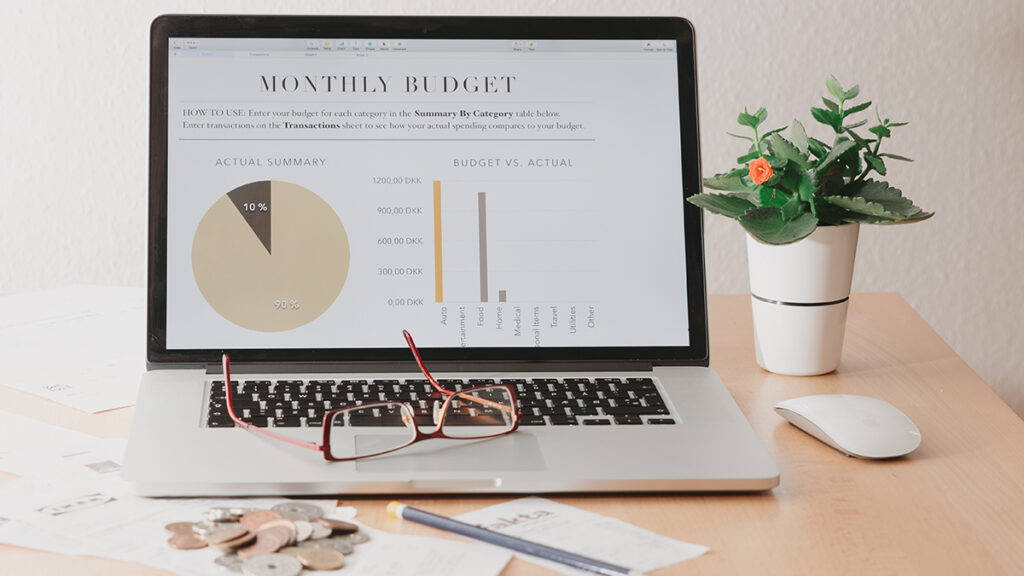
Before you can figure out how much to save, you need to understand what your bare-minimum monthly expenses look like. Start by tallying up your non-negotiables—things like rent or mortgage, food, utilities, insurance, transportation, and debt payments. Leave out the discretionary stuff like takeout, streaming services, or gym memberships.
Once you have your monthly essentials, multiply that number by 3, 6, or even 12 depending on your situation. That gives you a target that’s tailored to your actual life—not someone else’s.
Customize Based on Your Life and Risk Level
The “right” emergency fund size depends on your life situation. If you have a stable 9-to-5 job, minimal expenses, and a dual-income household, a three-month cushion might work. But if you’re a freelancer, self-employed, or your income fluctuates, a six-to-nine-month cushion is more realistic—and safer.
Your life stage matters too. If you’re supporting children, caring for a parent, or planning a big life change like moving or having a baby, your emergency fund should be bigger to account for increased unpredictability.
How to Start Saving—Even on a Tight Budget
Automate Your Contributions
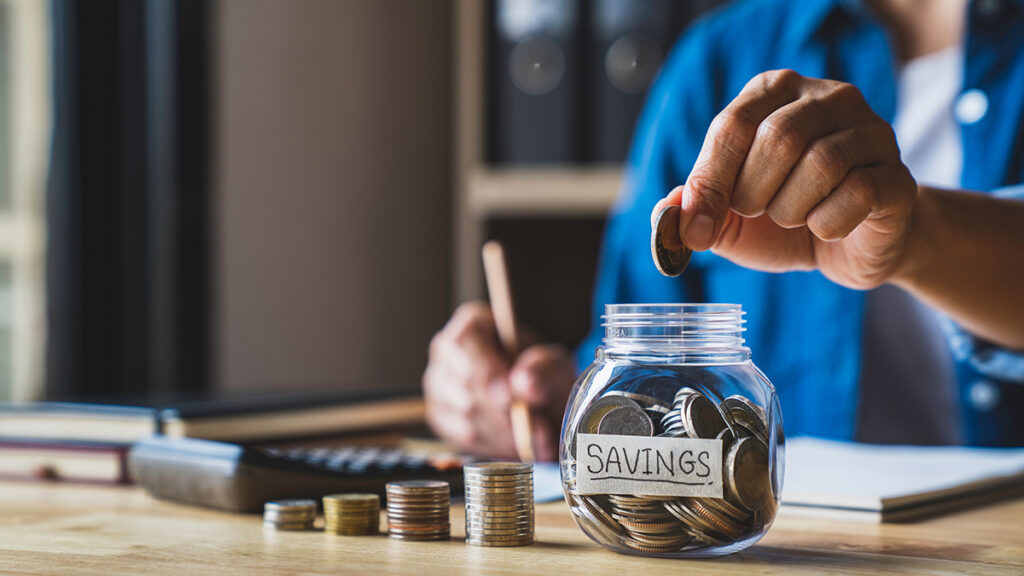
Consistency beats intensity. Instead of trying to save large sums once in a while, set up small, automatic transfers every time you get paid. Even $25 per paycheck adds up. Automation removes the temptation to spend and makes saving feel effortless over time.
Think of your emergency fund as a monthly bill you pay yourself. Make it non-negotiable.
Use Windfalls and One-Off Earnings
Whenever you receive unexpected money—a tax refund, a bonus, a birthday gift, or even a side hustle payout—consider depositing some or all of it into your emergency fund. These windfalls can supercharge your savings without impacting your regular budget.
This tactic also removes the “I can’t afford to save” excuse. You’re using money you weren’t expecting to build something you absolutely need.
Cut Back—Temporarily—to Get Ahead
If your finances are stretched, consider a short-term expense detox. Pause some non-essential spending—maybe cancel a subscription or cut down on dining out—for just a few months. Redirect those funds to your emergency account until you reach your target.
Once you’ve built a solid cushion, you can reintroduce those luxuries guilt-free, knowing you’ve handled the fundamentals first.
Where Should You Keep Your Emergency Fund?
High-Yield Savings Accounts (HYSA)
A high-yield savings account is the gold standard for emergency funds in 2025. These accounts offer interest rates upwards of 4%, are FDIC-insured, and let you access your money when needed—usually within a day or two. They’re easy to set up and typically come with no minimum balance or monthly fees.
Look for HYSAs with strong mobile apps, quick transfer features, and consistent rates. This is not just about stashing your cash—it’s about letting your money quietly grow while it waits for its moment.
Money Market Accounts and Other Options
Money market accounts (MMAs) are another option. They tend to offer similar yields as HYSAs and may include check-writing privileges or debit cards. While slightly less flexible than savings accounts, MMAs can be great for emergency funds if you want easy access with a bit more structure.
Certificates of deposit (CDs) offer higher returns but lock your money away for a set period. They’re not ideal for an emergency fund unless you create a “CD ladder,” where different CDs mature at different times. Still, most people should stick with liquid options.
Avoid Investing Your Emergency Fund
Don’t be tempted to invest your emergency fund in stocks, ETFs, or crypto. The market doesn’t care if you need money tomorrow. A 20% market drop at the wrong time could cost you dearly. Emergency funds need to be safe, stable, and quickly accessible. Save investing for your long-term wealth goals—not your crisis cash.
How to Maintain (and Protect) Your Emergency Fund
Only Use It for True Emergencies
This might sound obvious, but it’s easy to blur the lines between wants and needs. A broken phone isn’t an emergency if you can use a backup. A last-minute concert ticket? Definitely not.
Train yourself to ask: “Is this urgent, unexpected, and necessary?” If not, don’t touch the fund. When you do use it—say, for car repairs or medical bills—make a plan to replenish the balance as soon as possible.
Update Your Fund as Life Changes
What felt like “enough” last year may not cover this year’s needs. Inflation, job changes, new responsibilities—your expenses evolve, so your emergency fund should too.
Review your savings target annually or whenever life throws a curveball. If your HYSA’s interest rate drops, shop around for a better one. Just like with insurance, you need to check in to make sure your coverage still fits.
The Emotional Rewards: Why Emergency Funds Are More Than Just Money
Lower Stress, Better Decisions
One of the most underrated benefits of an emergency fund is peace of mind. When you know you can handle an unexpected bill or a temporary layoff, your anxiety drops. You sleep better. You think more clearly. You make smarter, less reactive decisions.
It’s hard to put a price on that kind of confidence—but ask anyone who’s ever faced a financial emergency without a safety net, and they’ll tell you it’s priceless.
Freedom to Take Better Risks
An emergency fund gives you options. Want to leave a toxic job? Take a career break? Start a side hustle? Knowing you have several months of expenses covered gives you room to make bold but thoughtful choices—without panicking over how to pay rent.
That financial flexibility is empowering. It gives you control over your life instead of letting your paycheck control you.
Conclusion: Your Emergency Fund Is More Powerful Than You Think
While it may not be the flashiest part of personal finance, an emergency fund is arguably the most important. It protects your lifestyle, your investments, and your mental health. It keeps you from sliding backward and gives you the foundation to move forward.
Start small, but start now. Save what you can, automate what you must, and build it one deposit at a time. With consistency and a little creativity, your emergency fund will grow faster than you think.
In a world that changes quickly, being prepared is priceless. And nothing prepares you better than having your own financial safety net, ready for whatever comes next.