What is the Difference Between Saving and Investing?


Introduction: Why Understanding Saving vs. Investing Matters Today
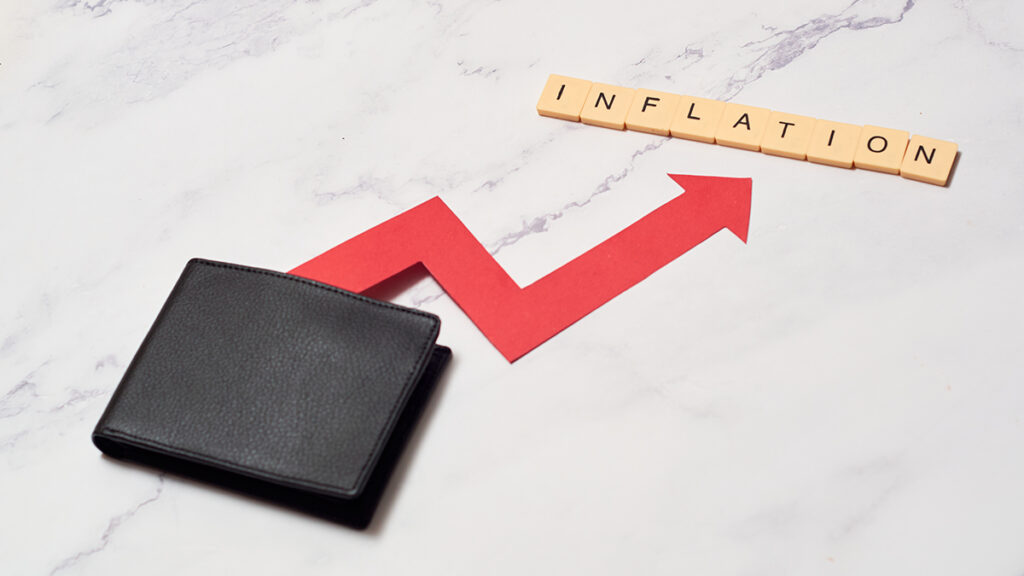
In today’s economy—where inflation quietly eats away at the value of your money and markets swing between record highs and sudden drops—the difference between saving and investing is far more than a financial technicality. It’s a cornerstone of personal financial health.
In 2025, global inflation is hovering around 6% in many regions, and interest rates are climbing in response to economic uncertainty. This means that cash parked in a traditional savings account may actually be losing value over time in real terms. On the other hand, investing can help grow your money well above inflation—but it comes with the unavoidable reality of risk.
Despite these clear distinctions, many people still blur the lines between saving and investing. The result? Emergency funds locked up in volatile stocks, or long-term goals stunted by money sitting idle in low-yield accounts. Understanding the differences—and how to use both effectively—is essential for building security, growth, and financial peace of mind.
The Nature of Saving
Purpose and Time Horizon of Saving
Saving is about setting aside money in safe, low-risk, and highly liquid places so you can access it when you need it most. This might be for an unexpected medical bill, car repair, or an upcoming expense you already know is on the horizon—like tuition or a vacation.
Typical savings vehicles include bank savings accounts, money market funds, or short-term fixed deposits. The focus here isn’t on rapid growth; it’s on availability. According to recent data, more than one-third of households keep their emergency funds in accounts earning less than 1% annually. This ensures stability but also means that purchasing power erodes over time due to inflation.
Safety and Stability of Savings
The main attraction of saving is capital preservation. Savings accounts and similar products are usually insured up to a government-mandated limit—₹5 lakh in India (DICGC) or $250,000 in the U.S. (FDIC)—making the risk of losing your principal almost zero.
The trade-off is low returns. You won’t see your money double or triple in a few years, but for short-term goals, stability outweighs growth. This is why savings are essential for emergencies and upcoming expenses you can’t afford to gamble on.
The Nature of Investing
Growth Potential and Time Horizon of Investing
Investing is about putting your money to work in assets—stocks, bonds, mutual funds, ETFs, real estate—with the aim of earning returns that outpace inflation over time. Unlike saving, investing is typically a long-term activity, with time horizons of at least 5–10 years.
This long view is crucial because investments can be volatile in the short run. A stock market dip could wipe out gains—or even principal—if you need the money too soon. But over decades, disciplined investing allows compounding to work its magic, potentially turning modest monthly contributions into substantial wealth.
Risk and Return Trade-Off
No investment is without risk. Market swings, interest rate changes, economic downturns, and company-specific problems can all affect returns. The general rule is straightforward: the higher the potential return, the higher the risk.
A diversified stock portfolio might average 7–10% annual returns over the long term, but it can also drop 20% or more in a bad year. Bonds are generally safer but may produce lower returns—sometimes even losing value if interest rates rise. Understanding your risk tolerance and matching it to the right investment mix is critical for success.
Comparing Saving and Investing Side by Side
Liquidity, Safety, and Accessibility
If you need quick access to cash, saving wins hands down. Money in a savings account can often be withdrawn instantly or within a day. Investments, however, may take several days to liquidate—and selling during a downturn can lock in losses.
From a safety perspective, savings are the clear winner. Principal protection is built in, while investments carry no such guarantee. In the wrong market conditions, investments can lose significant value.
Growth and Inflation Protection
Savings are stable but slow-growing—usually at rates lower than inflation—meaning your real purchasing power may decline. Investing is designed to grow your money at a pace that exceeds inflation, building real wealth over time.
Historically, broad stock markets have produced average nominal returns of 7–10% annually, enough to stay ahead of inflation and grow capital meaningfully over decades.
Ideal Use Cases: Goals Across the Timeline
Savings are ideal for short-term goals—those less than five years away—and for your emergency fund. Investing, on the other hand, is best suited for long-term goals like retirement, children’s education, or building generational wealth. Using the wrong tool for the wrong timeline—such as investing your emergency fund—can lead to unnecessary financial stress.
Integrated Planning: How Saving and Investing Interact
Start with a Savings Cushion Before Investing
Before diving into the stock market or other investments, it’s essential to have a financial safety net. Experts often recommend three to six months of essential expenses in cash or cash-equivalent savings. This cushion prevents you from having to sell investments at a bad time to cover unexpected costs.
Transition from Safety to Growth
Once your emergency fund is in place, you can begin shifting surplus money into investments that match your goals and time horizon. Younger investors with decades ahead can take on more risk with a higher equity allocation, while those nearing retirement may focus on capital preservation.
Rebalancing and Risk Management
A combined approach—using both savings and investments—requires ongoing oversight. If your investments perform well and start to take up a larger share of your portfolio than intended, rebalancing can help bring things back in line with your target strategy and risk profile.
Case Study: The Journey of Savita and Arjun
Savita began her financial journey by building an emergency fund of ₹3 lakh in a high-yield savings account. Only after achieving that milestone did she start investing ₹5,000 per month in index funds through a systematic investment plan (SIP).
When she faced a job loss in 2022, she relied solely on her savings to cover expenses, leaving her investments untouched. This decision meant she didn’t have to sell during a market downturn—allowing her SIP investments to recover and grow in the years that followed.
Her story is a textbook example of how saving and investing complement each other: one provides stability and immediate access, while the other builds long-term wealth.
Tools and Vehicles: Where to Save vs. Where to Invest
Saving Tools: Safety First Options
Common saving tools include traditional savings accounts, recurring deposits, and liquid mutual funds. In India, fixed deposits and sweep-in accounts provide slightly higher yields without sacrificing too much liquidity. In the U.S., online high-yield savings accounts and money market funds offer a modest return with quick access to cash. These are ideal for emergency funds and short-term goals.
Investing Tools: Growth-Oriented Options
For long-term growth, equities remain a core choice—whether through direct stock purchases, exchange-traded funds (ETFs), or equity mutual funds. Bond indices, real estate investment trusts (REITs), and dividend-focused funds can provide income and stability.
In India, SIPs have made investing accessible for even small monthly contributions, while in the U.S., robo-advisors and self-directed brokerage accounts have lowered the barriers to entry.
Pitfalls and Common Misunderstandings
Confusing Saving with Investing and Vice Versa
One of the biggest mistakes is keeping all money in savings accounts, missing out on the power of compounding. The opposite—investing all available cash without maintaining liquidity—can be equally dangerous, leaving you vulnerable in emergencies.
Expectations Mismanagement
Savings accounts are not designed to generate high returns, so expecting them to keep up with inflation is unrealistic. Conversely, investments won’t grow in a straight line—market volatility is part of the package. Setting realistic expectations helps avoid disappointment and panic-driven decisions.
Liquidity Mistakes
Pulling money from investments for short-term needs can lead to selling at the worst possible time. On the other hand, keeping too much in low-yield savings means missing out on long-term growth. Aligning your asset choice with your time horizon is key to avoiding these pitfalls.
Conclusion: Balancing Saving and Investing for Financial Success
Understanding the difference between saving and investing—and using each for its intended purpose—is the foundation of a healthy financial life. Savings offer security, stability, and quick access to funds. Investing offers growth, compounding, and protection against inflation over the long term.
A balanced financial plan includes both: enough savings to weather emergencies and enough investing to secure your future. By aligning each with your time horizon, goals, and risk tolerance, you can build not only a resilient financial safety net but also the kind of wealth that allows you to live on your own terms—today, tomorrow, and decades from now.