Holistic Remedies for Common Ailments

Introduction: Embracing Natural Healing with Wisdom
In a world where prescription medications dominate the conversation, there’s a quieter yet steadily growing movement that looks to the past for healing inspiration. Drawing from Ayurveda, Traditional Chinese Medicine, folk herbalism, and modern integrative therapies, holistic remedies reconnect us with a slower, more attentive way of caring for the body. They focus on the synergy between mind, body, and spirit, honoring the body’s inherent ability to heal when given the right tools and environment.
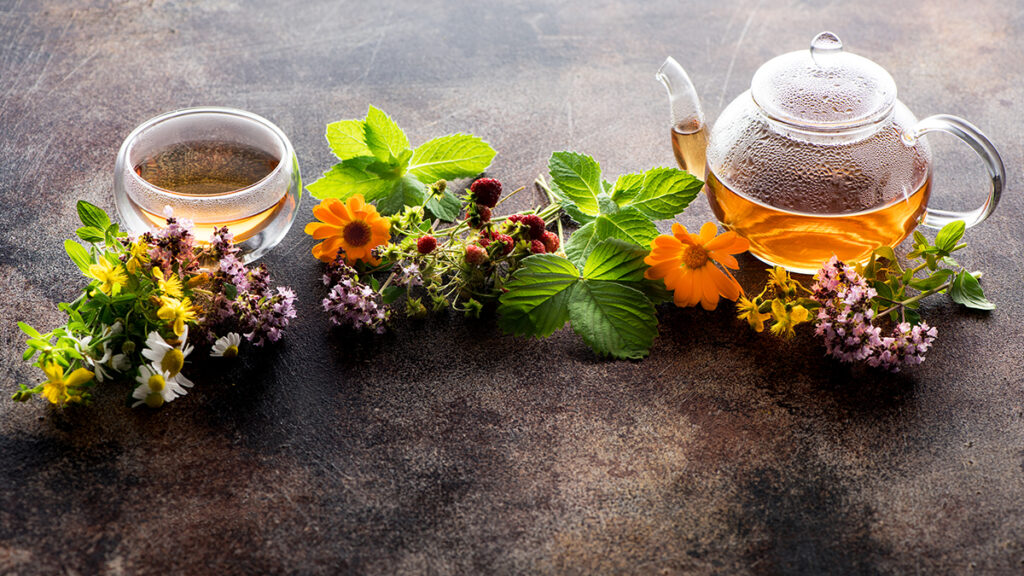
This approach isn’t about rejecting modern medicine—it’s about complementing it. Whether it’s soothing digestive upset with a warm cup of ginger tea, easing stress with a calming chamomile blend, or applying a centuries-old poultice to a sore muscle, these remedies combine ancient wisdom with contemporary science. In 2025, holistic healing is no longer seen as a fringe practice—it’s a respected, accessible cornerstone of wellness across the globe.
How Holistic Medicine Supports Healing
Whole-Person Healing in Practice
Holistic medicine recognizes that discomfort or illness rarely exists in isolation. A headache might be the result of stress, dehydration, or poor posture. Digestive issues could be tied to emotional strain as much as diet. Instead of simply treating symptoms, holistic care works to address root causes—balancing physical health with emotional and spiritual well-being.
In practice, this means wellness plans often blend nutrition, movement, mindfulness, and herbal support in ways tailored to the individual. It’s an approach that views health as a dynamic state of balance, one that shifts with our lifestyle, environment, and emotional state.
Evidence Awakening: Science Meets Tradition
Once dismissed by some as unscientific, many holistic remedies now enjoy robust research backing. Turmeric, for example, has been extensively studied for its anti-inflammatory properties. Valerian root shows promise in supporting restful sleep without the side effects of some pharmaceuticals. Ginger is recognized for easing nausea, even in chemotherapy patients, and offers anti-inflammatory benefits comparable to certain over-the-counter medications.
While research is ongoing, this convergence of tradition and science reinforces the value of using nature’s pharmacy with care and precision.
Time-Honored Remedies in the Modern Context
Ayurveda in the Modern World
Ayurveda—India’s 5,000-year-old system of medicine—remains deeply relevant today. Focused on restoring balance among the body’s doshas (vata, pitta, kapha), Ayurveda prescribes dietary patterns, herbal tonics, and daily rituals that prevent illness before it begins. Herbs like ashwagandha help regulate stress hormones, amla supports immunity, and abhyanga (oil massage) boosts circulation and skin health.
This system also provides nuanced approaches to chronic conditions like diabetes, emphasizing gentle yet effective lifestyle changes alongside personalized herbal regimens.
Traditional Chinese Medicine: Harmony and Qi
Traditional Chinese Medicine (TCM) revolves around the concept of Qi, the life energy that flows through the body. Practices like acupuncture, cupping, and tai chi aim to balance this energy, while herbal blends are carefully crafted to address specific imbalances.
Ginger, a staple in TCM, is used for everything from aiding digestion to easing menstrual cramps. Its continued relevance shows how certain natural remedies bridge centuries, cultures, and continents.
Indigenous Wisdom: Preserving Community Health
Across the world, indigenous communities preserve healing traditions that have sustained generations. Among the Gullah Geechee people of South Carolina, for example, the use of chaney root for vitality or mullein for respiratory support remains central to their cultural health practices. These remedies are more than medicine—they are a link to ancestry, land, and identity.
Healing Through Nature’s Medicine Chest
Everyday Herbs for Daily Relief
Certain herbs have earned a place in kitchens and medicine cabinets alike. Chamomile calms the nervous system, elderberry fortifies immunity, lavender soothes stress, and echinacea offers seasonal resilience. Used properly, these plants can ease minor ailments without heavy intervention.
Potent Ayurvedic Herbs—Reviving Legacy Remedies
Modern research continues to highlight the potency of Ayurvedic herbs. Ashwagandha acts as a powerful adaptogen, helping the body respond to stress. Guduchi is prized for immune defense and antibacterial action. Brahmi supports cognitive health, while manjistha aids respiratory detoxification. Guggul supports joint function and can balance thyroid activity.
These herbs are most effective when matched to an individual’s constitution and needs—a reminder that personalization is key in holistic care.
Siberian Workhorses: Adaptogens That Endure
Adaptogens like Siberian ginseng and rhodiola rosea have been used for centuries to help the body adapt to physical and mental stress. Science now confirms their ability to improve stamina, focus, and mood—making them as relevant for a high-pressure modern workday as they were for surviving harsh northern winters.
Simple Therapeutics from the Home Pantry
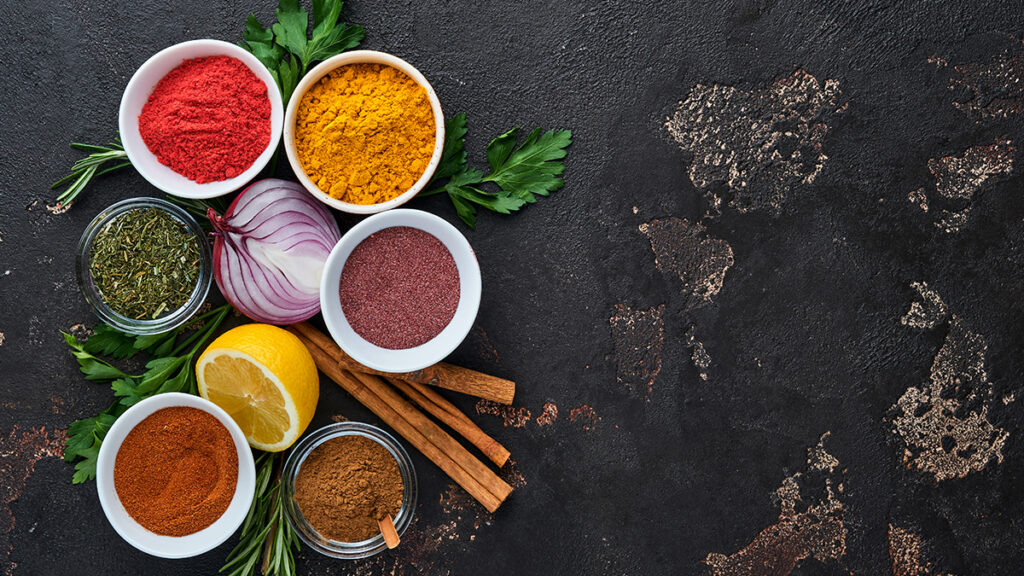
Sometimes the best remedies are the simplest. Ginger tea can ease nausea and promote digestion. Turmeric fights inflammation. Shiitake mushrooms support immune health. Eucalyptus oil clears sinuses and relieves congestion. These pantry staples remind us that powerful healing often begins with everyday foods and herbs.
Ideas for Applying Holistic Healing Daily
Morning Rituals for Grounded Health
Starting the day with warm jeera (cumin) or saunf (fennel) water is an Ayurvedic practice that supports digestion and metabolism. These simple drinks act as gentle tonics, setting a balanced tone for the rest of the day.
Respecting the Sacred Herb: Tulsi at Home
Tulsi, or holy basil, is more than a plant—it’s a sacred fixture in many Indian households. It supports immunity, eases respiratory congestion, reduces stress, and even purifies the air. Growing tulsi at home weaves wellness into daily living.
Holistic Balms, Poultices, and Pastes
From honey for coughs and wounds to herbal poultices for sore muscles, topical remedies have long offered relief without side effects. These practices remain valuable for addressing localized discomfort in a gentle, accessible way.
Cautions, Respect, and Smart Integration
Safety in Synergy
While herbs are natural, they are also biochemically active. Some can interact with prescription medications—St. John’s Wort, for instance, can reduce the effectiveness of certain drugs. Responsible use means consulting healthcare professionals before adding new remedies to your regimen.
Holistic, Not Replacement: Complement, Don’t Replace
Holistic remedies are not a substitute for urgent medical care. If symptoms persist, worsen, or cause concern, professional medical evaluation is essential. The best results often come from combining conventional medicine’s diagnostic and emergency capabilities with holistic wellness’s preventive and nurturing tools.
The Future of Holistic Healing
Personalization and Integration
Healthcare is moving toward more personalized models, and holistic practices fit perfectly into this shift. Clinics that blend nutrition counseling, herbal medicine, mindfulness, and movement therapies are becoming more common, offering treatment plans tailored to each individual’s needs.
Holistic Diabetes Care: Composing Mind, Body, and Metabolism
A growing number of integrative clinics treat diabetes not just with medication and diet, but with stress reduction, strength training, and metabolic balancing. This multifaceted approach reflects the holistic principle that the body’s systems are deeply interconnected.
Conclusion: A Gentle Path to Well-being
Holistic remedies are less about quick fixes and more about consistent, nurturing care. They invite us to align with nature’s rhythms, honor ancestral wisdom, and support the body’s healing processes with respect and patience.
Whether it’s a steaming cup of tulsi tea, a morning glass of cumin water, or a mindful moment in the garden, these practices offer daily opportunities to care for body, mind, and spirit. In doing so, they create a foundation of health that feels less like a regimen and more like a way of life.