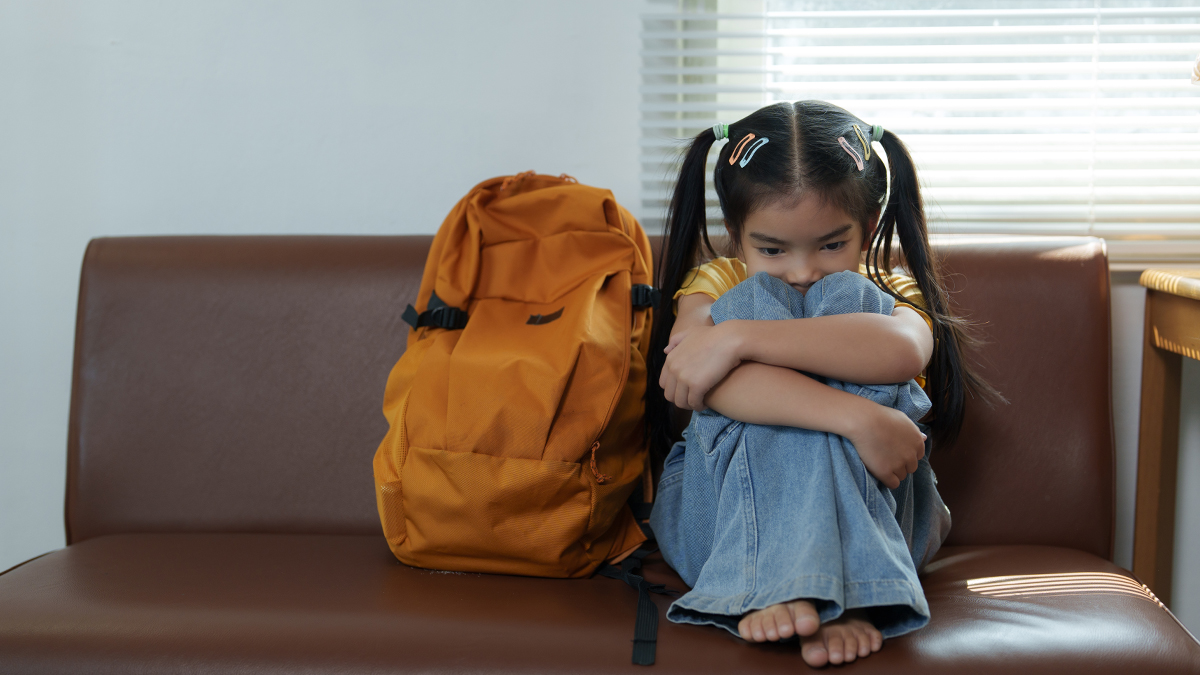
Helping Kids Overcome Fear and Anxiety


Introduction
Every child experiences fear at some stage of their life. It might begin with a fear of the dark, loud noises, or separation from parents, and later shift toward worries about friendships, school tests, or fitting in socially. These fears are natural and even necessary—they are part of how children learn about the world and how to stay safe. But when fear becomes overwhelming or constant, it can develop into anxiety, a more persistent sense of worry that begins to interfere with daily life.
In today’s fast-moving and often uncertain world, anxiety among children is more common than ever. Parents may find themselves caught between wanting to protect their child from distress and wanting to help them build independence. Both instincts come from love, but striking the right balance can feel daunting.
Supporting children through fear and anxiety isn’t only about soothing their worries in the moment—it’s about giving them long-term tools. Children need coping strategies, reassurance, and resilience-building experiences that show them they are capable of facing life’s challenges. With patient guidance and a safe, supportive environment, children can learn to manage fear in healthy ways, growing into confident, resilient individuals.
This article explores why children experience fear and anxiety, how parents can recognize the signs, and practical strategies to help kids build confidence and overcome these challenges.
Understanding Fear and Anxiety in Children
The Role of Fear in Development
Fear is not a flaw—it is a survival mechanism that helps children stay safe. A toddler who hesitates before climbing too high, or a preschooler afraid of strangers, is responding to instincts that protect them. For younger children, fears often revolve around imaginary or immediate threats, such as monsters under the bed or the sound of thunder. As children grow, their fears tend to reflect real-world concerns, like school performance, peer acceptance, or health.
These fears mirror children’s expanding understanding of the world. They are part of normal development and usually fade with time, especially as children gain more experience and self-confidence.
When Fear Becomes Anxiety
Fear differs from anxiety in one critical way: fear is temporary and tied to a specific situation, while anxiety lingers. Anxiety can persist even when there is no direct threat. Children may feel restless, worried, or tense day after day, and may avoid situations that trigger discomfort.
Anxiety can stem from many factors, including temperament, family history, or stressful life experiences. Unlike fear, which typically subsides when the moment passes, anxiety can become a daily companion, requiring more deliberate support to manage.
Recognizing the Signs of Anxiety in Children
Emotional and Behavioral Indicators
Anxiety in children doesn’t always look the same. Some children voice their fears openly, saying they feel scared or worried. Others may act out or withdraw instead of speaking up. Parents may notice clinginess, irritability, or a reluctance to participate in activities they once enjoyed. Children may ask for constant reassurance, struggle to separate from caregivers, or avoid school and social interactions.
These behaviors are more than just “phases.” They are signals that a child’s worries may be overwhelming their ability to cope.
Physical Symptoms
Anxiety doesn’t only affect the mind—it often shows up in the body. Frequent stomachaches, headaches, trouble sleeping, or rapid heartbeat are common signs. Parents might initially assume their child is ill, only to realize the symptoms occur most often before stressful events, like tests or social gatherings.
Recognizing the connection between emotional stress and physical complaints helps parents respond with understanding rather than frustration.
Creating a Supportive Environment
Building Emotional Safety
Children need to feel that their emotions are valid, not dismissed. When parents respond with patience and empathy instead of brushing off worries, children feel safer opening up. For example, rather than saying, “Don’t be silly, there’s nothing to be afraid of,” a more supportive response might be, “I understand you feel nervous, and that’s okay. Let’s talk about it.”
This approach communicates acceptance, helping children trust that they can share their fears without being judged.
Encouraging Open Communication
Children often struggle to put words to their feelings, but gentle guidance helps. Parents can encourage dialogue by asking open-ended questions such as, “What made you feel worried today?” or “What was the hardest part of your day?” These questions invite conversation rather than pressure children to produce quick answers.
When parents listen attentively, without rushing to solve the problem, children feel valued. Over time, they learn that expressing their emotions leads to connection, not criticism.
Teaching Coping Strategies
Naming and Normalizing Emotions
Teaching children to identify their emotions is a powerful first step. When a child can say, “I feel scared,” or “I feel nervous,” it gives them control over the experience. Parents can normalize these feelings by acknowledging them: “It’s normal to feel nervous before trying something new.” This validation reassures children that their emotions are not weaknesses but natural responses that everyone experiences.
Breathing and Relaxation Techniques
Anxiety often triggers a physical stress response. Children may breathe quickly, feel tense, or complain of stomach pain. Relaxation techniques can help calm these reactions. Parents can teach deep breathing—such as “smell the flower, blow out the candle”—or simple mindfulness exercises like counting slowly or tensing and releasing muscles.
These techniques not only reduce immediate anxiety but also give children lifelong tools for self-regulation.
Positive Thinking and Self-Talk
Children often fall into patterns of negative self-talk: “I can’t do it,” or “What if I mess up?” Parents can help by modeling and teaching positive self-talk. Phrases like, “I’ll try my best” or “I’ve handled tough things before” shift children’s mindset from helplessness to resilience. Over time, this practice helps children face challenges with courage rather than avoidance.
Exposure and Gradual Confidence-Building
Facing Fears in Small Steps
Avoidance may bring temporary relief, but it often strengthens fear in the long run. Parents can help by breaking down challenges into smaller, manageable steps. A child afraid of swimming, for example, might start by sitting near the pool, then dipping their feet, and gradually working up to swimming.
Each step offers a chance for success, building confidence while reducing the power of fear.
Celebrating Progress
Parents should celebrate effort, not just outcomes. A child who takes one small step toward facing a fear deserves acknowledgment. Saying, “I’m proud of you for trying” reinforces resilience and shows children that progress matters more than perfection. Over time, these celebrations of effort nurture pride and self-confidence.
The Role of Play in Overcoming Anxiety
Imaginative Play
Play is a child’s natural language, and it often provides a safe space to process fears. Role-playing, storytelling, or using puppets allows children to act out situations that feel scary in real life. For example, a child afraid of going to the doctor might play “pretend doctor” at home, gaining familiarity and control over the situation.
Through play, children explore emotions in a way that feels less intimidating and more empowering.
Physical Play
Physical activity also helps release the tension of anxiety. Running, climbing, or riding bikes not only strengthens the body but also lowers stress levels and boosts mood. When families participate in active play together, they provide both an emotional outlet and a sense of connection, reinforcing support through shared joy.
Supporting School-Related Anxiety
Academic Pressures
School can be a significant source of anxiety. Fear of failure, performance pressure, or the worry of making mistakes may overwhelm children. Parents can help by shifting the focus from results to effort. Instead of asking, “Did you get an A?” try, “Did you try your best?” This reinforces the idea that learning is a process and that mistakes are opportunities for growth.
Working with teachers to set realistic goals and providing encouragement at home helps children feel supported, not pressured.
Social Fears
Peer relationships often bring their own challenges. Children may worry about fitting in, facing rejection, or being bullied. Parents can ease these concerns by discussing social situations openly and practicing responses through role-play. Encouraging empathy and teaching children how to be kind and inclusive also builds social confidence.
Above all, children need reassurance that they are not alone—that many peers experience similar fears and that their parents are there to guide them through it.
Professional Support When Needed
When to Seek Help
Many children can overcome fears with patient support at home, but sometimes professional help is necessary. If anxiety consistently interferes with school, friendships, sleep, or daily routines, parents should seek guidance from a counselor, therapist, or pediatrician. Professional support is not a sign of failure—it is a proactive step toward helping a child thrive.
Therapy and Counseling
Cognitive-behavioral therapy (CBT) is one of the most effective treatments for childhood anxiety. It teaches children how to identify anxious thoughts, develop coping strategies, and face fears gradually. Family therapy can also provide valuable tools for parents, helping them support their child more effectively.
Professional intervention, combined with ongoing parental support, often brings relief and lasting growth for anxious children.
Long-Term Benefits of Overcoming Fear and Anxiety
Children who learn to manage fear and anxiety develop strengths that last well beyond childhood. They gain resilience, learning that setbacks and worries do not define them. They build confidence in their ability to face challenges, and they develop healthier relationships rooted in trust and empathy.
These skills reduce the likelihood of long-term mental health struggles, such as chronic anxiety or depression. More importantly, they empower children to approach new situations with curiosity instead of dread. A child who learns to manage fear grows into an adult who can handle stress, adapt to change, and thrive in an unpredictable world.
Conclusion
Helping kids overcome fear and anxiety is not about eliminating every worry—it is about teaching children that they have the strength and tools to face life’s uncertainties. Fear is part of being human, but with guidance, children can learn to manage it instead of being controlled by it.
Parents play a central role in this process. By listening with empathy, validating emotions, modeling healthy coping strategies, and providing gradual opportunities for growth, they equip children with the resilience to thrive.
Every stage of childhood presents unique fears, from monsters in the closet to academic stress and social challenges. With patience, consistency, and unconditional love, parents can help children turn fear into an opportunity for courage. Ultimately, the goal is not to shield children from every difficulty but to prepare them to face the world with confidence. And in doing so, parents give their children a gift more powerful than comfort: the lifelong strength to thrive in the face of fear.