Helping Kids Learn from Mistakes


Introduction
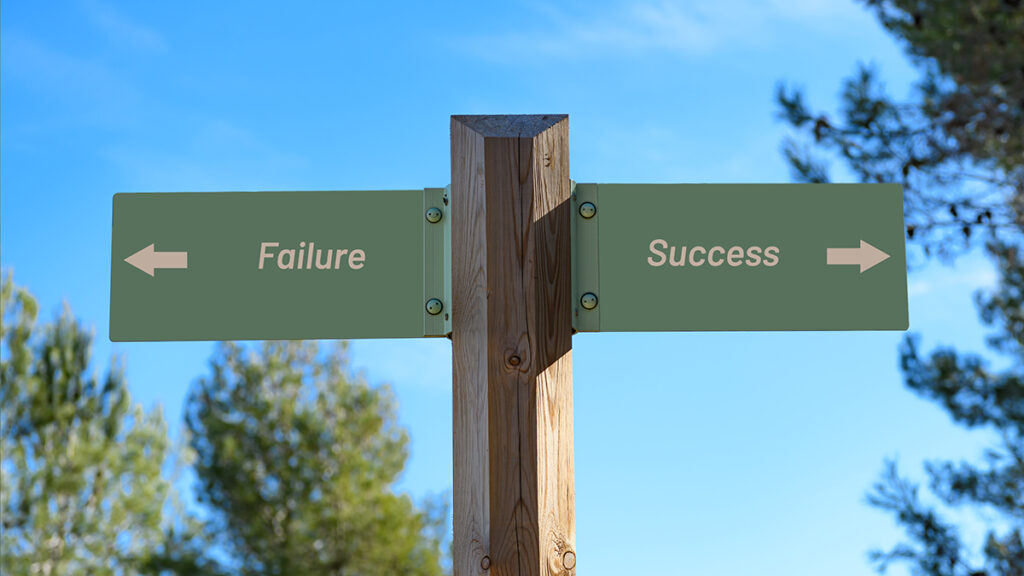
Every parent dreams of watching their child succeed, but one of the greatest gifts we can give children is the ability to learn from their mistakes. Mistakes are not failures—they are stepping stones to growth. While they may bring feelings of frustration, embarrassment, or disappointment, they are also powerful opportunities for building resilience, reflection, and self-discovery.
Helping children learn from mistakes does not mean protecting them from every setback or rushing to fix their errors. Instead, it is about teaching them to view mistakes as opportunities for growth, to analyze what went wrong, and to develop the courage to try again. When children begin to understand that mistakes are not the end of the road but part of the journey, they build confidence, adaptability, and a growth mindset that will serve them throughout life.
For parents and educators, the challenge lies in shifting the narrative around mistakes—from one centered on shame or punishment to one rooted in curiosity and learning. This article explores why mistakes matter in child development, how parents can guide children through them, and the long-term benefits of cultivating resilience and self-reflection.
Why Mistakes Matter in Childhood
Mistakes as a Natural Part of Learning
From the first wobbly steps of a toddler to the academic struggles of a middle schooler, mistakes are embedded in every stage of childhood. A toddler who stumbles dozens of times before learning to walk, or a student who gets math problems wrong before mastering them, demonstrates that failure is part of the learning process. Mistakes are not indicators of weakness; they are proof of effort and experimentation.
When children understand this truth, they stop fearing mistakes and begin seeing them as opportunities to grow. Rather than avoiding challenges, they learn to embrace them, knowing that progress is often messy before it becomes successful.
Building Resilience and Confidence
Resilience—the ability to bounce back after setbacks—is one of the most valuable skills a child can develop. Each time a child faces a mistake and works through it, they strengthen their resilience. Far from weakening their confidence, these experiences reinforce the belief that they can handle challenges and recover from disappointment.
A child who learns to get up after stumbling, whether in academics, sports, or friendships, builds a quiet confidence. They understand that mistakes do not define them; rather, it is how they respond that shapes their character. This resilience supports them not just in childhood but also in adulthood, equipping them to face the inevitable challenges of life.
Encouraging a Growth Mindset
Psychologist Carol Dweck’s concept of the growth mindset highlights the belief that abilities can be developed through effort and persistence. Mistakes are central to this mindset. When children learn to interpret mistakes not as signs of limitation but as feedback for improvement, they become motivated to keep trying.
Parents who emphasize effort over perfection and encourage reflection over shame nurture this mindset. Children raised with a growth-oriented perspective are more willing to take risks, try new things, and persevere in the face of setbacks. They grow into lifelong learners who see challenges as opportunities to stretch their abilities.
The Role of Parents in Teaching Lessons from Mistakes
Modeling Healthy Responses
Children learn as much from what parents do as from what they say. When adults respond to their own mistakes with frustration, anger, or avoidance, children may internalize the belief that mistakes are shameful or dangerous. In contrast, parents who handle errors with calm reflection—acknowledging what went wrong, considering solutions, and moving forward—teach children that mistakes are both manageable and valuable.
For example, a parent who forgets an important appointment might say, “I made a mistake by not writing this down. Next time, I’ll use my calendar to help me remember.” This demonstrates accountability, problem-solving, and resilience—all lessons that children absorb by watching.
Creating a Supportive Environment
Children need safe environments to take risks and make mistakes without fear of harsh judgment. When mistakes are met with ridicule or punishment, children often hide their errors or become afraid to try new things. A supportive home, by contrast, encourages openness, risk-taking, and honesty.
This does not mean ignoring consequences. Instead, it means approaching mistakes with empathy and focusing on what can be learned. By separating the child’s worth from their error, parents ensure that mistakes become stepping stones instead of stumbling blocks.
Helping Children Reflect on Mistakes
Encouraging Open Conversations
Reflection is the bridge between mistakes and learning. Parents can guide children toward meaningful reflection by creating space for open, judgment-free conversations. Asking questions like, “What do you think happened?” or “What could you try differently next time?” helps children develop critical thinking without feeling interrogated.
These conversations should be collaborative rather than punitive. When children feel safe to share their thoughts and emotions, they are more likely to internalize the lessons of their mistakes and develop the problem-solving skills they will need in the future.
Identifying Lessons Learned
Not every mistake will come with a clear lesson, but most contain valuable insights. A forgotten homework assignment may teach the importance of organization. A quarrel with a friend may highlight the value of communication and empathy. A missed goal in sports may reinforce the need for practice and perseverance.
Parents can help children recognize these lessons by asking open-ended questions and gently guiding them toward insight. Over time, this reflective practice becomes an internal habit. Children learn not only to correct their actions but also to develop resilience and self-awareness.
Building Emotional Resilience Around Mistakes
Validating Feelings
Mistakes often come with strong emotions—frustration, embarrassment, disappointment, or even anger. Validating these feelings is a crucial step in helping children move forward. Parents who say, “I know you’re upset that things didn’t work out,” send the message that emotions are normal and acceptable.
Once children feel heard and understood, they are more open to reflection and problem-solving. Validation turns mistakes into manageable experiences instead of overwhelming ones, helping children develop emotional intelligence alongside resilience.
Teaching Coping Strategies
Coping strategies give children practical tools for handling the stress that accompanies mistakes. Simple techniques like deep breathing, taking a short break, or writing about their feelings help children regulate emotions and regain focus.
Parents can also encourage physical activity, mindfulness exercises, or creative outlets as ways to process frustration. By equipping children with these strategies, parents empower them to manage the emotional side of mistakes and approach challenges with clarity and calmness.
Encouraging Independence and Responsibility
Allowing Natural Consequences
One of the most effective ways for children to learn from mistakes is through natural consequences. If a child forgets to pack their lunch, they may experience hunger until they get home. If they neglect to study, their grades may reflect it. These real-world consequences, though uncomfortable, often teach responsibility more effectively than lectures or punishments.
Parents who allow natural consequences within safe boundaries show children that their actions matter. They foster accountability and independence, teaching children to connect choices with outcomes in a meaningful way.
Balancing Guidance and Autonomy
While natural consequences are powerful, children still need guidance to interpret and learn from them. Parents should strike a balance between stepping back and stepping in. Offering support, encouragement, and strategies without taking over helps children build problem-solving skills while still feeling supported.
This balance nurtures independence. Over time, children gain the confidence to handle setbacks on their own, preparing them for the greater autonomy of adolescence and adulthood.
Mistakes as Opportunities for Growth in Different Areas
Academic Challenges
School provides countless opportunities for mistakes. Wrong answers, missed assignments, or disappointing test scores can feel discouraging, but they are also some of the best learning tools. Parents and teachers who frame academic mistakes as opportunities for growth foster curiosity and perseverance.
When a child sees that errors in schoolwork are not final judgments but opportunities for deeper understanding, they are more likely to embrace challenges and persist in their studies.
Social Relationships
Mistakes also occur frequently in friendships. Children may say something hurtful, struggle with sharing, or mishandle a conflict. While these moments can be painful, they are critical for learning empathy, communication, and forgiveness.
Parents who guide children through these situations with patience and reflection help them build stronger, more compassionate relationships. Mistakes in relationships become lessons in kindness and responsibility.
Everyday Responsibilities
Daily life provides its own set of mistakes—forgotten chores, misplaced belongings, or poor time management. These experiences may seem small but are important for teaching responsibility and organization. When parents encourage children to take ownership of these mistakes and correct them, they build habits of accountability and perseverance that will last a lifetime.
Long-Term Benefits of Learning from Mistakes
Developing Lifelong Resilience
Children who are supported in learning from mistakes develop resilience that lasts into adulthood. They learn that setbacks are temporary, that solutions exist, and that perseverance leads to progress. This resilience gives them the confidence to face challenges in careers, relationships, and personal pursuits with strength and adaptability.
Building a Stronger Sense of Self
Mistakes also contribute to self-awareness. By reflecting on their errors, children gain a clearer understanding of their strengths, weaknesses, and values. This awareness fosters a healthy, balanced sense of self. Children who accept mistakes as part of life grow into adults with greater self-compassion, able to face criticism and setbacks without being crushed by them.
Cultivating Lifelong Learning
Perhaps the most lasting benefit of learning from mistakes is the development of a lifelong love of learning. Children who embrace mistakes as opportunities are more willing to take risks, explore new paths, and remain curious throughout life. They understand that perfection is not the goal—growth is.
Conclusion
Helping children learn from mistakes is one of the most powerful and enduring gifts parents can give. Mistakes are not failures but opportunities to build resilience, develop self-awareness, and strengthen problem-solving skills. By modeling healthy responses, creating supportive environments, encouraging reflection, and balancing guidance with independence, parents transform mistakes into stepping stones toward success.
In a society that often prizes perfection, teaching children that mistakes are valuable helps them approach life with courage and adaptability. The goal is not to raise children who never stumble but to nurture individuals who rise stronger and wiser each time they fall. When children learn to embrace mistakes as part of growth, they gain not just confidence in their abilities but also the resilience to thrive in every stage of life.