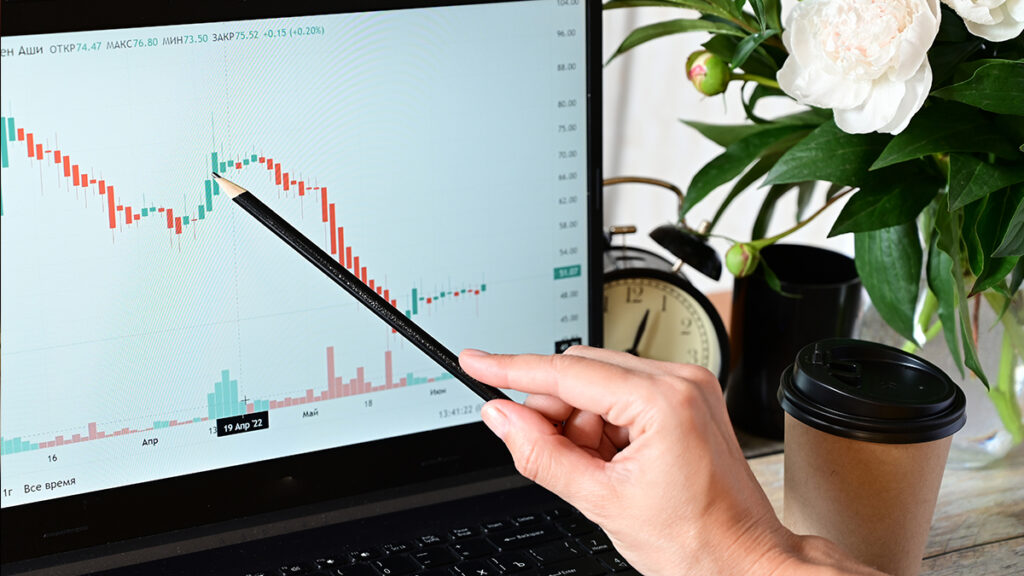
What is Day Trading and Is It Worth It?


Introduction: The Allure—and the Reality—of Day Trading
Day trading carries a certain mystique. The idea of making fast profits from stock or crypto markets—sometimes within minutes—has captured the imagination of millions, especially in the era of low-cost brokerage apps and real-time data access. In 2025, it’s easier than ever to open an account, click “buy,” and feel like a trader. Many dream of quitting their jobs, achieving financial independence, and living on market profits.
But the reality is far more sobering. While day trading offers the potential for big gains, it also comes with steep risks, intense emotional pressure, and daunting statistics. Most retail traders lose money. Very few sustain profitability over the long term. To succeed, one needs more than luck—it takes a deep understanding of the market, strict discipline, advanced tools, and often, significant capital.
Before diving in, it’s crucial to understand what day trading really entails, what strategies are used, how likely success is, and whether the effort is ultimately worth it.
Understanding Day Trading: Definition and Mechanics
What Is Day Trading?
At its core, day trading is the act of buying and selling financial instruments—like stocks, options, futures, or currencies—within the same trading day. The goal is to close all positions before the market closes to avoid overnight risks, which can include sudden price gaps caused by news events or earnings releases.
Day traders look to profit from small price movements, sometimes just a few cents or points. They rely on real-time market data, lightning-fast execution, and precise timing. In the U.S., if you execute four or more day trades within five business days using a margin account, you’re classified as a “pattern day trader.” That triggers a regulatory requirement to maintain at least $25,000 in your account.
Leverage plays a major role in this world. U.S. brokers typically offer 4:1 intraday leverage, while international platforms can offer up to 30:1 in forex markets. This amplifies potential gains—but also magnifies losses.
Typical Strategies and Tools
Day traders employ a wide range of strategies to try and exploit short-term price movements. Some use scalping, aiming to capture minuscule price changes in seconds. Others focus on momentum trading, riding trends as prices surge or crash. Breakout traders wait for price levels to breach key resistance or support zones, while contrarian traders look for reversals when prices are overextended.
To execute these strategies, traders rely on technical indicators like RSI (Relative Strength Index), MACD (Moving Average Convergence Divergence), Bollinger Bands, volume profiles, and more. Sophisticated charting software, low-latency data feeds, Level 2 order books, and even direct access routing tools are staples in a day trader’s toolkit.
However, tools are only as effective as the trader behind them. Without clear entry and exit rules, risk management, and psychological control, no setup is reliable.
The Risks: Why So Few Traders Succeed
Disappointing Success Rates
Despite the hype and countless social media success stories, the odds are not in the retail trader’s favor. Multiple academic and brokerage studies show that only 1–3% of active day traders outperform the market over time. Even fewer are profitable beyond five years. In fact, around 72% of traders lose money each year, and nearly 85% exit the game within three years.
In India, for example, a recent SEBI report revealed that 91% of retail futures and options traders lost money in the 2024–25 fiscal year—despite regulatory reforms aimed at reducing speculative excess.
Most of these losses aren’t caused by just one bad trade. They’re the result of overtrading, emotional decisions, inconsistent strategies, and a misunderstanding of risk.
Cost, Leverage, and Behavioral Drag
One reason profitability is elusive is the cost structure. Commissions, bid-ask spreads, data subscriptions, platform fees, and short-term capital gains taxes all chip away at earnings. The more you trade, the more those costs add up.
Then there’s leverage. While leverage can enhance returns, it can just as easily destroy a portfolio with a few bad trades. And unlike long-term investing, day trading requires constant focus, fast decisions, and the ability to absorb emotional pressure.
Behavioral pitfalls also play a big role. Traders often hold onto losing trades too long, hoping they’ll recover, and cut winning trades too early out of fear. Loss aversion and recency bias skew decision-making. Many traders abandon well-researched strategies in moments of stress.
Competition with Algorithms and Institutions
Retail day traders also face stiff competition from institutional players and high-frequency trading (HFT) firms. These organizations operate at speeds far beyond human reaction time, using AI and machine learning to exploit tiny inefficiencies.
Moreover, sudden events—like the infamous Flash Crash of 2010—can evaporate liquidity in seconds, wiping out retail traders who are slow to exit.
Rewards and Realities: When Is Trading Successful?
Rare Success Cases
Yes, some traders do succeed. There are stories of individuals like Ross Cameron—who claims to make over $100,000 a month—trading a few hours a day. But these stories are rare exceptions, not the norm. Most successful traders have either institutional backgrounds, professional coaching, or years of painful trial and error behind them.
In contrast, there are equally compelling stories of traders like Edgar Camacho, who returned to full-time employment after suffering consistent losses, realizing that the high-stakes nature of day trading was incompatible with his lifestyle and emotional well-being.
Potential Upside—but Only for the Disciplined
Day trading is not impossible, but it demands far more than casual effort. A trader who risks 1% of their capital per trade and wins 55% of the time with a 1.5:1 risk-reward ratio can be profitable. But achieving those numbers consistently requires exceptional discipline, strategy refinement, and access to top-tier infrastructure.
It’s a demanding job—not a shortcut to wealth.
Is Day Trading Worth It? When to Consider—or Avoid It
When It Might Be Worth Exploring
Day trading may be worth exploring under certain conditions. You should have:
- A capital base of at least $25,000 (if based in the U.S. and trading in a margin account)
- Access to professional-grade tools and data feeds
- A well-tested trading strategy and a written risk management plan
- The ability to devote full attention to markets during trading hours
- Emotional resilience to handle high-pressure decision-making
Even then, day trading is often more comparable to running a high-risk business than investing. It’s mentally and emotionally taxing, and success takes time.
When It’s Probably Not Worth It
If you’re new to investing, short on capital, have a full-time job, or lack strong emotional control, day trading is probably not worth the risk. Passive investing, diversified ETFs, long-term growth strategies, or swing trading over multiple days or weeks typically yield better outcomes for most people.
Not only are these approaches easier to maintain—they also make better use of time and compound returns without the stress and risk of daily volatility.
Strategies to Limit Risk and Improve Outcomes
Use Strong Risk Controls
Risk management is non-negotiable. Successful traders never risk more than 1–2% of their capital on any single trade. They set maximum daily loss limits—often around 5%—and use stop-loss orders religiously.
Good risk-reward setups (aiming for at least 1:2) ensure that a few winners can make up for several small losses. Sticking to these rules is more important than chasing the next hot stock.
Start Small and Track Everything
New traders should start with a demo or paper trading account to practice without risking real money. Backtesting strategies with historical data helps assess viability.
Tracking metrics like win rate, average profit/loss, maximum drawdown, and emotional responses after trades gives insight into patterns—both good and bad. These metrics help refine strategy and avoid emotional mistakes.
Focus and Avoid Overtrading
Overtrading is one of the quickest ways to lose money. Rather than reacting to every market move, successful traders often specialize in a particular sector, stock, or trading window—like opening volatility or earnings breakouts.
Each strategy—whether scalping, breakout, or news trading—requires consistent focus and refinement. Jumping between setups usually results in poor execution.
Alternatives to Day Trading That Can Still Build Wealth
Swing Trading and Position Trading
Swing trading involves holding trades for a few days to a few weeks. This style reduces the need for minute-by-minute monitoring and avoids much of the noise that plagues intraday charts.
Position trading—holding for months—is even more relaxed. Both approaches can be profitable while allowing traders to maintain full-time jobs or other responsibilities.
Passive Investing and Quant Strategies
For most individuals, passive investing in index funds or ETFs is the simplest and most effective wealth-building strategy. It benefits from compounding, lower fees, and reduced emotional interference.
Quantitative investing—like factor-based portfolios or robo-advisors—offers systematic, data-driven strategies that reduce guesswork and emotional bias. Over time, these strategies have been shown to outperform average day trader returns by wide margins.
Lower-Volatility Income Strategies
Some traders explore less risky approaches, like dividend investing, pairs trading, or covered call writing. While not risk-free, they often offer more consistent outcomes with less stress.
However, even these strategies require education, risk awareness, and careful implementation—especially during volatile or illiquid market conditions.
Conclusion: Day Trading Is High Risk with Low Odds—But Some Thrive
Day trading offers the potential for high returns—but only for a small fraction of highly disciplined, well-capitalized, and technically skilled individuals. For most, it’s a high-stress pursuit with low long-term success rates and significant financial risk.
If you’re considering day trading, treat it seriously. Approach it like a professional would: develop a strategy, test it rigorously, set strict risk parameters, and keep detailed records. Be honest about whether your temperament, time availability, and capital are suited for such a demanding endeavor.
For those seeking wealth with less stress and better odds, long-term investing, diversified portfolios, and automation often provide far superior outcomes.
Ultimately, the key is clarity. Know what you want, assess what you can handle, and choose an approach that aligns with your goals—not just your ambitions for fast profits.