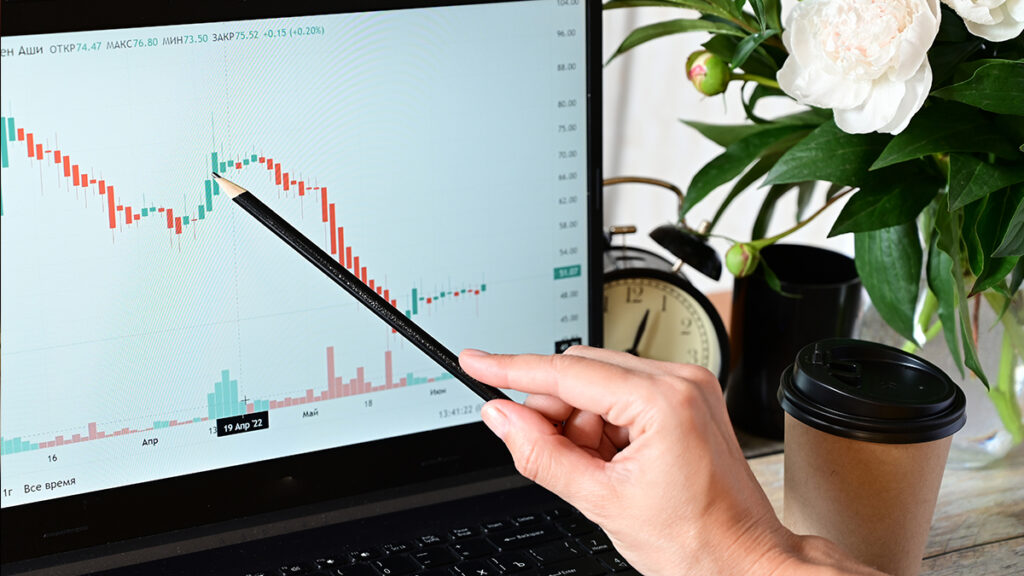
How to Use Technical Analysis in Trading


Introduction: Why Technical Analysis Is Key in Today’s Trading Environment
With today’s markets moving faster than ever—thanks to algorithmic trading, global headlines, and sudden sector rotations—technical analysis has become an essential tool for traders. Rather than relying on instinct or emotion, successful traders turn to charts, price action, and historical patterns to make informed, strategic decisions.
In 2025, volatility is the norm. From geopolitical disruptions to abrupt shifts in monetary policy, investors need a way to cut through the noise. That’s where technical analysis comes in. It provides a structured, data-driven framework to help traders time entries, identify trends, and manage risk effectively. This guide explores the principles of technical analysis, the most powerful tools in the trader’s arsenal, and how to integrate these strategies into a disciplined trading approach.
What Is Technical Analysis and How It Works
Understanding the Core Idea: Markets Reflect Human Behavior
At its heart, technical analysis is the study of how prices move based on supply and demand. Rather than analyzing a company’s balance sheet or economic reports, technical traders focus on charts and price patterns. These patterns—like double tops, triangles, or head-and-shoulders formations—often repeat themselves because investor behavior tends to be predictable over time.
The tools of technical analysis—candlestick charts, support and resistance zones, trendlines, and indicators—help traders make decisions based on past performance and current momentum. Price tells the story, and volume helps confirm it.
Why It’s More Than Just Charts
Technical analysis isn’t about predicting the future—it’s about identifying high-probability setups. It helps traders decide when to enter or exit a trade and where to place stops to manage risk. The real value lies in the structure it brings to decision-making. In emotionally charged markets, it creates a set of rules to follow—turning chaos into strategy.
Key Technical Tools and Indicators Every Trader Should Know
Moving Averages: Spotting Trends with Simplicity
Moving averages smooth out price action and help highlight the overall direction. Commonly used ones include the 50-day and 200-day averages. When a shorter-term average crosses above a longer-term one, it may signal a bullish trend—and vice versa for bearish trends. Traders use moving averages to confirm the strength and direction of a trend.
RSI: A Snapshot of Market Momentum
The Relative Strength Index (RSI) measures how fast and how far prices have moved recently. It’s shown on a scale from 0 to 100. A reading over 70 usually signals that an asset may be overbought, while below 30 could mean it’s oversold. However, RSI works best when combined with other tools—by itself, it can produce misleading signals.
MACD: Tracking Momentum and Reversals
The Moving Average Convergence Divergence (MACD) blends momentum and trend analysis. It compares two moving averages (often 12- and 26-day) and includes a signal line to identify crossovers. When the MACD line crosses above the signal line, it could indicate a bullish turn. It becomes even more effective when used alongside RSI or volume data.
Bollinger Bands and ATR: Reading Volatility
Bollinger Bands are dynamic levels that expand and contract based on volatility. When prices push toward the upper or lower band, it may signal a potential reversal or breakout. The Average True Range (ATR) gives insight into how much an asset typically moves, helping traders set stop-losses that adapt to volatility.
ADX: Measuring the Strength of a Trend
The Average Directional Index (ADX) doesn’t show direction, but it does measure how strong a trend is. Readings above 40 indicate a solid trend, while readings below 20 suggest range-bound conditions. It’s most powerful when paired with directional indicators to confirm bullish or bearish sentiment.
Chart Patterns and Candlesticks: The Trader’s Language
Patterns like triangles, flags, and double bottoms signal potential reversals or continuations. Candlestick patterns, such as bullish engulfing or doji formations, reveal short-term market sentiment. When interpreted with support and resistance zones, they provide excellent insight into likely price movements.
How to Build a Technical Trading Strategy
Step 1: Pick a Trading Setup
Start by choosing a clear, rule-based strategy. For instance, a trader might decide to buy when RSI moves above 30 and MACD shows a bullish crossover. The point is to create a repeatable system that takes emotion out of the equation.
Step 2: Combine Indicators for Confirmation
Using two or more complementary tools can reduce false signals. If RSI shows an oversold level and MACD confirms a trend reversal with rising volume, the setup becomes stronger. Avoid overlapping indicators that measure the same thing—diversify your tools.
Step 3: Practice Solid Risk Management
Every trade carries risk. Use the ATR to determine appropriate stop-loss levels and never risk more than 1–2% of your capital on a single trade. This protects your account during losing streaks and keeps you in the game long term.
Step 4: Backtest Your Strategy
Use historical price data to see how your setup would have performed in the past. Backtesting builds confidence and helps refine the rules. Consider paper trading before risking real capital to see how your strategy performs in real time.
Step 5: Keep Evolving
Markets change. What works in one season may underperform in another. Periodically review and update your strategies. Avoid curve-fitting by testing across multiple time periods and market conditions.
Putting Technical Analysis to Work: A Meta Example
In early 2025, Meta Platforms (META) was approaching a critical earnings release. Traders noticed the price bouncing near its 50-day moving average, with RSI showing a neutral reading. Volume was steady, and support sat near $635, while resistance formed around $740.
By applying technical analysis—identifying support/resistance, watching for volume spikes, and tracking indicator shifts—traders could build a clear plan for potential breakouts or pullbacks. It’s not prediction; it’s preparation.
Adapting Technical Analysis Across Assets and Timeframes
Trading Styles and Chart Durations
Day traders might analyze 5- or 15-minute charts, while swing traders use daily or weekly timeframes. Long-term investors may even rely on monthly charts. The tools stay the same—the timeframe and trade duration change.
Using TA in Crypto and Global Markets
In fast-paced markets like cryptocurrencies and commodities, technical analysis is often the only reliable tool. With limited fundamentals in crypto, price action and volume are king. Patterns, RSI, MACD, and trendlines apply across asset classes.
Technical Trading in Indian F&O and Emerging Markets
Retail traders in emerging markets, including India’s futures and options segments, lean heavily on real-time charting and pattern recognition. With rapid moves and increased leverage, disciplined technical strategies give traders an edge.
Avoiding Common Technical Trading Pitfalls
Don’t Over-Optimize
It’s easy to create the perfect system on paper—only for it to fail in real life. Avoid curve-fitting your strategy to past data. Focus on robustness, not perfection.
Stick to Your Plan—Even When Markets Get Loud
Technical analysis only works if you follow it. Resist reacting to headlines or emotional swings. The best traders trust their system and stay patient.
Practice Before You Trade
Use paper trading to learn the tools and refine your discipline. It’s better to make mistakes in a demo account than with real money on the line.
Sharpening Your Skills: Learning Resources
Books like Technical Analysis of the Financial Markets by John Murphy and Japanese Candlestick Charting Techniques by Steve Nison remain gold standards for TA education. Online platforms and courses in 2025 also provide advanced instruction—covering everything from chart basics to strategy backtesting.
Trading software like TradingView, ThinkorSwim, and brokerage platforms from Fidelity or Interactive Brokers offer real-time charting, alerts, and community-built strategies to help you level up your trading game.
Conclusion: Technical Analysis Is About Discipline, Not Predictions
Technical analysis isn’t about predicting every market move—it’s about building a structured, disciplined approach to decision-making. When used thoughtfully, tools like RSI, MACD, Bollinger Bands, and moving averages can help you find opportunities, manage risk, and stay calm under pressure.
In a world of constant noise and rapid shifts, technical analysis gives traders a strategic edge. But success lies not in the charts alone—it comes from how you use them, how you manage risk, and how you respond to uncertainty. Master the process, and the results will follow.